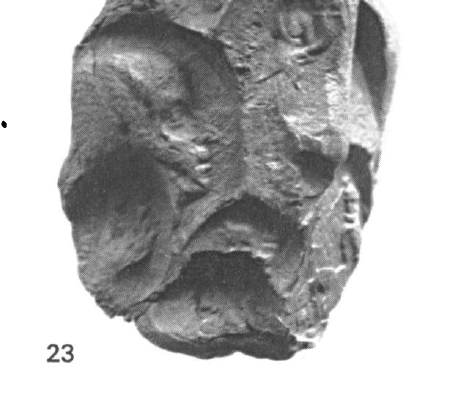
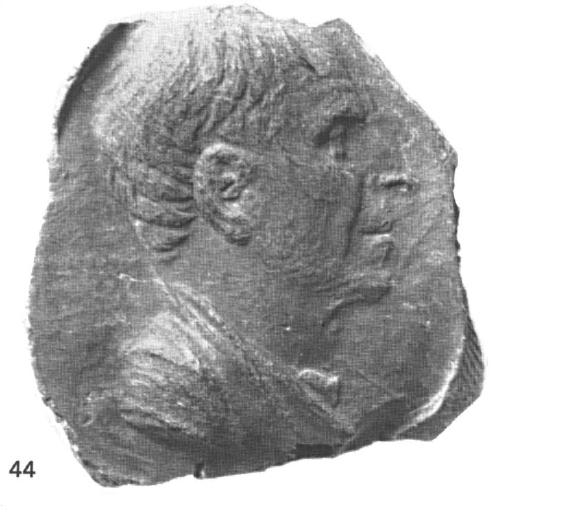
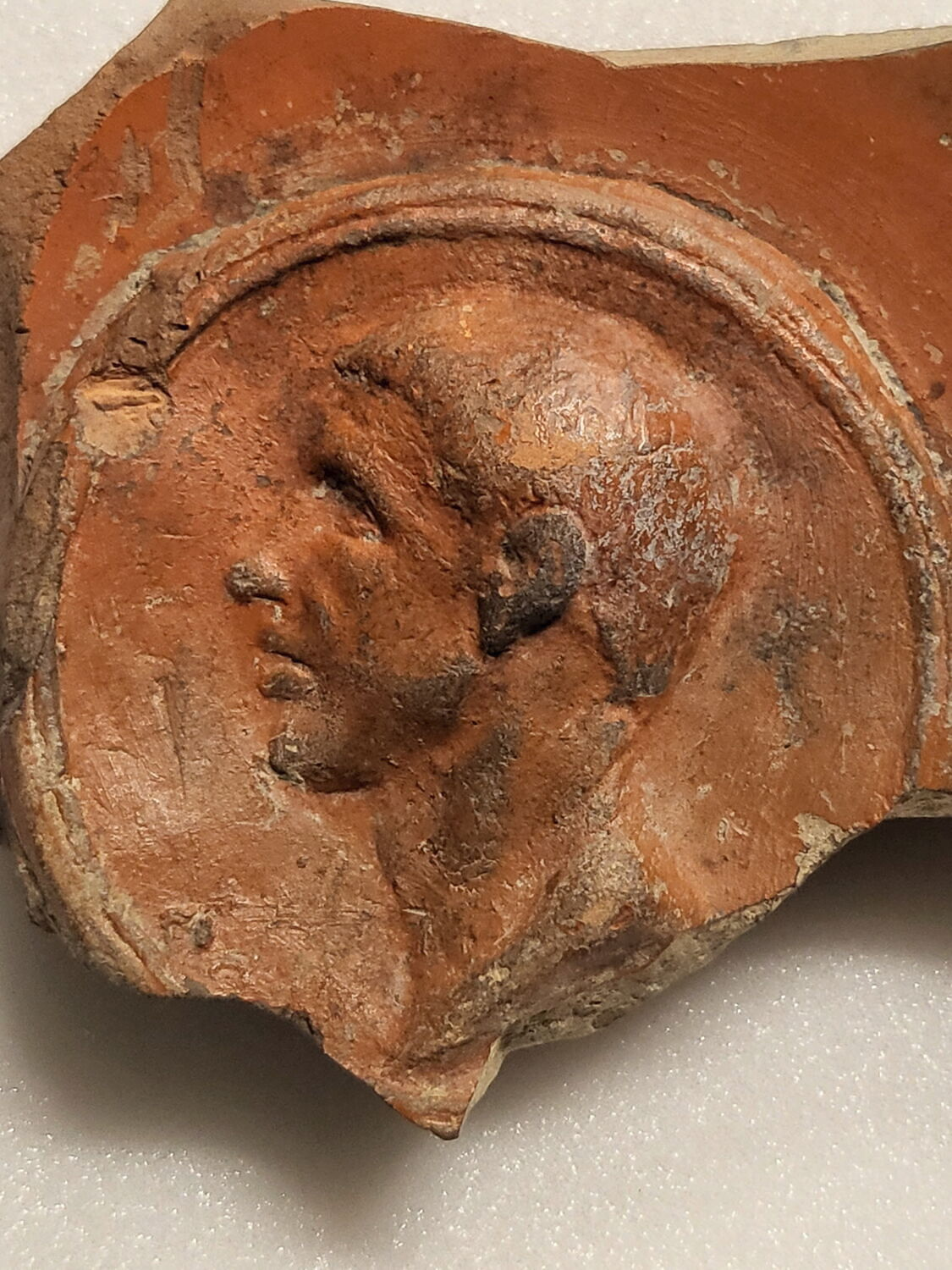
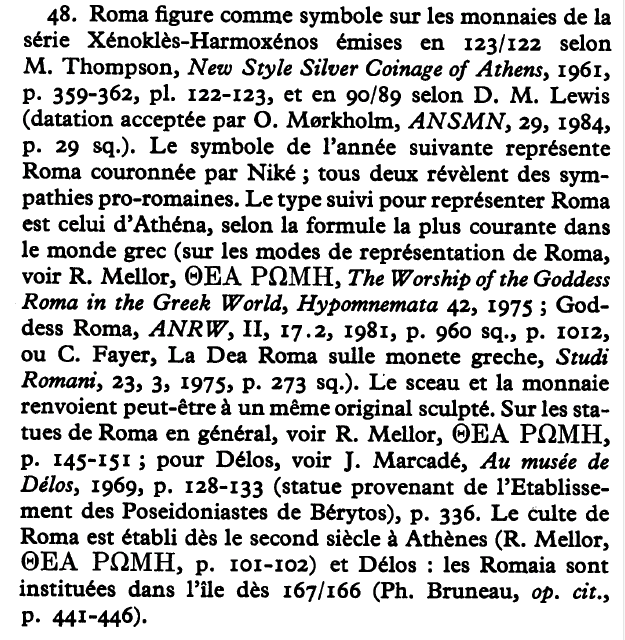
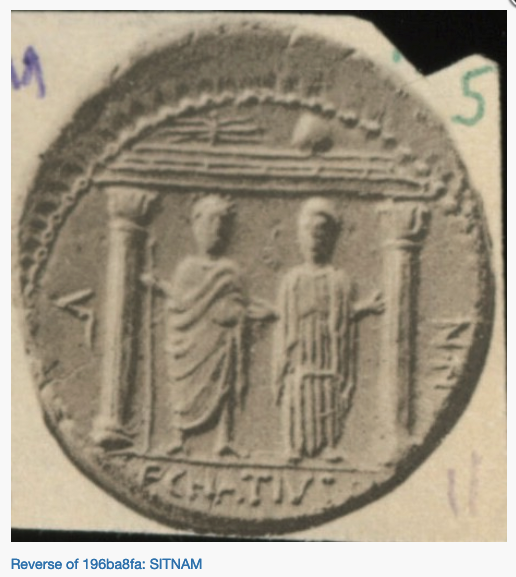
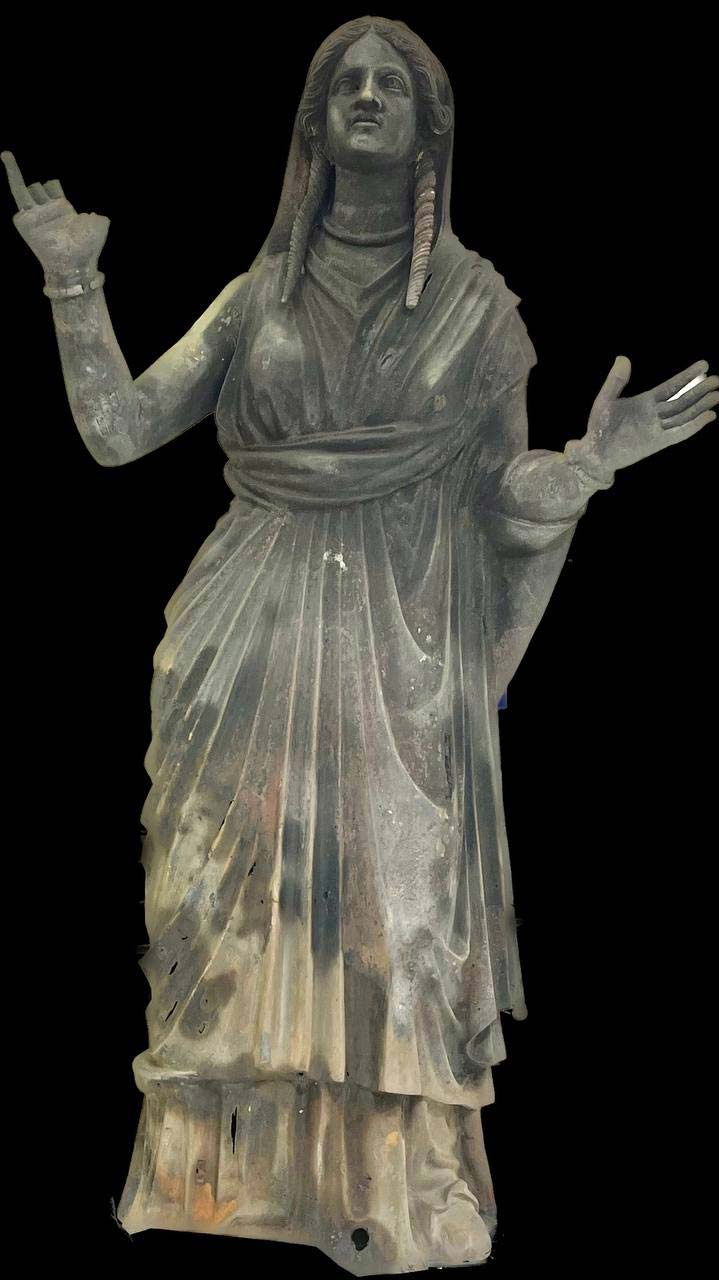
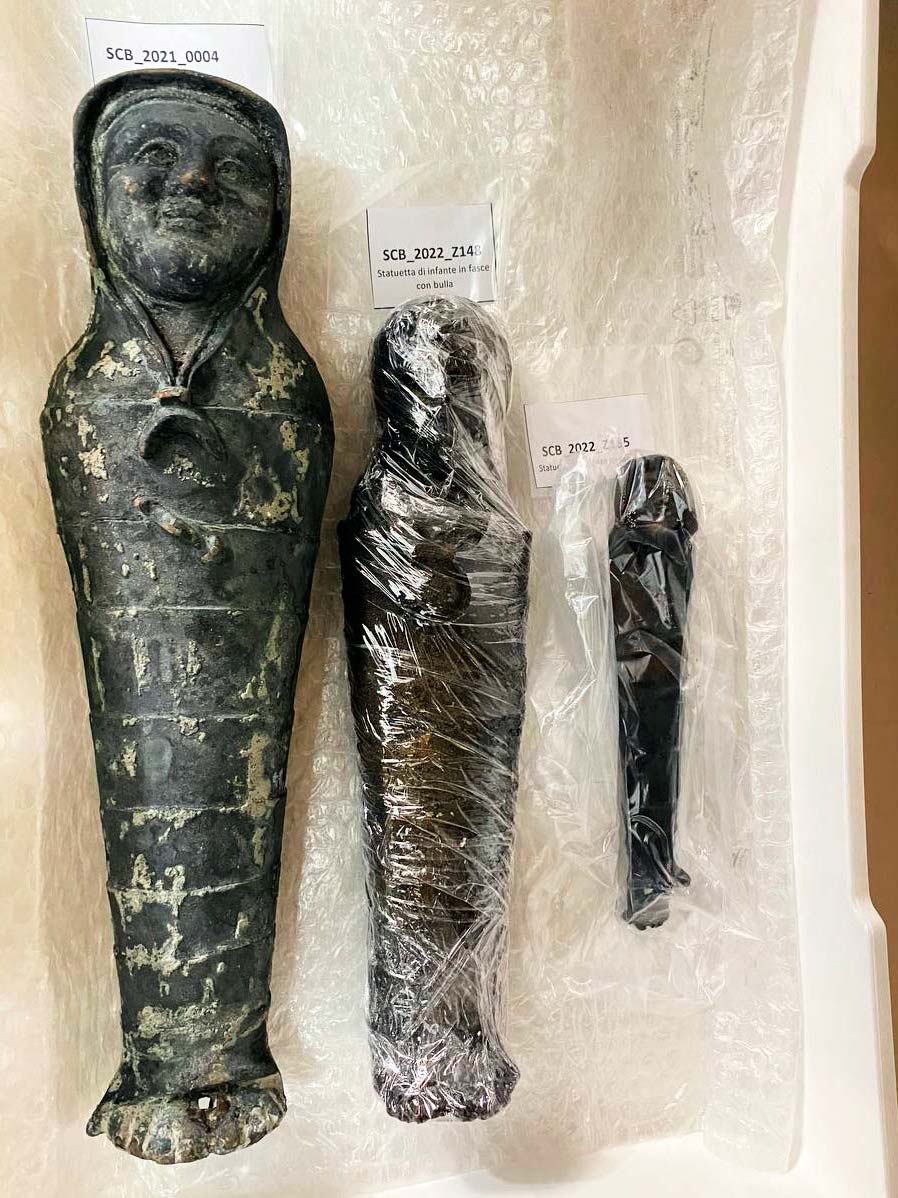
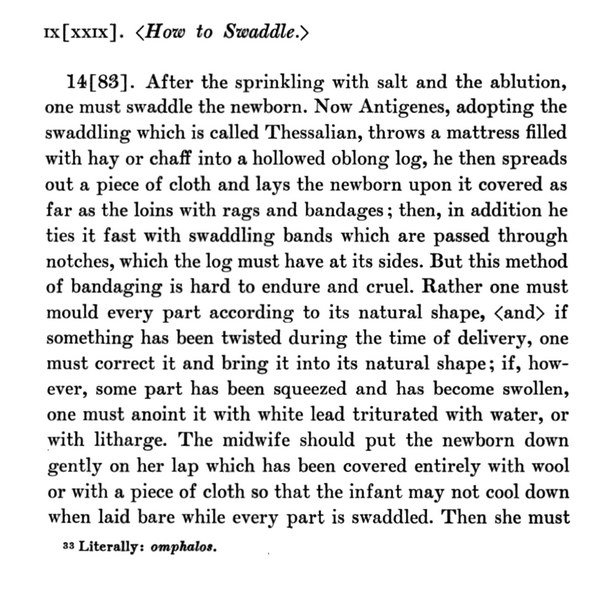
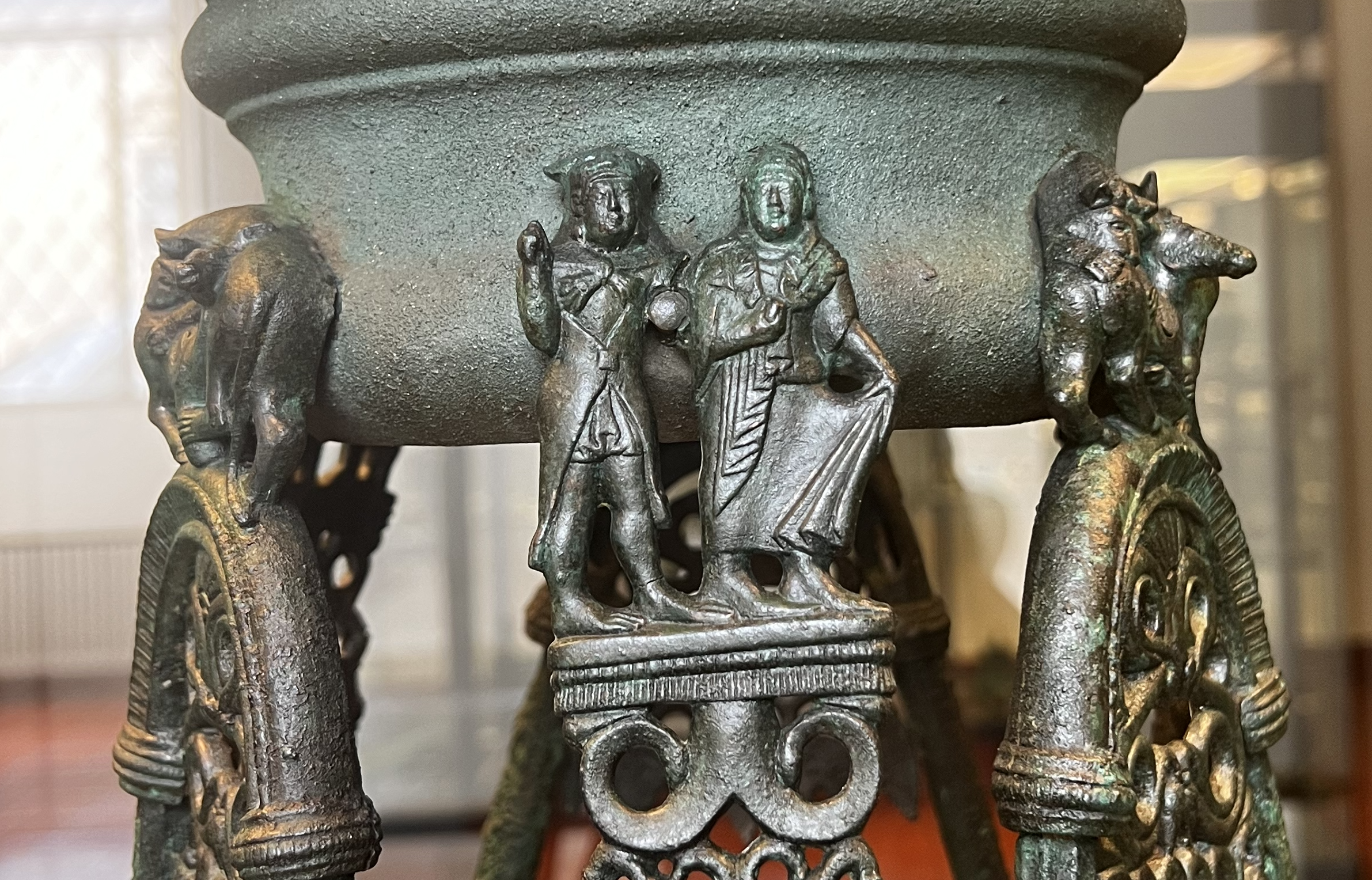
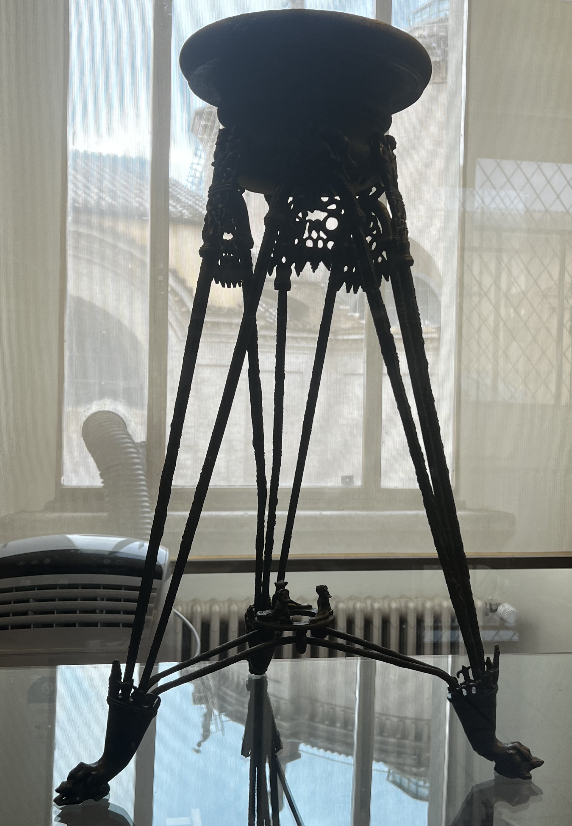
It’s an ANS day. I’m spending some time with the SNGs from Italian Collections this from Firenze (vol 3.) Umbria-Bruttium.
I also battled the scanning technology to make a high quality copy of the Divo, Coins Stolen from Naples (1977). I’ve been frustrated with not having it on file. But at long last I’ve a decent pdf (if you need one do ask!).
A screen shot just to give a sense of the publication. V little text almost all just photos.
I’m now scanning most of Bolletino di Numismatica 13 (1989). The images of well provenanced aes grave From the Roman National Museum Collection (Palazzo Massimo) are just delish.
Screenshot of Google Earth project (I enjoy this type of orientation to the landscape as I try to fix in my mind where something is in relation to more familiar landmarks)Wikimedia map of Latium (public domain)
On the Goddess of this sanctuary I’m reading:
Carroll, M. (2019). MATER MATUTA, ‘FERTILITY CULTS’ AND THE INTEGRATION OF WOMEN IN RELIGIOUS LIFE IN ITALY IN THE FOURTH TO FIRST CENTURIES BC. Papers of the British School at Rome, 87, 1-45. doi:https://doi.org/10.1017/S0068246218000399
The article is very good at problematizing the whole ‘god of…’ approach to polytheistic religion and also has a succinct statement on syncretism with recent bibliography (for all she avoids using that term). This article will be good to circle back on when I return to either Feronia (last chapter of current book project) and/or Ino-Leukothea (esp. RRC 399/1, n.b. my glass paste article).
On page 5-6 she gives this summary of the temple chronology at Satricum:
She also has thoughts on how the cult might have re-enforced matrilineal ancestry and kinship ties, perhaps mildly relevant when discussing RRC 433/2.
This passage is interesting for HOW we interpret votive deposits, especially in terms of gender:
In this next passage I’m interested in how the transition in types of votives is ALSO generally speaking correlated to the Roman adoption of coin making. Perhaps BOTH indicative of bigger cultural shifts.
Ok. I’ve got a much better understanding of cult and the goddess so now we can get on to the coins!
Termeer, Marleen K. and Prins, Jelle. 2021. “Coins and aes rude as votive gifts : the coins and aes rude from the Hellenistic votive deposit at Satricum and the first coinage in Latium” Ancient Numismatics : an international journal 2: 43-91. DOI: 10.19272/202114401002 (paid content) Deposited unformatted final text, no images (open access)
“We argue that the long tradition of deposition of aes rude in religious contexts in Latium was continued in the period when coins were first introduced, and the coins seem to have been embedded in this tradition. Thus, the use of coins and aes rude had considerable overlap in this period.”
This sentence reminds me of the bits of Festus and Varro on a coin being used instead of rough bronze in ritual exchanges.
Raniero Mengarelli conducted excavations in 1896. I should look up his N. Scavi entries at some point. When the Dutch Institute began excavating in 1985 they found a ‘secondary’ votive dump, and thus original stratigraphy of deposition cannot be reconstructed, it is however possible some portions of the original deposit were untouched…
Votive I – LOTS of Aes Rude, no coins (assoc. archaic sacellum)
Votive II – (5-3rd cent) more aes rude, 5 coins likely deposited after 300 BCE
Votive III – 108 coins (26 from 1896, 82 from 1985, 1989) listed in appendix [but I’m still waiting for my ILL copy with the original table.]
29 total RRC 17/1 – which is now dated after 240 BCE by Molinari and Jaia 2021, ‘ do no seem to occur in Vicarello’
“one Lion bronze (no. 38) with reverse lion to the left is a variety of RRC 16/1a and 1b, only known from Vicarello and Carsoli”
Central Italy uncertain mint HNItaly 362 = Vecchi 281 (better image) (forepart of bull / lyre)
Praeneste (?) HN Italy 249 = Vecchi 281 (worse image) (frontal lion biting spear / horse head) – a fragment
“earliest coins that could have entered the votive deposit are the earliest Neapolitan bronzes from Taliercio’s series i (nos. 1-9), dated 325-300 bc, and the Punic bronzes (nos. 30-33), which are dated in the second half of the 4th century bc”
“Four of these seven Neapolitan coins (nos. 2, 5, 6 and 7) have chop marks.”
I wonder if the chop marks are a version of the same impulse seen on the graffiti-ed coins:
from Ailly reads FORTVNAI STIPE and indicates the coin was ritually deposited to the goddess. Only one parallel that I know of reads DIOVIS STIPE and was found at Collepietro (L’Aquila).From Willers 1909I’m grateful to Charles Parisot for sharing the modern photo and Gallica link with me via Twitter!
The photograph allows one to clearly see the reverse graffiti was created useing the same punch/chisel technique as the SF on the obverse. It is easiest to observe in the S an E of stipe.
I notice in the inventory that no. 97 is a folded coin and 96 is a melted ae/plated AR, perhaps again part of this phenomenon.
“cast aes grave (nos. 73-78), which may be a little earlier. Coins from this period, namely circa 270-240/225 bc, are the most common in the deposit” Narrow down that time frame!
“very few Roman coins from the period of the Second Punic War” – was Satricum loyal?
terminus post quem suggested by worn reduced uncial weight standard triens found in undisturbed portion of deposit : maybe c. 150 BCE or maybe later.
Points out that Vicarello seems unique in aes rude and coins being the preferred votive offering rather than those be tangential to other forms of offering.
“It is clear, however, that bronze was the preferred metal for oπering in Latium; precious metals are very rare”
“Our comparison will focus on the coins found in the votive deposits at Vicarello, Carsoli, Nemi, Via Tiberina and Casalvieri [Sora], and the Ardea hoard, which was probably part of a votive deposit or even a thesaurus.” [links are to earlier places on this blog I’ve talked about these finds]
I’ve ILLed Catalli 2005 (and his 2014 piece on the Nemi coins).
I was at this point panicking that I’d missed a currency bar hoard as I had no record of Via Tiberina, but thank goodness it just has two names! It’s La Bruna (CHRR 16), now mostly in Berlin. This just can’t be right. I’ve ILLed Cesano 1942. It’s very interesting to think of this as Stipe or Thesaurus rather than just a hoard…
“Farther from Rome, Carsoli and Satricum were indeed able to receive similarly high percentages of Romano-Campanian and Greek coins. The difference between these two and Nemi is striking, but we have no good explanation for it.”
Set time table for any collaborative RRDP work/publication prep that needs to happen this semester: Chicago pub, INC pub, collaboration with RACOM, etc…
Circle back to Capito project
Consider ask for funding from Dean’s office
Begin Med school rec letter
record mini myth
find out what is on that v old harddrive and back up to cloud
CRAWFORD, Michael H. Thesauri, hoards and votive deposits In: Sanctuaires et sources: Les sources documentaires et leurs limites dans la description des lieux de culte [online]. Naples: Publications du Centre Jean Bérard, 2003 (generated 19 janvier 2023). Available on the Internet: <http://books.openedition.org/pcjb/878>. ISBN: 9782918887218. DOI: https://doi.org/10.4000/books.pcjb.878.
It’s so good. I love coming back to read work when one is really ready for the text, even hungry to read it. So different to reading in the abstraction of possibly useful one day. Anyway on to the point.
That passage in Dionysius reminded me immediately of RRC 385/5 and the decoding of the legend to be about the foundation of the ludi Apollinares by subscription.
Turns out there are two sets of the photographs of Nemi finds taken by Lord Savile, not only the ones in the BM I’ve been trying to located but also in Nottingham. These aren’t fully digitized (yet), but the internal collections database has turned up wonderfully detailed descriptions of each print AND notes on how they correspond to photographs in the BM. So the BM photos exist clearly, and once I get the funds to go see the Nemi coins in person, I’ll also be able to study the photographs (maybe, hopefully even share them). I’ve seen one sample image and it is of high quality and the coins are legible (but only one side). I’m particularly interested that the photos seem to specify WHERE on the site the coins were found and other materials from the same find spot.
I wonder if Lord Savile kept a journal and if his personal papers are on deposit in some accessible archive…
I’m also delighted with this report of a base to go with one of the small bronze statues. So often those figures are de contextualized from their original function, I find this satisfying to know of:
I’ve been overestimating what I can get done in a day. I’m going to try to put less on the today list.
Today
BM archivist reply
Review grad student apps by Jan 19
LETTER
Other email correspondence as necessary
Not Today (but maybe tomorrow, or the day after)
post conference Rome accommodation
Teaching requests for Fall 2023
Circle back to department about any Jan planning meetings
Set time table for any collaborative RRDP work/publication prep that needs to happen this semester: Chicago pub, INC pub, collaboration with RACOM, etc…
Circle back to Capito project
Consider ask for funding from Dean’s office
Begin Med school rec letter
record mini myth
find out what is on that v old harddrive and back up to cloud
I was getting my brain warmed up trying to think of the monetary landscape in the pre 1st Punic War period. So I looked at RRC 13/1 distribution and colonization efforts again and that got me thinking what I knew about the coinage of Venusia.
Luckily “past me” had ordered Burnett 1991, so I found a pdf on file. I was interested in the idea that the fractions might be on a different weight standard than the whole unit. I’ve not looked at the fractional weights but I thought I’d see if I could re look at the data and include any specimens not known to Haeberlin (his plates). I only found one in trade and the one illustrated above in the ANS. I’ve found none in: Oxford, Yale, Princeton, Cambridge, Michigan, Capitoline, IKMK (I’ve not checked my Copenhagen or Glasgow image files yet). With only 13 specimens no average or median is going to be very conclusive, but a box and whiskers gives some idea of shape of the data. A close cluster with relatively short whiskers and two extreme outliers.
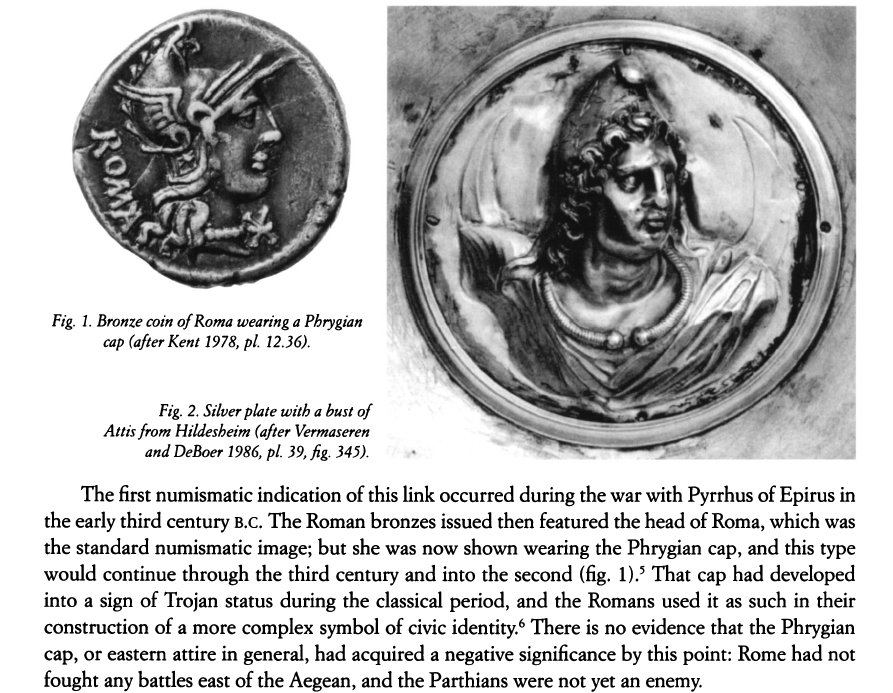
I don’t know where the Hoard of 5 specimens found in 1903 and purchased by Haeberlin ended up. It is this hoard’s find location that has lead to the association of the type with the colony.
There is some relatively recent bibliography that I’d like to read on the colony:
Stek, Tesse D.. “Motivazioni e forme alternative dell’espansionismo romano repubblicano: il caso delle colonie latine nelle aree interne appenniniche.” In Paesaggi mediterranei di età romana : archeologia, tutela, comunicazione, Edited by Mastrocinque, Gianluca. Bibliotheca Archaeologica; 47, 135-146. Roma: Edipuglia, 2017.
Casarotto, Anita, Pelgrom, Jeremia and Stek, Tesse D.. “Testing settlement models in the early Roman colonial landscapes of Venusia (291 B. C.), Cosa (273 B. C.) and Aesernia (263 B. C.).” Journal of Field Archaeology 41, no. 5 (2016): 568-586. Doi: 10.1080/00934690.2016.1211474
Grelle, Francesco. “Le colonie latine e la romanizzazione della Puglia.” In Epigrafia e territorio, politica e società : temi di antichità romane. 8, Edited by Pani, Mario. Documenti e Studi; 42, 165-199. Bari: Edipuglia, 2007.
Perhaps I’ll diagram weights of the smaller denominations next…
Today
BM conservation reply
BM archivist reply
Cancel at least one more digital membership
renew Coinarchives
Review grad student apps by Jan 19
Banking documents
LETTER
Other email correspondence as necessary
PROOFS
PEER REVIEW
Not Today (but maybe tomorrow, or the day after)
post conference Rome accommodation
Teaching requests for Fall 2023
Circle back to department about any Jan planning meetings
Set time table for any collaborative RRDP work/publication prep that needs to happen this semester: Chicago pub, INC pub, collaboration with RACOM, etc…
Circle back to Capito project
Consider ask for funding from Dean’s office
Begin Med school rec letter
record mini myth
find out what is on that v old harddrive and back up to cloud
Good news, the Cesano pdf arrived. Bad news, no photos of republican specimens. Also, based on the lamp article I was expecting more republican material and lots more coins overall, ho hum.
Still it is interesting that they are ALL asses no other denominations… does that make it more likely they are ritual deposits?
Martínez Chico, David. “Reciente hallazgo de « aes grave » – as – en el Algarve (Portugal).” Revista Portuguesa de Arqueologia 20 (2017): 107-111. [pdf online]
A new « aes grave » coin is documented, dated approximately between 275 and 270 BC. C. Although it is part of a private collection, it is known that it was found in southern Portugal, specifically in Figueirinha (S. Marcos da Ataboeira, Castro Verde). An attempt is made to relate this finding to other coins also recovered in the Iberian Peninsula. It is concluded that this Roman coin must have been brought to the region after the outbreak of the Second Punic War.
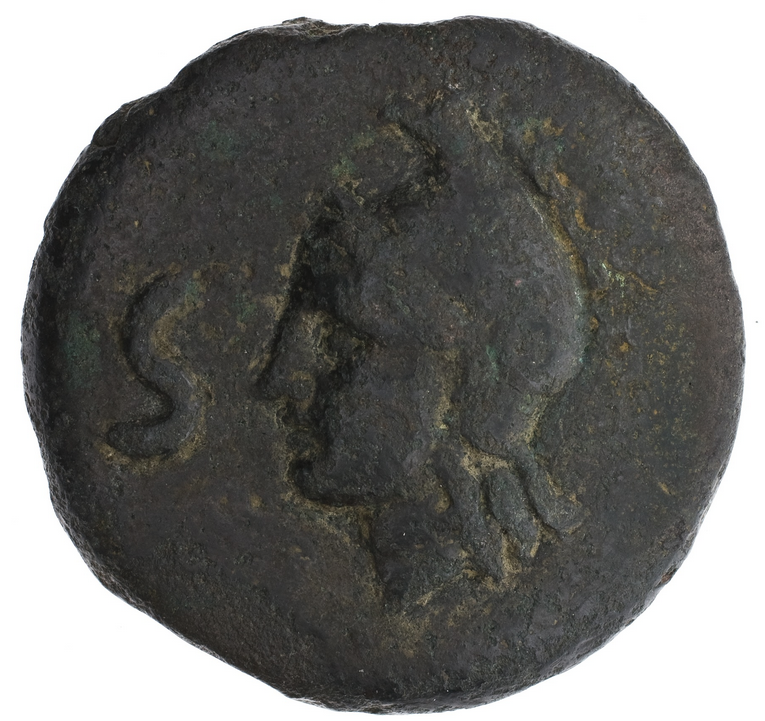
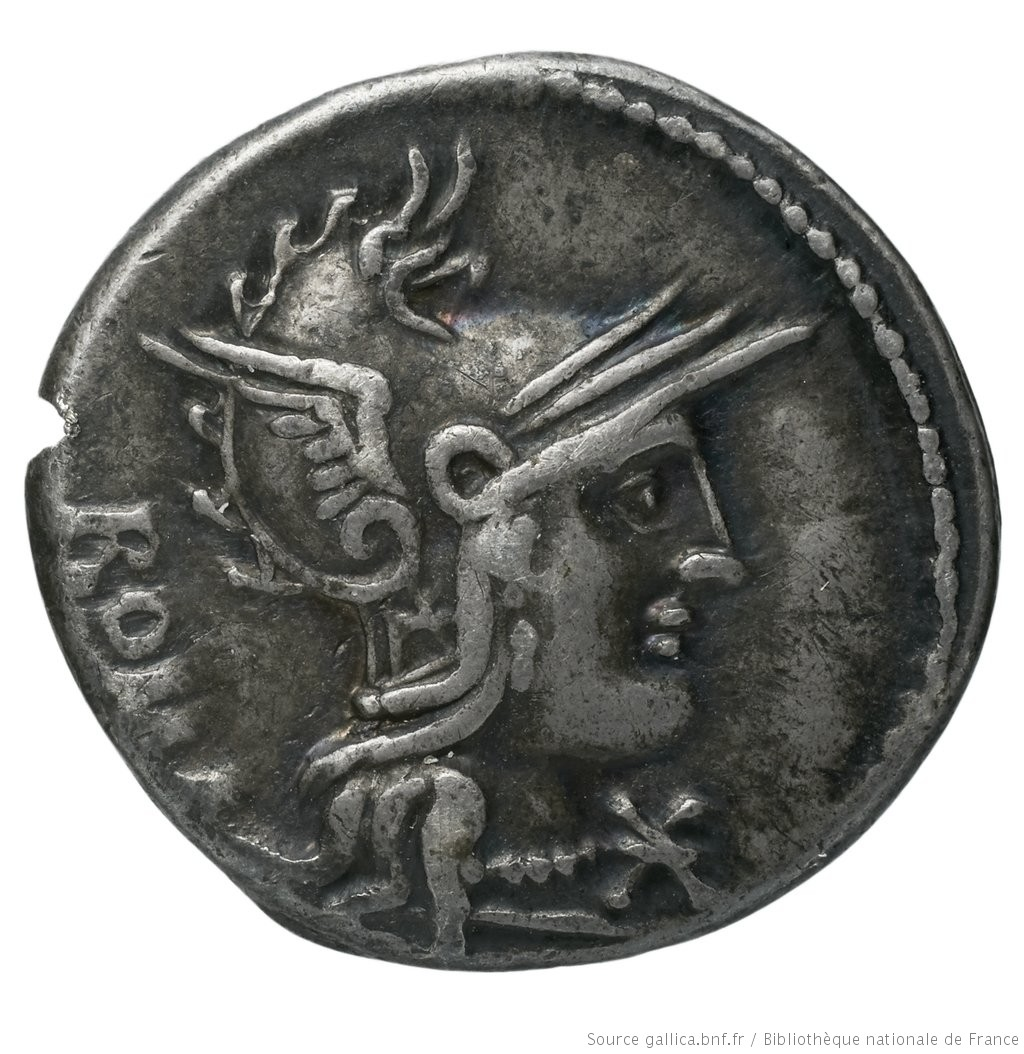
Martínez Chico, David. “La moneda « aes grave » hallada en la península ibérica y su relación con la segunda guerra púnica.” Rivista Italiana di Numismatica e Scienze Affini 117 (2016): 21-33. [pdf online]
The sporadic diffusion of Roman coins of the “aes grave” type in the Iberian Peninsula is attested only after the outbreak of the Second Punic War and to a much lesser extent than the coin production in silver.
A cut “semis”, unearthed in Rheinau in 2011, is the first “aes grave” discovered on Swiss territory. This is a fragment of a coin minted after the monetary reform of 217 BC. J.-C., which reduced the weight of these pieces from 324 to 368 grams.[sic!] This currency did not arrive at the place of its discovery through monetary circulation, but through an exchange.
Hollstein, Wilhelm. “Ovids « Fasti » und das « aes grave » mit der Prora.” In « Noctes Sinenses »: Festschrift für Fritz-Heiner Mutschler zum 65. Geburtstag, Edited by Heil, Andreas, Korn, Matthias and Sauer, Jochen. Kalliope; 11, 59-67. Heidelberg: Winter, 2011.
Ovid leaves in Fast. 1, 229ff. interpret the Prora on the reverse of RRC 35/1 through the Janus on the obverse to indicate the arrival of Saturn in Latium. However, the coin dates to 241 BC, as do RRC 28/3, 35/2 and 35/3. BC, more precisely to the capture of Falerii and the victory in the naval battle of the Aegean Islands. As H. W. Ritter (=> 82-10324) has already seen, Janus on the front of 35/1 and Jupiter directing the quadriga on the back of 28/3 refer to the first victory, as well as Minerva on the front of 35/3 . The Prora on the reverse of the coins refer to the latter victory. On the obverse of 35/2 Saturn is not depicted as assumed by H. Mattingly (=> APh 3, p. 184, under H. Mattingly, 4th title), but because of the two victories Jupiter as the triumphant par excellence. The beardless Janus on the obverse of 28/3 represents the closure of the arch of Janus after defeating the Carthaginians.
Jaia, Alessandro M. and Molinari, Maria Cristina. “Two deposits of aes grave from the sanctuary of Sol Indiges (Torvaianica/Rome): the dating and function of the Roman libral series.” Numismatic Chronicle 171 (2011): 87-97. [on file – obviously it is like my favorite article of all time!]
Molinari, Maria Cristina. “Gli esemplari di « aes signatum » e « aes grave » dalla collezione del Medagliere Capitolino.” Bullettino della Commissione Archeologica Comunale di Roma 111 (2010): 15-53. [academia.edu] [jstor – photos slightly higher quality] Extremely important, esp. Appendices.
See also:
Molinari, Maria Cristina. “Un Ripostiglio Di ‘Aes Grave’ Proveniente Dai «Colli Vaticani» (Roma).” Bullettino Della Commissione Archeologica Comunale Di Roma 105 (2004): 115–22. jstor. [NOTE: The end in particular is very important for its discussion of find context and how it may related to a cult center. Bellona-Ma, Magna Mater]
Bruni, Stefano. “Sulla circolazione dell’« aes grave » di Volterra: nuovi contributi.” Rivista Italiana di Numismatica e Scienze Affini 100 (1999): 47-56. [ILL requested]
Reporting of the discoveries of Volterra coins, completing the contribution of F. Catalli (=> 47-08252), with particular regard to the northern borders of the city territory
Bar, Marc. “À propos du poids des plaques d’aes signatum, de leur nature et de leur fonction.” Rivista Italiana di Numismatica e Scienze Affini 95 (1993): 277-286. [ILL requested]
Burnett, Andrew. “The beginnings of Roman coinage.” Annali dell’Istituto Italiano di Numismatica XXXVI (1989): 33-64. [on file, obviously]
Ercolani Cocchi, Emanuela. Catalogo della collezione numismatica di Carlo Piancastelli. Aes grave. Moneta Romana repubblicana. Forlì: 1972. [next ANS visit]
From Donum:
no author set. “Aes Signatum and Aes Grave of the Morgan Collection” Coin Collector’s Journal, N.S Vol. 18, no. 6 (Nov.-Dec., 1951), pp. 125-129.
In the News of the excavations (1902, p. 217-218) I announced the discovery in the territory of Visrini (Catania) of a one libral standard uncia of Latium (astragalus [knuckle-bone]; Garrucci, pl. XL, fig. 40) and in that of Ragusa of two Latin quadranti (Head of Hercules – Prow of ship). These three pieces would have been the first specimens of aes grave found, or at least reported, in Sicily, and introductory, it should be noted, not by modern coin dealers, but in antiquity. Following the discoveries of 1902, I have noted others in the following years; and I have always used the greatest scruple in eliminating those pieces that have fallen on the antiques market, for which there may be
legitimate suspicion they were of modern import;whereas I have taken great account of those seen in the hands of country people. A as on the reduced libral standard comes from Castrogiovanni (Janus — Prow, see Garrucci, Table XXIX, 8), of which it was not possible for me to take the weight.From the territory of Nolo a semis of gr.40.5 (Head of Jupiter — Prow of ship).From a hoard of several aes grave, found according to some in Naxos, according to others, in Piazza Armerina, there were two uncia from Latium (astragalus – Globulus [knucklebone-dot]: Garrucci Pl XXXV11, 6; barley grain with globulus [dot] –Idem, Garrucci Table XXXIV, 6). Another quadrans similar to those announced in 1902 comes from the Ragusa area;finally, from the countryside of Catania a triens from Latium (Dolphin 3 dots— double thunderbolt 3 dots see Garrucci Plates XXXVII, 3). All of these pieces predate, and some by quite a lot, 268 BCE;they serve to highlight the history, still so uncertain, of the commercial relations between Rome, Latium and Sicily in the centuriesIV and III BCE. While the consular money of the III – I a.C. are very frequent in Sicily, aes grave had not been reported by anyone up to now, or at least it had gone unnoticed.
In the collection of the Archaeological Museum in Split, there is a copy of an aes grave of the Apolon/Apolon type (RRC 18/1). It belongs to the issue of the mint in Rome from 275 to 270 BC. It was found around 1901 in Jesenice. Any details about the context of the find are not known. Jesenice is a village at about 200 to 250 m above sea level, on the slope of Perun – the southern slope of the Mosor mountain. Along with other Hellenistic finds from the wider area of Jesenice, along the coast between Split and Omiš, this find could testify to the connection of the Illyrians with the Greeks from Isa and Faros, through the nearby Epeti, that is, with the first Roman merchants who most likely came to contact with the Illyrians. In addition to the aes grave from Jesenice, in the collection of the Archaeological Museum in Split, there are three more semis, fractions worth half of the aes grave. There are two bull/wheel types (RRC 24/4), issue from 265-242. ex. BC, and one of the Saturn/ship bow type (RRC 35/2), issue from 225-217. ex. Kr. Such an early Roman coin in the Illyrian area did not serve as money, but was most likely considered a valuable bronze object with a distinctive appearance, so it was stored as such, and was not used to make other bronze objects.
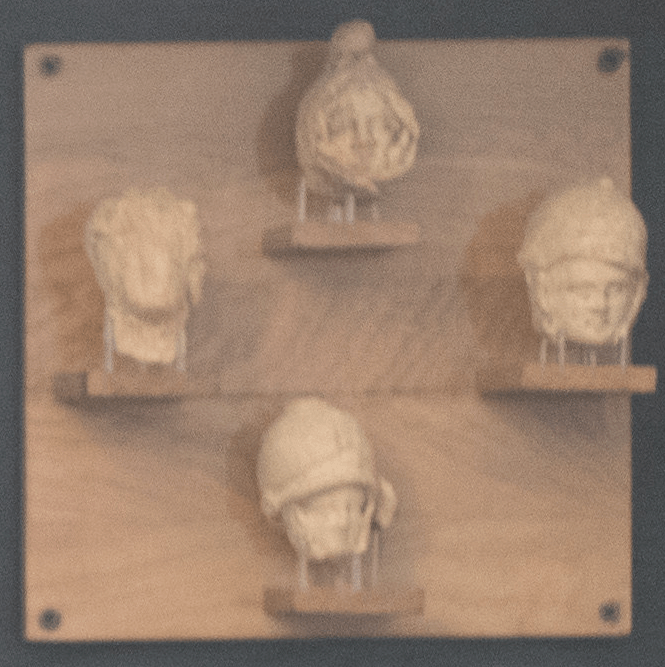
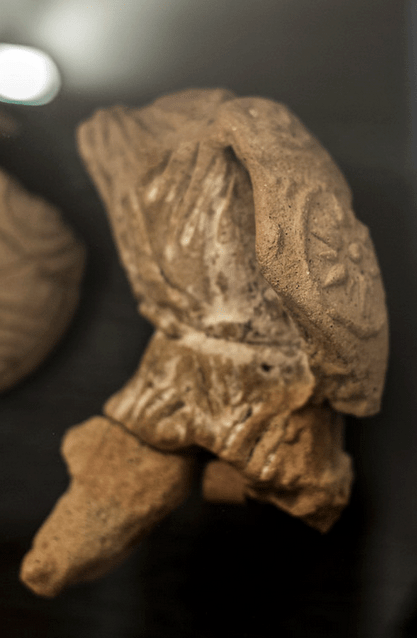
Dan’s photos are always SO good! If you go to his photo stream he has a few more of this same object from different angles. The detail I wanted to record other than just the existence of this object and its location is the center image, which to my eye in this photo looks like three seated women and I’d be tempted to read as a representation of the cult image.
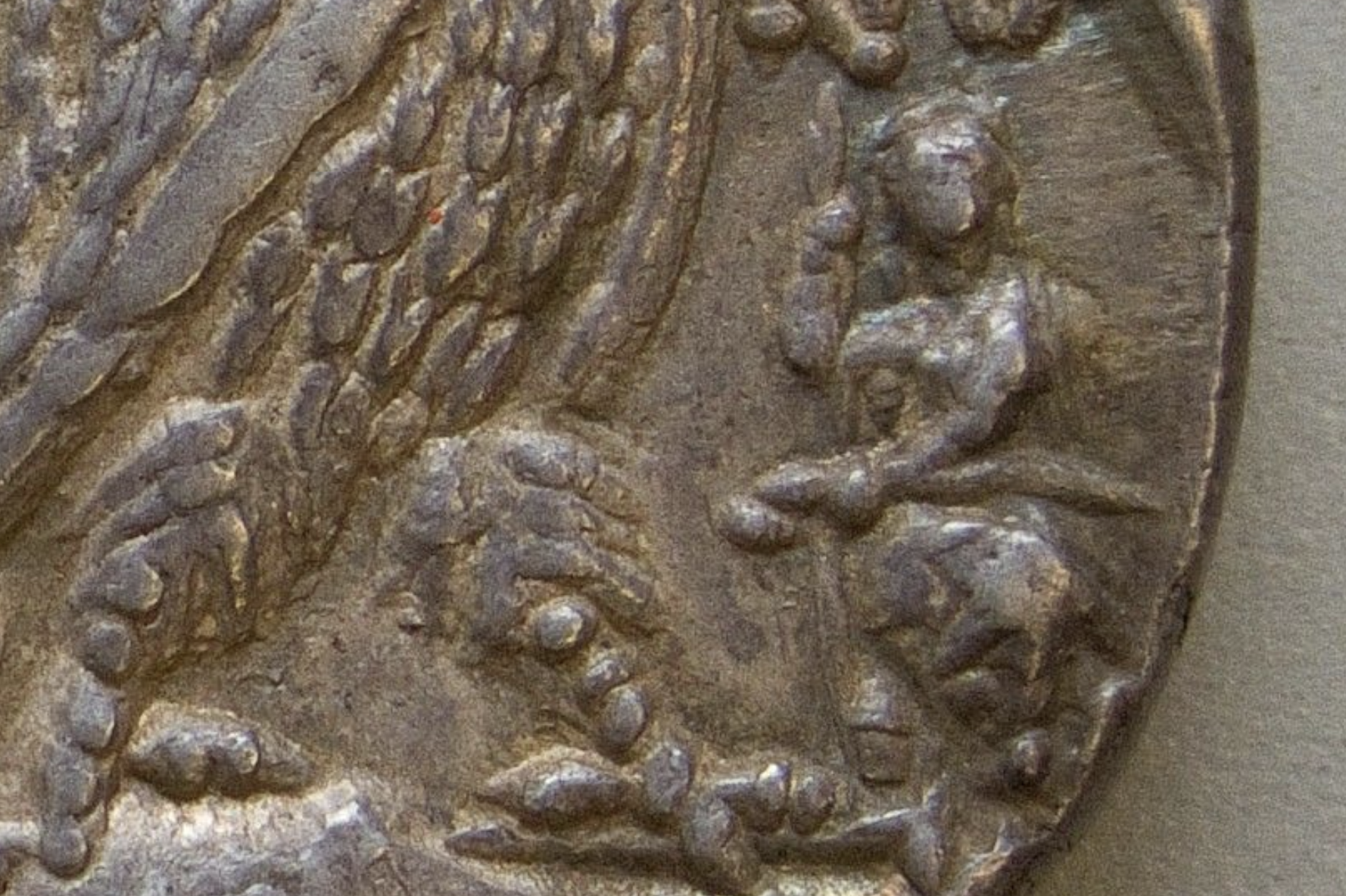
Here’s another detail from another of Dan’s photos at a slightly higher resolution:
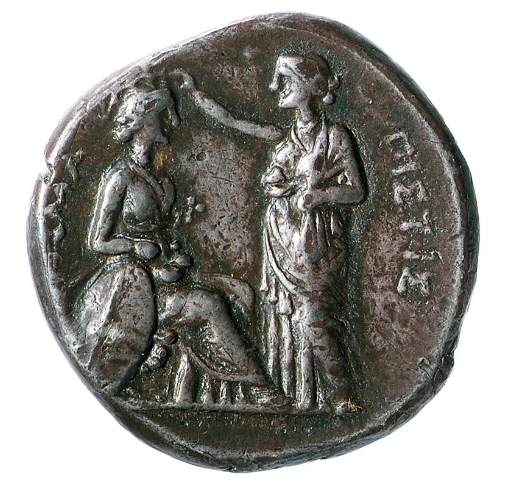
I’m interested in how different (less archaic) this representation is than that on RRC 486/1. I wish I could make out the attributes better on the terracotta model.
Update 23 March 2026:
revisiting this post, I feel I’m seeing new things. Is a child being lifted by the left hand woman onto the lap of the central woman? Is the right hand woman hold a bowl on her lap? Is there something on the bowl? The right hand woman seems to direct her gaze towards the child…
The lower corner details seem to show a naked man wrestling with a beast, similar to the hercules and the lion motif.
ILL delivered that article I mentioned yesterday on lamps in Lake Nemi, nothing really on coins. But, the authors notice a long period of ritual deposits in the lake itself and they consider this separate from the sanctuary of Diana which has a longer period of use (well into third century CE), whereas lamp deposits seem to concentrated and then taper off in the second century CE. They speculate that the deposits might have been a means of communicating with the underworld. Nevertheless I find it tantalizing that they mention coin finds along with the lamps suggesting the coins were also part of such ritual deposits in the lake. I wondered if the coins were also in Museo delle Navi Romane di Nemi as the lamps were there. I took a ‘tour’ of the museum using snapshots posted on Tripadvisor.
Just one shot of the coin displayStratigraphic time line. Notice those coins in the republican era!Hand crank device for bailing bilge waterComponent (reconstruction?) from Caligula’s ships on Lake Nemi, showing the same type of ‘ball bearings’ used in Nero’s revolving dining room
Cesano, S. L. “Scavi di Nemi-le monete.” In G. Ucelli, ed. Le navi di Nemi. Roma, 1940. p. 307-327.
I’ve ILL-ed it.
Yesterday, I sent off Dionysius for editorial feedback. That felt good. I hate how admin/logistics never feels like “real” work. I’m trying how best to prepare for my Rome trip and finally have some firm dates for collecting some more data. I don’t know what it makes most sense to work on until then…Do I start crunching data I already have? Or will that lead me down a primrose path or just make double the work? Perhaps more background reading…
Today
First steps on Aes Grave project
More Italy visit logistics!
More Rutgers coordination !
More Princeton coordination !
EES coordination!
BM communications
Follow up old student/tree sunset
Not Today (but maybe tomorrow, or the day after)
Teaching requests for Fall 2023
Circle back to department about any Jan planning meetings
Book flights
Set time table for any collaborative RRDP work/publication prep that needs to happen this semester: Chicago pub, INC pub, collaboration with RACOM, etc…
Circle back to Capito project
Consider ask for funding from Dean’s office
Begin Med school rec letter
record mini myth
find out what is on that v old harddrive and back up to cloud