Hellenistic Royal Portrait Mosaic

This isn’t a real post.  I’m too busy for a real post.  Everything I’m doing feels a little neglected as I’m doing too much.  HAPPY SEPTEMBER!  but I don’t want to lose this image or refs.

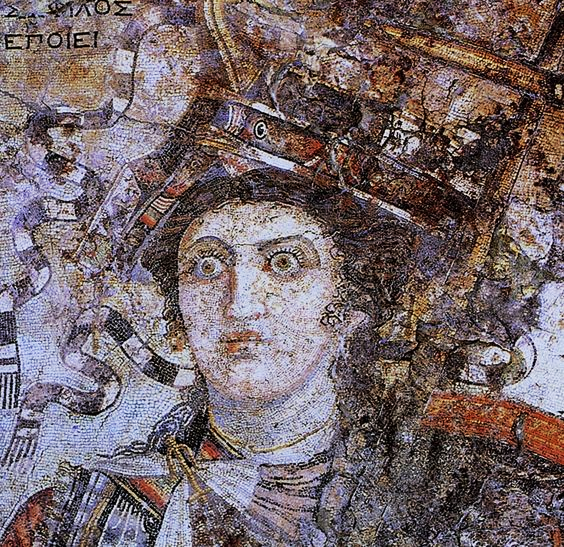
For #MosaicMonday, my second favorite Hellenistic mosaic: the stunning portrait of Berenike II, Queen of Kyrenaika and later Ptolemaic Egypt. She sports a crown made of warship prows and a fibula (brooch) with an anchor, a possible hint at her Seleukid lineage. Naval couture.

From Eduardo García-Molina

Dr. Blouin  argues this is Arsinoe II

2015. Mendès et les reines: reconsidération historique des mosaïques navales de Thmouis (Alexandrie 21739 et 21736), KOUSOULIS, P. and L. LAZARIDIS eds. Proceedings of the Tenth International Congress of Egyptologists, University of the Aegean, Rhodes, 22-29 May 2008, pp.1951-1960.

Hercules and the Muses

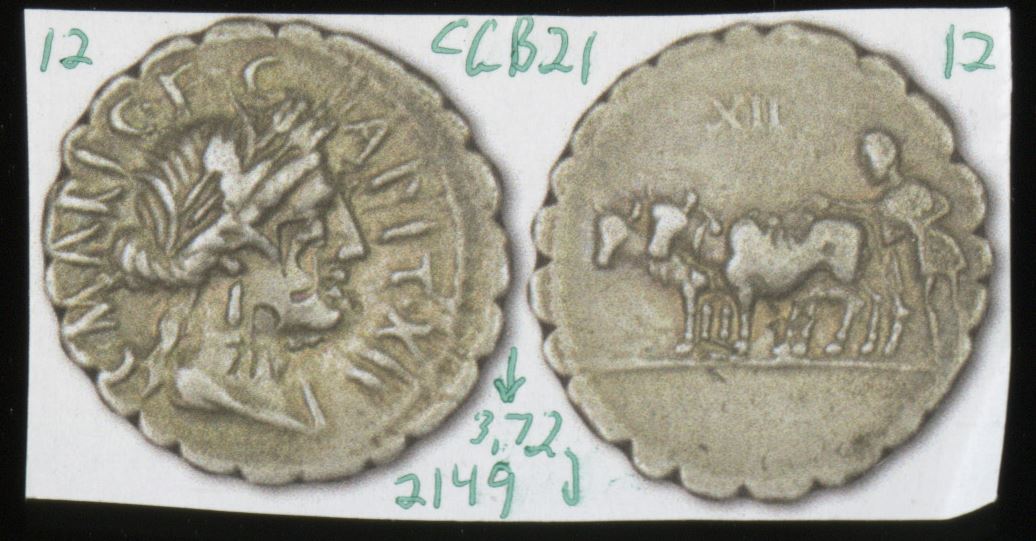
ANS 1937.158.170, RRC 410/1

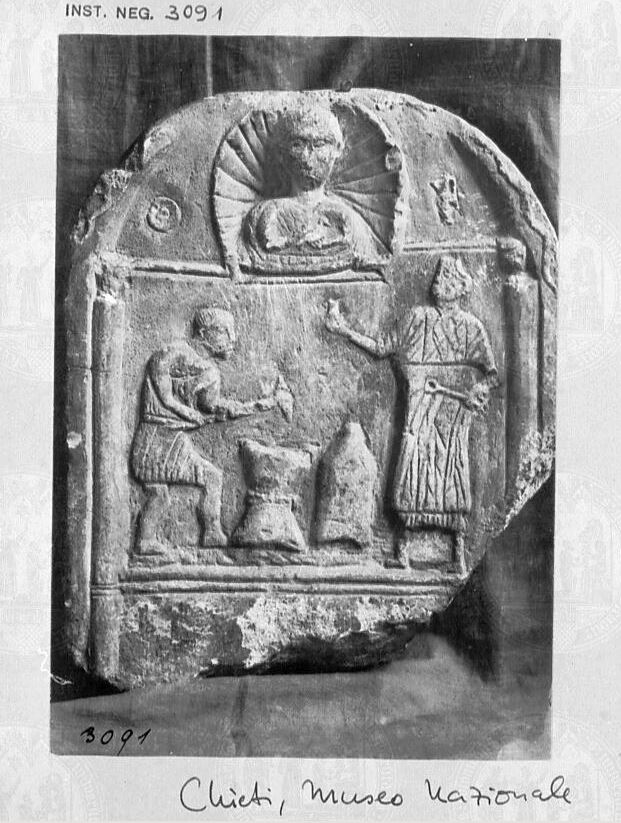
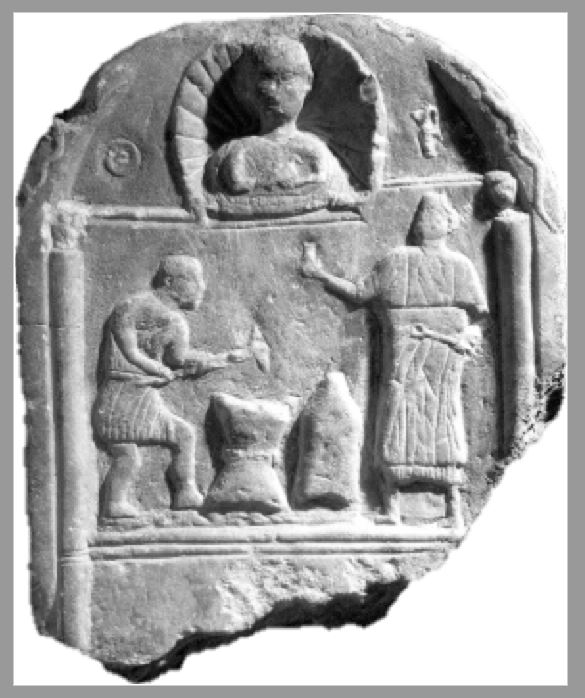
John Ma on twitter offered a translation of this newly discovered inscription:

“I am Maternus, new Herakles, who was best in the Muses and unconquered in the gladiatorial schools. I killed Pasinikos, and myself descended to the underworld with him”

-Tweet from Aug 26
Screenshot of original publication

I just wanted to file this away for another example of Hercules association with the Muses for juxtaposition with coin above.

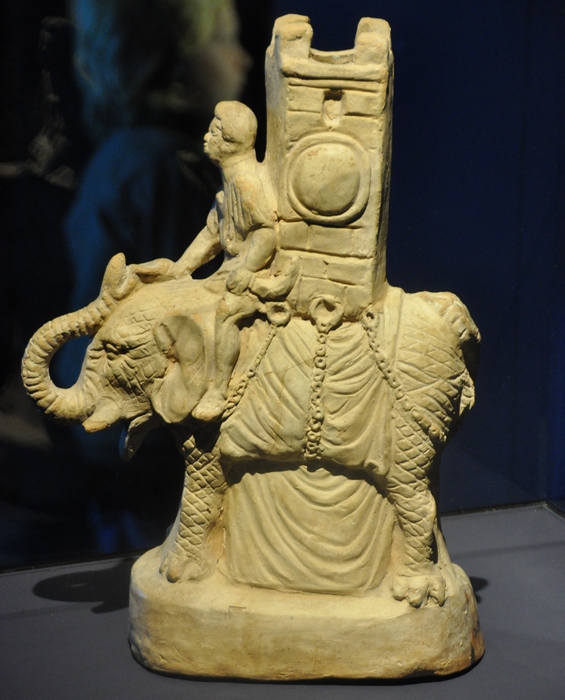
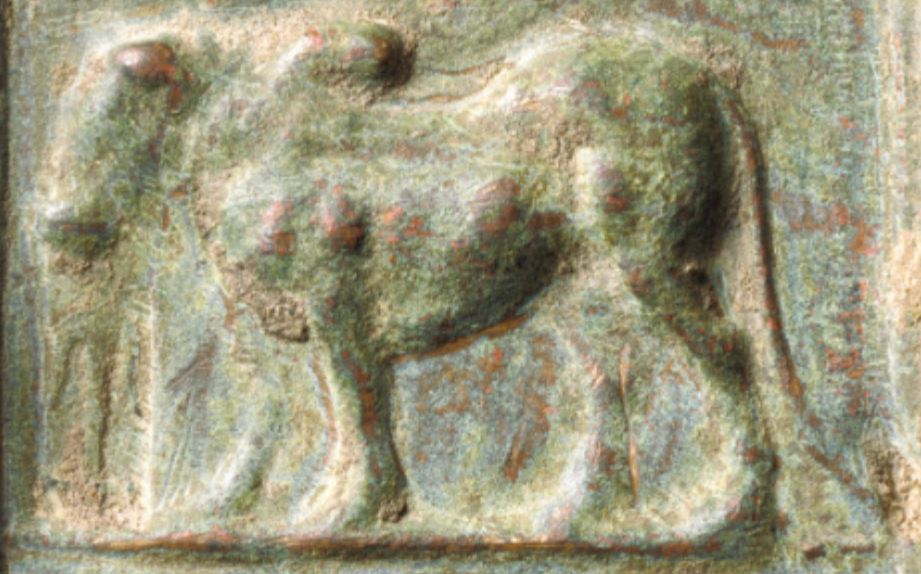
Towered Elephant from Pompeii

Public Domain image by Jona Lendering taking at the Naples museum
Sketch in the public domain

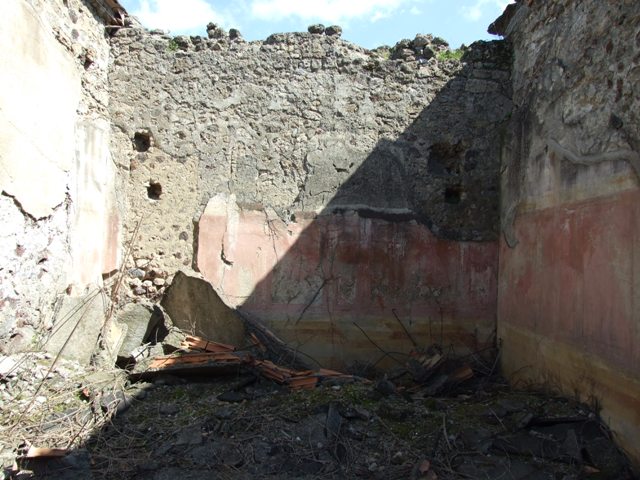
“VI.15.5 Pompeii. Clay figurine of an elephant carrying a tower on its back, 0.35m high incl. base. The figurine served as a vessel for liquid. The liquid was put in through the top of the tower, which was open. See Notizie degli Scavi di Antichità,1897, p.25, fig. 3. It was found in October 1895 in or near the garden niche, together with a group of other objects. See Notizie degli Scavi di Antichità,1895, p. 438. According to Jashemski, this was also a jug, and was now in the Naples Archaeological Museum, inventory number 124845, Ruesch 442. See Jashemski, W. F., 1993. The Gardens of Pompeii, Volume II: Appendices. New York: Caratzas. (p.155)” – quoted from Pompeii in Pictures

Included for angled view

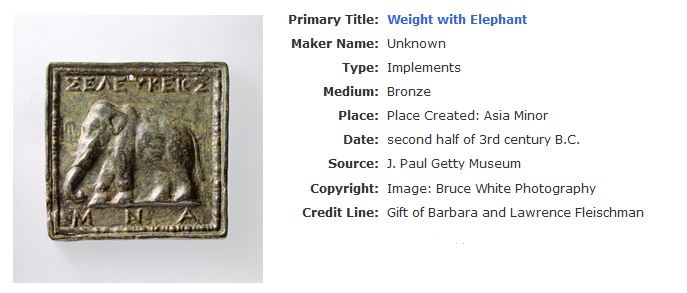
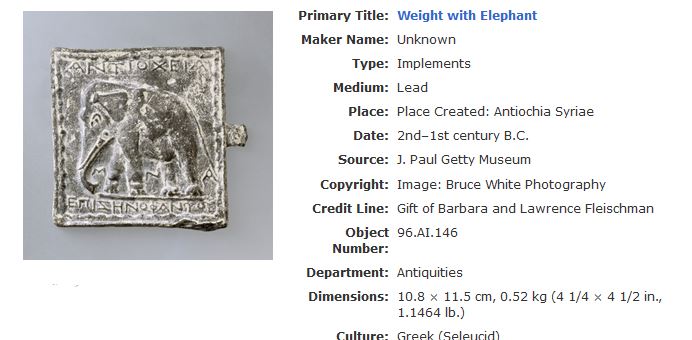
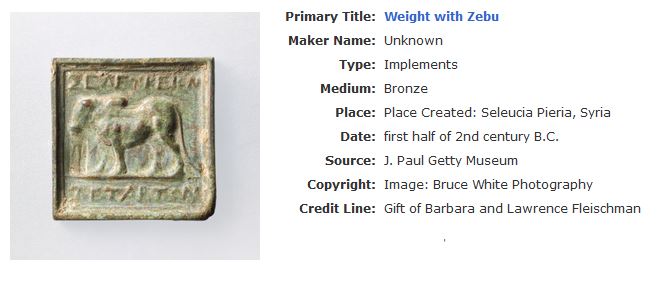
Seleucid Elephant weights in the Getty

No certain provenance pre- 1988.  :-/

But some reported rough find spots…

Just saving for later with this post.  I want to think more about these at some point.

Getty Catalogue

Capture2

Entry in Pondera

Capture1

Capture14

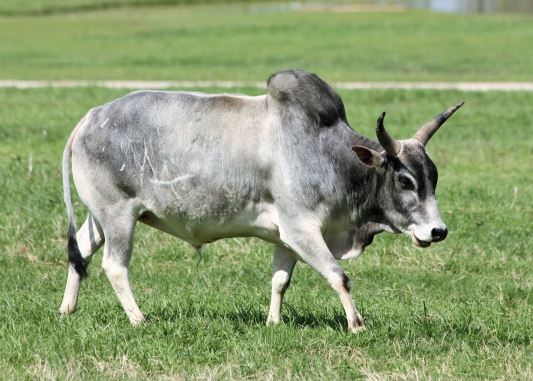
Also I don’t believe this last is supposed to be a Zebu or Brahma Bull…  Looks too much like a badly drawn elephant esp a mash up of African and Indian features….

Capture

I grant you the hump looks vaguely like this a zebu hump but creature on weight has trunk and also domed scull and curved back and NO HORNS.

Capture

Frankly I’ve my doubts about its authenticity….

Must thank Eduardo García-Molina on Twitter for bringing these weights to my attention.

UPDATE! I should think more about Zebu Bulls on Seleucid coins which is a thing at Antioch on the Meander!


Noah Kaye commented:

“On metrology, there’s been a lot of work by Kushner-Stein and Finkielsztejn on Seleukid weights. I wonder where these fit into F.’s theory (no enshrined in a narrative in this big article by Honigman et al. in a vol. on Antiochos III from a few years ago) of a major reform in the time of Antiochos IV.
Finkielsztejn, G. “Poids de plomb inscrits du Levant: une réforme d’Antiochos IV?” edited by M. Sartre, 35–60. Topoi Suppl. 8. Lyon: Maison de l’orient méditerranéen, 2007.”

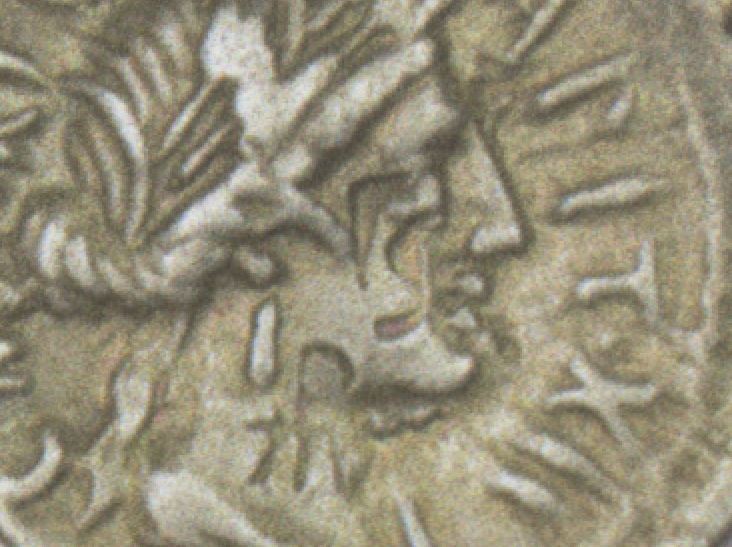
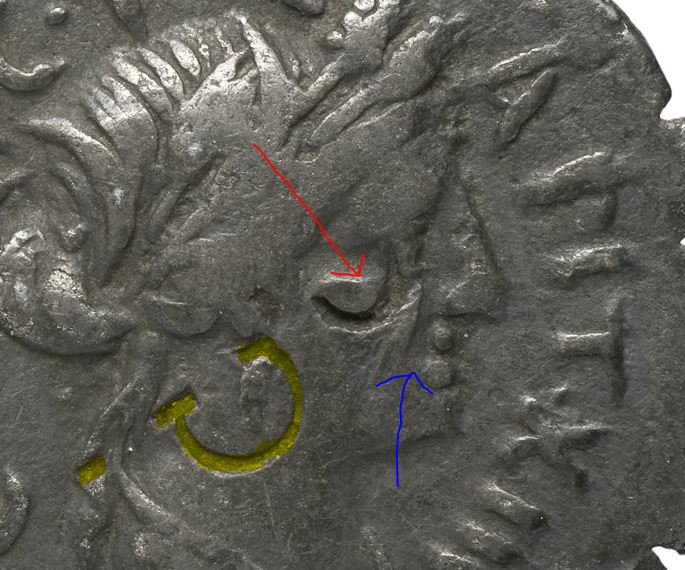
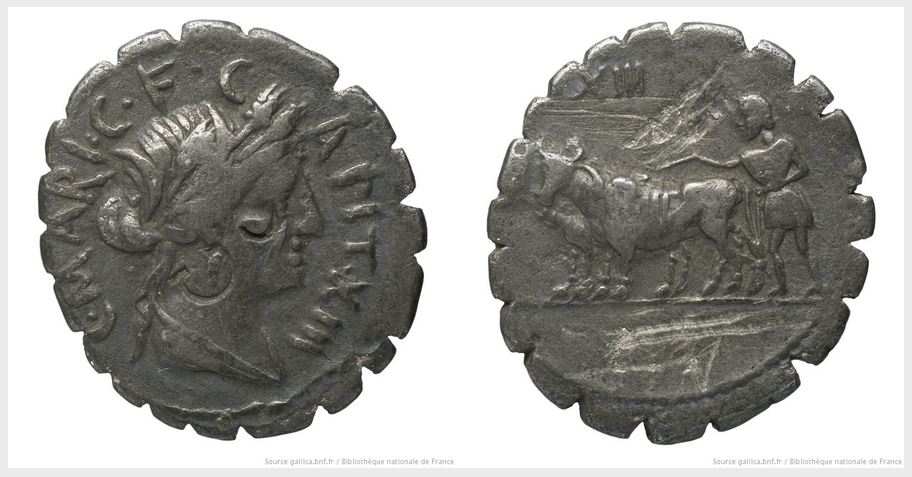
Odd countermark?

What’s been stamped on the face of this specimen of RRC 378/1a?  We saw a weird S very recently on this blog and in the land of twitter, but I don’t think this is the same…

Capture2Capture1.JPG

Ideas welcome. Doesn’t look much like a test punch to me….

This is not an ‘S’ but it also doesn’t look like a test mark.  The specimen is in Paris.  Red is clearly a test punch.  Blue might be a test gouge.

Capture1.JPG

Capture2

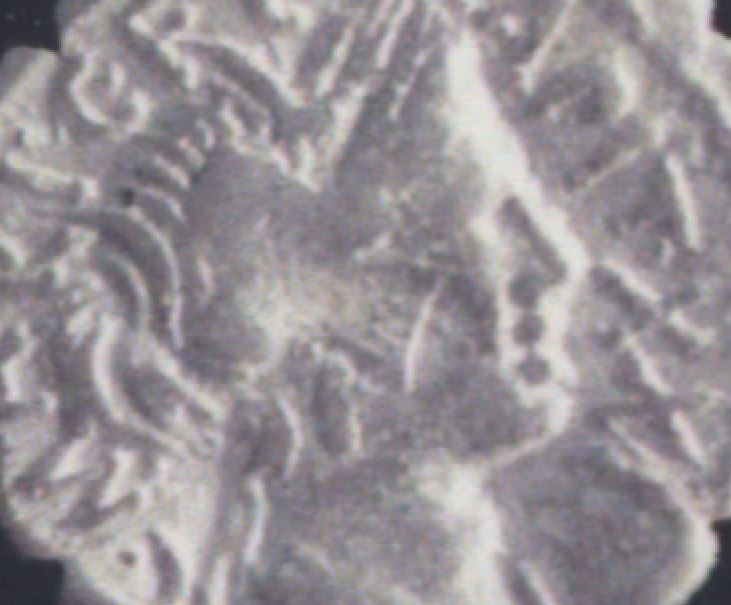
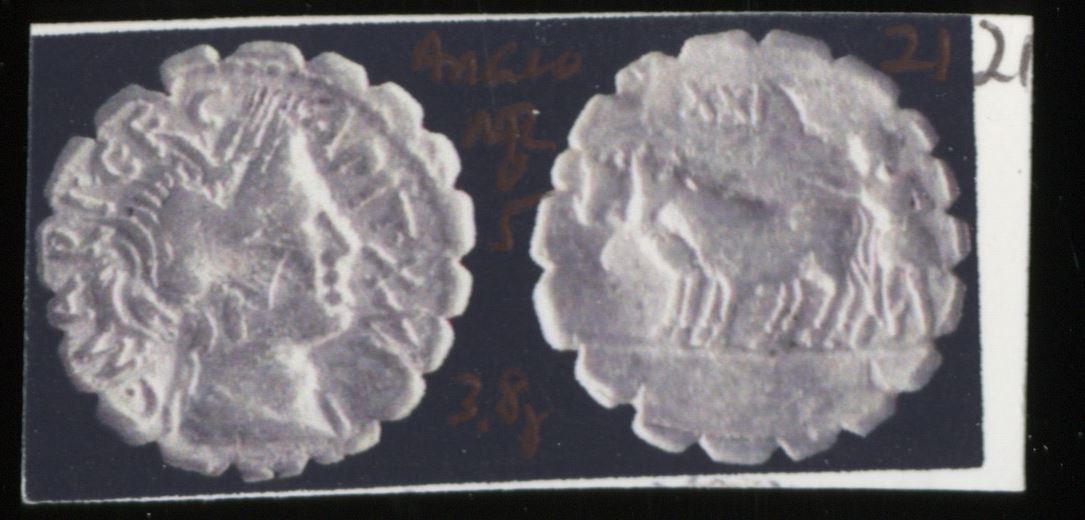
This is something different again but odd as well.  Bad photo but seems Sigma shaped.

Capture1Capture2


ALL of Schaefer’s Analyses NOW ONLINE

Capture.JPGThe first release of Schaefer’s die study (RRDP) was just the binders.  NOW you can see all the analyzed specimens!  All digitized clippings have been uploaded to Archer, the ANS archival portal, in batches of 100 Crawford numbers.  Again, using CRRO is the best way to find the images of a type.  Just like you’d do to find a specimen in the Binder (direction here), you just go to the bottom of the CRRO page and click the link to Archer.

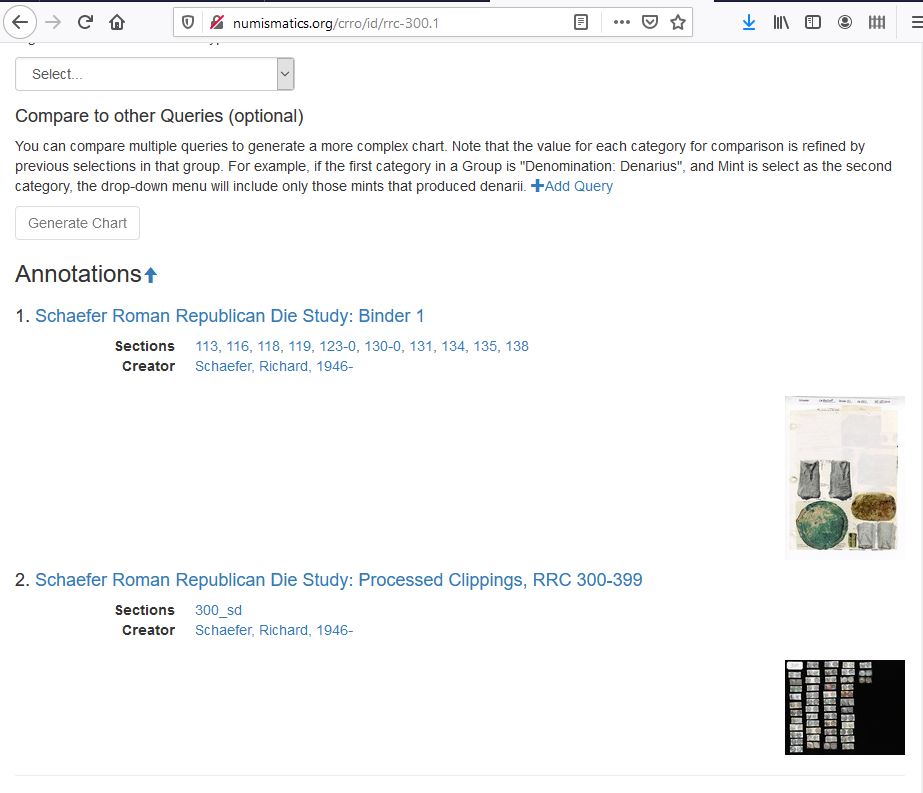
[Using RRC 300/1 as an example.]
Capture

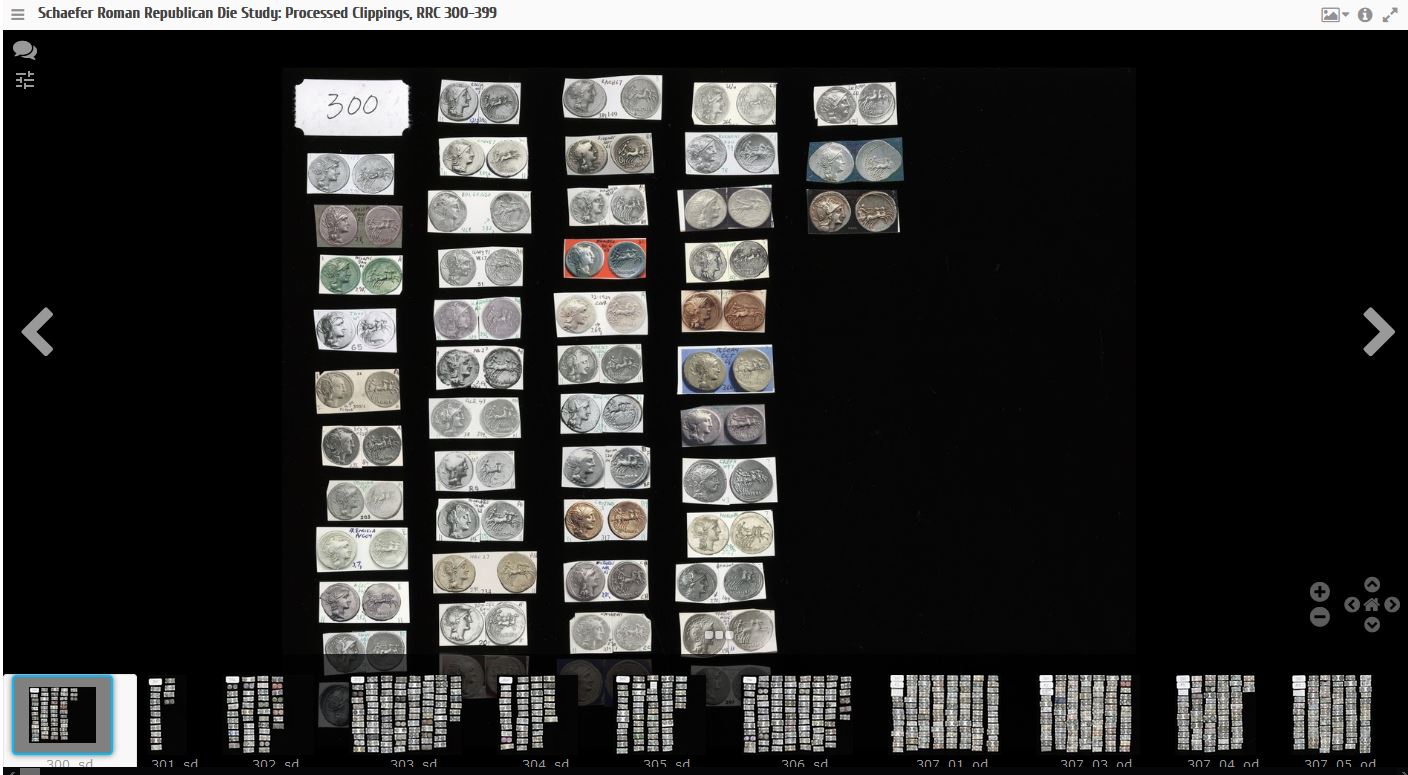
Processed clippings means that they represent photographs of die-analysed specimens that for MOST issues represent dies are already illustrated in the binders.  Typically Schaefer left the two specimens that best represented a die in the binder and then placed the rest in his drawers (output).

To scan the drawers Dr. Richardson dealt out the images with the first image in the drawer at the top left corner of the scan and then down in a column before then starting an new column.  This allows you to reconstruct a drawer.  Some types took more than one scanner page.  You will need to consult the binders for the die study, in particular to match die names in the processed clippings to the die names on specimens in the binders.Capture.JPG
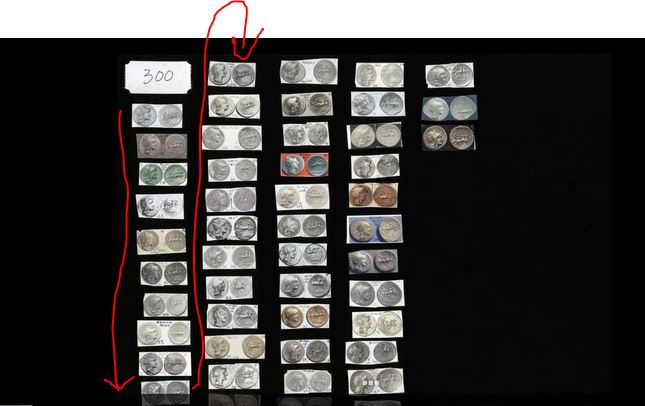
The exception to all this is ODEC (One Die for Each Control Mark).  These types are only processed clippings and do not have corresponding pages in the binders.  For example, you might check out my favorite, Papius (RRC 384/1).

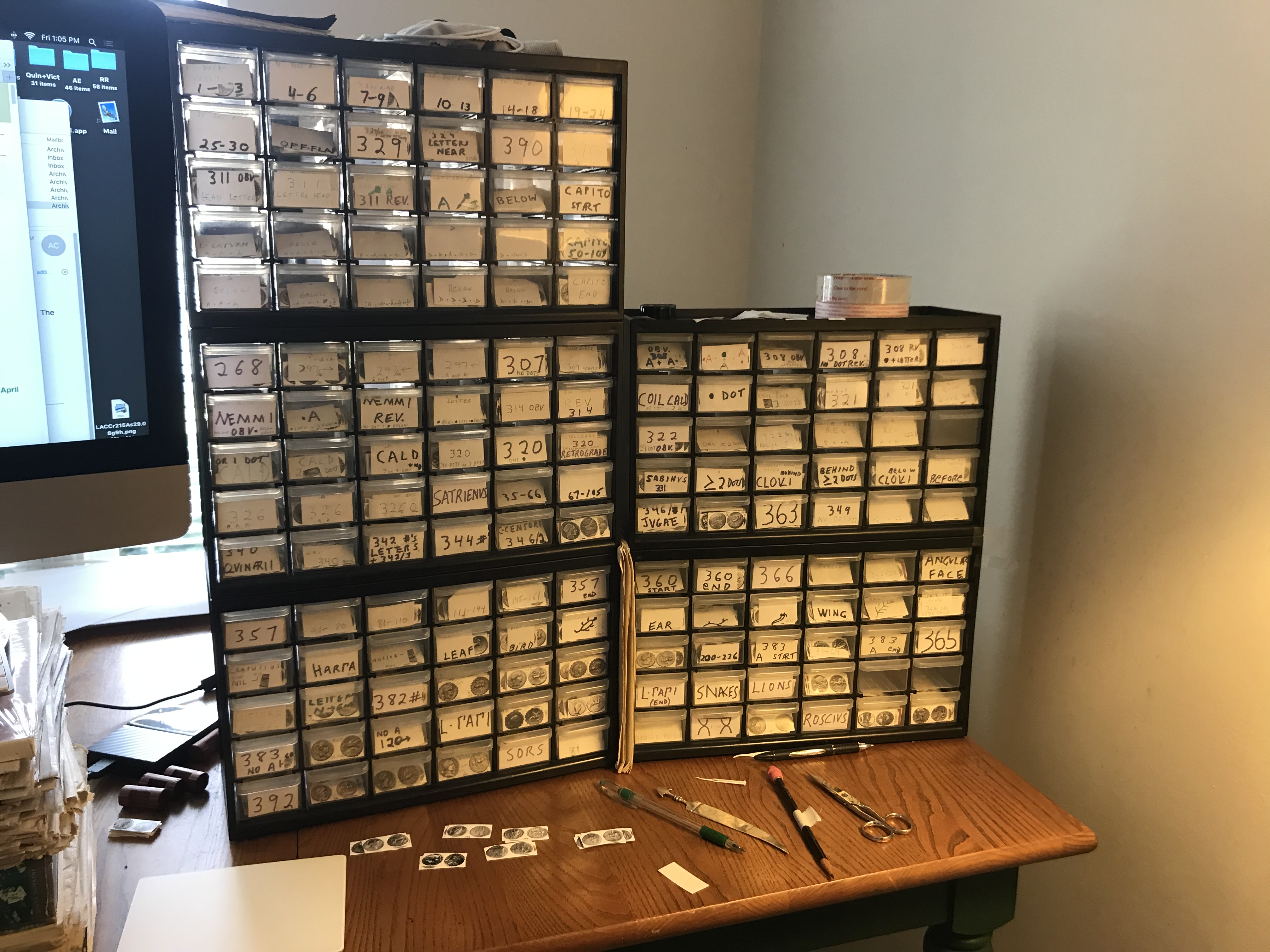
For ODEC the order that the images are laid out in the scans are the die study.  The die names are also labelled and should always be double checked against layout.  (Human error is real, esp. in a project of this scale)
2019-03-15 13.05.58

Is that it?  Has Schaefer’s archive given up all its treasure?  Sadly no.

Schaefer has thousands and thousands of un-analysed (prepossessed) clippings only a very small fraction of these could be scanned because of time constraints.   Dr. Richardson did put together a spreadsheet documenting the extent of this collection.  The clipping are organized by type, just not die organized.

Things to expect in the future.

A full finding aid to the collection incorporating and refining much of the preliminary information archived here on my personal blog in draft form.

Disambiguation to improve links on CRRO.  Schaefer did not always use Crawford’s subtypes (a, b, c…) and this means that it is more difficult to create links from CRRO pages that follow Crawford to the right Schaefer pages.  HOWEVER, just because you don’t see a link in CRRO doesn’t mean there aren’t pages in Schaefer’s Archive.  It more likely means we’ve not yet manage to create the links.  I welcome emails to help identify these types.  For clippings you can easily find these yourself, but if you cannot locate the right binder, I’m happy to provide this service.

Have a question?  Check here first.  If that doesn’t answer it just email me!

With deep gratitude to Ethan Gruber for making this release possible!

Also because in the digital age utility is measured by clicks, if you found this interesting please open at least one page of Schaefer’s work in Archer.  This helps us demonstrate public engagement with the project.


Goddess of What?! Fun Vocab

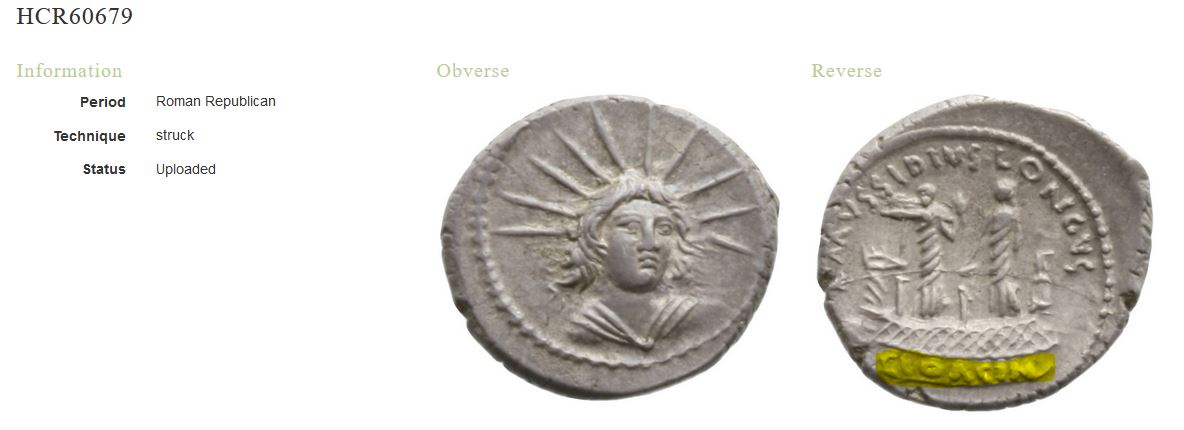
Venus Cloacina or Venus of the Sewer, has appeared on this blog before.
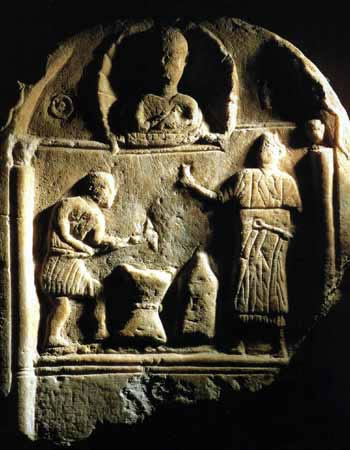
CRRO refs to different types with relevant reverse.


Capture


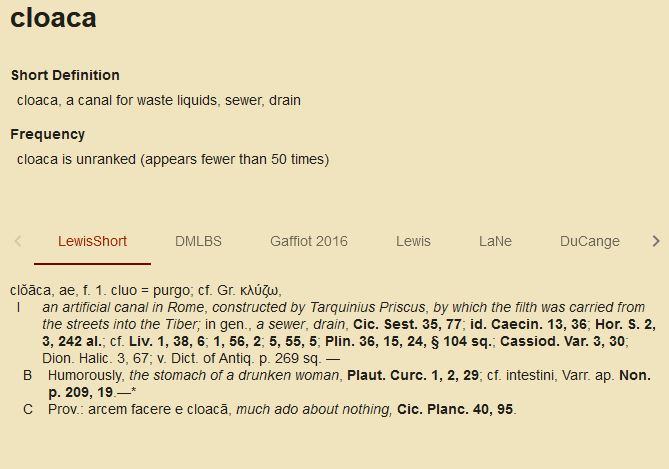
This specimen got me thinking in a prurient way about what fun it might be to explore ancient uses of cloaca and its modern usages.

Capture

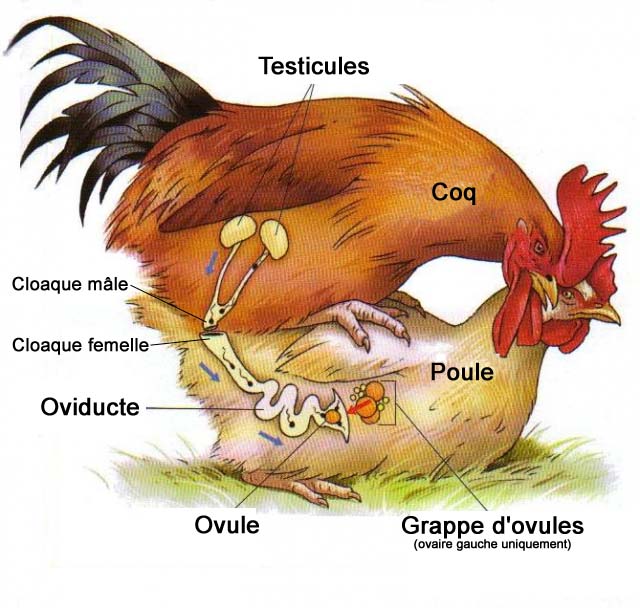
I’ve an immoderate interest in chicken sex which is called the cloacal kiss.

1460339989326

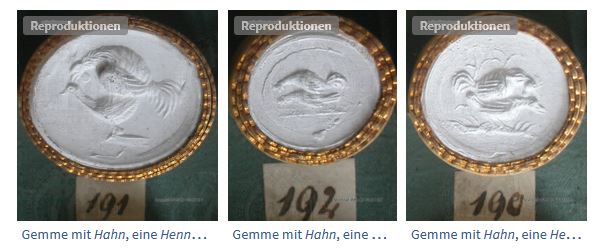
I blame my interest on the bad influence of Roman intaglios which regularly show this act (which the intertubes tell me are pretty realistic representations):

Capture2

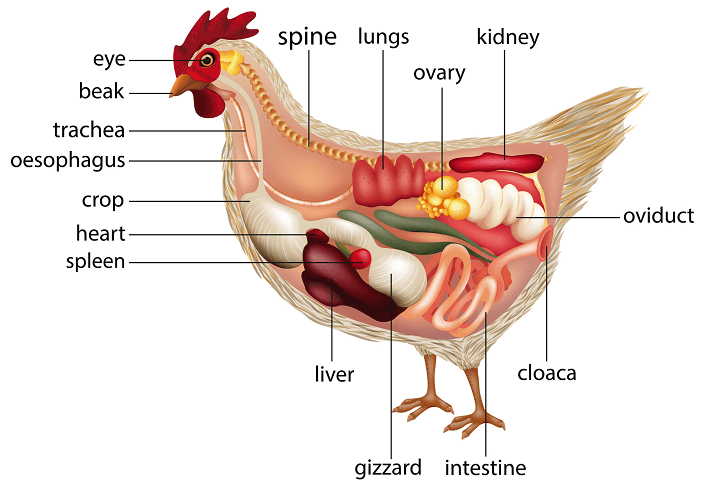
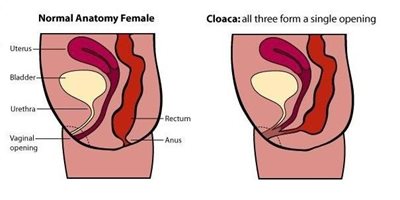
In anatomy cloaca means one hole out of which everything comes, both digestive waste and reproductive products….

chicken-digestive-system

Which leads to this relatively common non-normative anatomical development that is usually corrected by surgery in humans:

cloaca_fig-1

What Greek and Latin Roots student wouldn’t want this lesson?!

I thank a colleague on twitter for adding this comicto my list of modern uses of the term.