
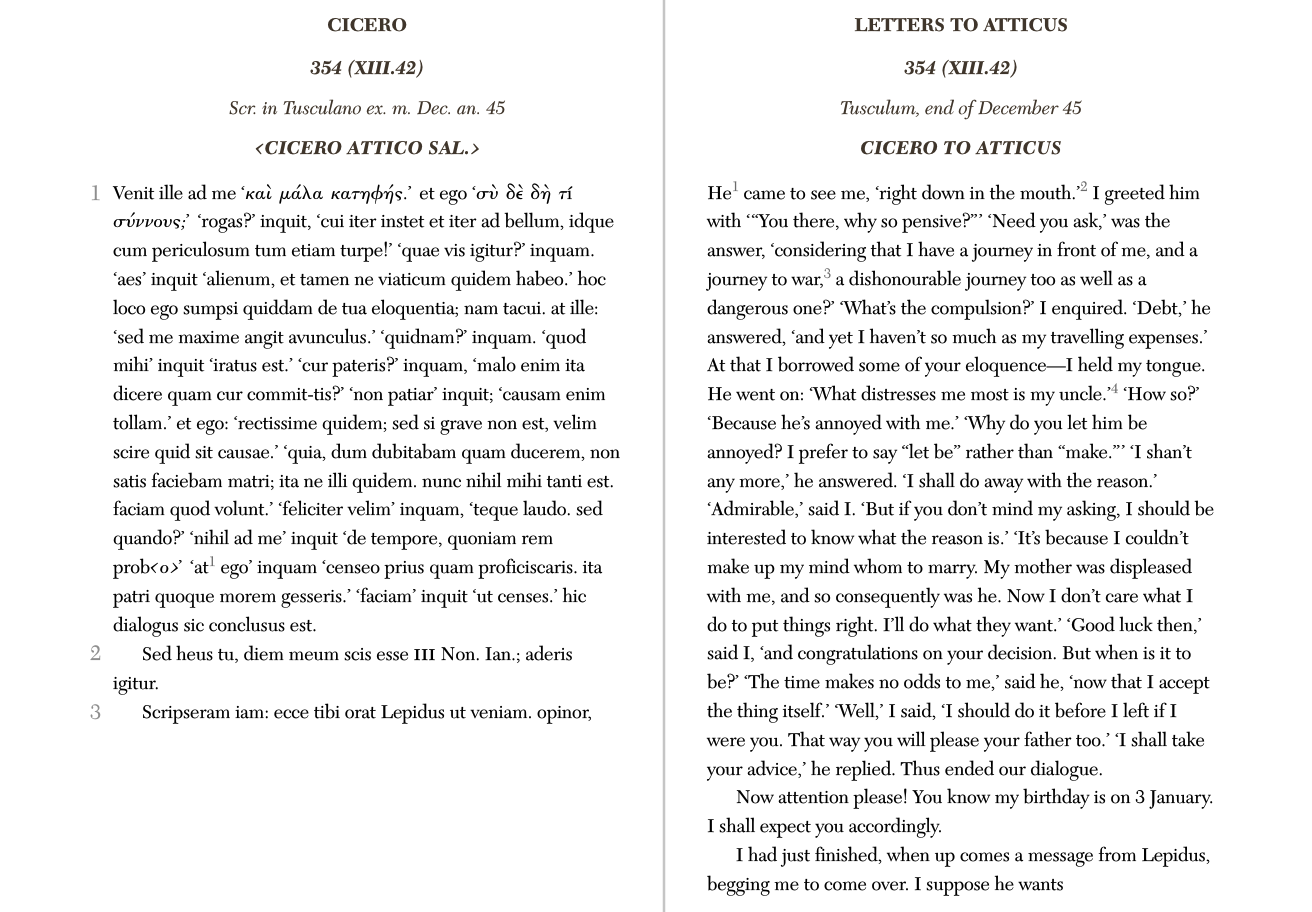
I was consulting an old blog post for another footnote and noticed this funny command from Cicero to get money from Moneta to let him take a reasonable sum with him as he travels to join Pompey.
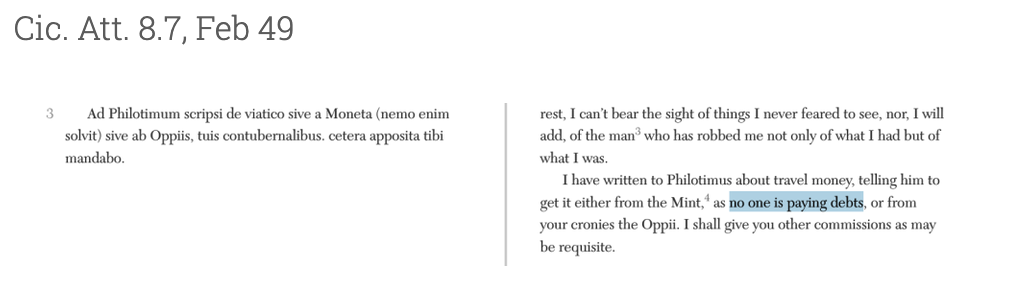
I of course went first to Shackleton Bailey’s commentary which pointed me to his fanciful restoration of Att. 15.15 with another reference to Moneta and the idea that the temple served as a bank.
Luckily Woytek 2003 has sensible things to say correcting this view and others.
I still feel I’m not positive that I understand what is going on in the passage. First we need to remember that Philotimus is deeply in debt to Cicero, cf. Att. 7.3.7 Dec 50. So it may be a statement that he needs to pay up at whatever inconvenience be it divine intervention or extortionate usury. I think this is my preferred explanation.
“I don’t care your debtors aren’t pay up, Pray to Moneta, As I will extract mine from you come hell or high water”
Another possibility is that Cicero has some thought of taking fresh coin in some official capacity granted or presumed to have been granted by Pompey or the consuls etc. Pompey withdraws from the area of Rome in late January. The consuls sail to Greece 4 March, Pompey 17 March. Caesar summons a senate meeting on the outskirts of Rome 1 April and shortly there after before leaves for Spain. In the interim he seized the public treasury. For dates and sources see Attalus
Many had spoken in favour of a massacre: and Caesar himself was not by nature and inclination averse to cruelty, but he thought that mild measures would win popularity. But, if he lost popular favour, he would be cruel. He had been put out when he found that he had offended the populace itself by seizing the treasury: and so, though he had fully made up his mind to harangue the people before leaving, he had not ventured to do so, and he had gone off in a very disturbed state of mind
Att. 10.4.8
So there was still coined money to be had from the government, but this seems more outlandish an explanation as the viaticus (travel fund) is clearly personal.
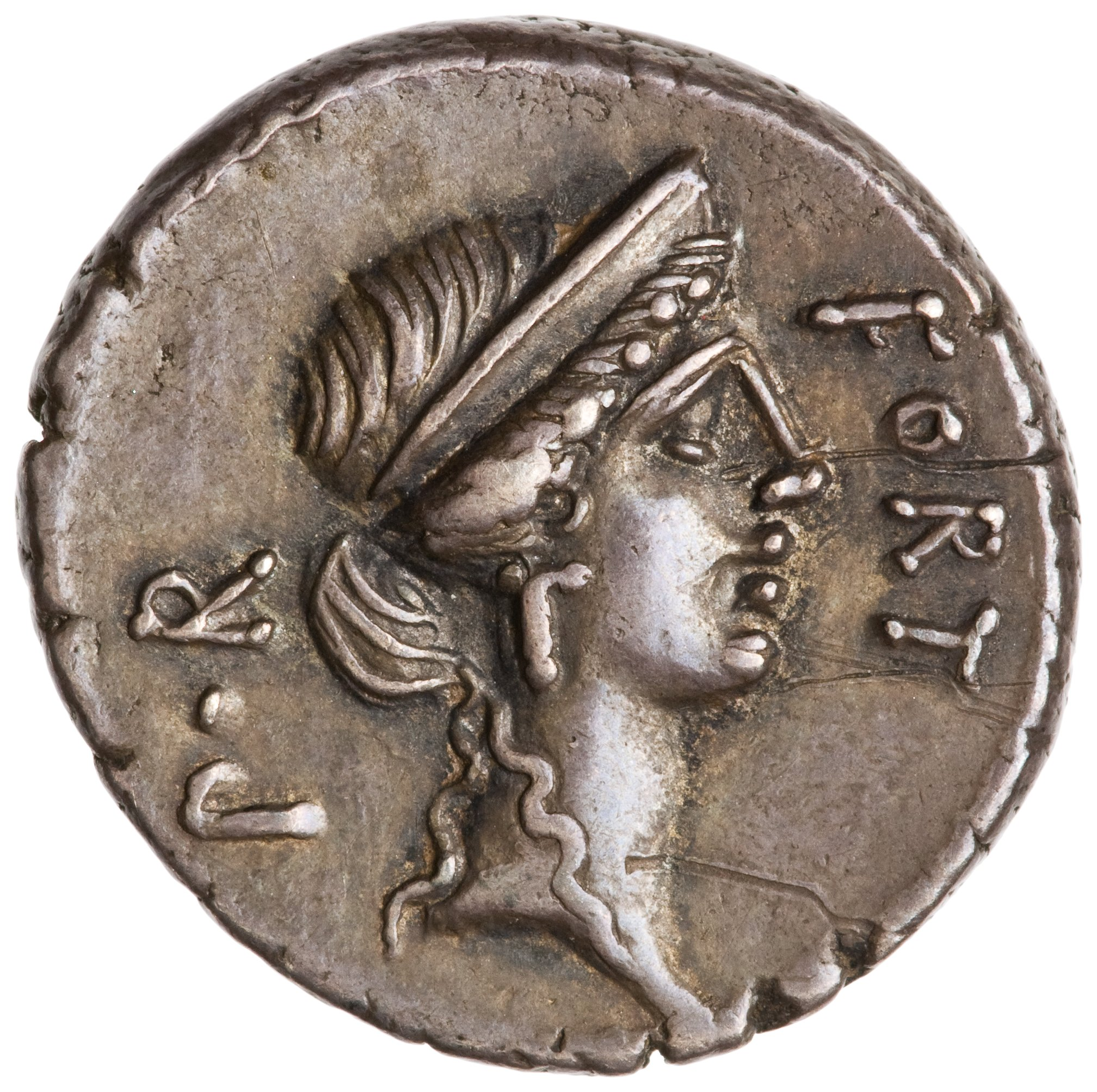
Below is the last Pompeian issue struck by the Roman mint before they left the city and eventually Italy.
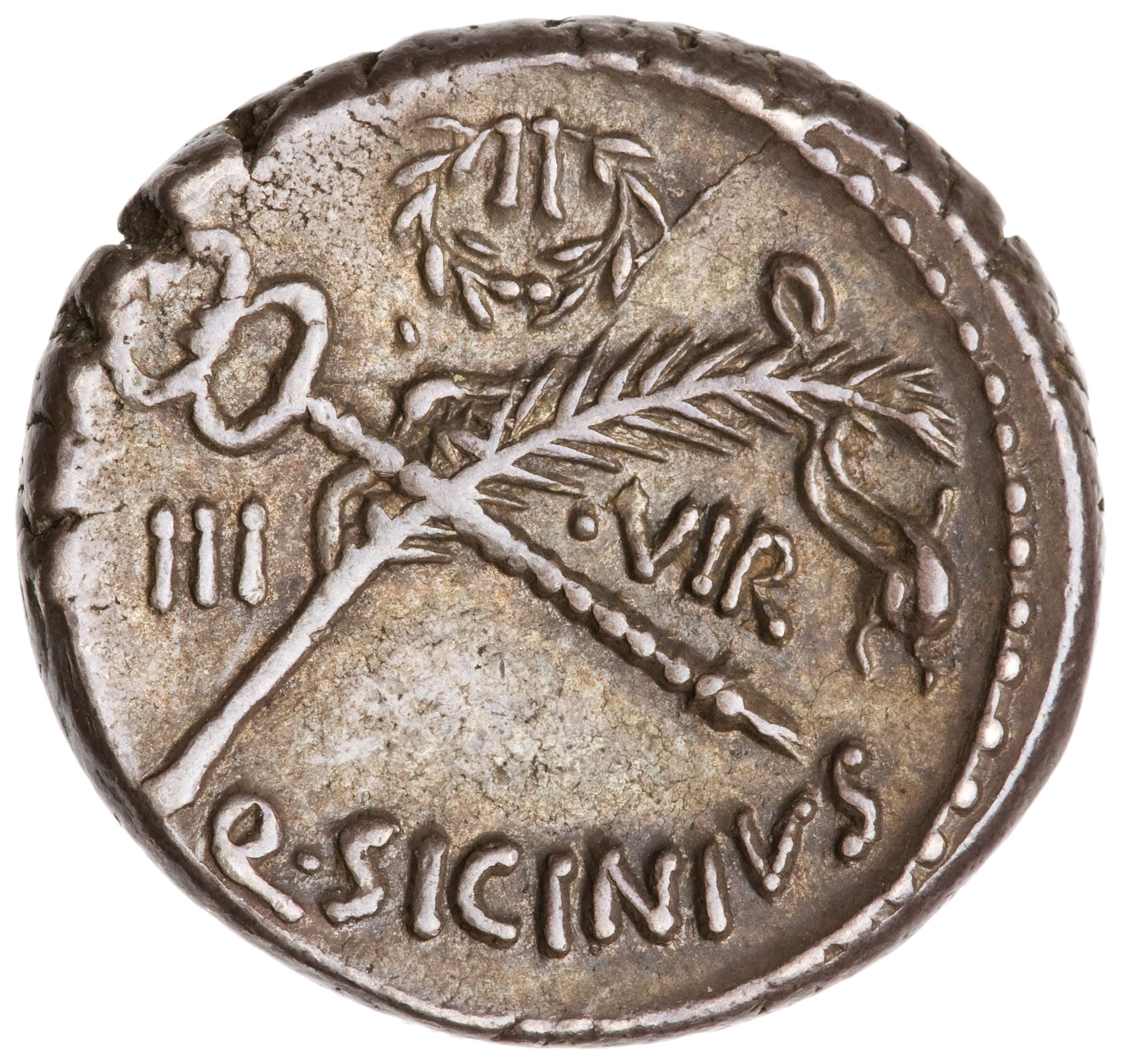
After Caesar’s arrival another Moneyer begins striking on his behalf at the Roman Mint:
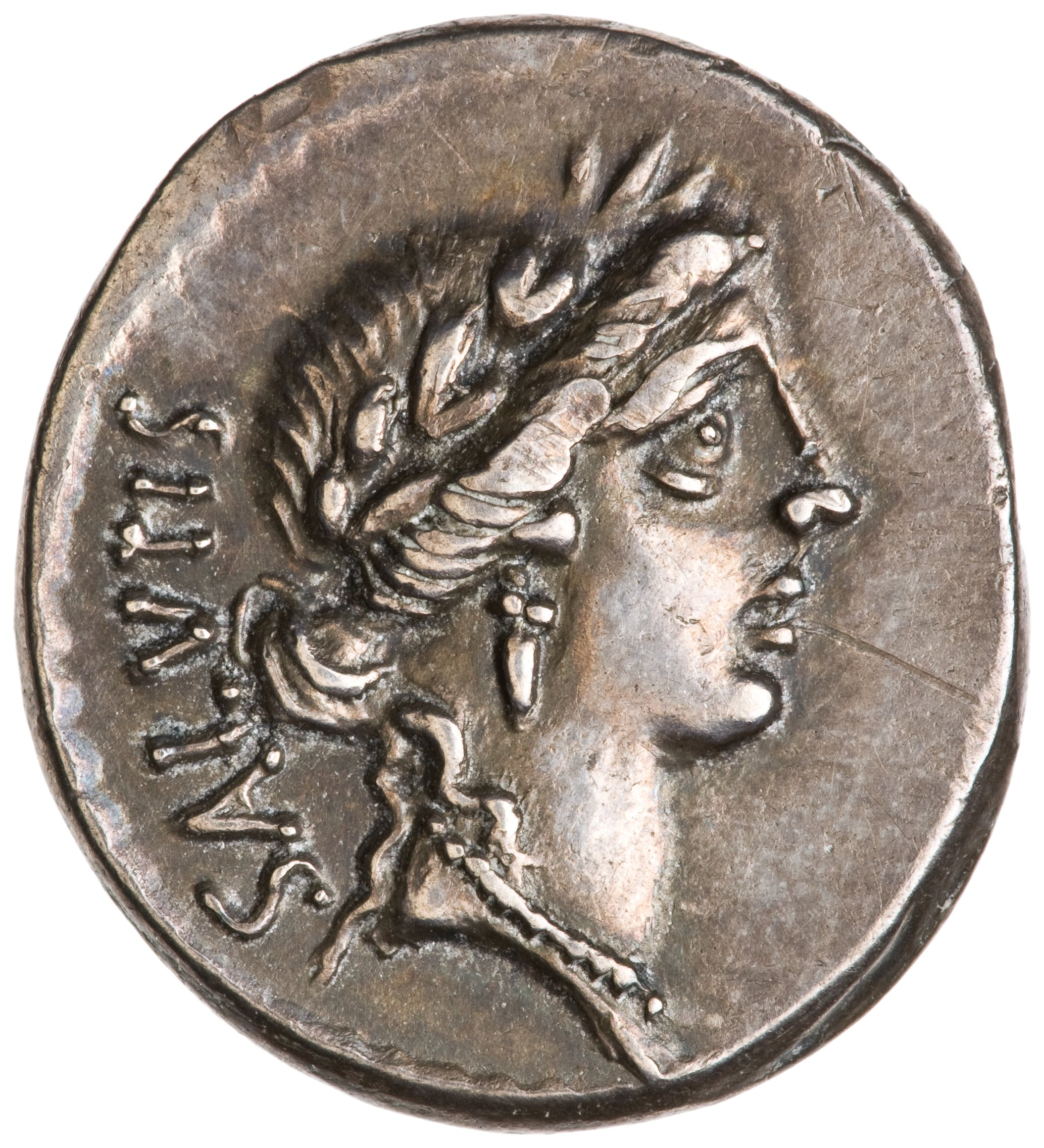
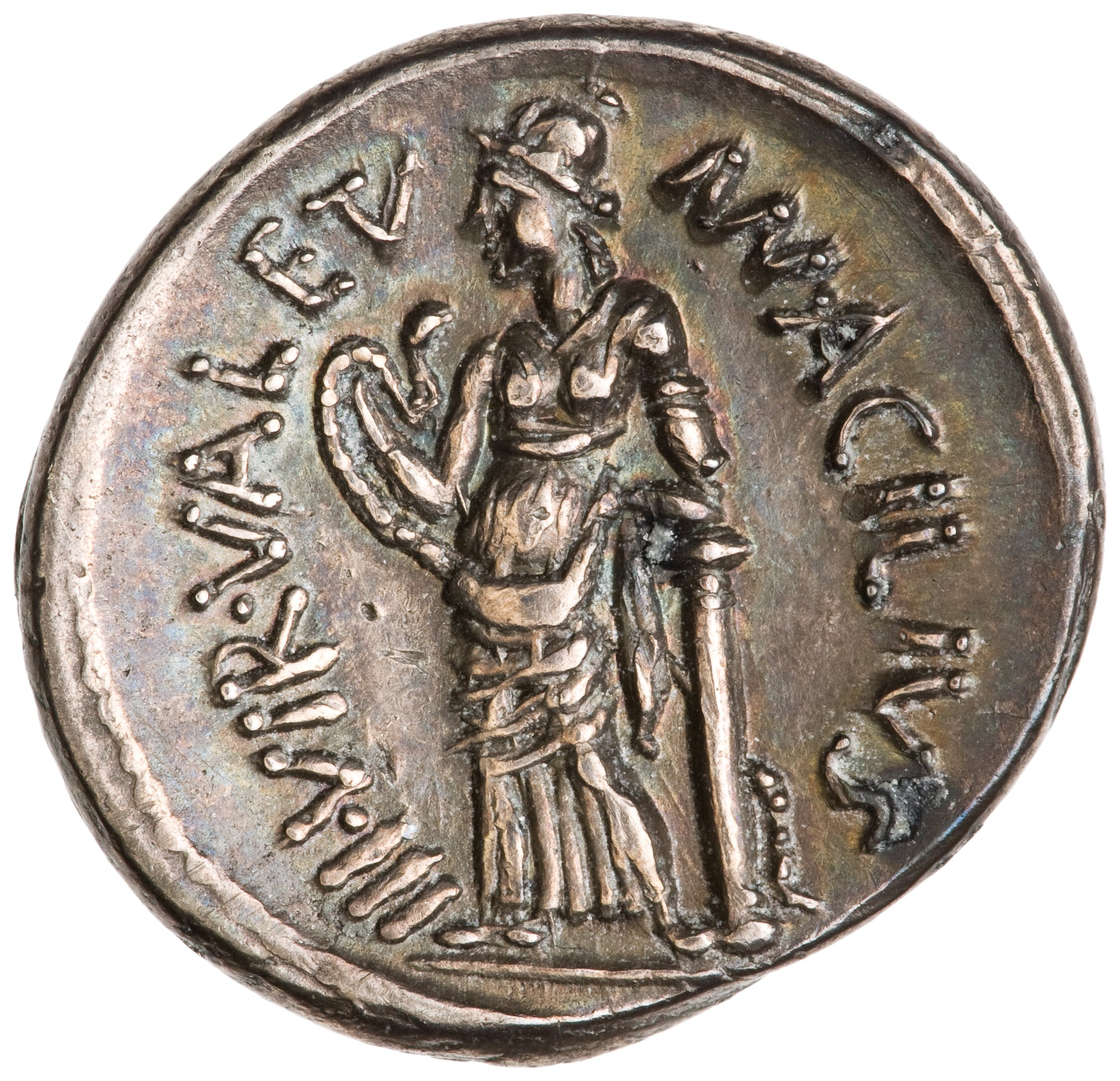
In this chronology I follow Woytek 2003: 95ff.
And for fun notice the graffiti on both obverses in the field to the front of head, the second coin is in the form of ‘speaking lines’ . I thought I had a post on this but my searches are coming up empty.
No one seems to have read Woytek who is discussing this passage. A shame.
Foraboschi, Daniele. “Free coinage e scarsezza di moneta.” In Credito e moneta nel mondo romano, pp. 231-244. Edipuglia, 2003. [I own book] See p. 233-234 for discussion . (probably didn’t have access given publication date)
Ditto
Silver, Morris. “Finding the Roman Empire’s disappeared deposit bankers.” Historia: Zeitschrift für Alte Geschichte (2011): 301-327. see page 316-317. [pdf on file]
Both would have found Woytek helpful to untangle their concerns.
Other uses of Viaticus
Cic. Flac. 14-15.
He also used the device of frightening those who did not wish to leave home by issuing a witness-summons and those who were bankrupt he got moving with a liberal and generous travel allowance. So this talented young man prevailed upon the wealthy by fear, the poor by the offer of a reward, the stupid by deception.
Adiunxit illa ut eos qui domo exire nolebant testimoni denuntiatione terreret, qui domi stare non poterant, largo et liberali viatico commoveret. Sic adulescens ingeni plenus locupletis metu, tenuis praemio, stultos errore permovit;
cf. 18 were it is clear the funds for the travel allowance are taken from public accounts
Cic. Planc. 26.
The colonists of Minturnae rescued Gaius Marius from those traitorous hands that lifted the sword against the state; they gave shelter and repose to his starved and storm-tossed limbs; they contributed to pay the expenses of his voyage; they provided him with a ship and, as he left the land he had preserved, they bade him farewell with tearful prayers and blessings.
Cic. Fam. (Cassius) 12.3 (Oct 44 BCE)
As a specimen of their behaviour in general, take the fact that they have deprived your Legate of his travelling allowance. What do you suppose they imply by that? Presumably that the money was being conveyed to a public enemy.
Cic. Att. 7.18 (Feb 49 BCE)
My brother Quintus is much concerned to pay his debt to you through Egnatius, nor does Egnatius lack the will and he is sufficiently well off. But considering the times are such that Q. Titinius, of whom we see a good deal, says he has no money for travel expenses and has informed his debtors that their loans are to be extended at the same rate (a step which L. Ligus is said to have taken too), considering too that at the present time Quintus does not have the ready cash and cannot get it out of Egnatius nor yet borrow it in any quarter, he is surprised that you have not made allowance for this general stringency. As for me, I like to follow the maxim, attributed (wrongly, as is thought) to Hesiod, ‘judge not a cause . . . ,’ especially in your case, for I have never known you do anything without good reason. But still I have some sympathy with his grievance. I wanted you to know, be it as it may.
Cic Att. 15.20 20 June 44
equidem video mihi quoque opus esse viaticum; sed id ex praediis ut cadet ita solvetur, mihi autem opus est universo.


. . . D. YARROW
.
Great photographer! No relation.