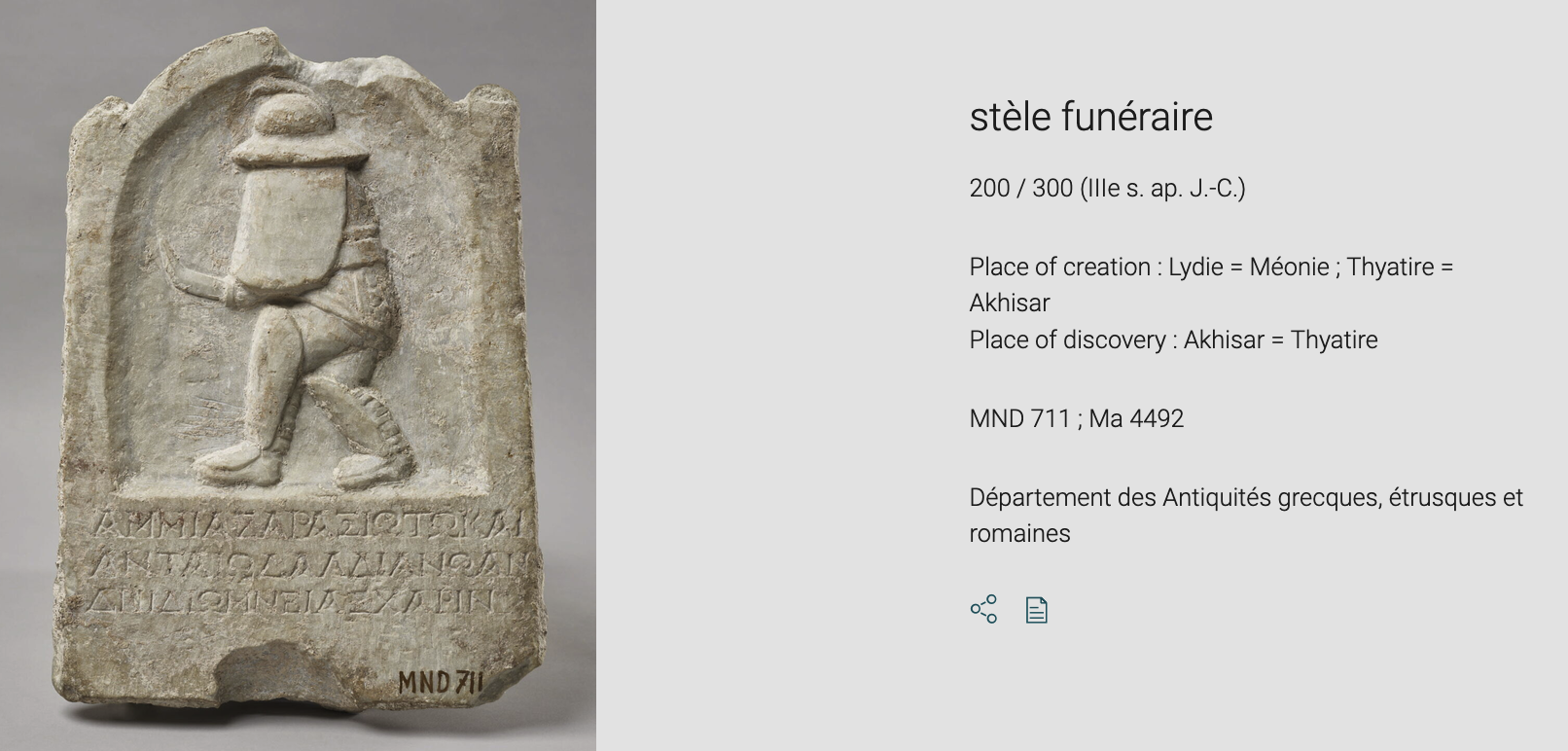
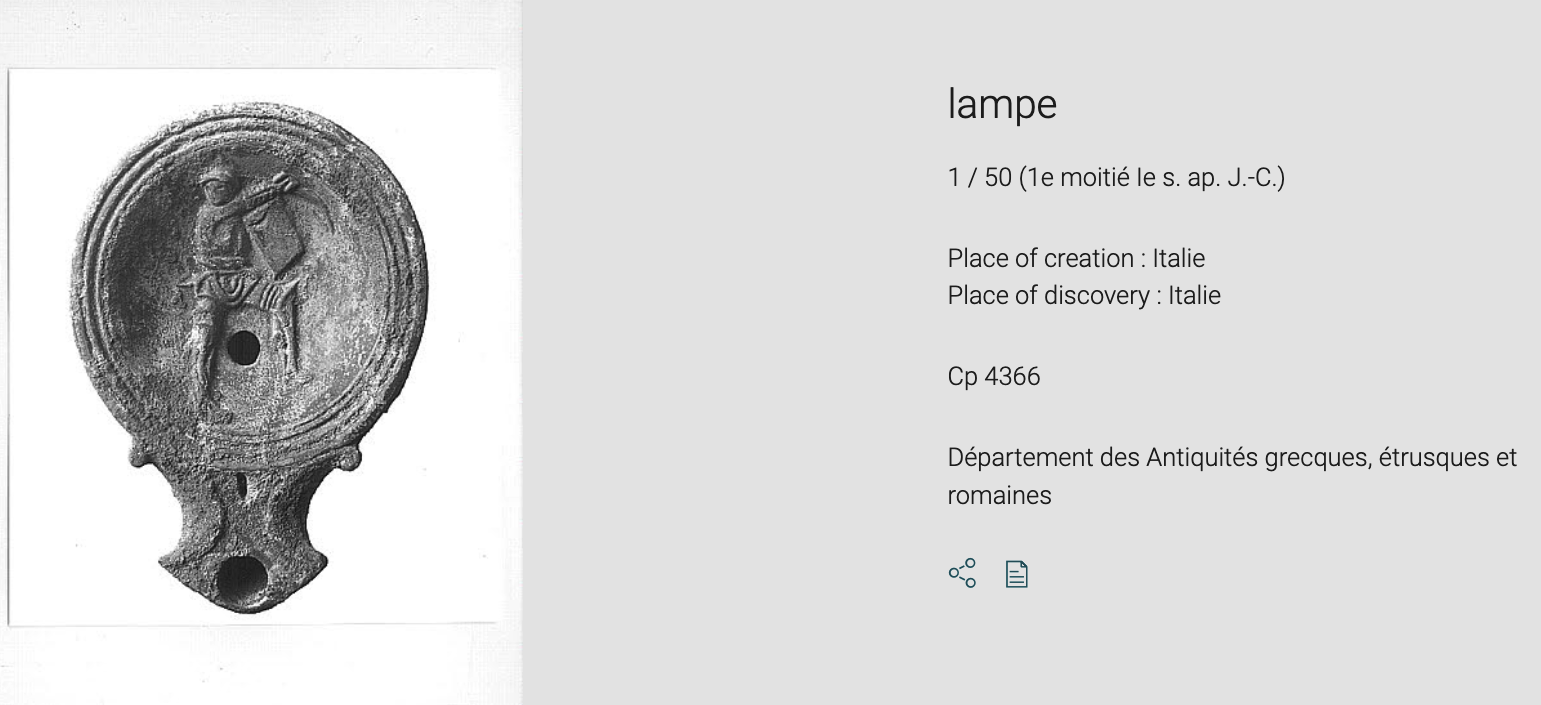
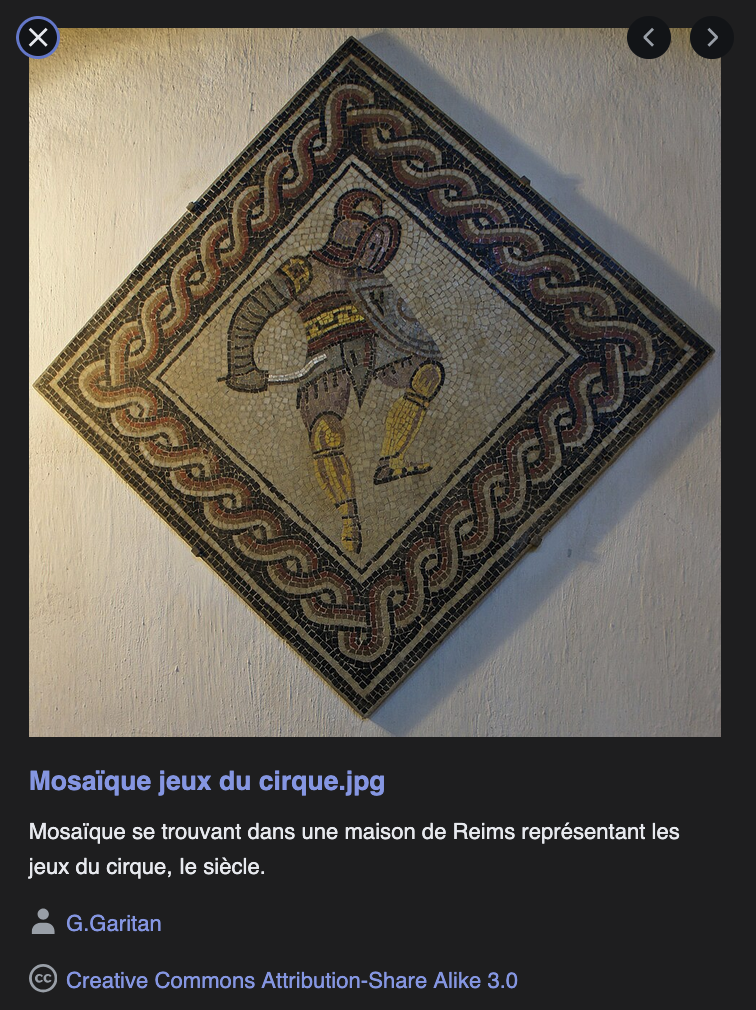
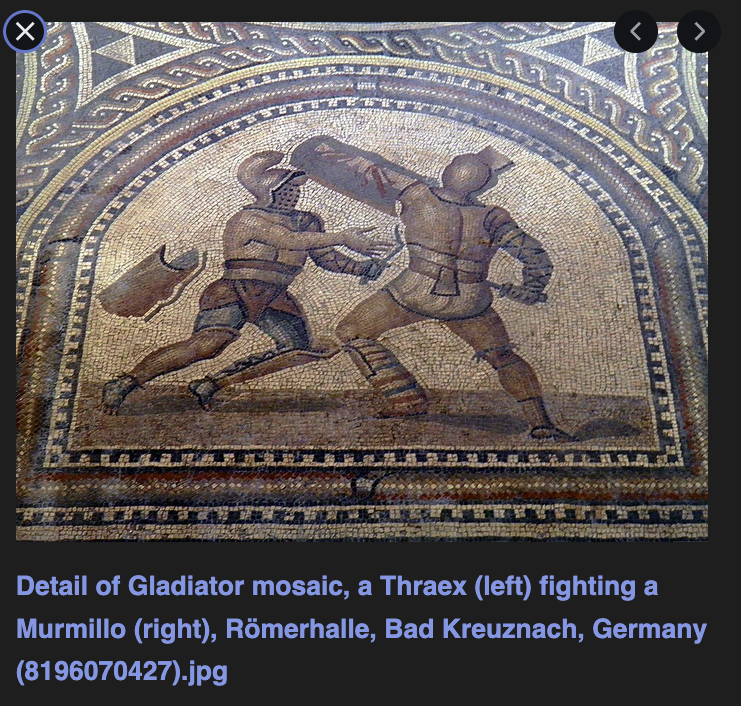
Machine translation: The Thrax (Thracian) was a gladiator equipped with the arms of the Thracian people. He likely first appeared during the time of Sulla, after the Romans captured soldiers of that nation who had been serving in the forces of Mithridates; Cicero is the first to mention him. The gladiator known as the Thrax carries a small shield (parma, parmula); while sometimes round, it is most often square, though on certain monuments it appears triangular. His offensive weapon is the sica—a short sword with a curved blade—though sometimes the blade features an angular bend midway along its length. For protection, the Thrax wears a manica on his right arm, a balteus (belt), and a subligaculum (loincloth); his helmet takes various forms—sometimes a simple metal cap with a wide brim but no visor, and at other times a design where the face is completely concealed by a perforated visor topped with a very high crest. Finally, since the Thrax lacks the long shield used by the hoplomachus and the secutor—possessing only a parma that covers little more than his chest—he is equipped with two greaves (ocreae) rather than one; these two greaves are among the surest signs by which he is recognized. Often, his thighs are also wrapped in braies (breeches) or fasciae (bandages)—presumably made of leather—which serve to cushion blows that slip past the shield. Figure 3583 reproduces the funerary relief of a Thrax from the time of Trajan, M. Antonius Exochus; it displays virtually all the details just described, notably the two greaves, the sica (cf. Fig. 3370), and, opposite him, the… …crested helmet. Figure 3384 shows two Cupids fighting in the manner of Thracians—sword in hand—just as Roman children played at being gladiators, much like our own children play at being soldiers. We have already noted that the Thracian’s usual opponent was the *hoplomachus*, though he could also be pitted against the *murmillo*. Monuments even show instances where two Thracians were matched against each other, as seen with the two Cupids in Figure 3384. Finally, it should be noted that some Thracians are depicted holding a straight sword—similar to that of the Samnite—instead of the *sica*, while others hold a spear; however, these are merely exceptions.
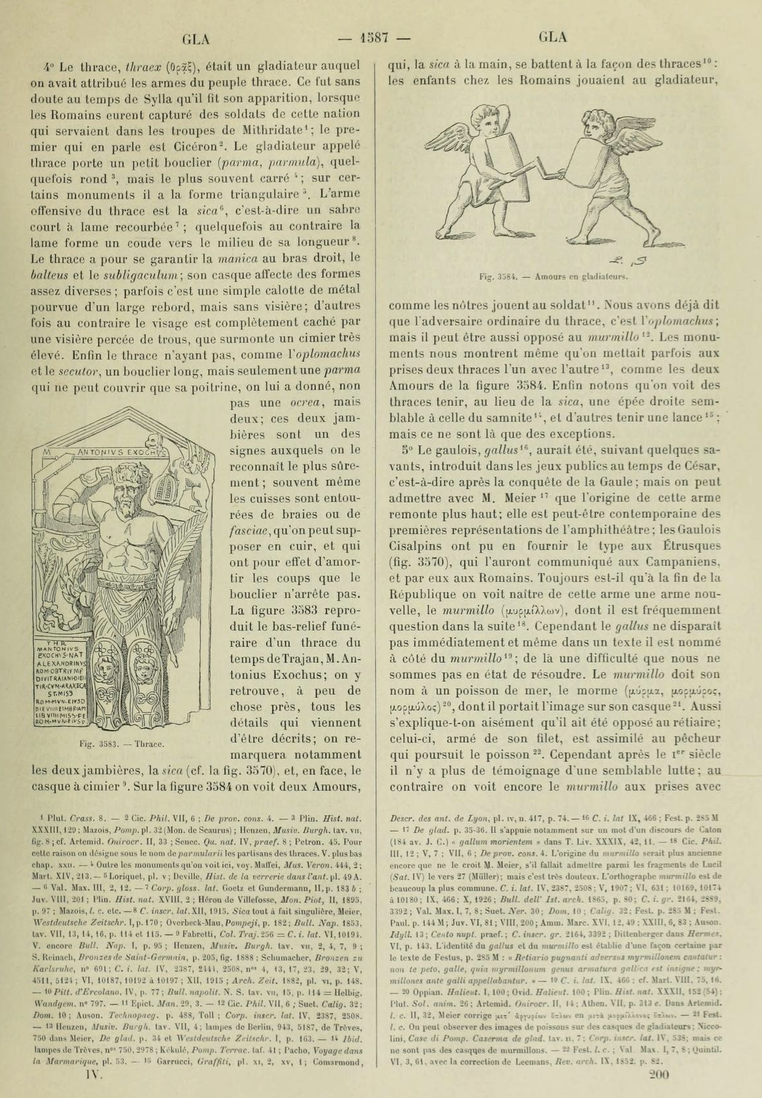
From Daremberg, Charles Victor, and Saglio, Edmond – F-G (vol. 2.2)
For the the origin of the Thracian Gladiator, D&S cite Plutarch, Crassus 8. While logical, certainly not definite.
The citation to Cicero’s Philippics seems to contain an error. The passage meant is surely Cic. Phil. 6.13:
We see in the forum a statue of Lucius Antonius; just as we see one of Quintus Tremulus, who conquered the Hernici, before the temple of Castor. Oh the incredible impudence of the man! Has he assumed all this credit to himself, because as a mirmillo at Mylasa he slew the Thracian, his friend? How should we be able to endure him, if he had fought in this forum before the eyes of you all? But, however, this is but one statue. He has another erected by the Roman knights who received horses from the state; and they too inscribe on that, “To their patron.” Who was ever before adopted by that order as its patron? If it ever adopted any one as such, it ought to have adopted me. What censor was ever so honored? what imperator? “But he distributed land among them.” Shame on their sordid natures for accepting it! shame on his dishonesty for giving it!
Cf. Cic. Phil. 7.17:
O ye gods! who will he able to support this man’s power? especially when he has brought all his dependents into the lands. Who ever was the patron of all the tribes? and of the Roman knights? and of the military tribunes? Do you think that the power of even the Gracchi was greater than that of this gladiator will be? whom I have called gladiator, not in the sense in which sometimes Marcus. Antonius too is called gladiator, but as men call him who are speaking plain Latin. He has fought in Asia as a mirmillo. After having equipped his own companion and intimate friend in the armor of a Thracian, he slew the miserable man as he was flying; but he himself received a palpable wound, as the scar proves. What will the man who murdered his friend in this way, when he has an opportunity, do to an enemy? and if he did such a thing as this for the fun of the thing, what do you think he will do when tempted by the hope of plunder? Will he not again meet wicked men in the decuries? will he not again tamper with those men who have received lands? will he not again seek those who have been banished?
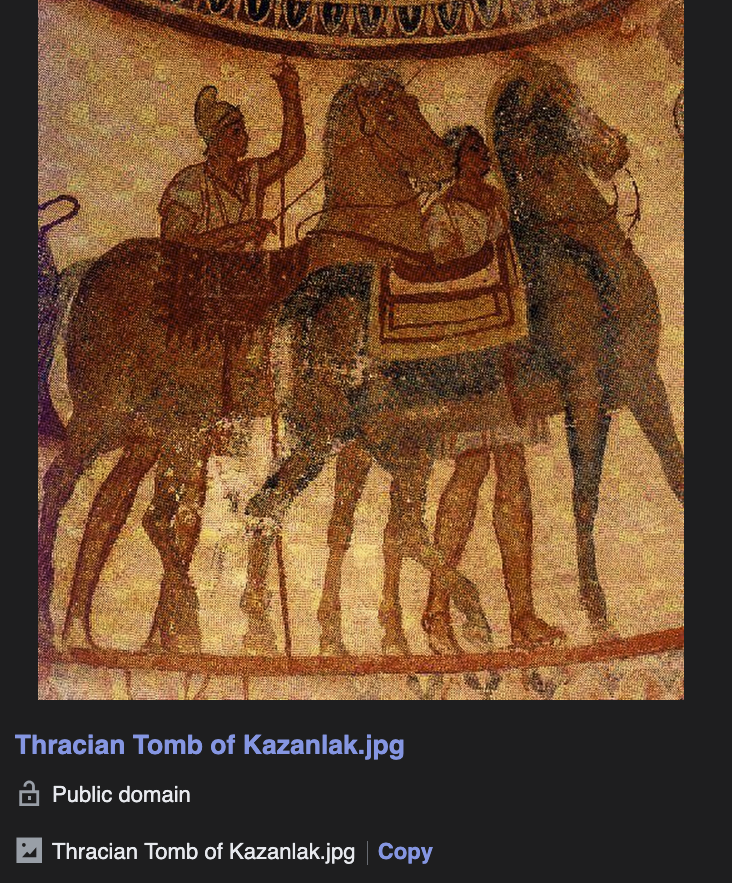
Thracians themselves had a long tradition of wearing Phyrgian helmets:
Three terms are associated with the swords of the thracians, all are curved.
While I’m not convinced we really know how these ancient terms match on to material culture we observe, this is generally how the terms seems to be used in modern accounts.
Rhomphaia (longer, heavier, whole bladed is bowed)
Falx (medium, curved at tip)
Sica (short, bent)
Livy’s ‘rumpiae’ are clearly very long weapons, but probably not lances as the Loeb translates the term (31.39).
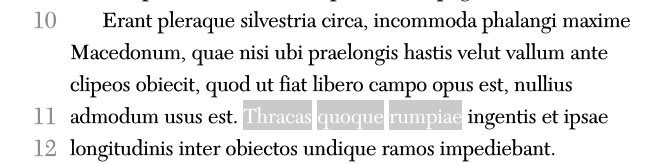
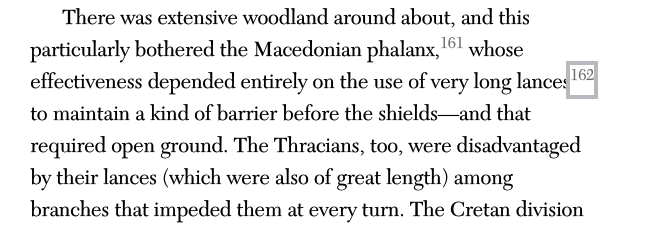
Aulus Gellius gives us no characteristics of the sword only to help us see the association of the vocabulary with the peoples from an early date in Latin (AN 10.25)


Plutarch, Paulus 18
Πρῶτοι δ᾿ οἱ Θρᾷκες ἐχώρουν, ὧν μάλιστά φησιν ἐκπλαγῆναι τὴν ὄψιν, ἄνδρες ὑψηλοὶ τὰ σώματα, λευκῷ καὶ περιλάμποντι θυρεῶν καὶ περικνημίδων ὁπλισμῷ μέλανας ὑπενδεδυμένοι χιτῶνας, ὀρθὰς δὲ ῥομφαίας βαρυσιδήρους ἀπὸ τῶν δεξιῶν ὤμων ἐπισείοντες.
First the Thracians advanced, whose appearance, Nasica says, was most terrible,—men of lofty stature, clad in tunics which showed black beneath the white and gleaming armour of their shields and greaves, and tossing high on their right shoulders battle-axes with heavy iron heads.
carrying on their right shoulders upright rhomaiae heavy with iron
Thus far none of the literary passages seems to describe a curved weapon. Do you know of one?
Anyway.
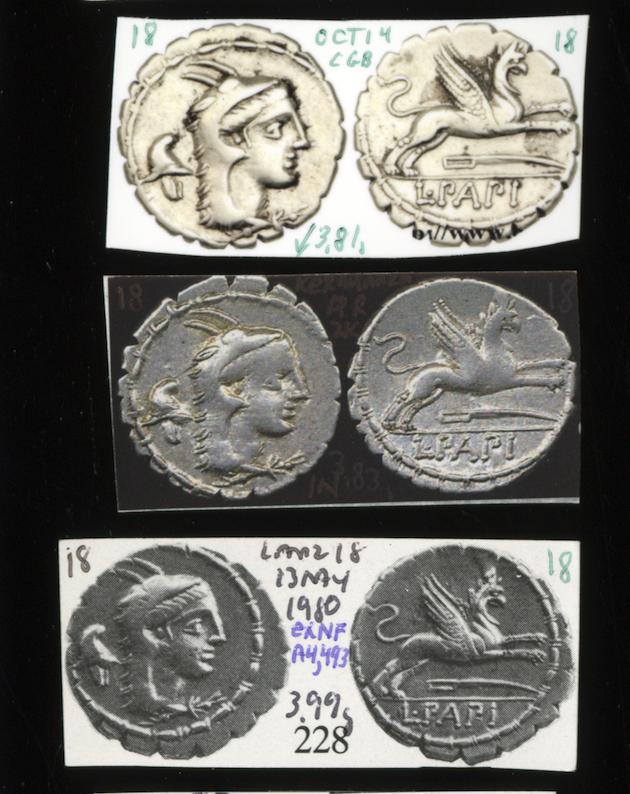
All of this is for Papius (RRC 384/1) control mark no. 18. And my belief it likely evokes Thracians to the Roman viewer, perhaps also gladiatorial. The curved sword is a type often developed by cultures who fight on horse back.