The inspiration for this post was this book and it’s yummy drawn plates:
I’ve been interested in boar standards since the sestertius imitation with one turned up on the market; I think it likely to be a fantasy piece from some past modern century, not ancient, but some feel differently. Regardless of who made it in whatever century for what ever purpose, the maker clearly knew the common occurrence of boars and boar standards on Celtic coinage (including in Britain).
Sheers 1991 has done great work on this type and many more. Her identification of the Mensor as the obverse inspiration is spot on!
Lest the reader is left with the impression that all Celtic coinages derive from Roman many have other inspirations (Massilian, Sicilian, Macedonian, esp. Philippoi coins, Thasos, to name a few mints), AND in some cases are very much their own creation.
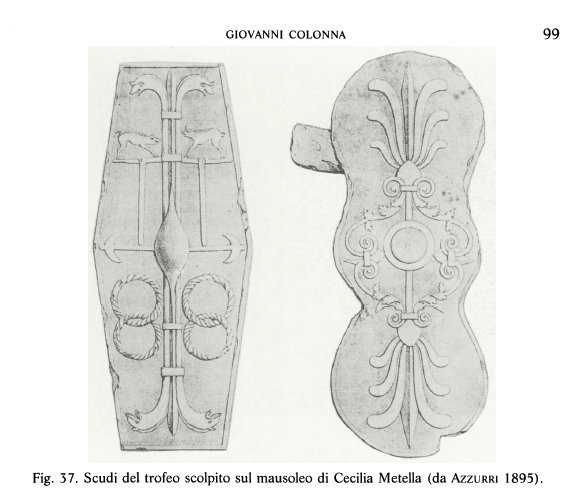
Colonna, Giovanni. “Gli scudi bilobati dell’Italia centrale e l’ancile dei Salii.” Archeologia classica 43 (1991): 55-122. It is gloriously illustrated. JSTOR link
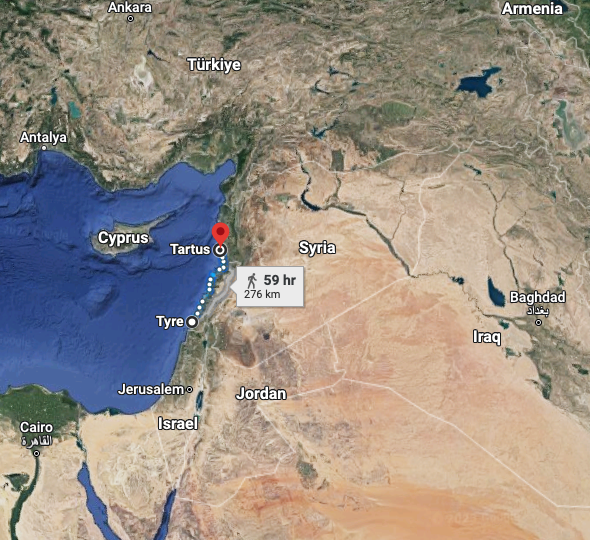
Found in Tartus (see map below), acquired by Louvre in late 1960s. Compositional arrange altered in modern times.
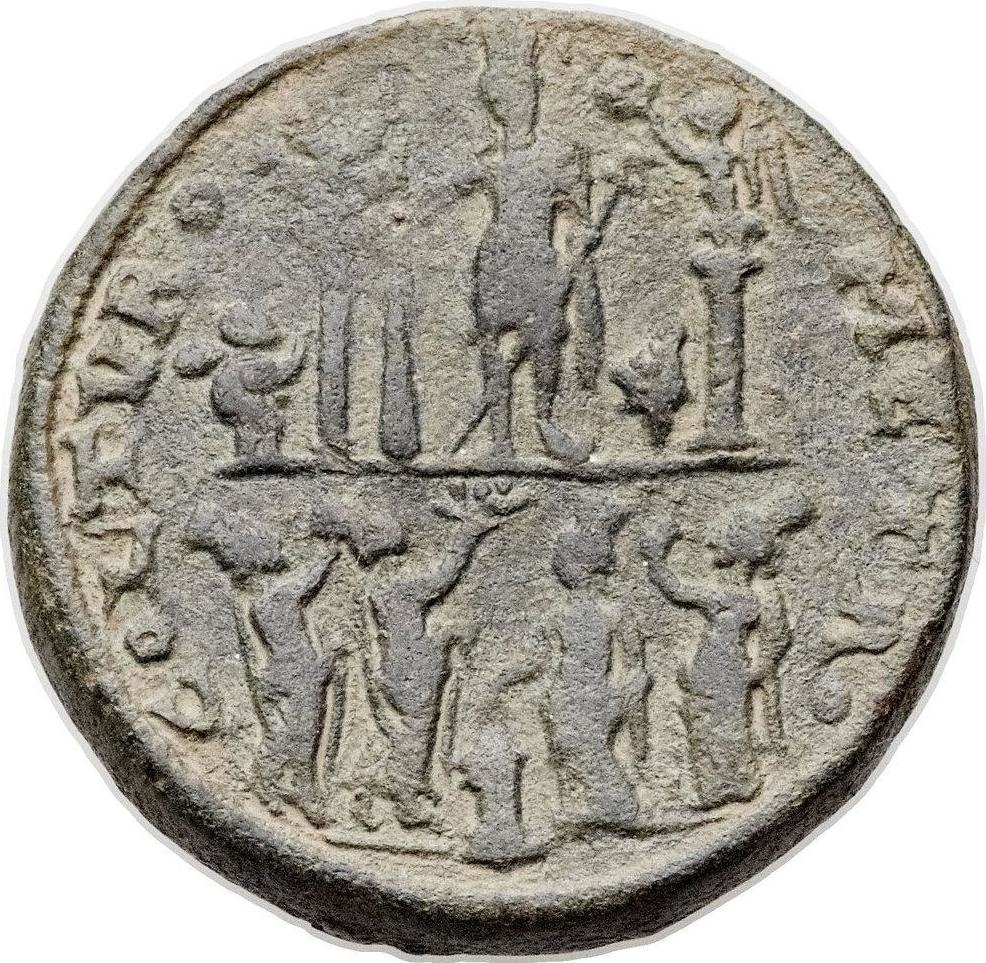
It VERY closely parallels a composition group known from Tyrian coins starting with Elagabalus–52 coin types total in RPC.
RPC 6.8605 (temp)
The coins clearly show us that the image was the cult image at Tyre.
RPC 6.8621 (temp)
Sometimes Marsyas is worked into the composition along with other local symbols like the myrex shell (source of purple die) and the date palm (a chanting pun for Phoenicia and also a local product).
RPC 6 8674 (temp)
Under Philip I the scene is expanded to contain worshipers or perhaps Tychai (RPC examples).
RPC 8.6471
The last issue with this group is under Trebonianus Gallus (RPC 9.2039).
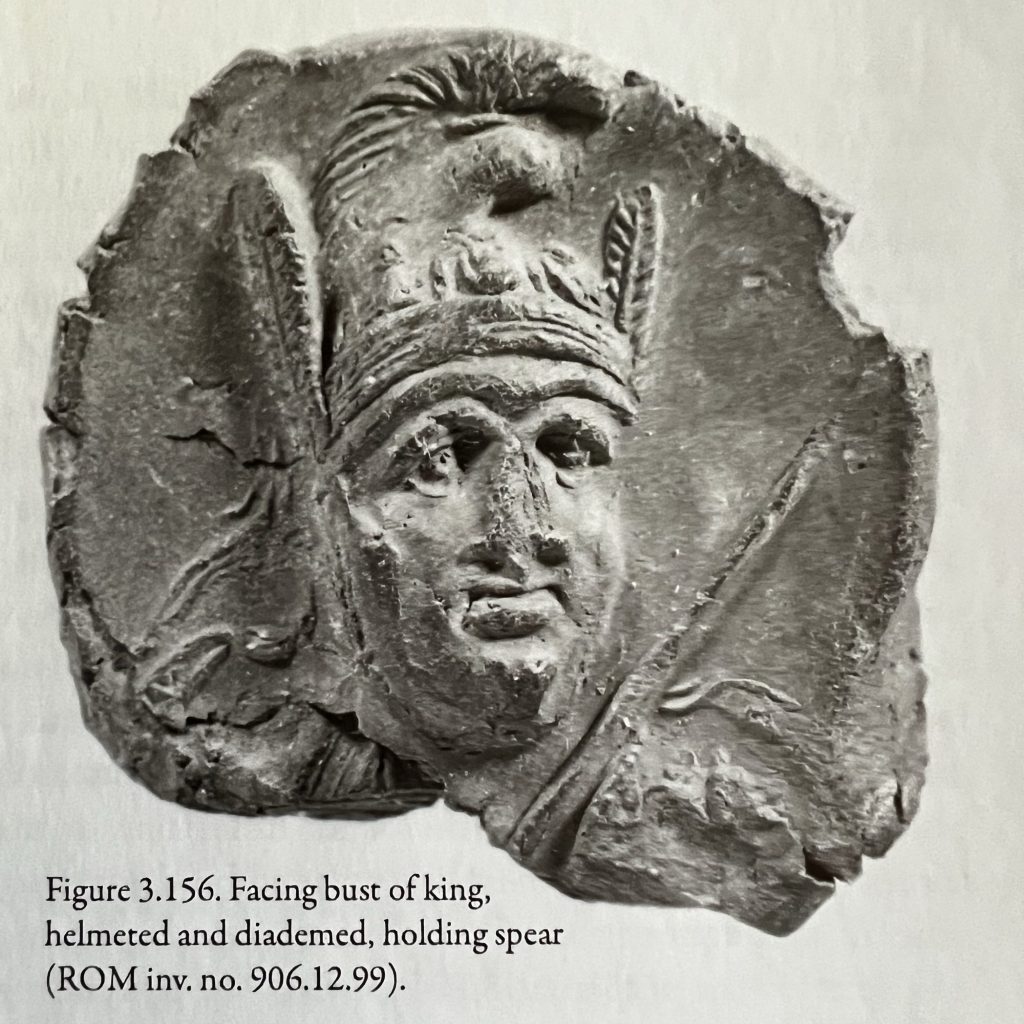
This is from the masterful article on Ptolemaic portraiture in the below conference volume by Catharine C. Lorber. There are 3 more examples of this same seal impression (bullae) in the Toronto collection of such material from Edfu, and two more in Amsterdam. On this particular sealing Lorber has little to say in this chapter, only using it as a counter point for other material: “the one emphatically military royal portrait, the famous helmeted facing bust… appears clean shaven… .” Famous to whom?! And where can I read more. The footnote doesn’t help. BUT turns out the Royal Ontario Museum has a great database.
There is nothing in the entries about other publications of the portrait, but the high res images make it clear that the helmet likely has an Egyptianizing design, even if its exact character isn’t quite clear to my eye yet:
The real kicker though is how ROMAN that phrygian helmet with two side wings is.
RRC 380/1 is the first example that comes to mind but there are many more:
I have more to say but gotta go pick up kids from school.
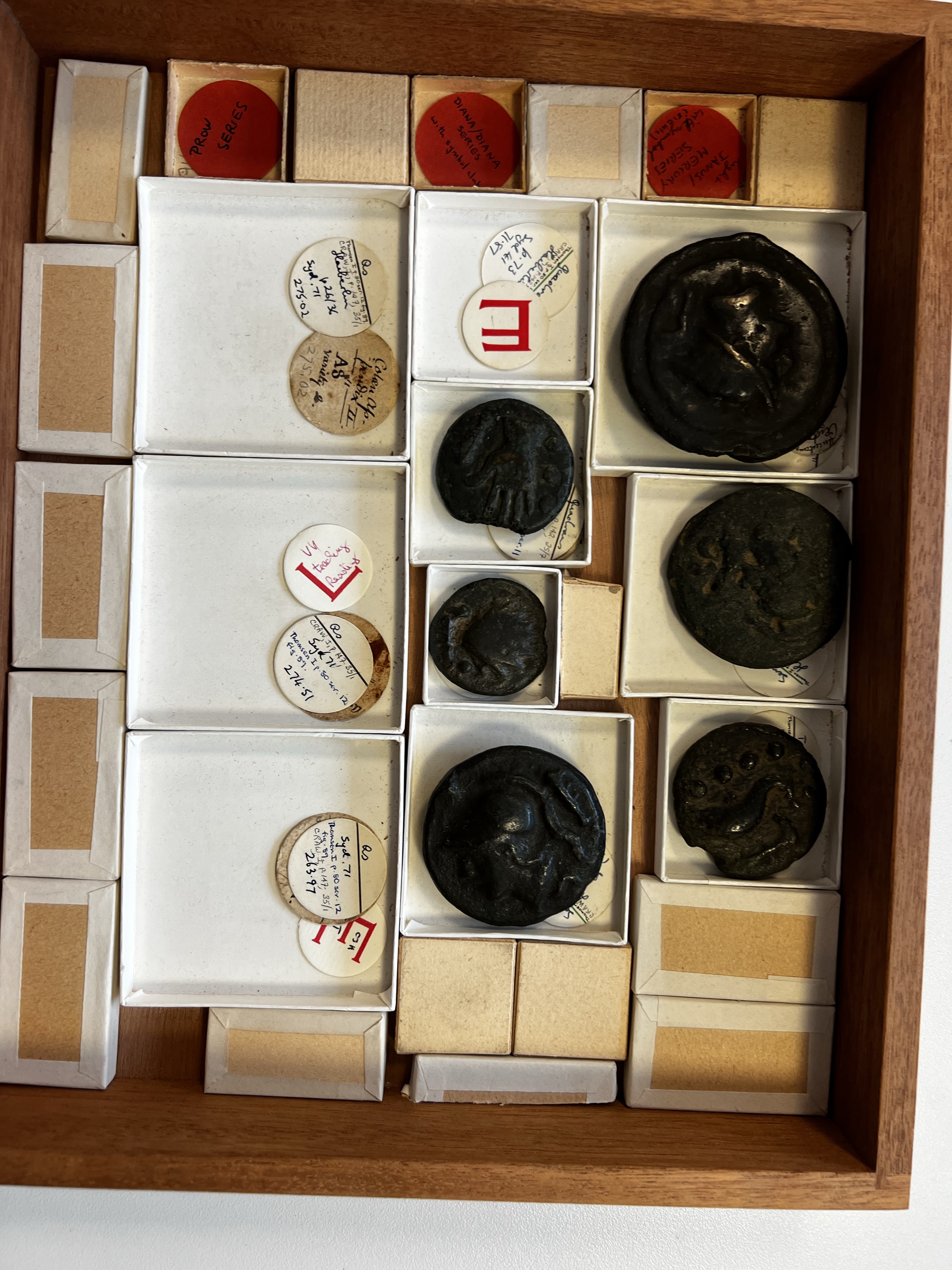
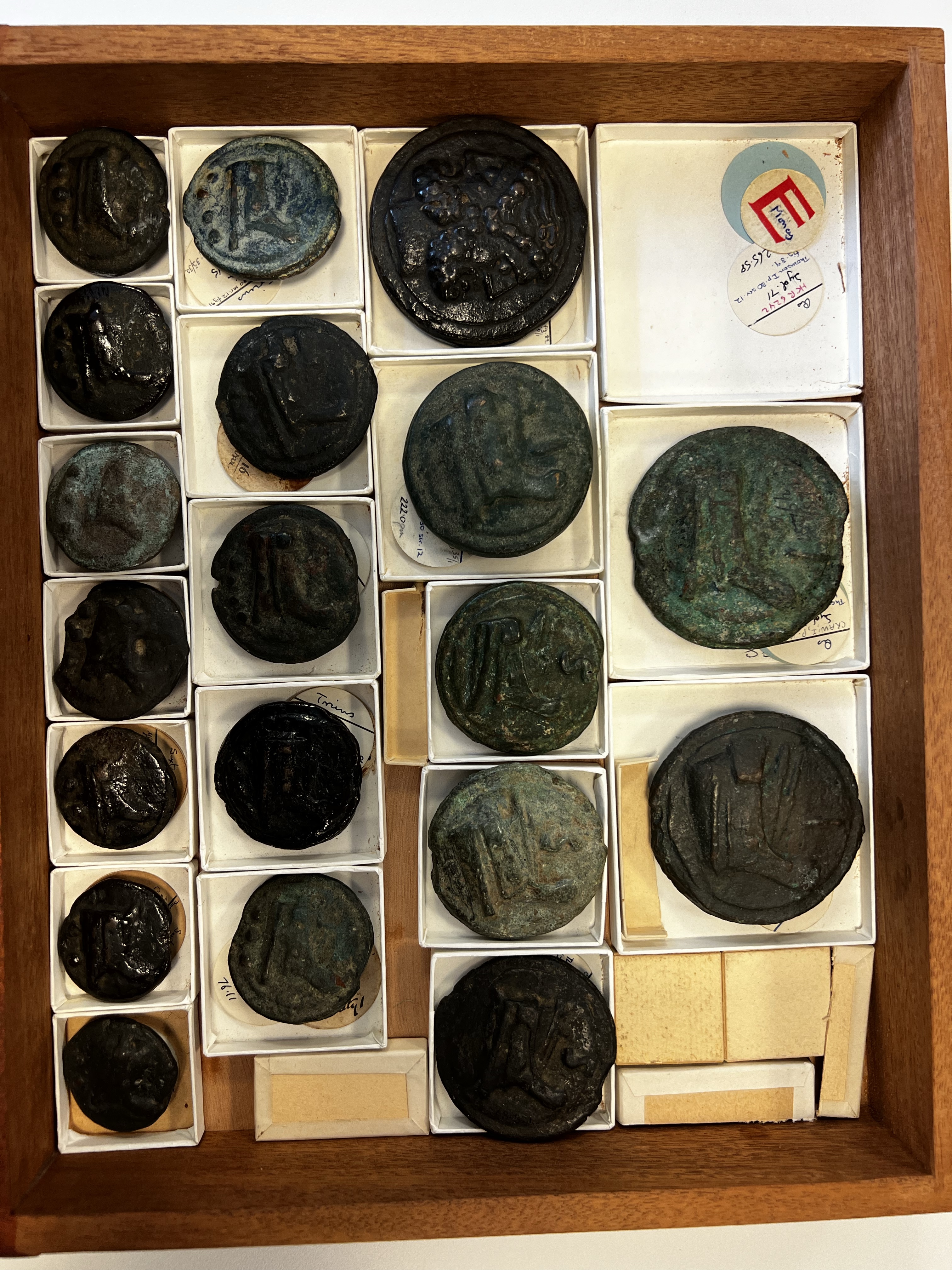
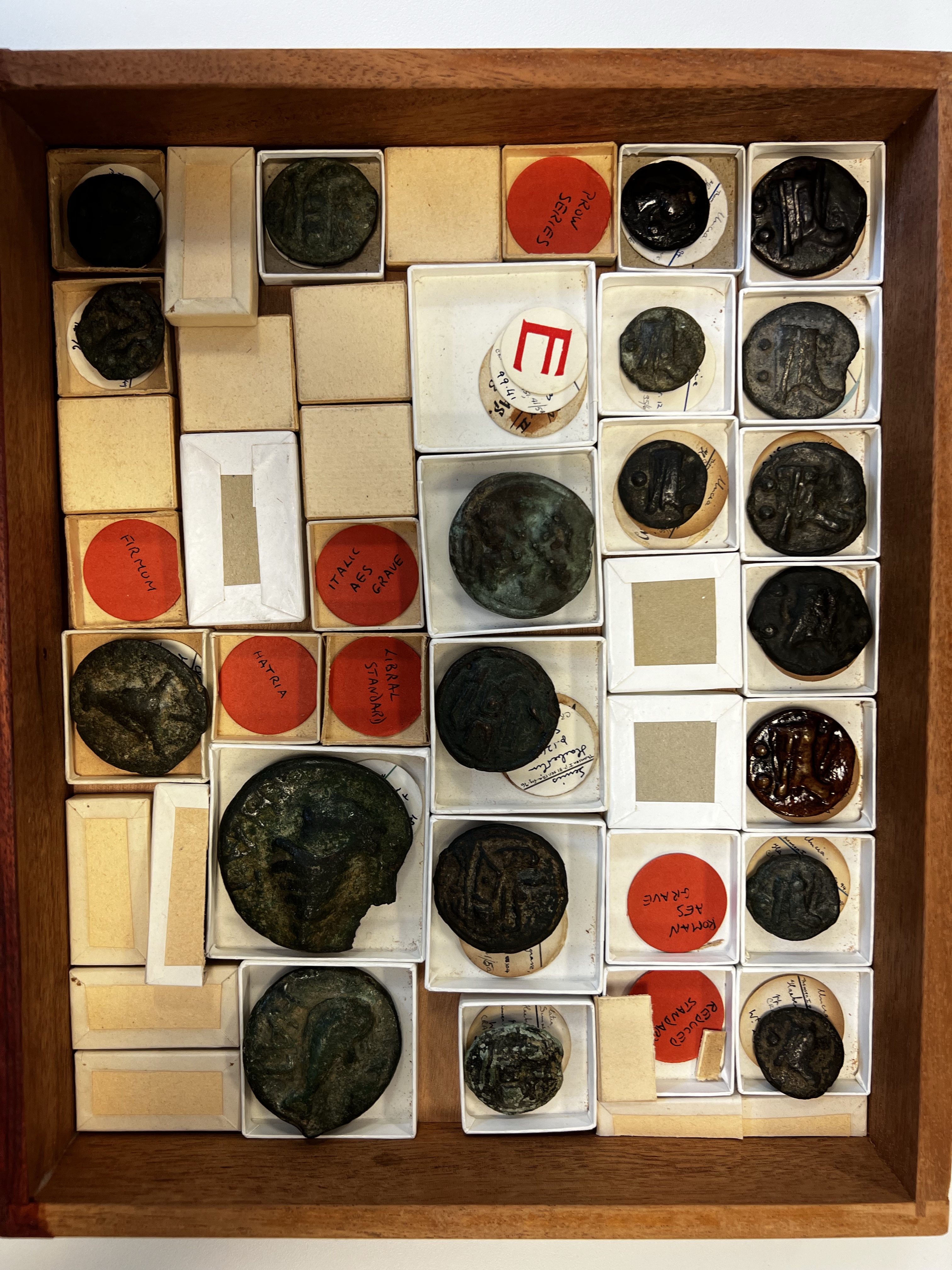
I got a quick look at the cast coin drawers at the Ashmolean ahead of Fleur Kemmers great CNG lecture.
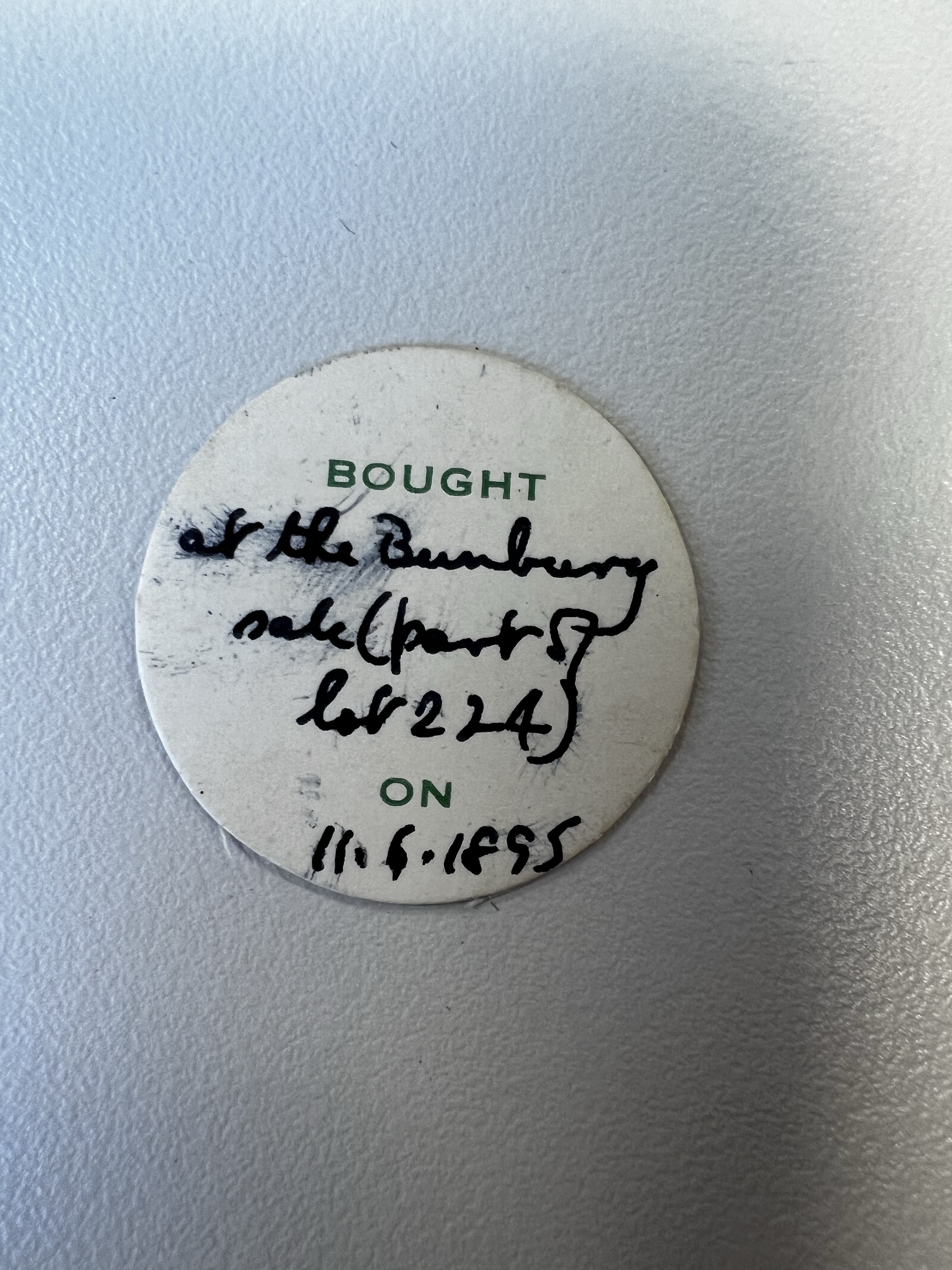
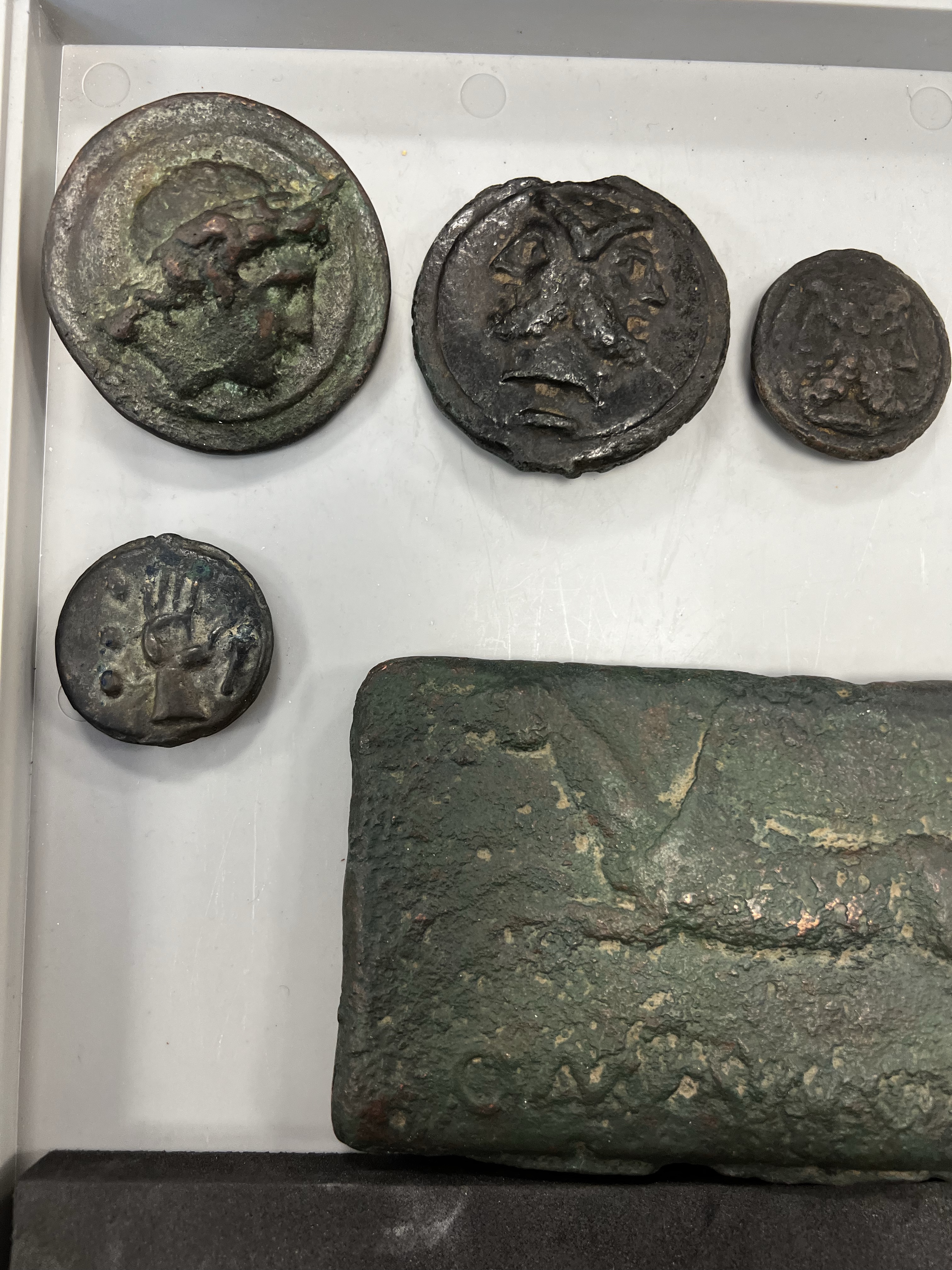
My goal here is just to get the snapshots up for future reference. They are not yet up online in the Oxford collection database (harder to photograph than struck coins). This gallery should have one side of each specimen in no particular order, exclude some on display. The (so-called) aes signatum is just a teaching cast of the BM currency bar of this type. That tray with the bar is of teaching specimens so correspond to some of “E” tickets in the trays.
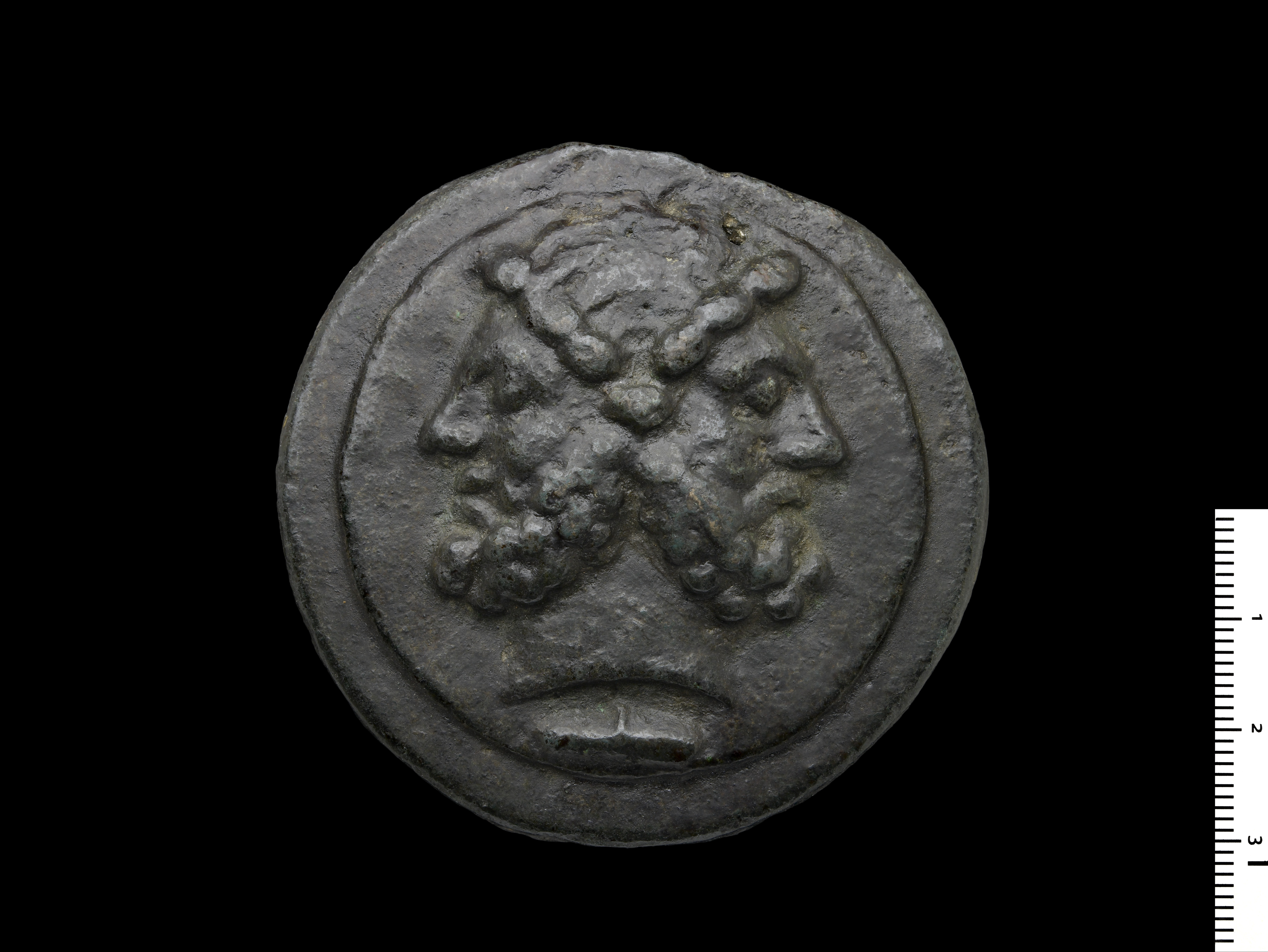
Below is one of the professional photographs already done of one specimen on display. Rather lovely!
It will be glorious once they are all so photographed! I’m very grateful to Chris Howgego for his spontaneous willingness to let me grab these images and share them.
The symbol on right hand side of the reverse of RRC 513 (aureus and denarius; older post on this type) has been interpreted as a military honor, but the parallels are not definite. Crawford calls it “phalerae (dona militaria)”. Hence my interest in this sealing from Zeugma published by Mehmet Önal:
The idea of this representing phalerae is based on the reconstruction of how these would have been worn:
The ensemble displayed here was discovered in 1858 near Lauersfort in the district of Moers. The inscription names the owner as one Titus Flavius Festus. Photographed by Carole Raddato in Frankfurt museum.
Various reliefs showing soldiers wearing such honors:
From the Rheinisches Landesmuseum in Bonn. 1st century CEBas-relief depicting Falera with Victoria. Civici di Reggio Emilia Museum, 1-2 century CEFound in Dalmatia (Da Tilurium Dalmatia). dated to 42 BCEEstense Lapidary Museum. 1st century BCE
It gives me some comfort that the most similar representations are the simple early ones…
This is a page out of the 1993 museum catalogue suggests a pretty rich collection. (There are other Greek coin pages, but these are the one’s that interested me most.) There are no ancient coins digitized online (YET!, It would be amazing if they ever joined IKMK), but they do have up two images of trays of casts as well as any number of drawings of coins. Among which was this v pretty drawing of Julius Caesar brockage (RRC 480/5, E1452)
These are described in the catalogue entries (L491 and L492) as casts of Roman imperial coins in sulfur. At first I was suspicious that something so pretty could be a cast…
But then I found out about Smyth’s casts! I would love to hold one of these to see what it felt like in the hand and if they would be robust enough for teaching demos…
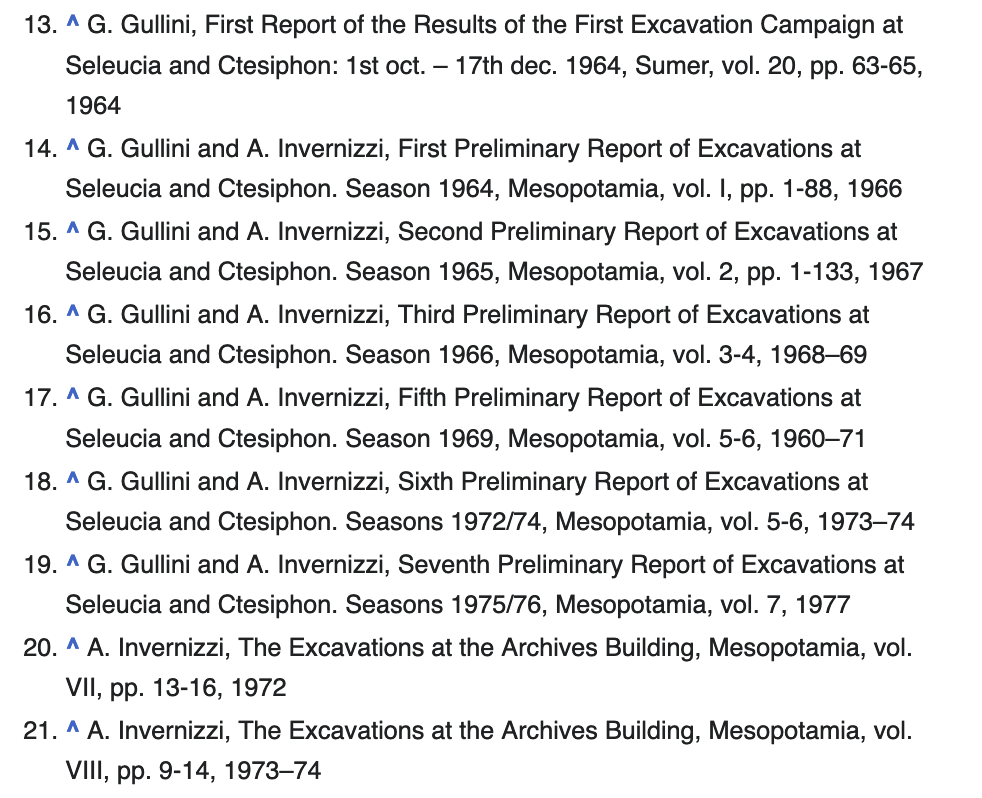
He has also published academic articles on specific themes regarding these sealings others from the region. I want to survey them all but I think I best not, but here is my favorite goddess, the goddess of the Crepusii as I think of her.
Original Post:
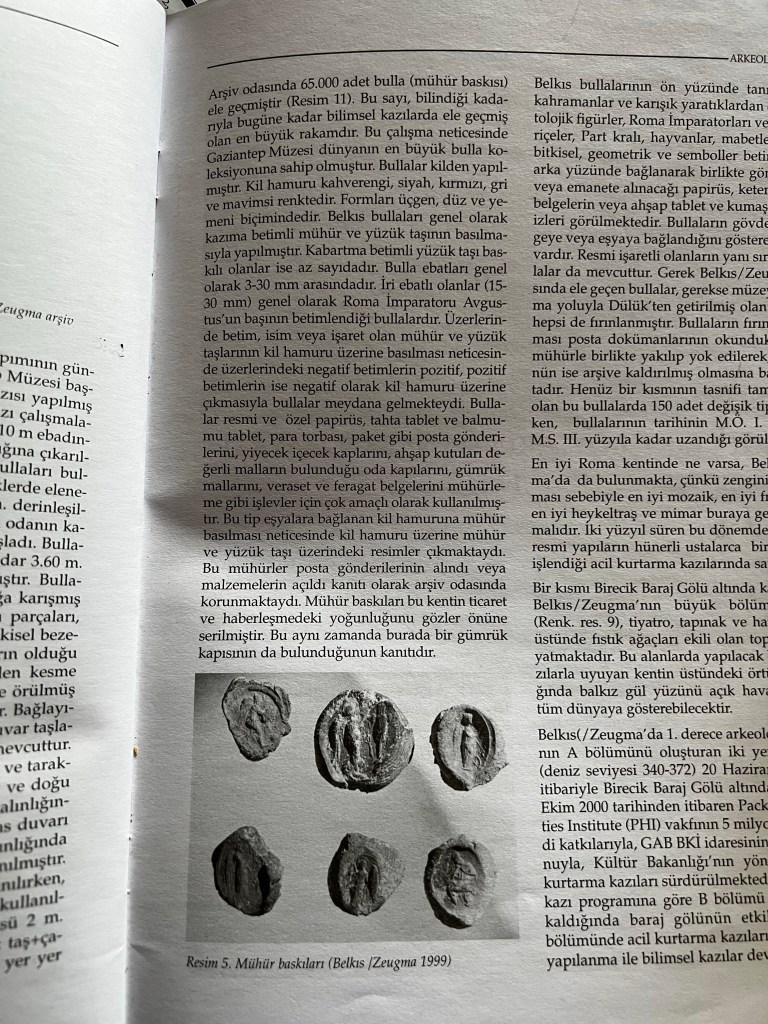
Machine translation from Turkish with light human editing:
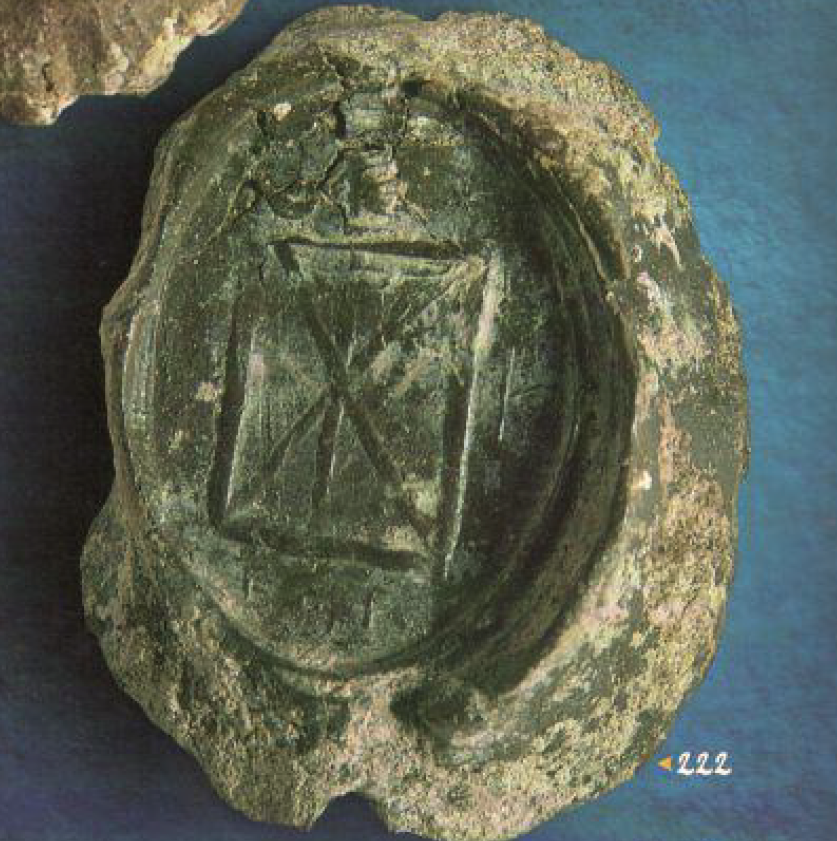
“65,000 bullae (seal imprints) were found in the archive room (Picture 11). This number is, to the best of our knowledge, the largest figure ever found in scientific excavations. As a result of this the Gaziantep Museum has the world’s largest bulla collection. Bullae are made of clay. Clay fabric ranges from brown, black, reddish, gray to bluish in color. The forms are triangular, smooth or those forced into an approximately circular shape. The Belkis bullae are generally made from the impression of a stamped seal and ring stone. Those from embossed rings and engraved stones are numerous. Bulla sizes range between 3-30 mm. The large ones (15-30 mm) often depict the head of the Roman Emperor Augustus. Bullae were formed by squeezing the negative image on the clay to create a positive image, as a result of the stamping of seal and ring tags with a description, name or sign. Bullae were used on official and private papyrus, wooden tablets and wax tablets, money bags, packaging such as postal service items, food and beverage containers, wooden boxes, room doors where valuable goods are found, customs goods, documents of inheritance and waivers. As a result of the stamping the seal on the clay attached to these type of goods, the seal and the pictures on the ring stone appeared on the clay dough. These seals were likely preserved in the archives as proof of receipt of postal items or accessing of materials. The stamped prints reveal the density of this city in trade and communication. This is also proof that there is a customs gate here.”
[full original text and OCR below]
Update later same day:
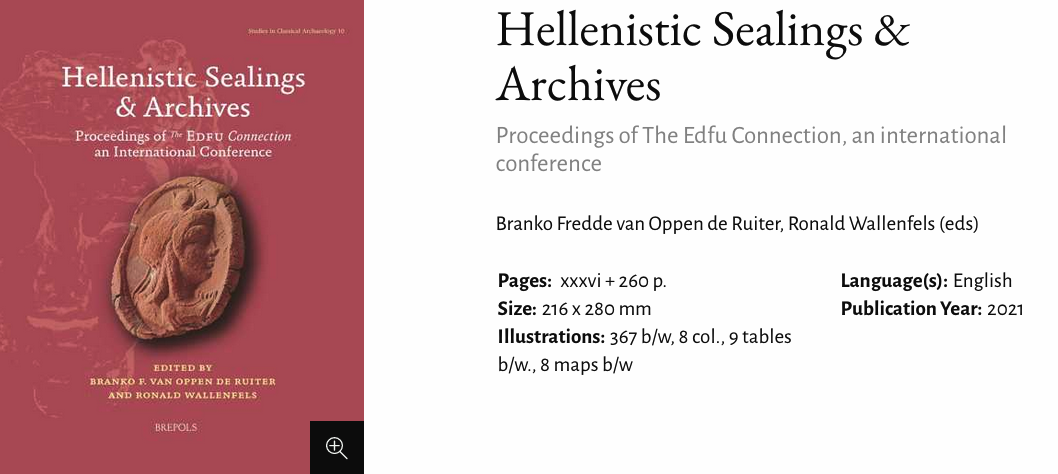
I’ve ordered this book and am hoping to come back with more info on these seals.
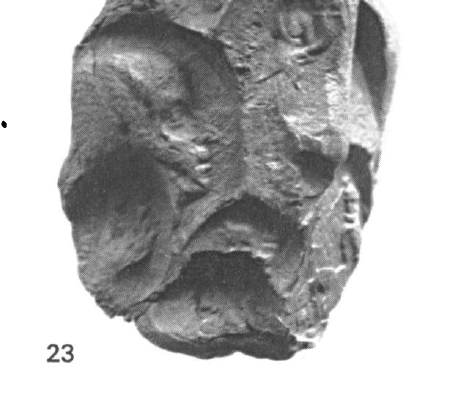
I also want at some point to look at the glossy publications of all the materials from Seleucia on the Tigris where some 30,000 sealings were found:
OCR text
Arsiv odasinda 65.000 adet bulla (mühür baskist) ele gegmistir (Resim 11). Bu says, bilindigi kadamyla bugüne kadar bilimsel kazilarda ele geçmis olan en büyük rakamdir. Bu çalisma neticesinde
Gaziantep Müzesi dünyanin en büyük bulla koJeksiyonuna sahip olmustur. Bullalar kilden yapil-mister. Kil hamuru kahverengi, siyah, karmizi, gri ve mavimsi renktedir. Formlar üsgen, düz ve yemeni biçimindedir. Belkis bullalar genel olarak kazima betimli mühür ve yüzük tasinun basilmastyla yapilmistir. Kabartma betimli yüzük tast baskili olanlar ise a sayidadir. Bulla ebatlari genel olarak 3-30 mm arasindadir. Iri ebath olanlar (15-30 mm) genel olarak Roma Imparatoru Avgus-tus’un basinn betimlendigi bullalardir. Uzerlerinde betim, isim veya isaret olan mühür ve yüzük taglarinin kil hamuru üzerine basilmasi neticesin-de üzerlerindeki negatif betimlerin pozitif, pozitif betimlerin ise negatif olarak kil hamuru üzerine sikmasiyla bullalar meydana gelmekteydi. Bulla-lar resmi ve ozel papirüs, tahta tablet ve balmu-mu tablet, para torbasi, paket gibi posta gönderiJerini, yiyecek içecek kaplarini, ahsap kutulari de-gerli mallari bulundugu oda kapilarini, gümrük mallarini, veraset ve feragat belgelerini mühürle-me gibi islevler için cok amach olarak kullanilmistir. Bu tip esyalara baglanan kil hamuruna mühür basilmasi neticesinde kil hamuru üzerine mühür ve yuzük tasi üzerindeki resimler gikmaktaydi.
Bu mühürler posta gönderilerinin alindi veya malzemelerin acildi kaniti olarak arsiv odasinda korunmaktaydi. Mühür baskilar bu kentin ticaret ve haberlesmedeki yogunlugunu gözler önüne serilmistir. Bu ayni zamanda burada bir gümrük kapisinin da bulundugunun kanitidir.
From: Mehmet Onal. 2000. “Belkis’ta sular yükselirken…” in Arkeoloji ve Sanat 98, 29-33.
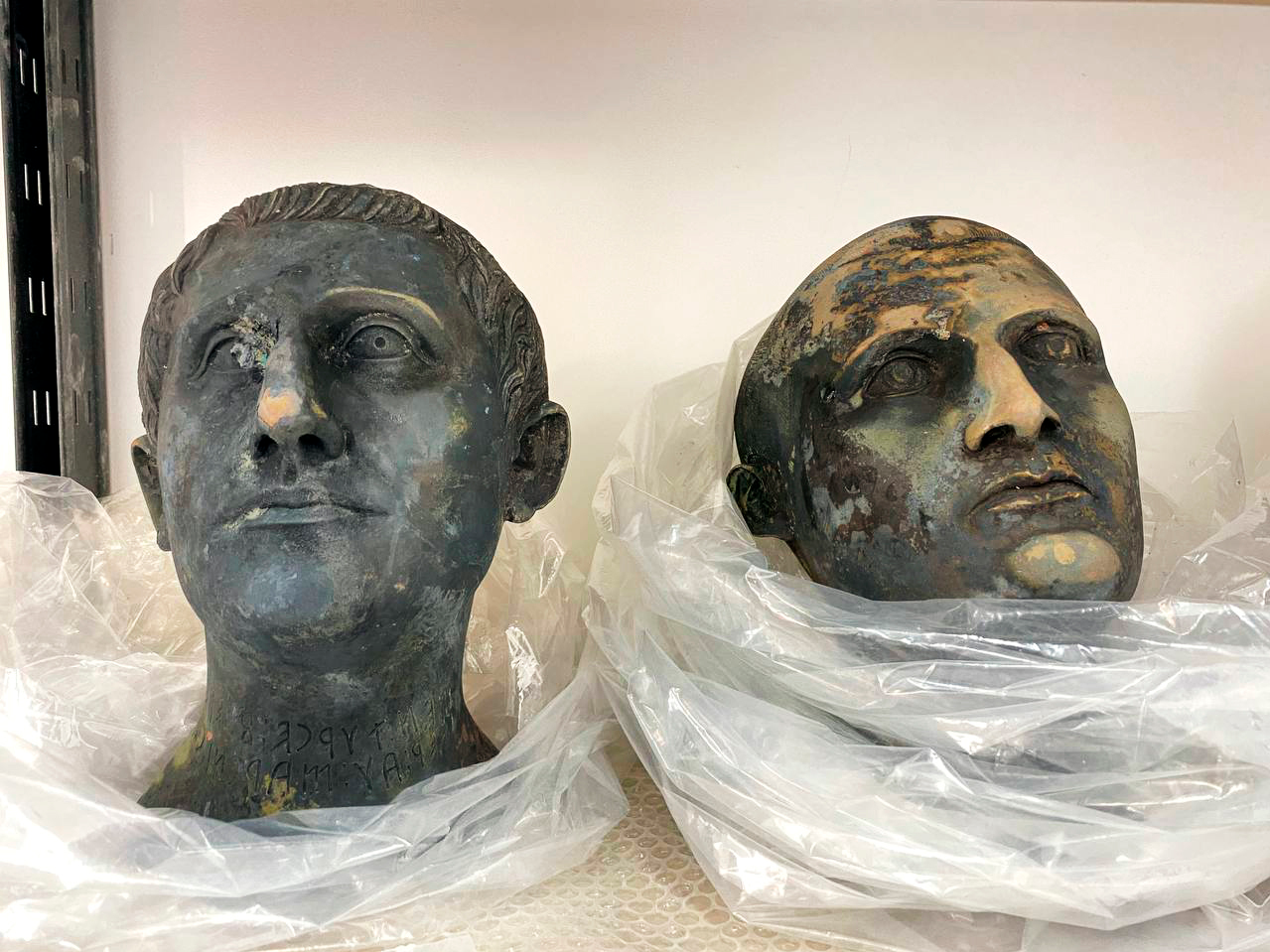
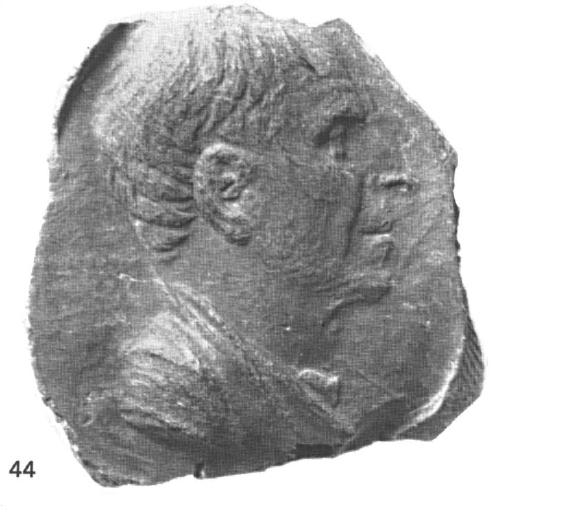
Like so much else the San Casciano find will change how we study and think about almost everything visual from Roman Republican Italy. I collected more images of the portrait heads below (these are just heads, they were never attached to bodies). They are inscribed on the necks by the individuals who commissioned the images and dedicated them. Prior to these discoveries our best evidence for such portraits were coins and gems and those mostly from the end of the first century BCE, whereas these new finds are 2nd Century BCE or earlier. They show what bullae and other occasional evidence have long suggested, Roman portrait styles were distinctive, stable, advanced, and well developed long before their appearance on coinage.
Below are examples from Boussac 1988, all from the same deposit on Delos all pre-69 BCE.
The Tel Kedesh cache of similar sealings are all before 145 BCE, but it is even harder to find images (cf. Ariel and Naveh 2003 ; and Cakmak 2009), but portrait examples have been published
I have lots of posts over the years on portraiture, maybe one day it will add up to something. Or not.
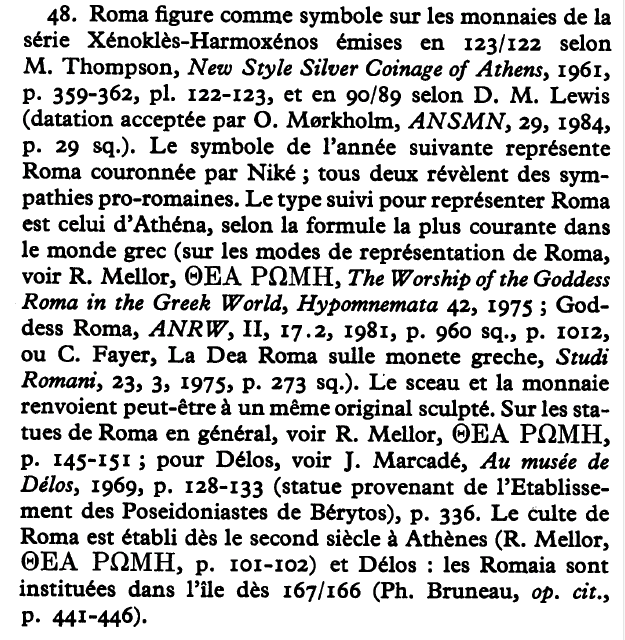
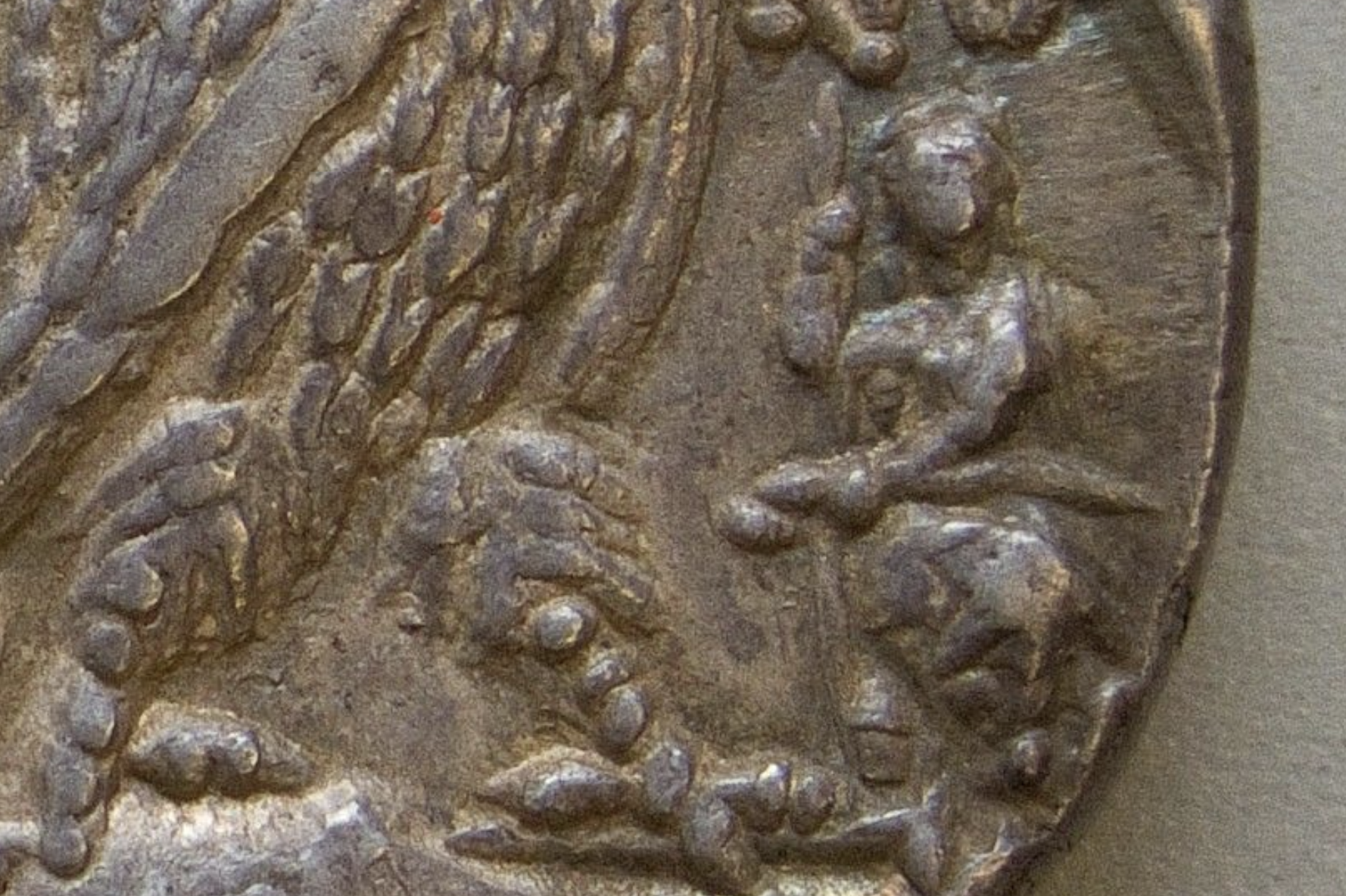
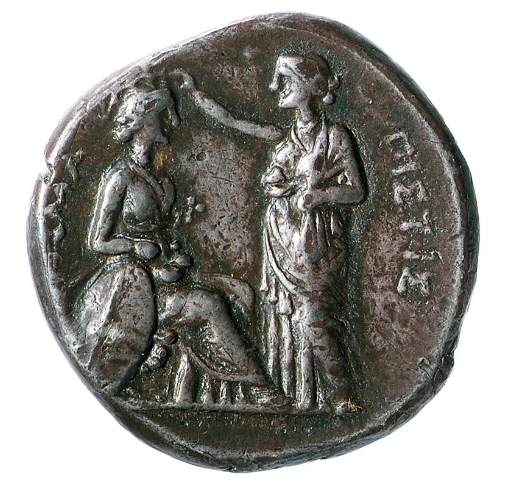
Boussac 1988 connects this imagery on a Delos seal impression (bullae) with Athenian New style tetradrachm symbols of Xenokles and Harmoxenos
Yale specimen, attributed to Clarentza mint (Peloponnese)
The most likely date for this issue seems to be 91-90 BCE
We never get this 3/4 profile seated Roma on the Republican coin series, but we do have her seated with her right arm crossing her body and her left on a spear/scepter.





































 Liv Mariah Yarrow