
No, it is neither ancient, nor Roman. I probably paid more than I need to but I don’t like bidding. I just want to hit the buy button and be done with it.
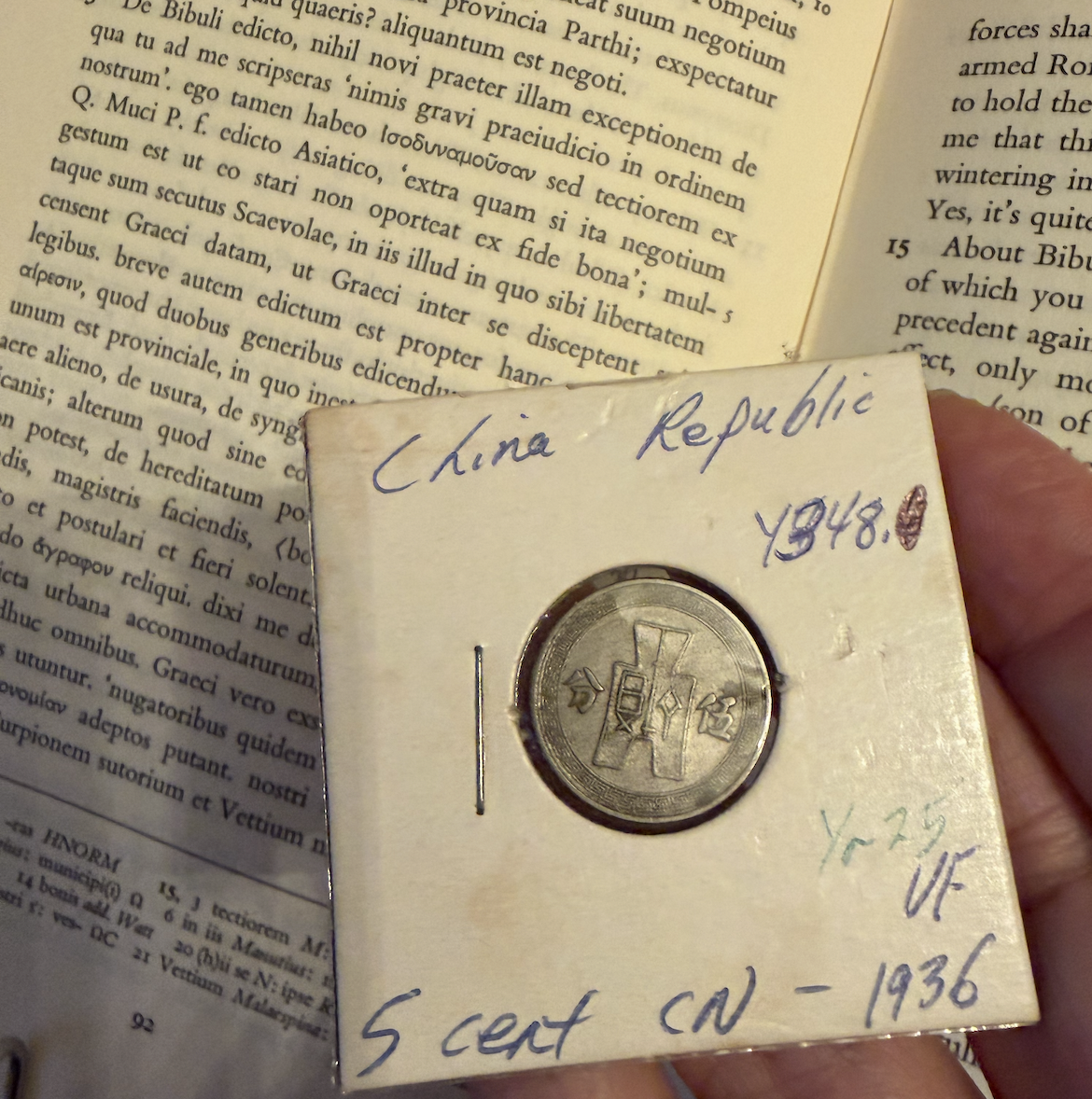
I wasn’t even going to tell all y’all about it but wanted to write this evening just for me, and this is the first novel thing that came to mind. I’ve been writing a great deal off the blog and it is going well, but today was a “kill your darlings” kind of day with much thinking about structure and presentation. The material I know well and holds no novelty. Sometimes I crave intellectual novelty.
Do you see the design? It is a piece of spade money. Spade money is an an early form of coinage used by ancient Chinese peoples. The specific spade money chosen for these coins is similar to this one:
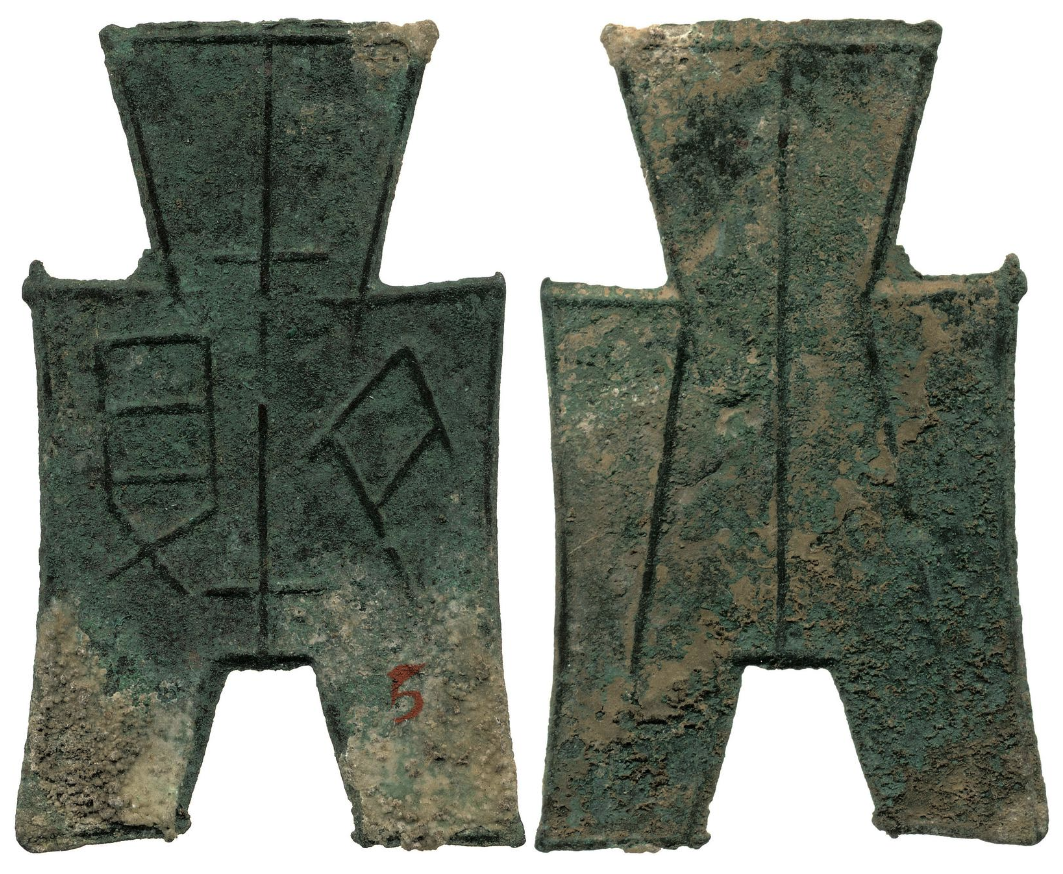
The BM transcribes the inscription as 貝丘 (on the spade) = Bei Qui. I’m disappointed the BM catalogue cannot tell me more about Bei Qui and Google is equally crappy.
The BM dates the spade above to 481-221BCE the Warring States Period and the Eastern Zhou dynasty. I’ve got no way of validating that. They also say:
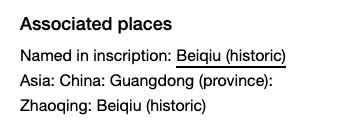
But again I cannot seem to confirm this. All the spades with this inscription in the BM were acquired from one single auction house a few early 1980s, a couple more mid 1990s. I decided to see if the auction catalogue writers were better informed. I learned: “Qi Bei is the traditional reading of this name, but Bei Qiu and Qui Bei have also been put forward as potential readings.” I also found question marks after the transliteration and suggestions it might be associated with the State of Han. Nothing that gave me great confidence. I will have to keep looking. I’d also love to know why of all the numerous spade money inscriptions this one ended up commemorated on modern coins.
I purchased my little coin because of how it evokes the ancient to legitimate the new, implying continuity. A theme I generally like to see as it manifests in different cultures. Yet, it also gave me the opportunity to learn about Sun Yat-sen and the politics and divisions in late 19th and 20th century China.
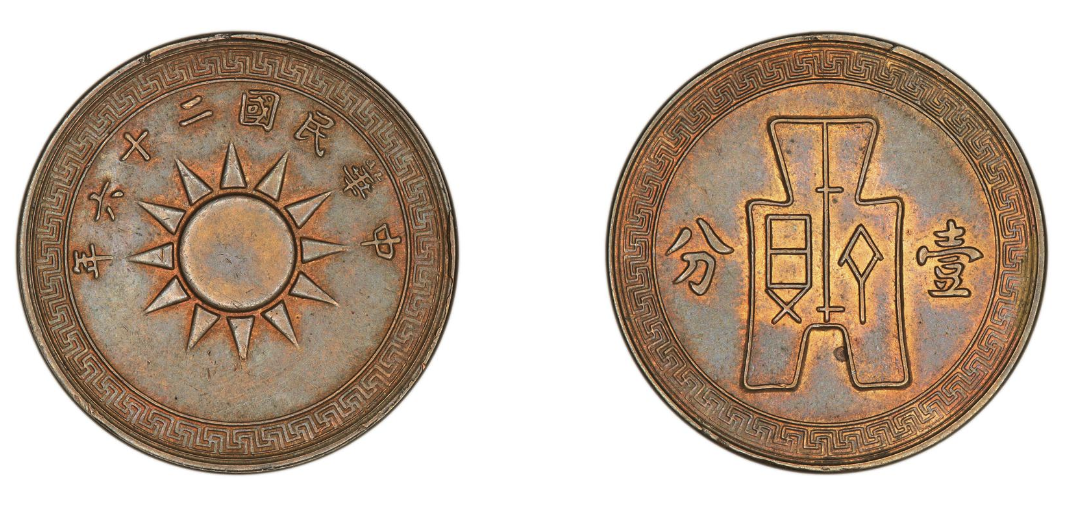
The denomination on mine is 5 Fen. Here’s a 1 Fen also from BM. You’ll see the choice of spade money is stable across denominations. I also am particularly enamored by the ‘Greek’ key design as border.
—
Yes this was inspired by upcoming China trip.


I had to click on this to see just why you would buy a coin – and I get it. Very cool. Is this “skeumorphism?” It’s cool, whatever it is. I always think of the illegible blob of a coin that is featured as part of iconography of 10 agorot NIS:
https://www.ebay.com/itm/364500911418
That’s ancient coin within the visual field of modern coin, if I’m not mistaken…
Cf. recent “pasts imperfect” on menorah of Titus and the modern crest, arguing for no continuity
YES! Ive also bought this one which I really like: https://www.ebay.com/itm/227481764196
Israeli coins of the mid 20th century do a great deal with reference to ancient coins of all sorts, Roman and Hasmonean and revolt issues.
It is a pattern with the newer nation states after their disentanglement from external control, Italy, Greece, Tunisia, etc etc. They look to the ancient past for means of describing their new statehood.