
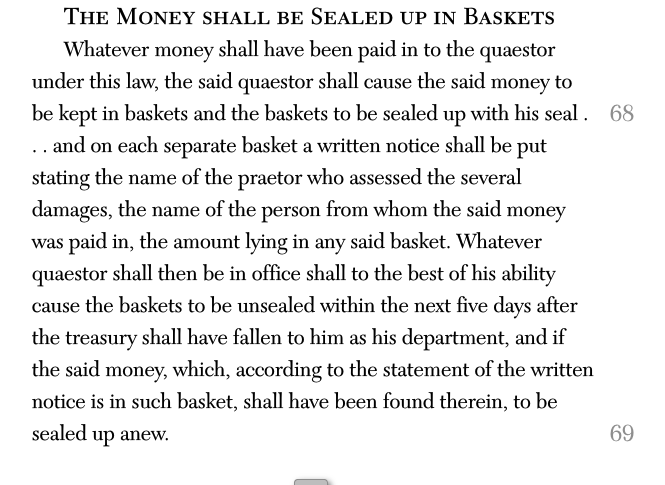
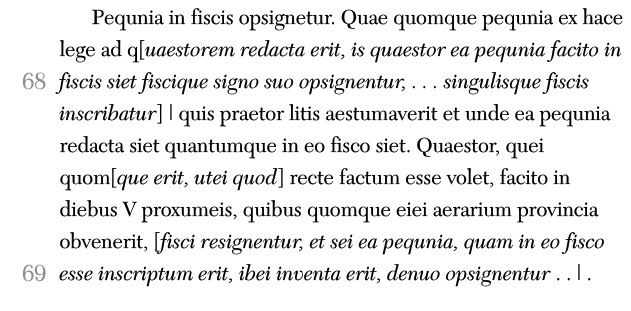
EDCS-20200006 dated to c. 123 BCE to 112 BCE
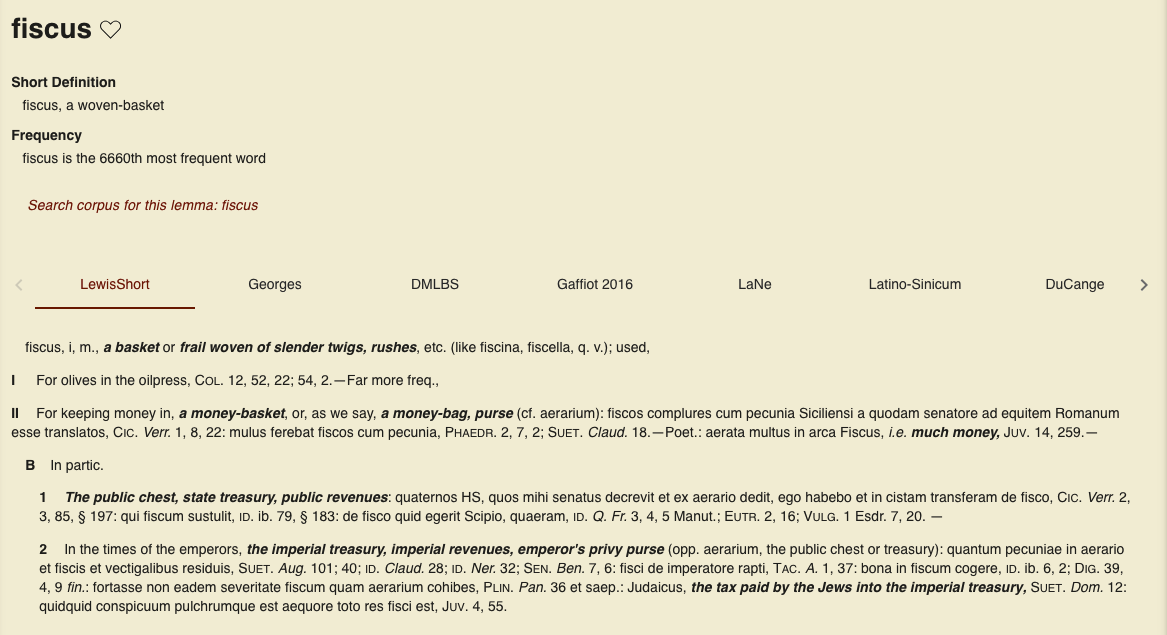

The Latin word fiscus gives us the English word fiscal.
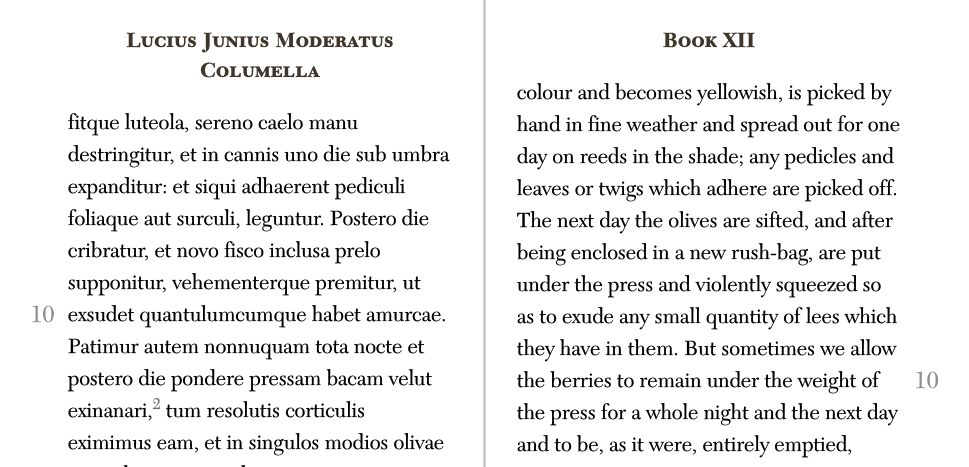
I’m delighted by the commonality of the term between the world of commerce and the processing of agricultural products.
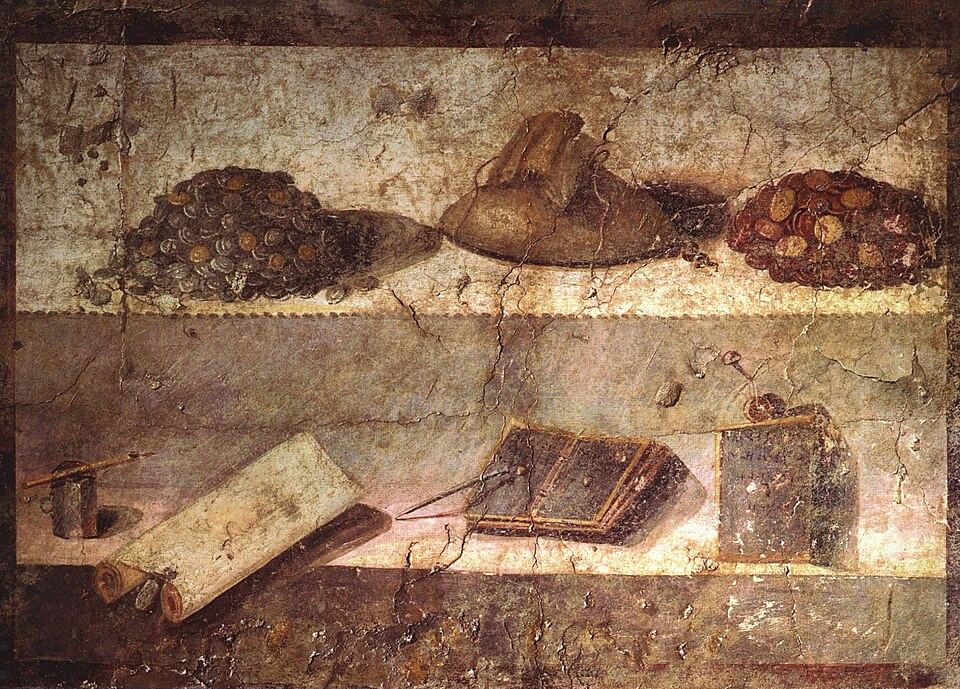
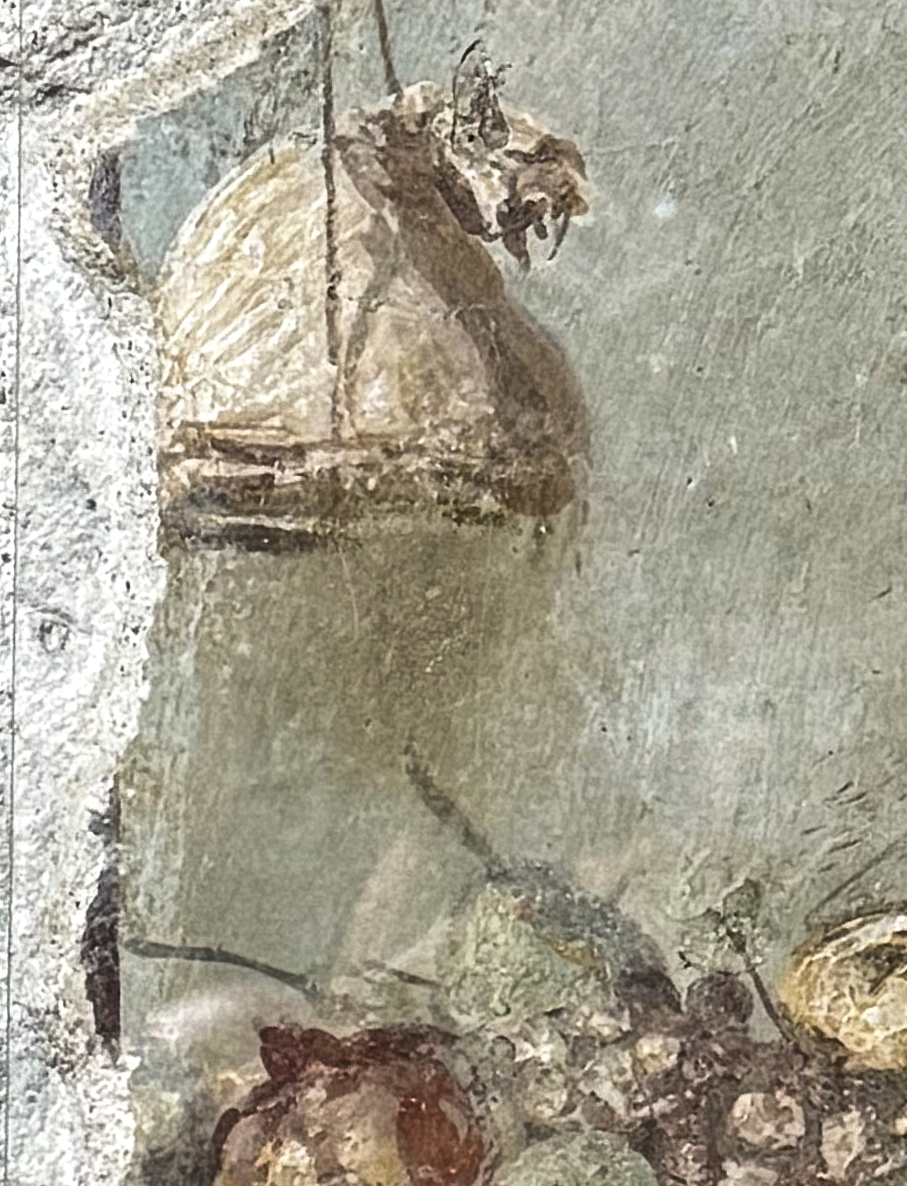
The most common images of money bags are for smaller amounts and made of leather or cloth:
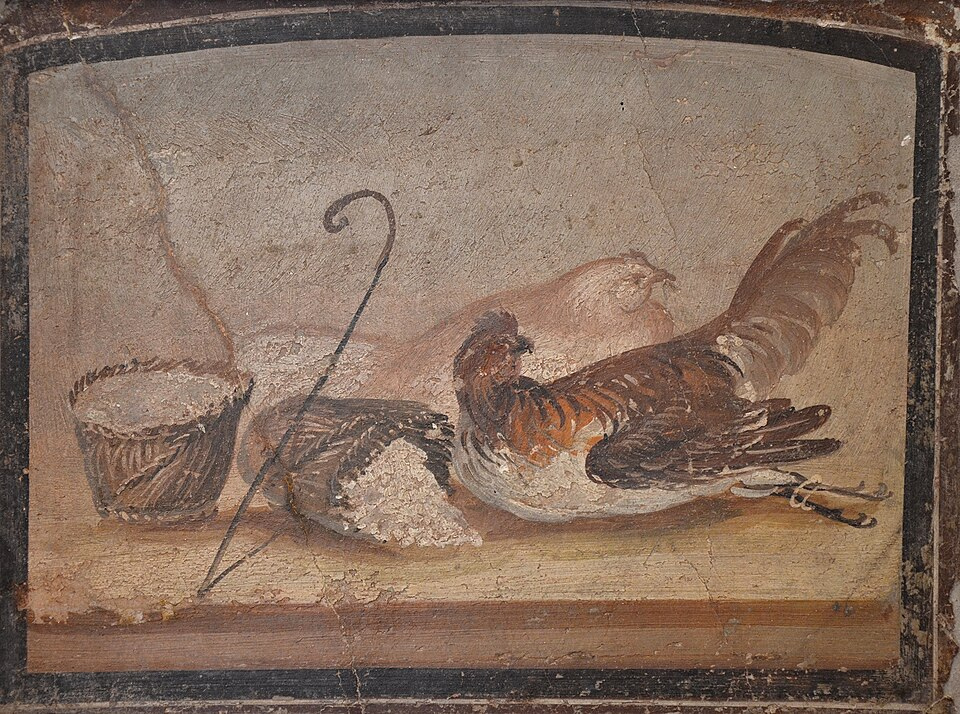
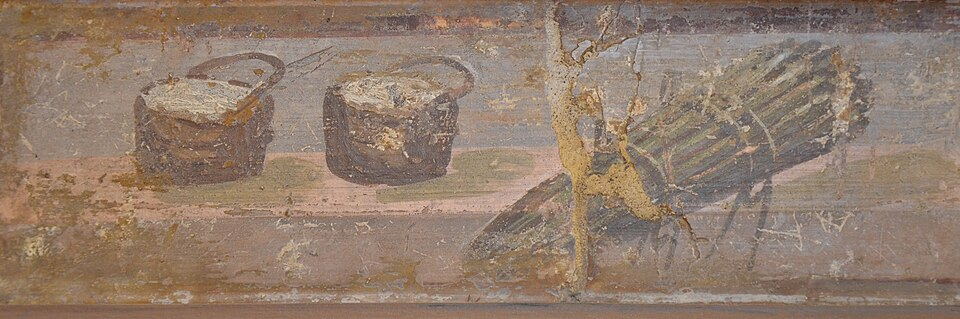
However cheese baskets (fiscella, the minature of a fiscus) look more like this, we think:
A Roman olive press looks like this:

Or like this:
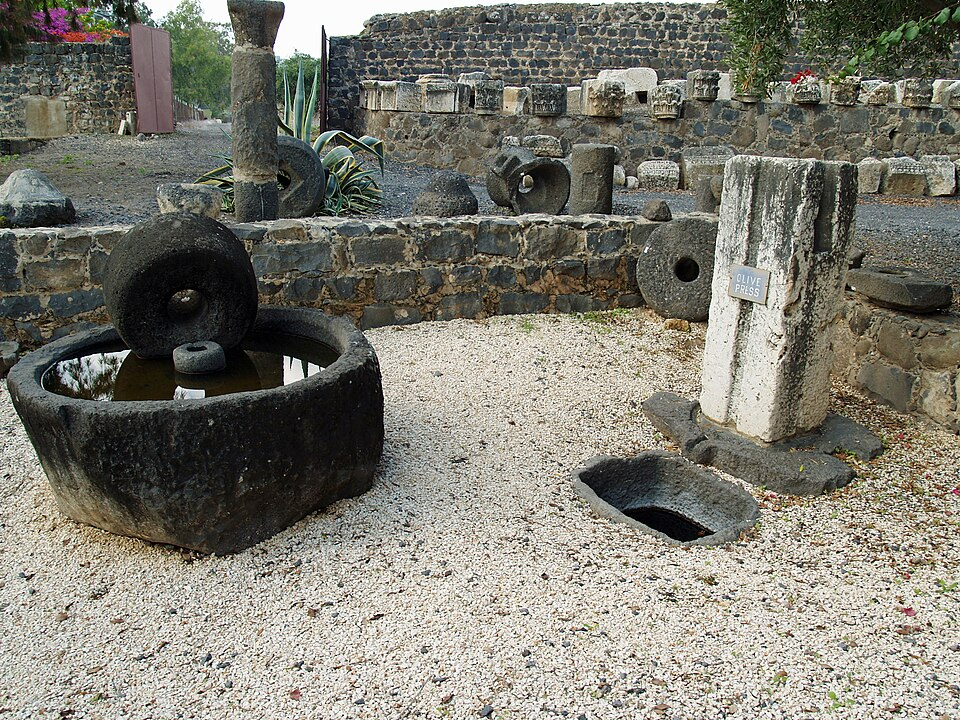

Fabrication de l’huile et pressoir à huile. Bas-relief sur un sarcophage. D’après l’Archäologische Zeitung, t. XXXV, pl.
There are also screw presses but these are less common.
My point is that the fiscus as a basket must withstand the crushing weight of probably the first type of press above. AND let the liquid out without letting through bits of the olive flesh or crushed pits.
Cheese too needs to be drained of the whey while retaining the curd, especially in a fine fresh cheese like a ricotta, often by pressing.
The woven basket character is confirmed by another diminutive.

I’m also delighted in the first passage with all the discussion of sealing and labelling. It fits so nicely with the tesserae.
Tesserae Nummularia Posts
I guess one day I’ll have write all this up as an article. One day…
—
update 10/3/26 more on baskets
Verres I.24
My election was upon me; and here, as in the trial, a great sum of money was fighting against me. The trial was approaching; and in this matter also those baskets of Sicilian gold were threatening me.
Urgebant comitia, et in his ipsis oppugnabar grandi pecunia: instabat iudicium; ei quoque negotio fisci Sicilienses minabantur.


.jpg)
.jpg)