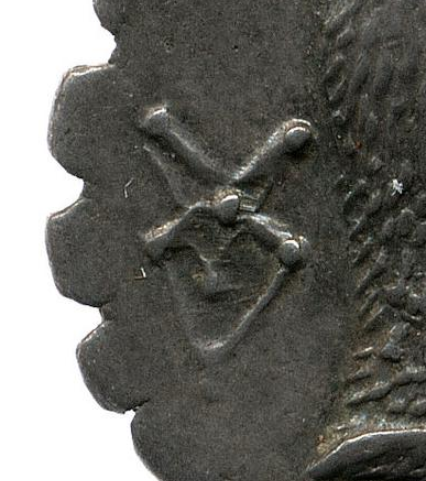
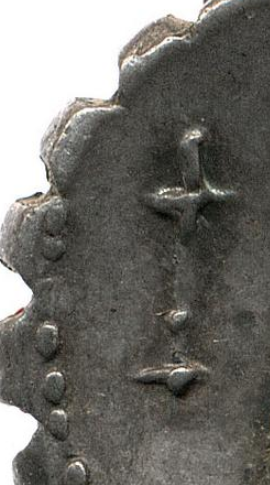
Listed as unknown symbols by Crawford and others, but correctly identified by Fava.
RRC 412: 59 BCE (so Hersh and Walker and Hollstein)
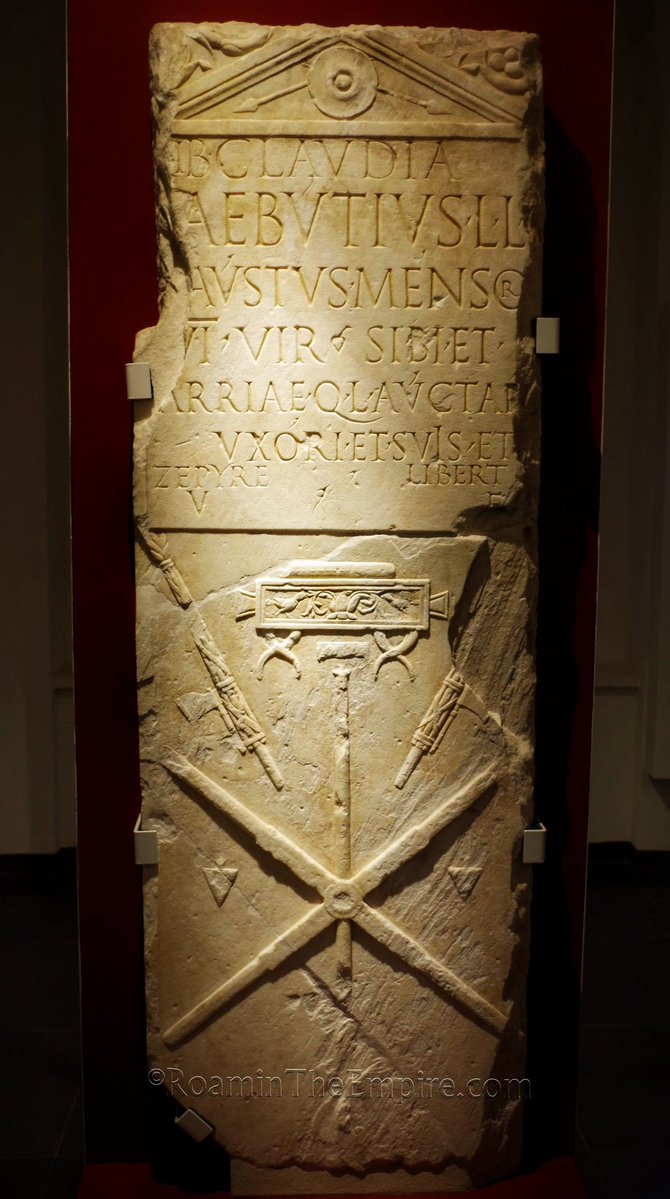
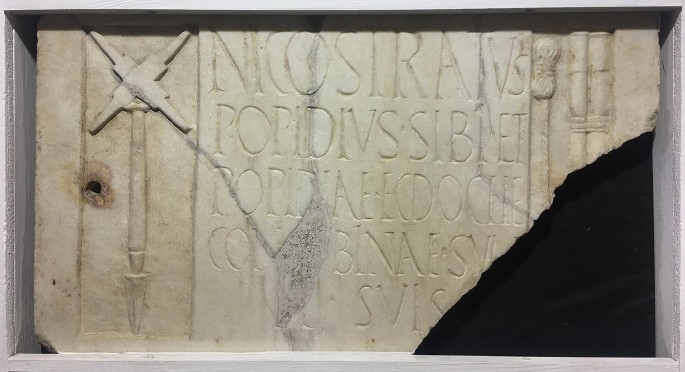
Notice this depiction uses show two plumbs being used the not four typically used for reconstructions.
Yale specimenGroma as obverse control mark on BM specimenFerramentum as reverse control mark on same BM specimenThe Schaefer Archive documents five specimens of this die pair / control mark pair.Uncertain whom to credit for this useful diagram
So numismatics is exceptionally lucky to have a well developed disciplinary ontology and thus a well established culture of using linked open data, all thanks to nomisma.org.
However, what the heck an ontology actually is and why it is essential to how we use and build digital tools isn’t always super clear, esp. to non-tech people. Max Ved nicely breaks it down for the laiety in these two blog posts:
BMCR 2019.08.47, Master reviews Ann Vasaly, Livy’s Political Philosophy: Power and Personality in Early Rome. New York: Cambridge University Press, 2018.
Key excerpt
“Chapter 5 presents the Quinctian family as positive models of patrician behavior, “anti-Claudii” (80), who promote domestic concordia. In Vasaly’s reading, Livy’s Quinctii, especially Quinctius Capitolinus and Cincinnatus, transcend the self-interest and personal ambition so characteristic of the historian’s early republican patricians. Vasaly zeroes in on the speeches of the Quinctii to the plebs to illustrate this aspect of their exemplarity. Capitolinus’ exemplarity lies in his frank assertion to the plebs that their freedoms ought to have limits and his indictment of popular leaders who have not the interests of the state in mind but their own self-promotion. Vasaly notes that Capitolinus’ rhetoric echoes Livy’s presentation of the dangers of plebeian oratory expressed elsewhere in the pentad.
The sixth chapter considers Livy’s presentation of the plebs collectively in the pentad. They are consistently shown to be the foundation of military success but also emotional and volatile, for the most part without prudence, though they occasionally act prudently when they feel respected. Vasaly makes the point that the plebs have the capacity to destabilize the republic but are more likely to be intimidated and abused by patrician rulers. The chapter then examines examples of bad and good leadership of the plebs. The lowest of the low in Livy’s estimation, according to Vasaly, is the elite demagogue who stirs up the plebs out of tyrannical ambition. Conversely, patricians who champion the cause of the people are especially praiseworthy, with the Valerian family being particularly notable in this respect. These patricians pursue concordia, but their specialty is redressing wrongs done to the plebs. Vasaly devotes the rest of the chapter to plebeian figures who, justifiably in the narrator’s view, lead collective action against elite abuse even if that action leads to widespread social unrest.”
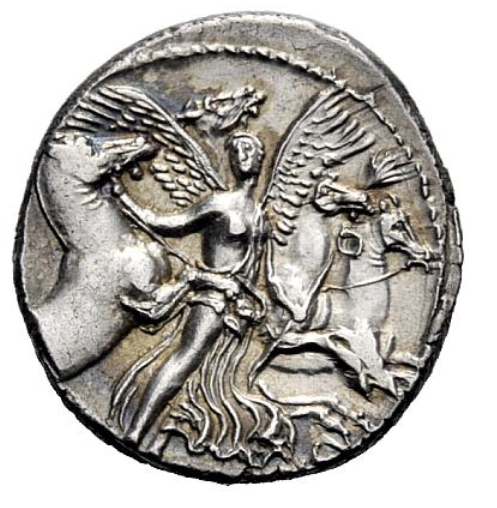
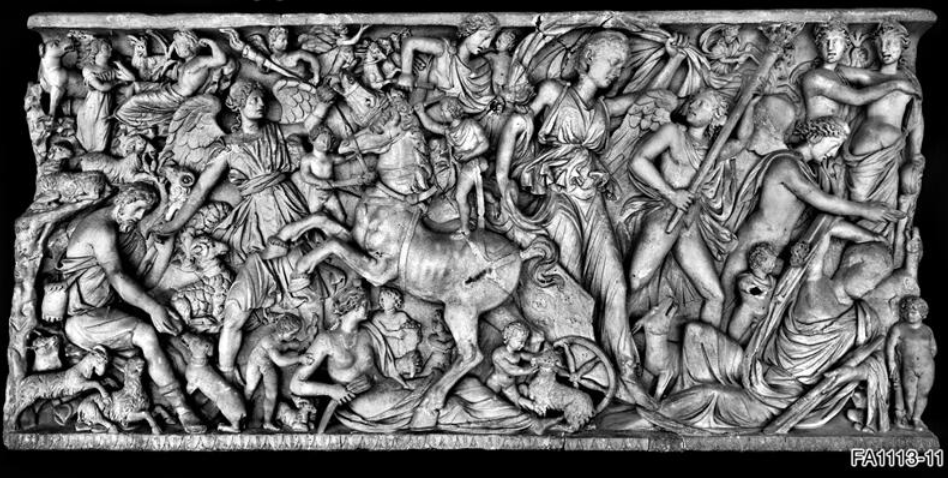
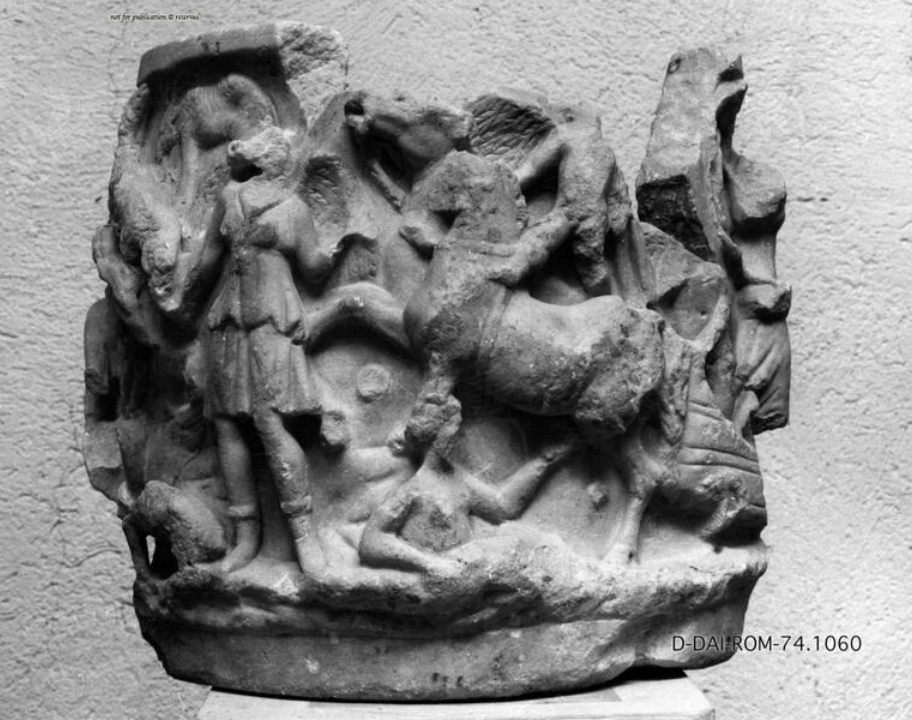
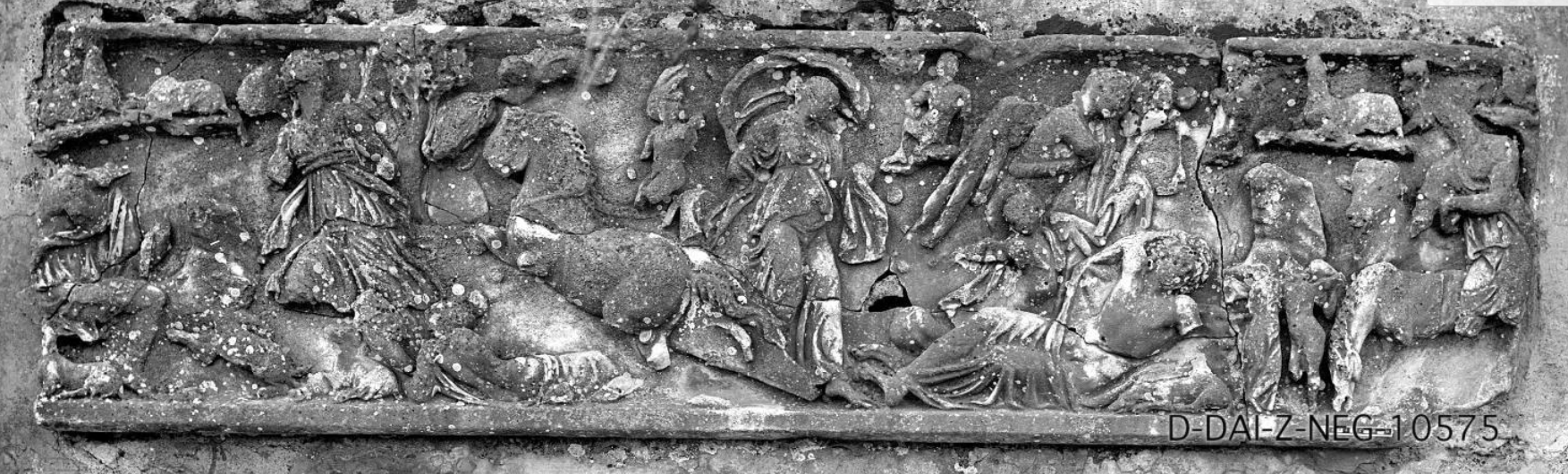
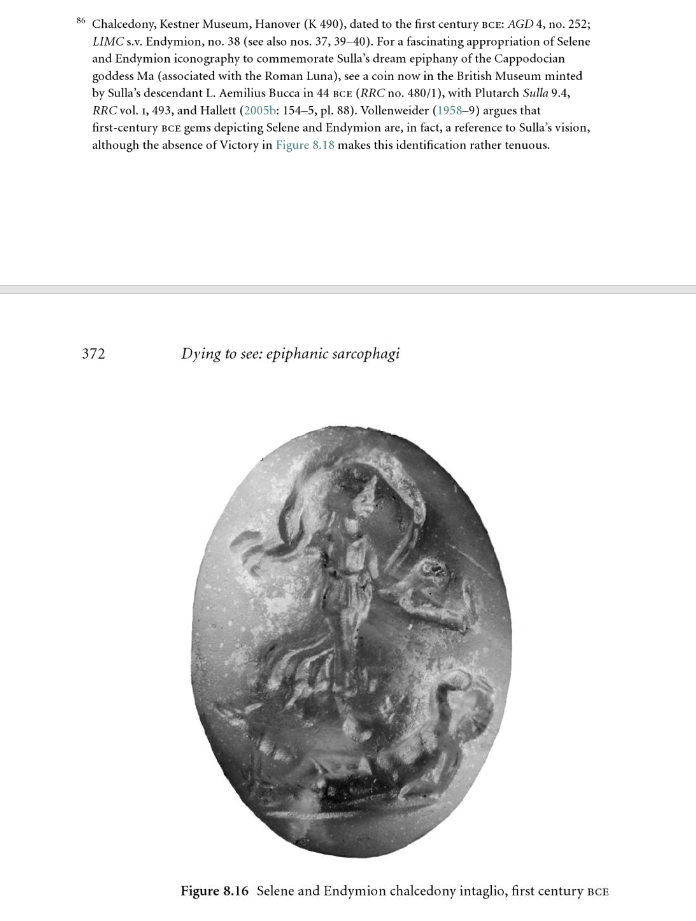
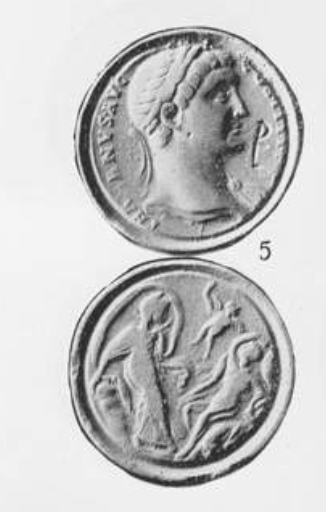
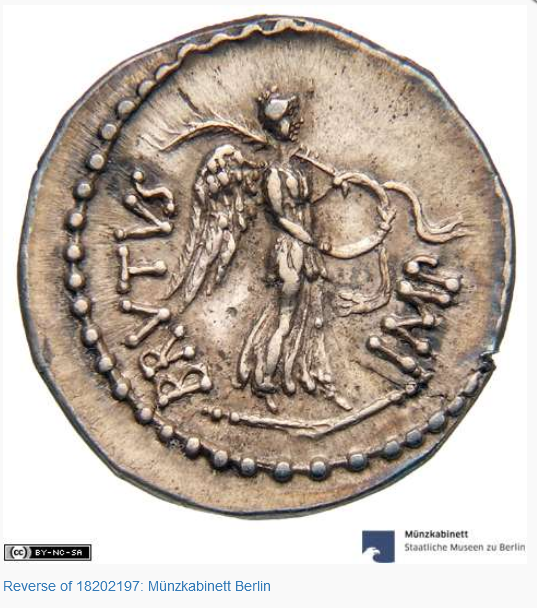
Jeton Düştü! Thanks to RRC 453. The figure with Endymion and Luna is not Victory but Aurora.
This is just a small selection of the frequency of the appearance of Victory in these scenes with Endymion. While (thus far) I’ve not found a literary role for Victory/Nike in the narrative most ancient artists clearly found her an essential component. Thus RRC 480/1 should be identified as Luna and Endymion NOT the dream of Sulla.
Thus I (partially) agree with Congrossi and Fears (I have a harder time seeing an allusion to Caesar):
Fears, J. Rufus. “Sulla or Endymion. A reconsideration of a denarius of L. Aemilius Buca.” The American Numismatic Society Museum Notes XX (1975): 29-37.
Abstract: “The reverse of the denarius of L. Aemilius Buca portrays Selene and Endymion, not the dream of Sulla. It was issued after Caesar’s assassination and served as a funeral tribute to him.”
Cf. Fears, J. Rufus. “Sulla or Endymion ? A denarius of L. Aemilius Buca.” American Journal of Archaeology LXXVIII (1974): 165.
Cogrossi, C.. “Il denario di L. Aemilius Buca e la morte di Cesare.” Contributi dell’Istituto di Storia antica dell’Università del Sacro Cuore IV (1976): 169-178.
Abstract: “This denarius must have been struck between the end of April and June 44 BC. J.C. Contrary to the opinion of A. Alföldi (cf. APh XXXIV p. 458), it is not the dream of Sylla that he represents, but the sleep of Endymion, and he thus alludes to the death of Caesar. Neither the title of Dictator nor that of Parens Patriae appears there, but simply that of the monetary L. Buca. The currency, which does not admit the divinity of Caesar, but does not deny him the merits of the great man, corresponds well to this precise moment.”
Nothing about Victory in Borg or Zanker and Ewald, and Platt says the following:
What’s up with the filleted scepter on Antony’s ship series ? Cleopatra’s ships?
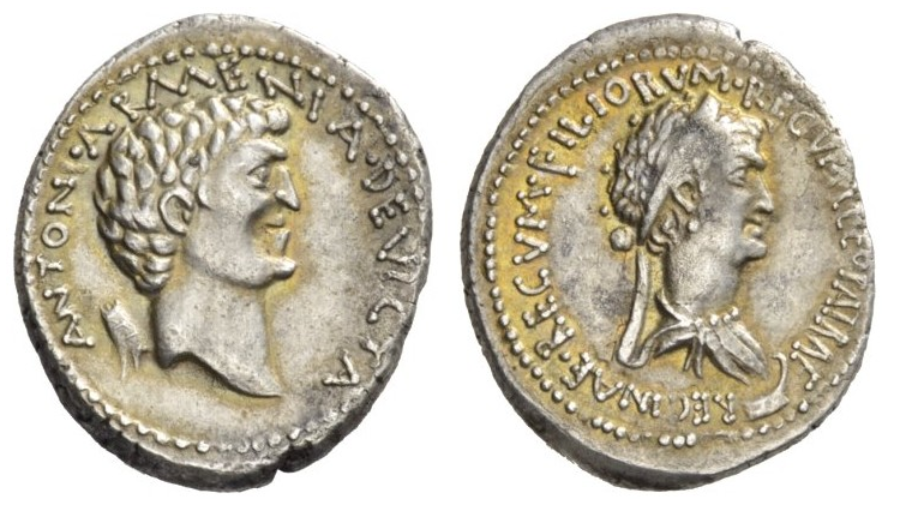
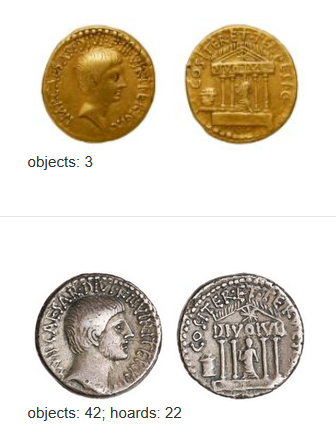
NAC 78, lot 775 (provenance and current whereabouts unknown to me) illustrating RRC 543/1. Note Cleopatra’s regal titulature and the tiara behind Antony.RRC 539/1 – tiara as regal symbol of defeated enemyRRC 540 – IRL temple obscures Regia, thus visually replacing it from the perspective of the Roman Forum, but even though temple functions that way, coin does not invoke that same symbolic action.
RRC 494/3 – Aeneas
RRC 494/42-43 – Cloacina perhaps evokes Tarquin or Tatius legends?! esp the latter when paired with Concordia?
Do the fasces and curule chairs disappear in the Augustan era iconography because they recall regal power (esp. given the lack of Collegiality in the dictatorship)?! Cf. RRC 497/2
Is libertas always anti Regal? (And why do we assume veiled heads are libertas when not labeled as such on the obverse?! cf. RRC 502/1-3)
RRC 507/2 – broken scepter but what precisely is victory doing with the diadem?
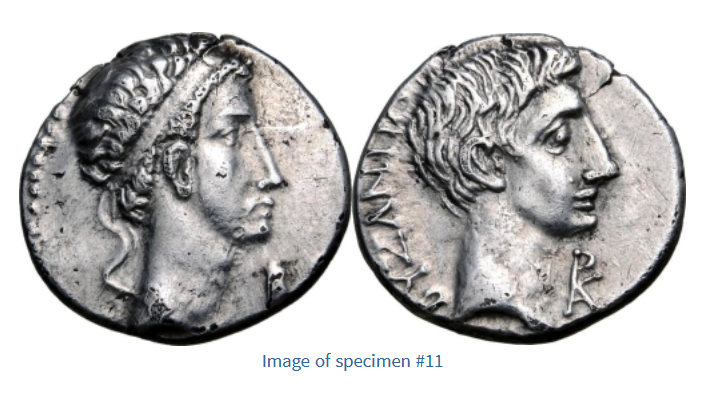
To what degree is putting one’s own head or the head of one’s living leader on a coin a regal move in the eyes of a Roman audience? I lean away from the significance given prevalence in the civil war post ides period.



















 Liv Mariah Yarrow