A Statue on the Capitoline

Aemilius Lepidus, puer etiam tum, progressus in aciem, hostem interemit, civem servavit. cuius tam memorabilis operis index est in Capitolio statua bullata et incincta praetexta senatus consulto posita: iniquum enim putavit eum honori nondum tempestivum videri qui iam virtuti maturus fuisset. praecucurrit igitur Lepidus aetatis stabilimentum fortiter faciendi celeritate, duplicemque laudem e proelio rettulit, cuius eum vix spectatorem anni esse patiebantur: arma enim infesta et destricti gladii et discursus telorum et adventantis equitatus fragor et concurrentium exercituum impetus iuvenibus quoque aliquantum terroris incutit, inter quae gentis Aemiliae pueritia coronam mereri, spolia rapere valuit.

While still a boy, Aemilius Lepidus went into battle, killed a foeman, and saved a fellow countryman. As a token of so memorable an exploit, a statue was placed on the Capitol by decree of the senate with a locket, enveloped in a boy’s gown. For they thought it unfair that one who had already shown himself mature for valour should be held unripe for honour. So Lepidus ran ahead of the firming that comes with age by his precocious gallantry and brought double glory back from a battle which his years would scarce allow him to watch. For hostile arms, drawn swords, darts flying here and there, the noise of advancing cavalry, the violence of conflicting armies strike some terror even into grown men. Amid it all the boyhood of the Aemilian clan could win a crown and seize a spoil. (Val. Max. 3.1.1)

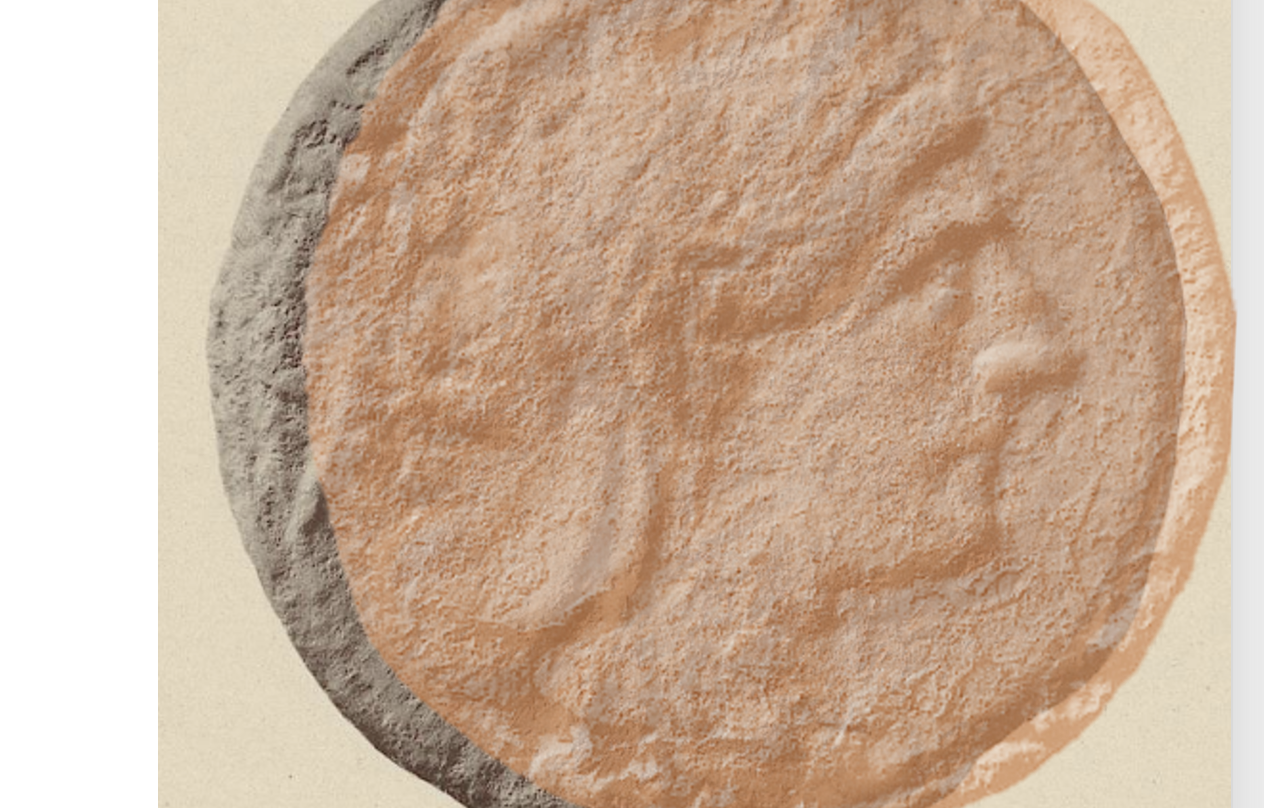
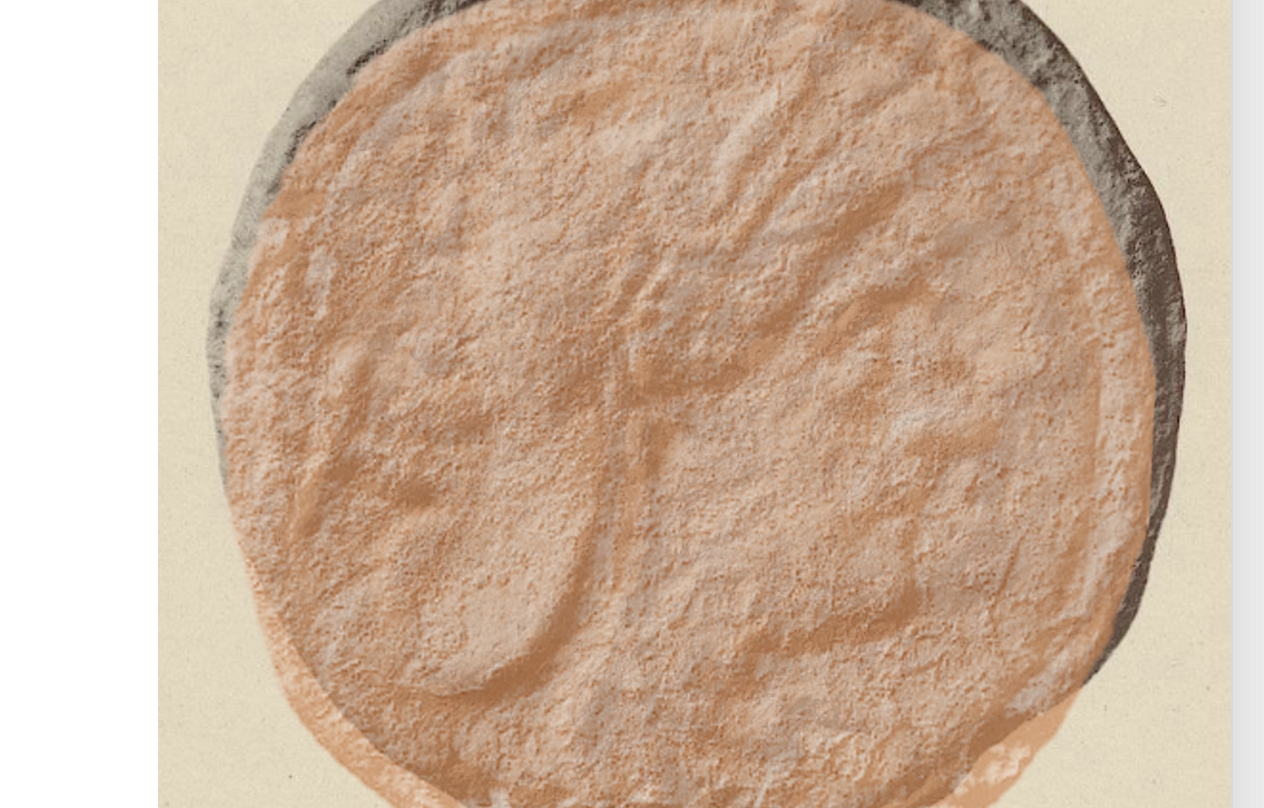
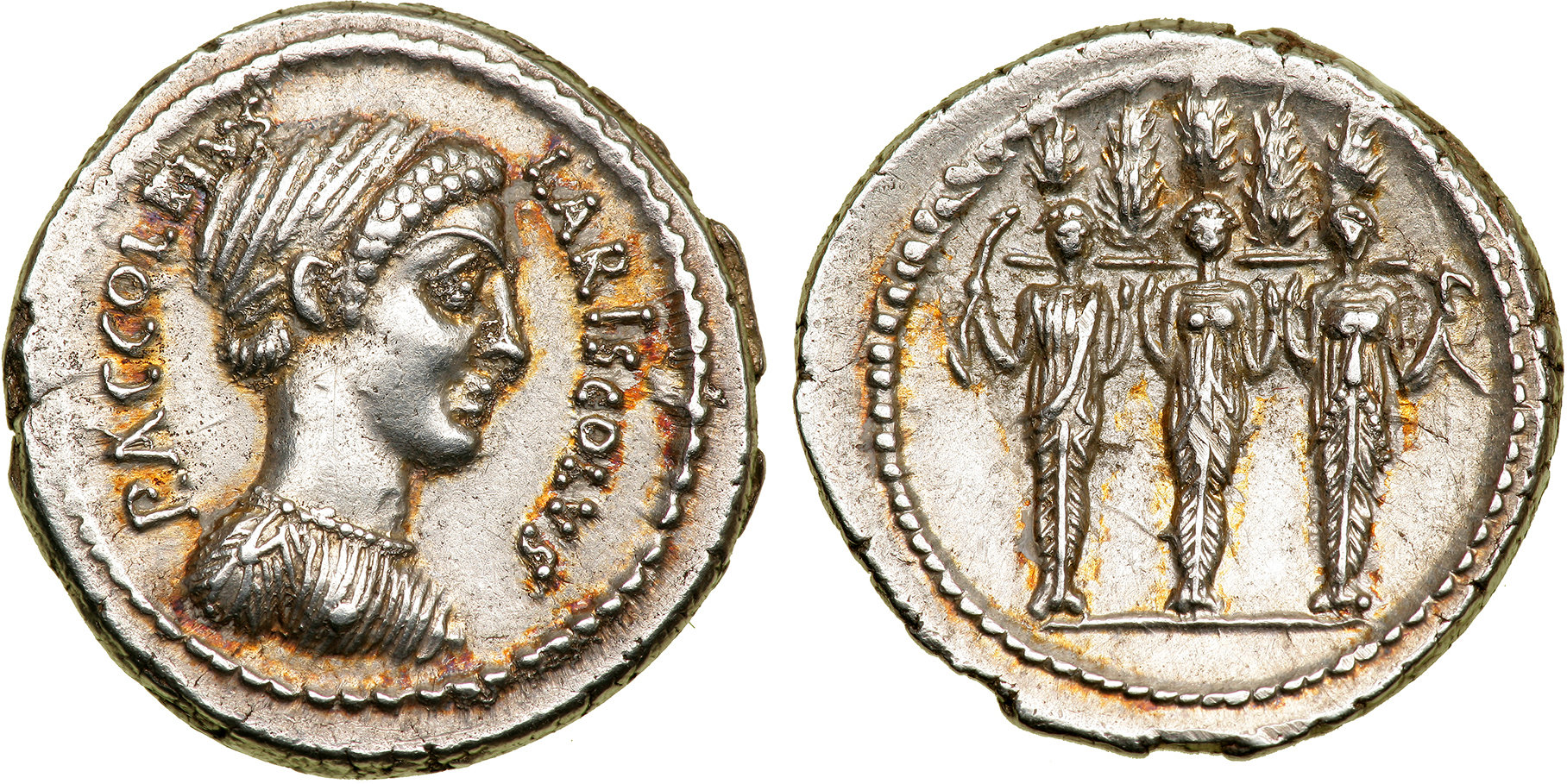
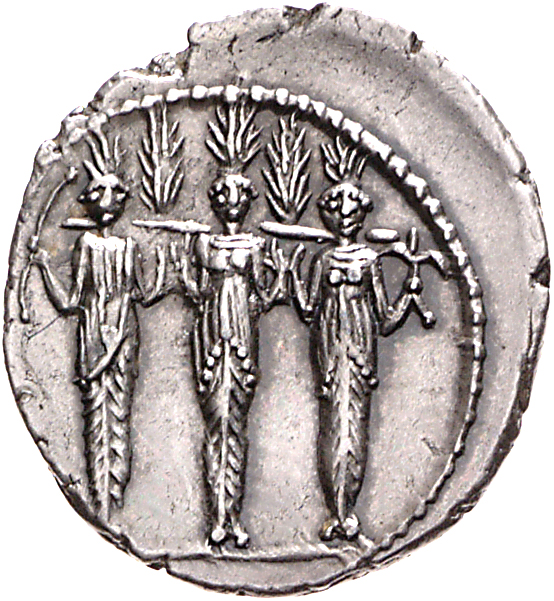
I think the ID of the reverse of RRC 419/1 is correctly identified as this statue, but I wanted to note the visual representation differs from the literary text. No trophy, different costume. Above is clearly appropriate military garb, not the clothes of a male citizen child.

I’m here posting this as I think there is a chance that this statue is the same one shown much earlier by M’. Aemilius Lepidus c. 111 BCE (RRC 291/1).

I got here because of how similar the obverses are, both unidentified goddesses with both crown and laurel wreath and that they are made by members of the same branch of the same gens and both have statues on the back.

Crawford has the moneyer as the father of the consul of 66 BCE and the son of the consul of 126 BCE BUT we don’t know how the family tree goes back after. Who is the father of the consul of 126 BCE? Is it the consul of 158 BCE? Is it the son of the consul of 187 BCE who was military tribune in 190 BCE? How many kids did the consul of 187 BCE have anyway? The DPRR team entertains the idea that he could have been the father of 158 BCE or even the cos of 126 BCE or the cos of 137.

We just don’t know. But could this Manius be celebrating a Marcus as ancestor? Sure even if the relationship isn’t true.

Handout for Today’s Numa Lecture

Handout link

Update 10/27/22:

Relevant Bibliography

Corre, Nicolas. “La prière secrète du pontife ou Silence et murmure, des gestes vocaux signifiants dans la tradition religieuse romaine.” Revue Belge de Philologie et d’Histoire = Belgisch Tijdschrift voor Filologie en Geschiedenis 95, no. 1 (2017): 39-58. Doi: 10.3406/rbph.2017.8988

Plutarch evokes, on the subject of the punishment of an incestuous vestal, the “secret prayers”, εὐχάς τινας ἀπορρήτους, pronounced by the great pontiff (Num. 10, 12). This is a public rite officiated by a state executive, whereas “secret” prayers are usually associated with private and magical rites. The prayers ἀπορρήτοι of the pontiff are not ineffable but inaudible because pronounced in a low voice; they can be compared to the “murmur” of the haruspex or the “ignorata” prayer of the pontiff during the burial of lightning and are associated with gestural communication. The “secret” prayers take place in a rite of inversion, of setting aside the pontiff from the rest of the citizens and of separating the vestal virgin from the world of the living, in an evocation of the “funus”. The rite is part of the “sacra occulta” which fall completely within the scope of Roman public religion.

A symbolic representation of time?

RRC 422/1

This reverse type is accepted to celebrate the destruction of Privernum in 329/328 by Gaius Plautius Decianus Hypsaeus the consul. He triumphed on 1 March. BUT what does Jupiter and a Scorpion have to do with that?

My colleague Lucia Carbone recently published an ANS Magazine piece on the Alexandrian Zodiac coins.

Mars in Scorpio with Antoninus Pius

I wonder if the family claimed a tradition that the triumph or the actual sack took place when Jupiter was in Scorpio. The Augustan era fasti list the triumph as being held on the Kalends of March. So I guess scorpio might represent March as it is the month of Mars and Jupiter the triumph. That seems an unlikely stretch.

Round up of Campana Iconography

I’m mostly interested in how the plaques can help us better understand the material world of the late republic, so the themes below are architecture, statues, rituals, spectacles, etc… But also a little of the iconography of gods that appear on coins.

Parade Scene Plaque ; very similar; fragment of similar

Signed Circus plaque

Circus scene: two facing quadriga, monument in middle

Hunt scene set in circus or forum ; similar depiction of spectators but details different; another full scene but almost mirror image of first ;

Theatre scene: 3 actors ; fragmentary version

armor metopes: curaiss, cross oval and square shields; another but with Macedonian shield

prisoner parade

Colonade: two herms, two urns, boxer statue; another very similar; colonade and pediment: four athlete statues flanking a statue of Hercules; colonade: two urns and hercules statue; colonade with pediment: three athletes, one or two herms, vessel and basin on pedestal

trophy with square shield

Gallic trophy and prisoner(s?) (signed)

fragment of a scene with statue (Athena?) on column and building (round shrine?) in background

boar and foot fragment

round shrine (tholos with spiral columns and metope frieze; a more complete version but with less detail in execution of architecture; similar to last; nilotic scene with spiral columns, spiral column fragment; another spiral column; and another; and another; and another; still another;

fragment of architectural detail containing volute capital

fragment with bear

Cupid next to prize table with Archaic female statue, cock beneath

Mars, Apollo and a bird perhaps a raven, reminds me of earlier blog posts about mars and birds ; perhaps also something about Augury? (Louvre) Notice also Mars is youthful with flowing hair (another very similar plaque)
Mars, Jupiter, Hera, Minerva. Notice youthful representation of Mars and his hair. (Louvre)
Column? Head? Female? Youthful male? Athena? Roma? Mars? Definitely Phrygian helemet. Draped pole. Mast? or curtain rod? Man’s face in profile. Is he tied to the mast? (link)
The left hand statue in Hermes/Mercury with caduceus in right hand and likely a purse in the left. The figure on the globe is confusing, maybe a draped herm? perhaps of Hercules with lion skin. I can’t tell what the object is to the right of the globe is… Offering table? Something else? (Louvre)
triumphal arch, perhaps Augustus’? But not a great match for any numismatic representations (Louvre)
RRC 1.2 Aug 359
RIC 1.2 Aug 135
The cow suit! Pasiphae and Daedaleus! Another version maybe just differently restored?!

Update 1/11/23:

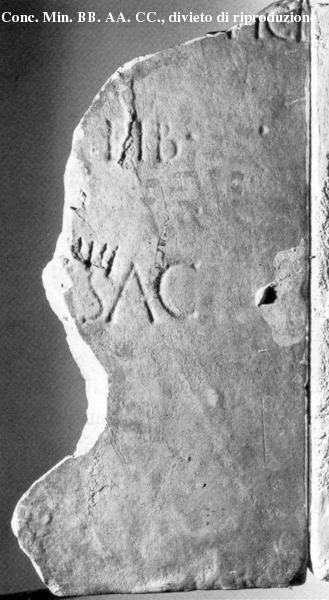
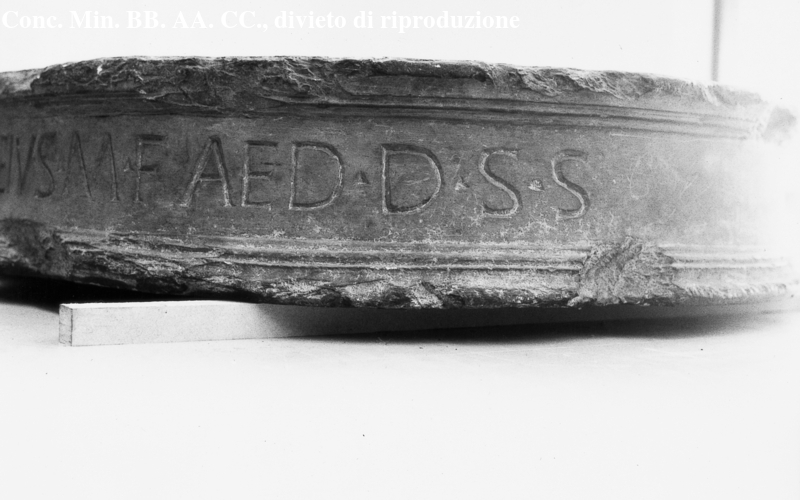
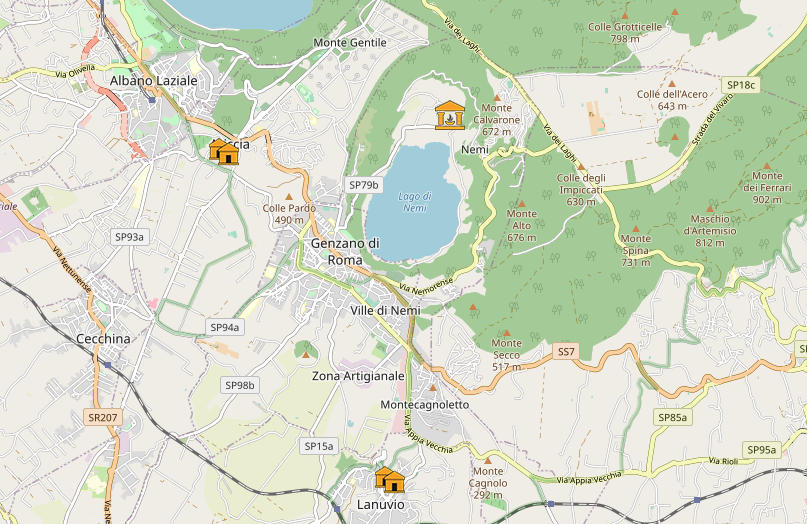
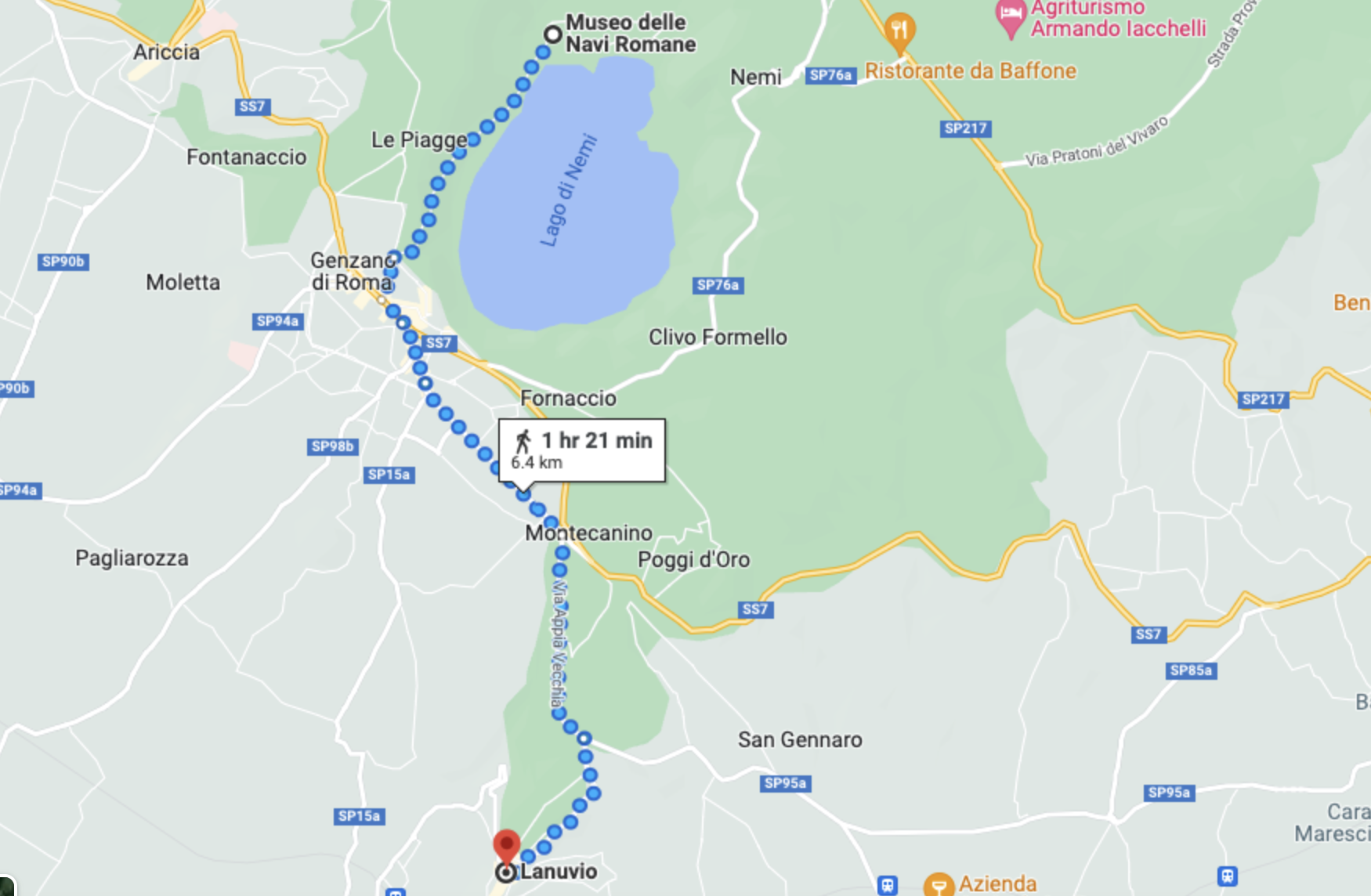
On display at Museo delle Navi Romane di Nemi, perhaps clue there to original location?

Update 19 – June – 23:

Arachne : cf. RRC 344/1
Arachne found on the Esquiline, now in Celio collection
Museo Nazionale Romano (Terme Museum) Rome. RBU2015.5715. Flickr (another image of same)
Flickr (location of object beyond ‘Rome’ unknown to me)
Raddato image

Odysseus’ Return

Louvre Campana Plaque (relief)

Eumenes, Argos, Ulysesses, Eurecleia

I digitally recombined the photos to may the scene easier to read. Ulysses silences his old nurse as she recognizes him. There is a better preserved but worse photographed copy in the BM.

This other Louvre plaque has different boarder so likely from a different series. I wonder if the Odysseus fragment is original or a restoration.

Some Sirens (Louvre)

Funding for Faculty

an incomplete list mostly for my own use

Institute for Advanced Study, School of History (Princeton) – October 15 Deadline

Residential, salary replacement up to 39-78k, half or full year, no letters of reference required for those 10 years out from PhD!

Rome Prize (American Academy in Rome) – Nov 1 Deadline

residential, 15-30k plus housing, family friendly, 1/2 years and full years

ARIT (Ankara for ancient studies) – Nov 1 Deadline

residential, 4-12 months, 5k per month

Loeb Classical Library Fellowship – Nov 6 Deadline

non-residential, 1-40k

NEH public scholar book grant – Nov 15 Deadline

non-residential, 30-60k – can be be held with other awards, writing sample must be in the style of proposed book, if not actual sample chapter, letter of interest/intent from publisher recommended

ISAW – Nov 20

Center for Hellenic Studies (DC) – Dec 1 Deadline

residential, 5-40k plus housing, travel costs, one month, one semester, or full year options (not clear about partners/kids, must ask)

ANAMED (Istanbul) – Dec 15 Deadline

residential, covers local cost of living for singles and couples, but not families, some travel and research funds, 1/2 year for senior scholars, full year everyone

Berlin Museums – Dec 30 Deadline

residential, 1-3 months, 1200 euro stipend per month plus 500 euro for travel

Tytus Fellowship (Cincinnati) – March 15 Deadline

residential, $1500 a month plus housing, (not clear about partners/kids, must ask)

NEH Fellowship – April 15 Deadline

non-residential, 6-12 months max award: $60,000 ($5,000 per month) project can start in January, need not start with academic year (only about 7% of apps are funded)

Fulbright Awards

Start planning in Spring as lots of steps, Deadline in the Aug 15 to Sept 15 range typically

Guggenheim Fellowship – Mid September Deadline

Berlin Prize (AAD) – End of Sept

residential, 5k per month, plus housing, family friendly,

ICS fellowships are currently suspended but will likely resume in future (residential London)