Noah Kaye posted this ‘new to me’ image on the socials:
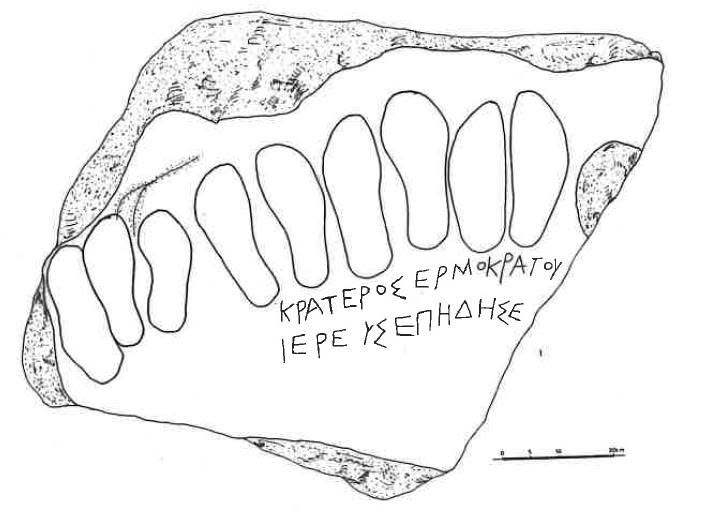
My first thought was how similar it felt in form to the Pietrabbondante bilingual roof tile. My all time favorite piece of material evidence from the ancient world. Here are some slides from my Roman Art class followed by some from one of my AIA lectures on Papius and Fabatus control marks. I really like Katherine MacDonald’s blog on this inscription.
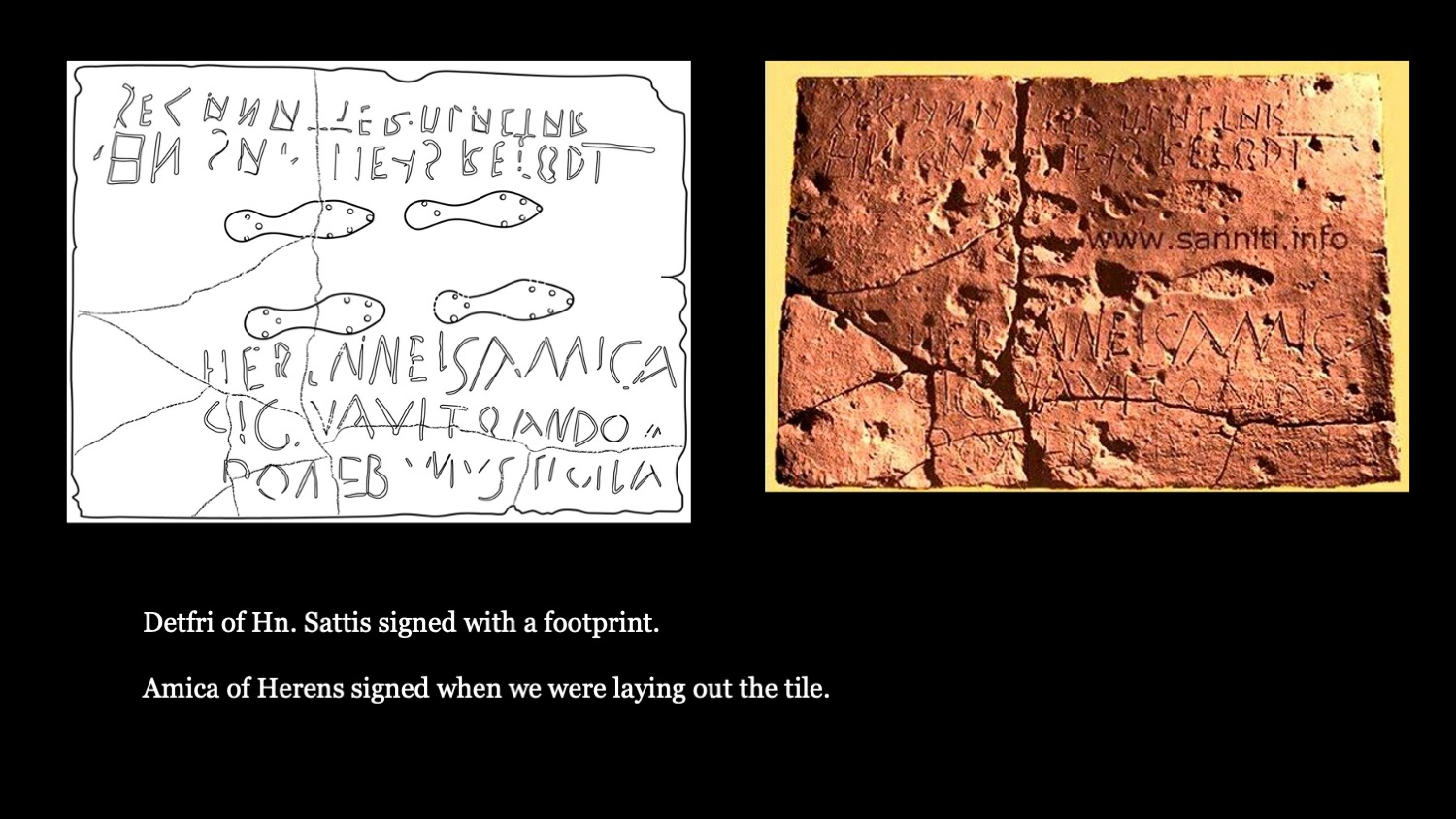
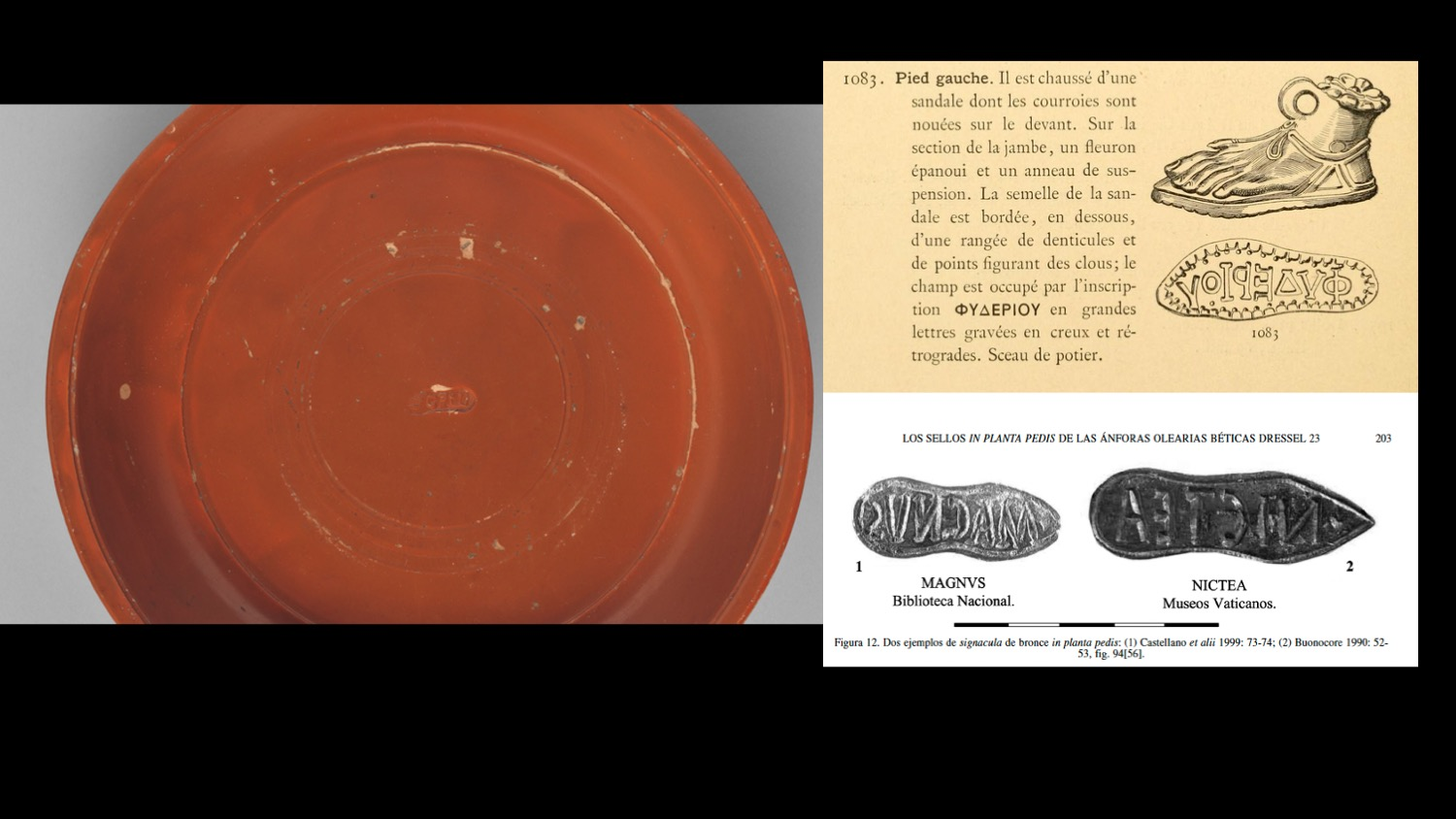
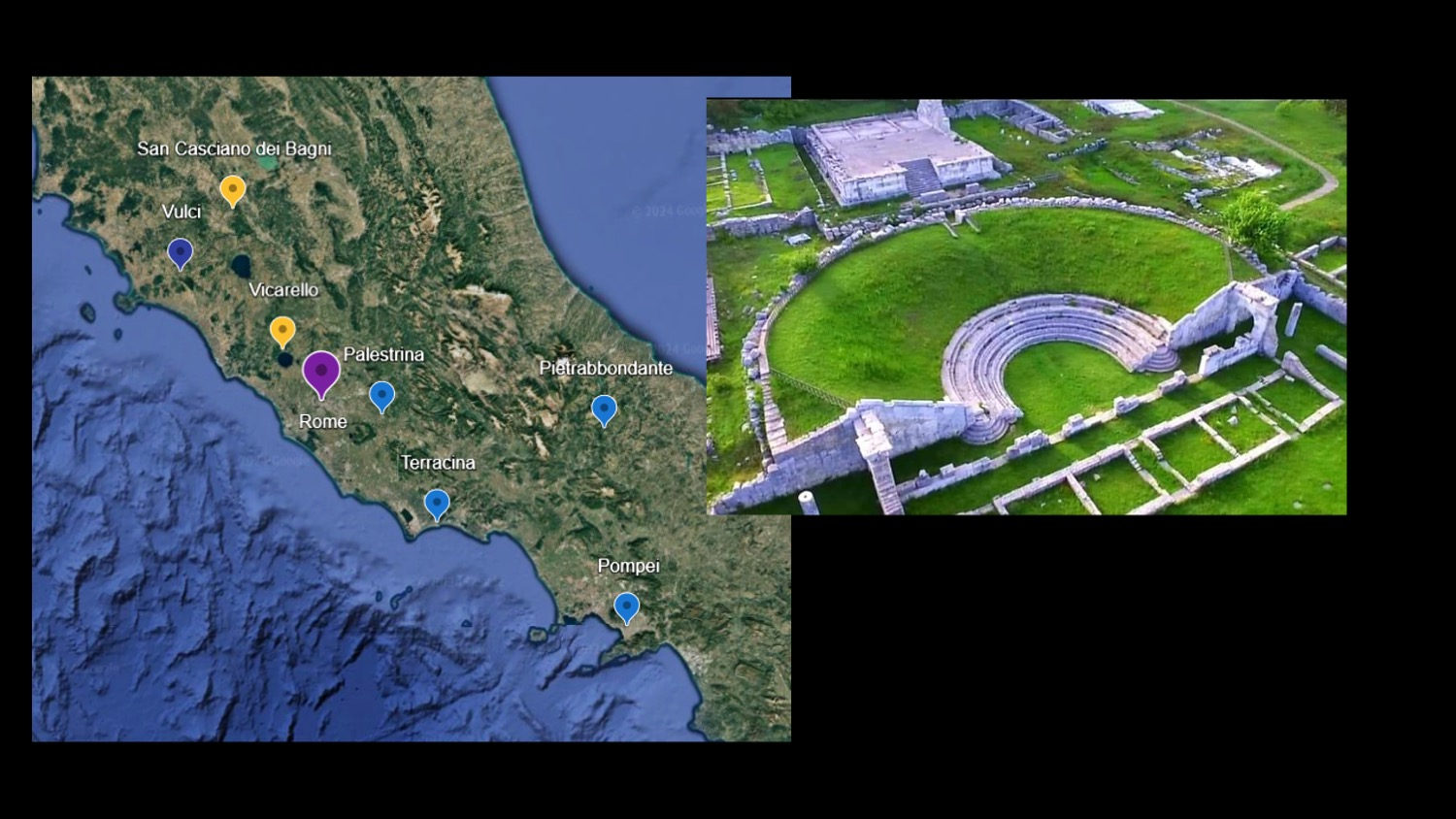
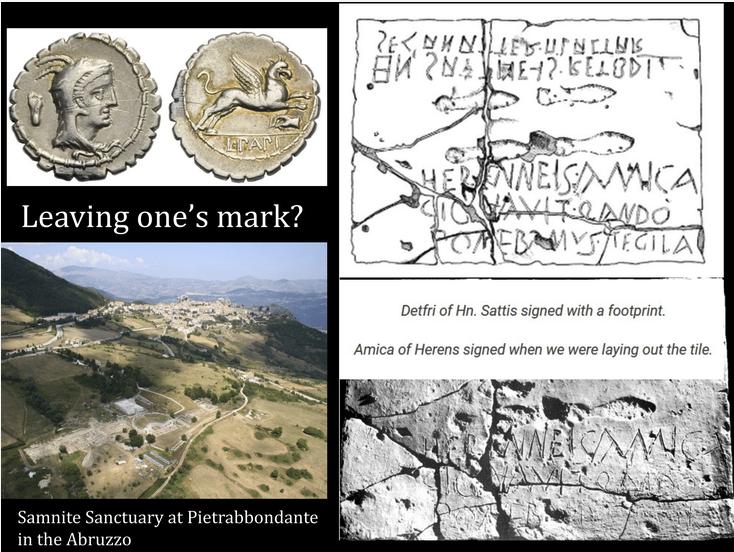
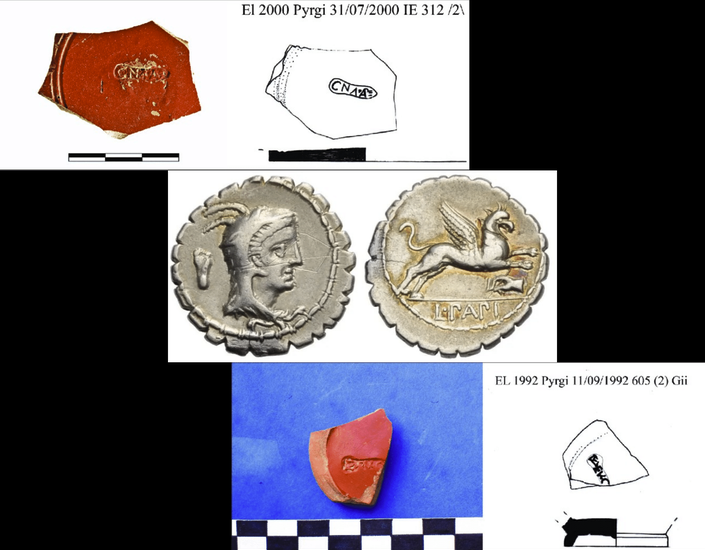
Can scholarship on footprint symbolism in the eastern Mediterranean and Anatolia help us understand Italic phenomenon or visa versa?
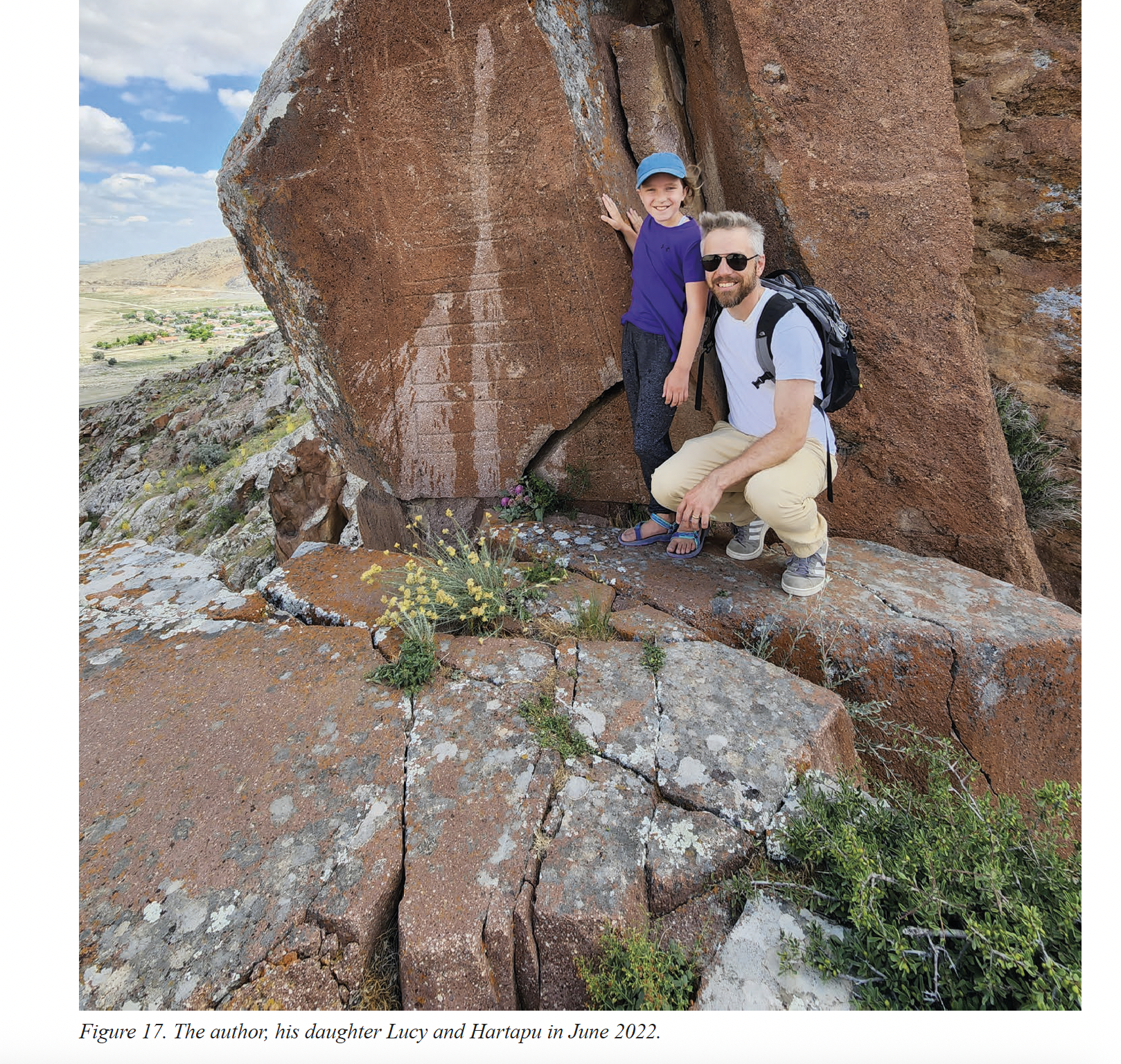
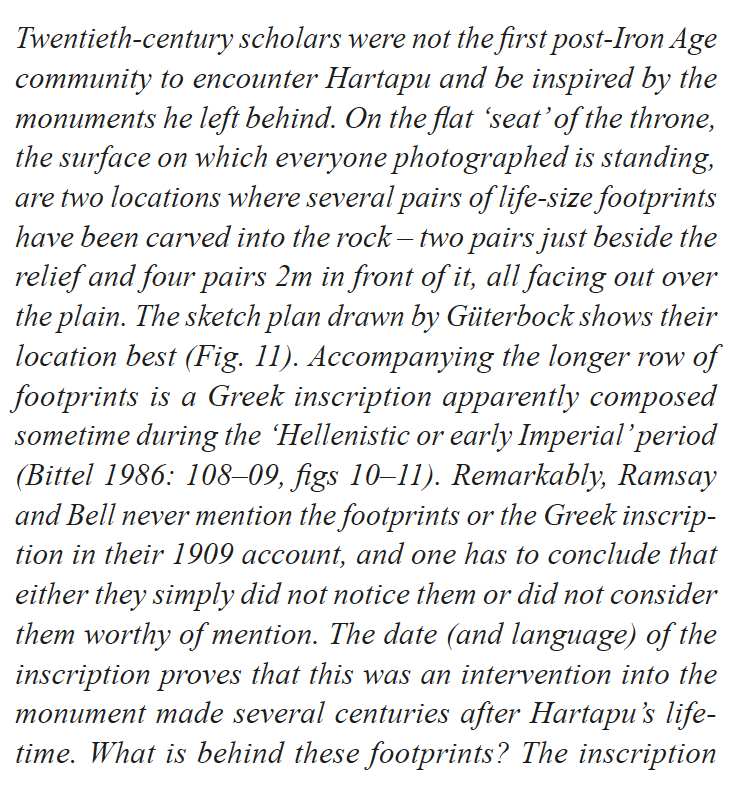
I ended up at this publication (open access):
Osborne JF. Imag[in]ing Hartapu: Reconsidering the rise of an Iron Age kingdom. Anatolian Studies. 2025;75:1-27. doi:10.1017/S0066154625000043
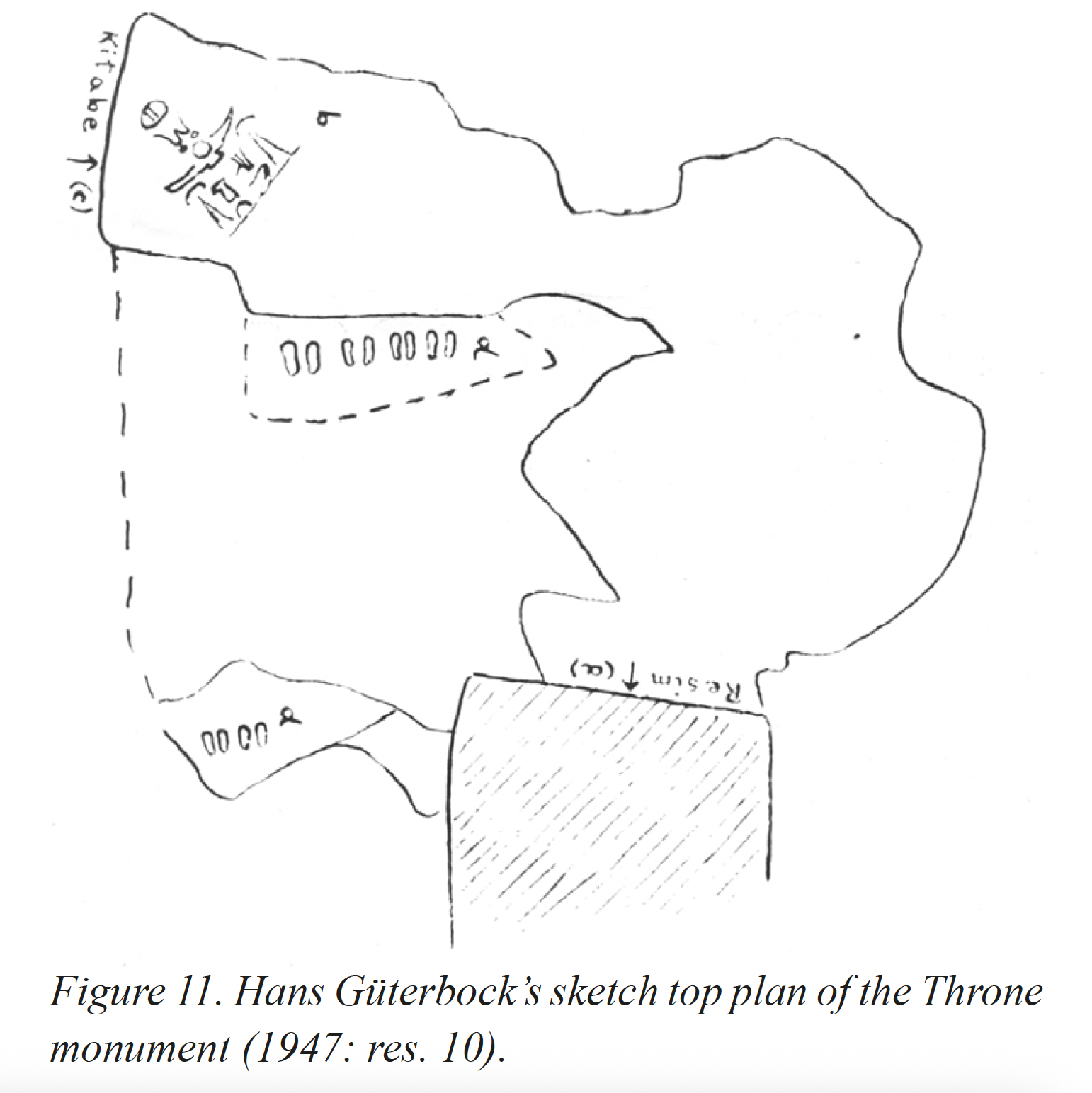
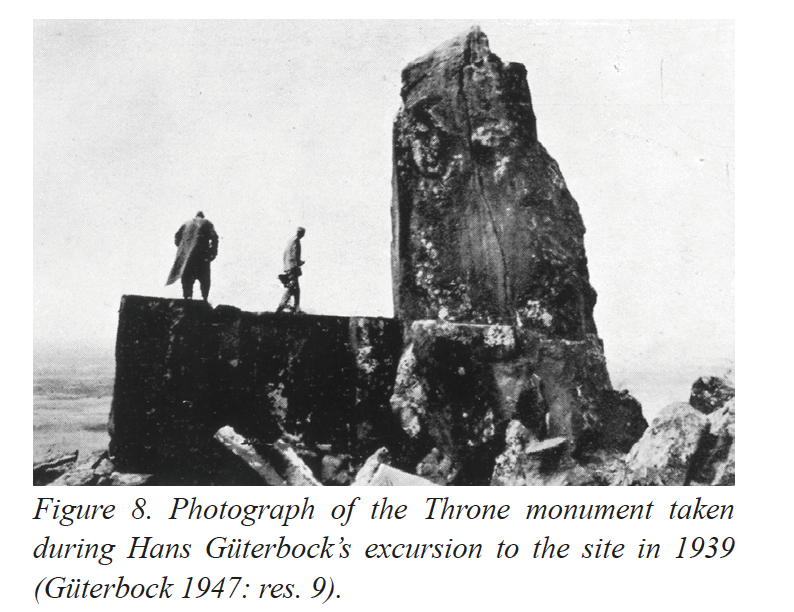
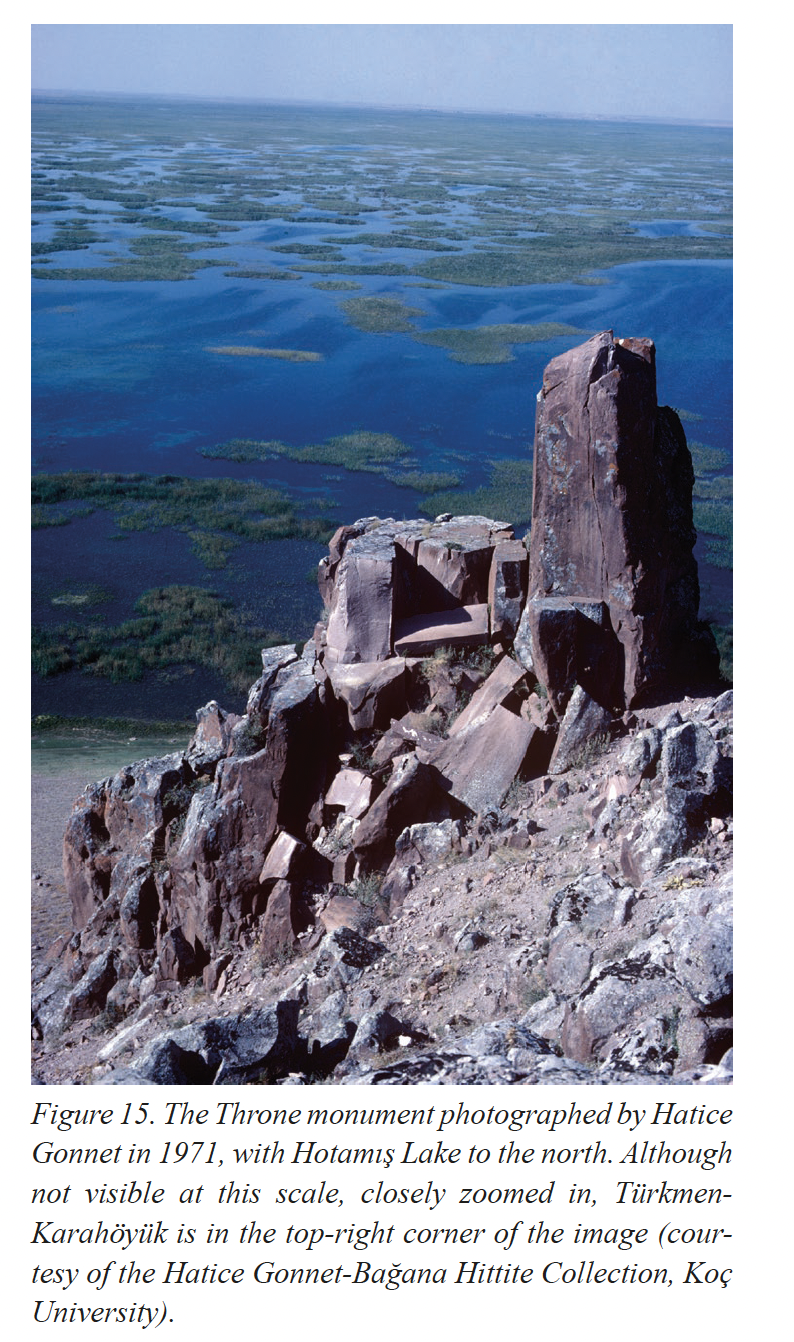
#GOALS (get cute photos of kids into publications!)
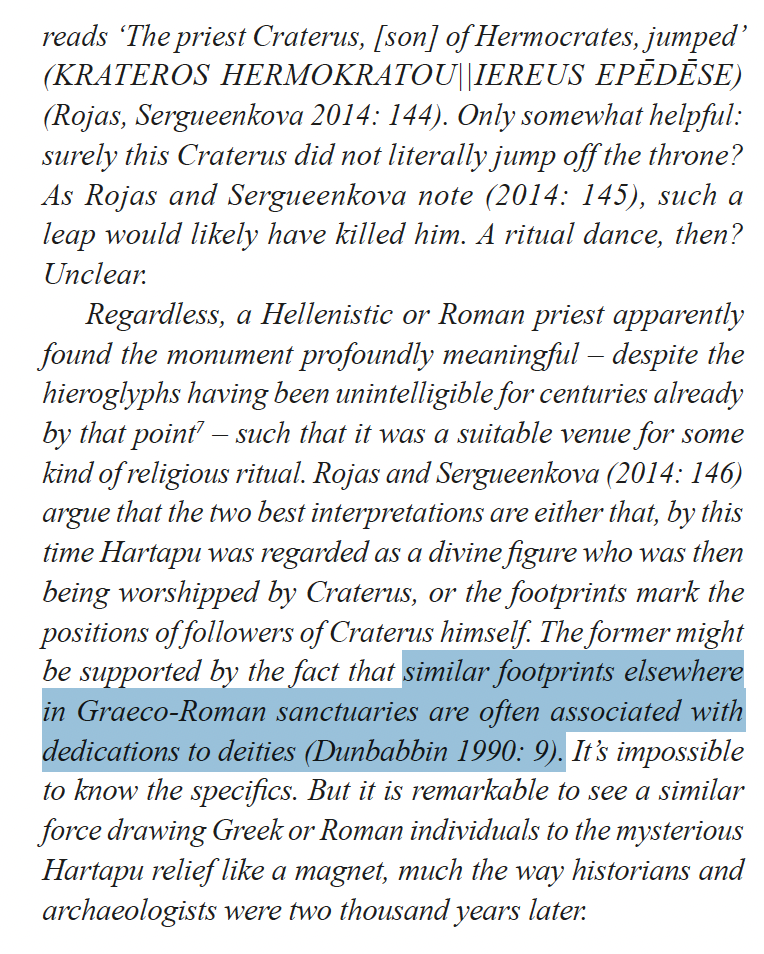
Dunbabbin, K.M.D. 1990: ‘Ipsa deae vestigia … Footprints Divine and Human on Graeco-Roman Monuments’ Journal
of Roman Archaeology 3: 85–109
And I would have read and skimmed it quickly but I don’t have institutional access… Grrr. I’ll put in an ILL order and hopefully remember to come back to this post.
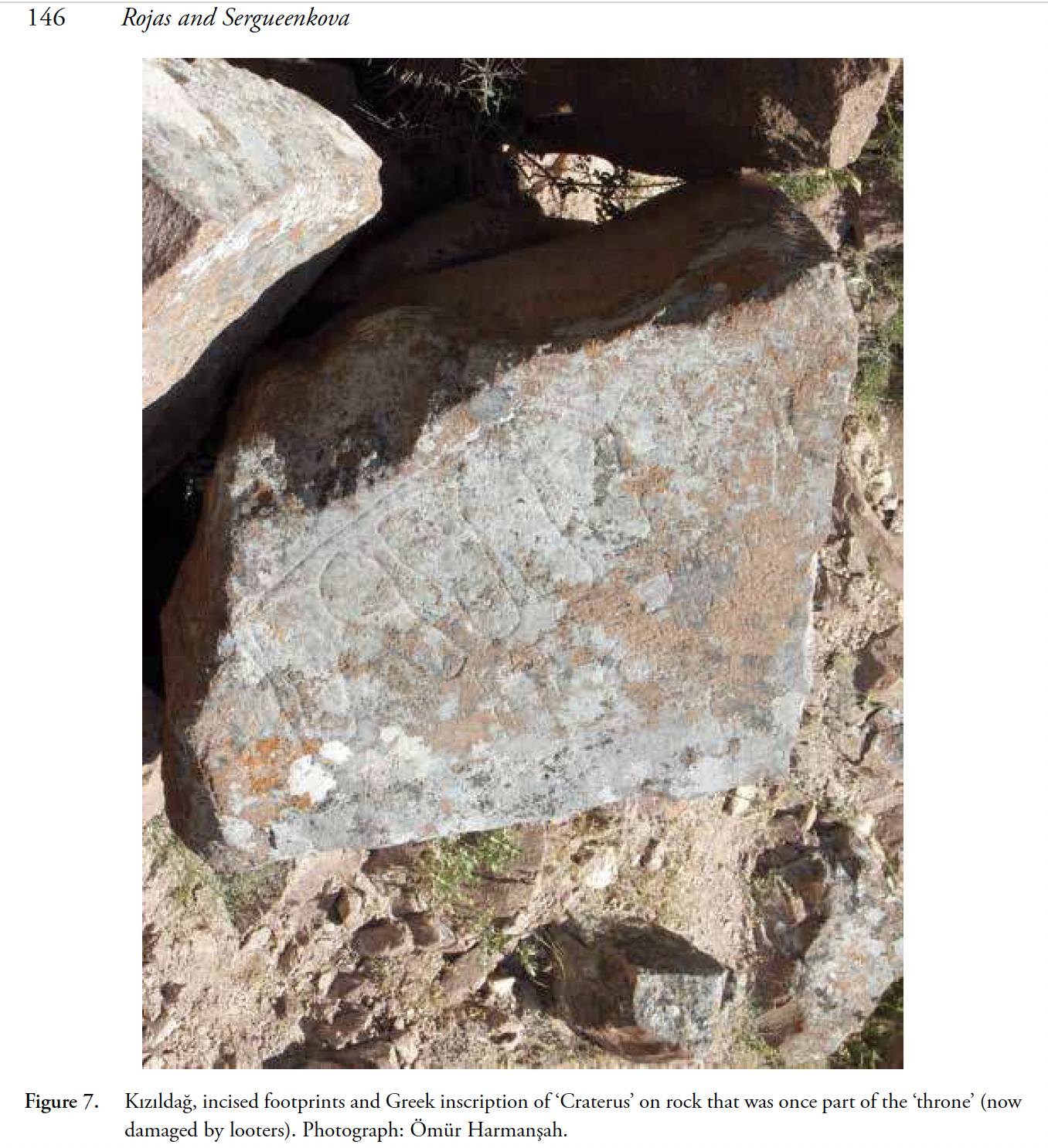
Rojas, F., Sergueenkova, V. 2014: ‘Traces of Tarhuntas: Greek, Roman, and Byzantine Interaction with Hittite
Monuments’ Journal of Mediterranean Archaeology 27.2: 135–60 [available from academia[dot]edu via Google scholar]
This is where I was when I learned a squirrel had attacked my kid unprovoked in our own backyard and since said squirrel attack involved the very smallest about of broken skin the rest of my day was at the ER and pharmacy engaging in overcautious preventative medicine. But in the waiting I snuck in a covid and flu shot, so no bad thing.
Anyway my only final thought. Before I let this post go is that something about the engraved foot prints also reminds me of the pair of open hands we find all over Anatolian tomb reliefs.
Something, something… embodied prayer, permanent enactment of transient religious practice, etc. etc….
It’s Monday and I have other work to do.
—