
I didn’t mean to make a post but I was checking a reference to RRCH 28 which Crawford cites as Sambon, Recherches, 33
This got me to the full text of Recherches sur les anciennes monnaies de l’Italie méridionale (1863), but the 33 seemed meaningless. Luckily it easy enough to find the accurate citations. Hoards are discussed and itemized on pages.
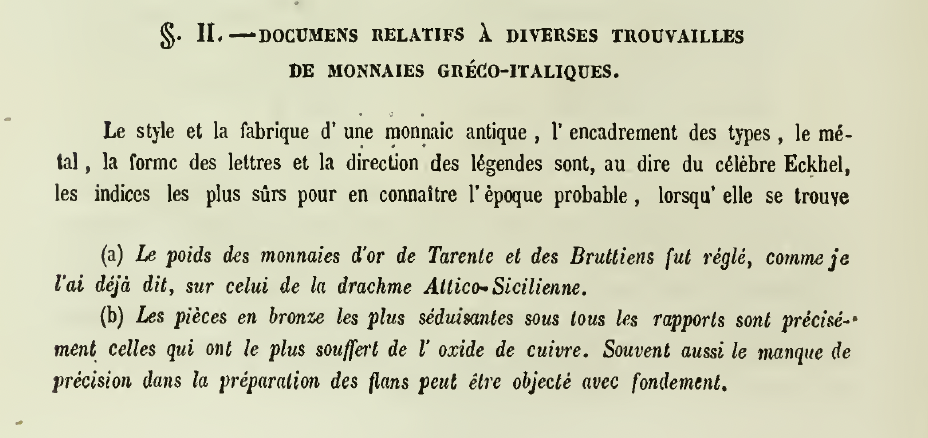
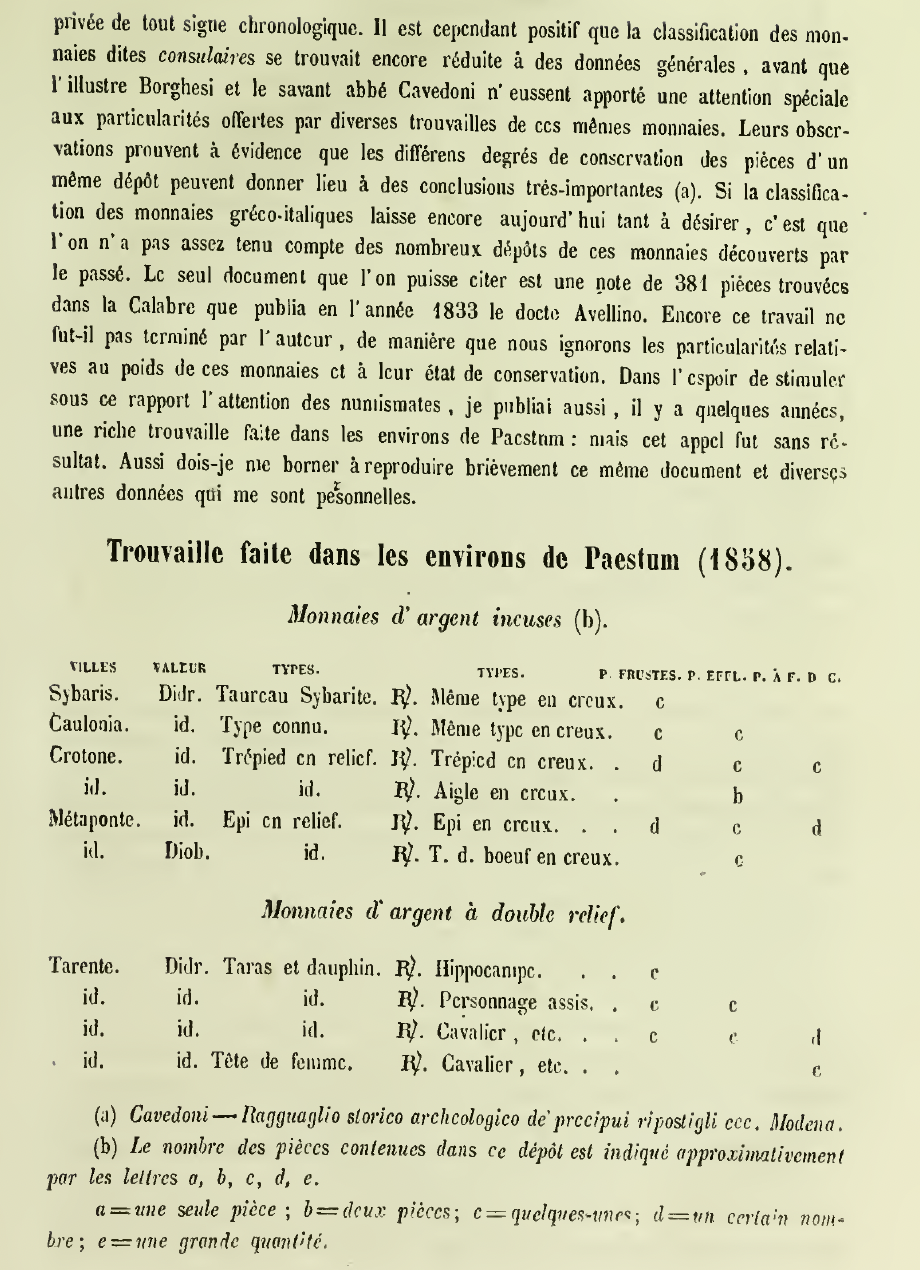
Note the quaint accounting of the number of coins in the hoards:
a) one coin,
b) two coins,
c) a few coins,
d) a healthy amount,
e) a very great quantity.
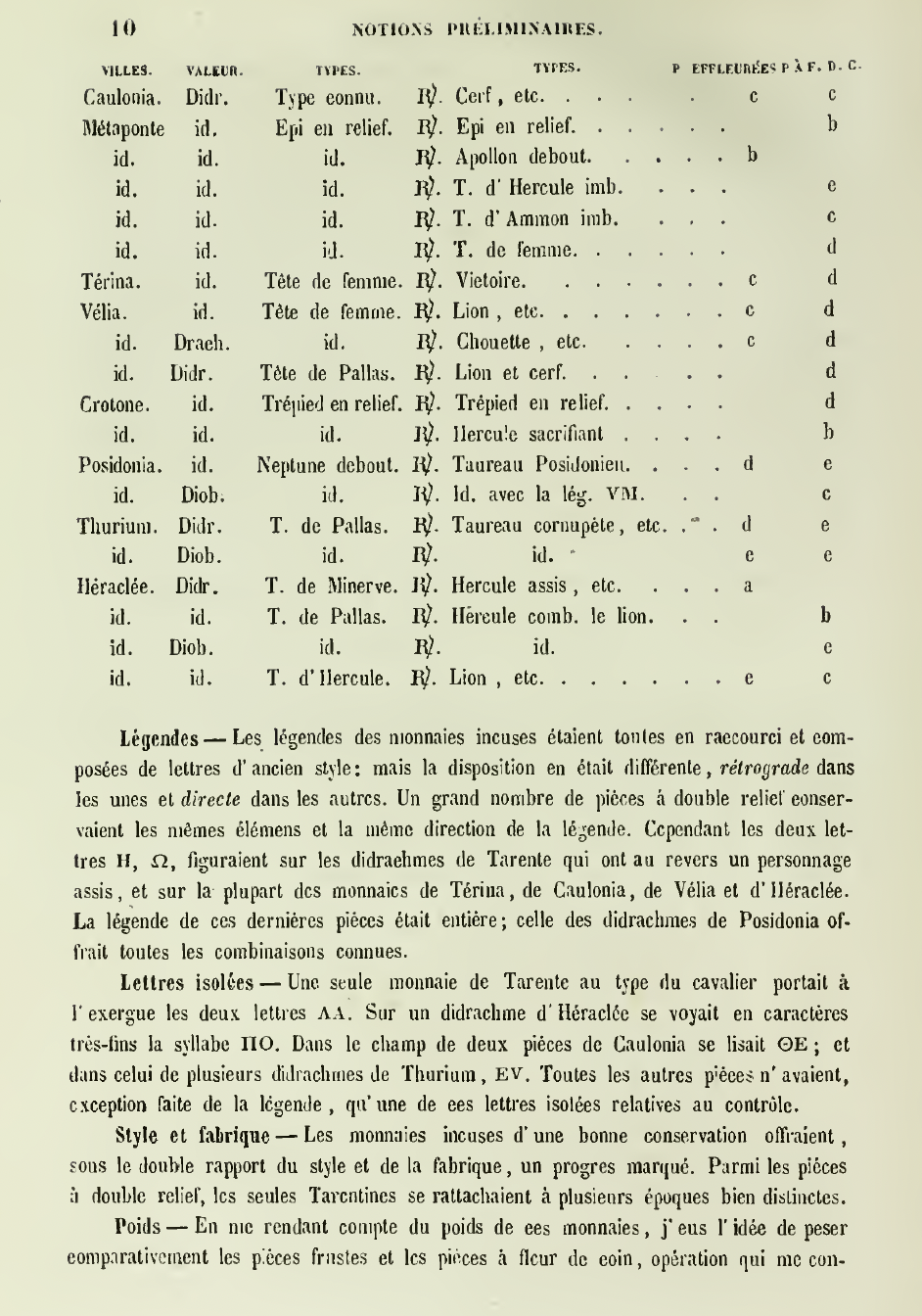
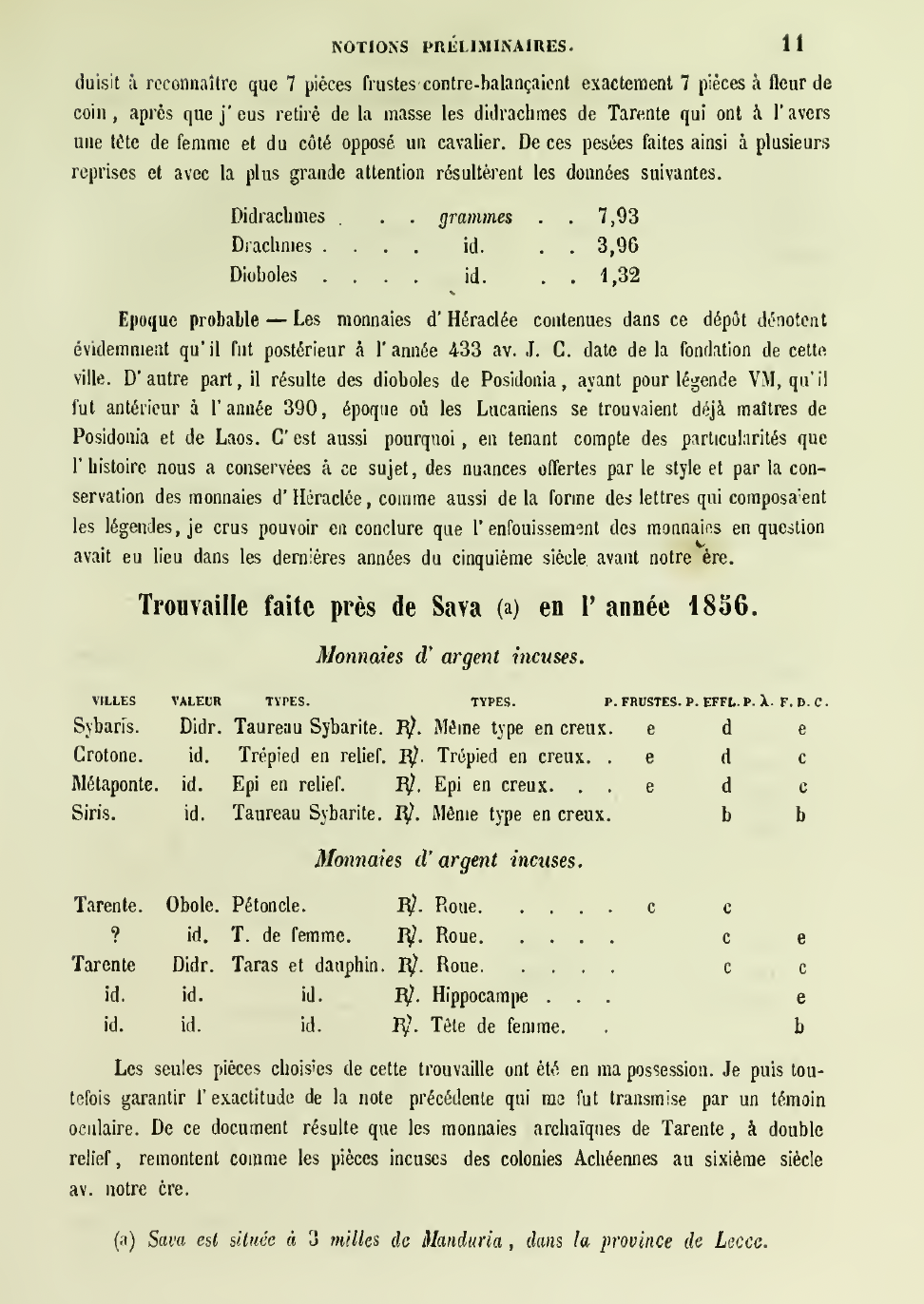
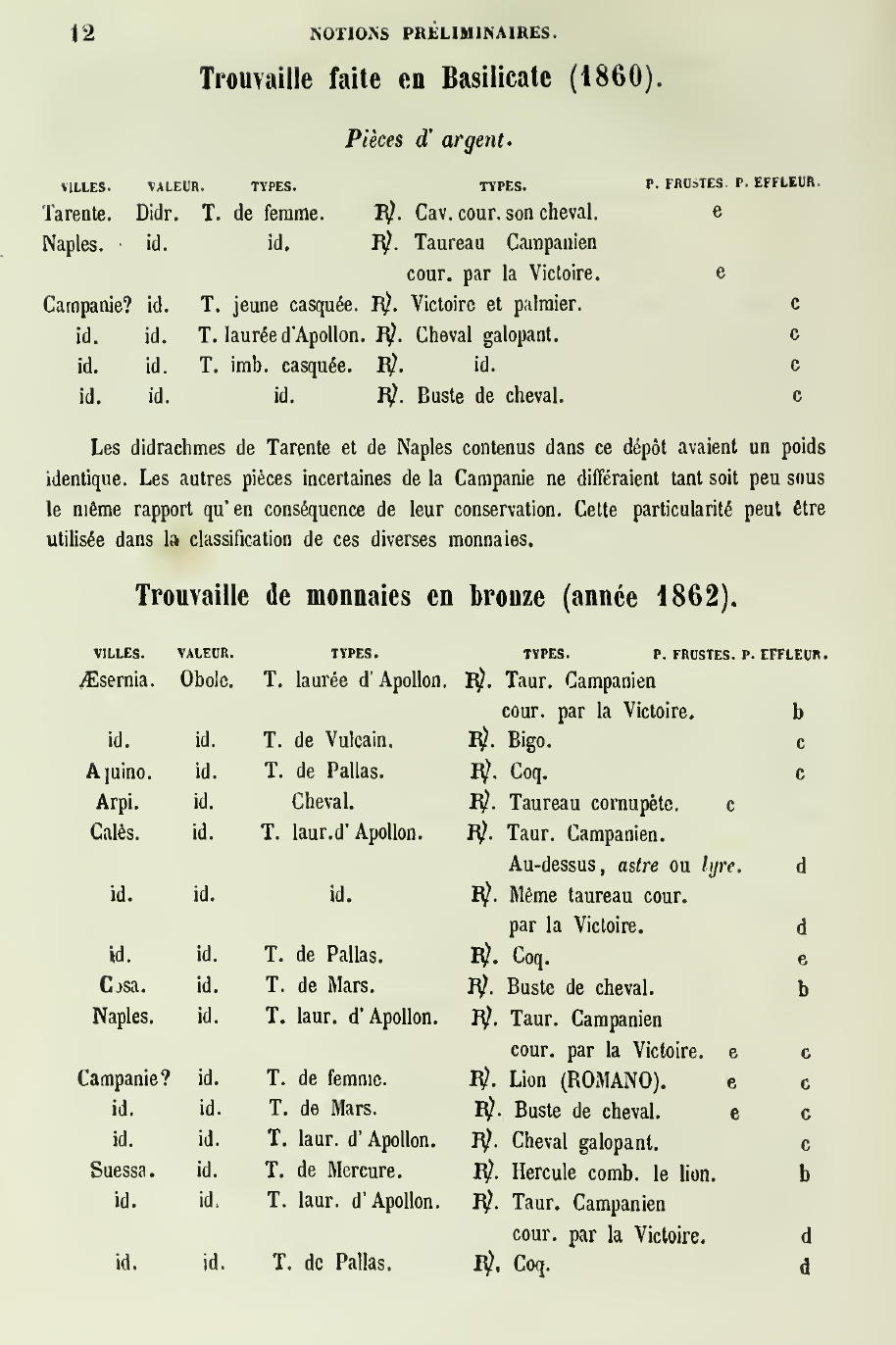
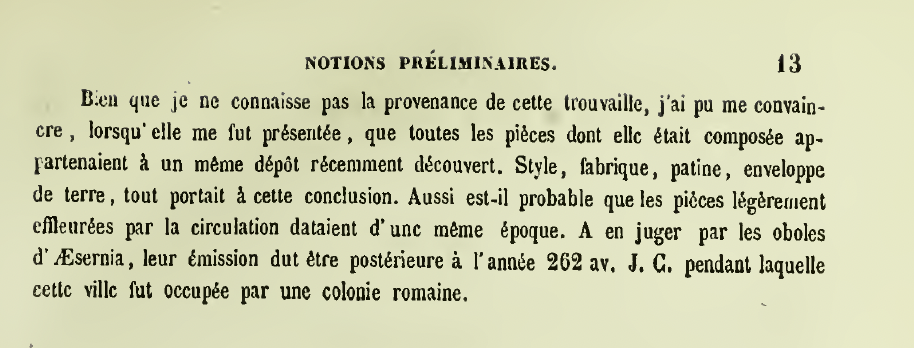
On RRCH 28 the 1862 hoard, Sambon says (Machine translation)
Although I do not know the origin of this find, I became convinced—when it was shown to me—that all the constituent coins belonged to a single, recently discovered hoard. Style, mint, patina, and encrusting soil all pointed to this conclusion. It is therefore probable that the coins, which showed only slight signs of circulation wear, dated from the same period. Judging by the obols of Aesernia, they must have been issued after 262 BC, the year in which the city was occupied by a Roman colony.
The description of the coins suggests a hoard collected throughout the 1st Punic War, probably the pay associated with the naval forces. What it doesn’t contain is any cast coin age which means one of my hand written notes in the margins of my copy of RRC is likely inaccurate and I need to go back to the original publication to see where things got confused.
The screenshot above also have the full entry for RRCH 29 = Basilicata 1860. Paestum 1858 = IGCH 1904 and Sava 1856 = IGCH 1890.
Weirdly the page numbers in IGCH for Sambon are also in the 30s. I wonder if there is a later addition of this same volume and I’ve gotten confused.
Ah yes, they refer to his 1870 publication, which included the same material above verbatim(!)
Can I just say calling these publications Sambon 1870 and 1863 would have been much clearer than using a shortened title which could apply to both….
Ah well. Back to citation checking.


