
Reading Cicero’s letters to his brother, I came across this bit from the explanation of why Gabinius was acquitted in October of 54 BCE.
sed tamen nisi incredibilis contentio, preces Pompei, dictaturae etiam rumor plenus timoris fuisset…
Yet, after all, had it not been for incredible exertions and entreaties on Pompey’s part, and even an alarming rumor of a dictatorship…
Cic. Q.fr. 3.4.1
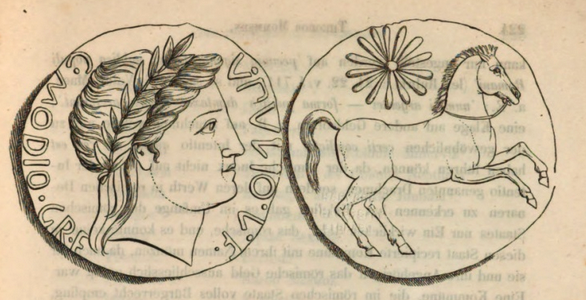
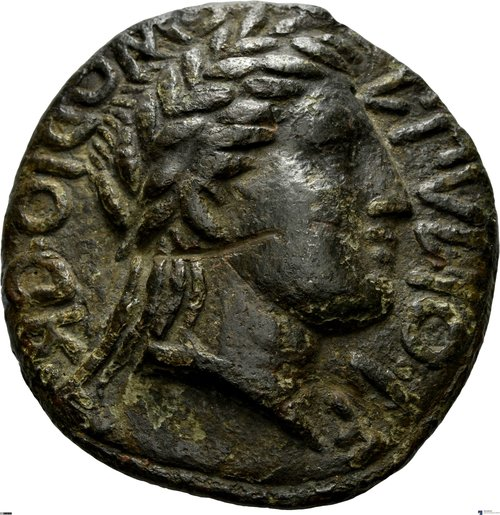
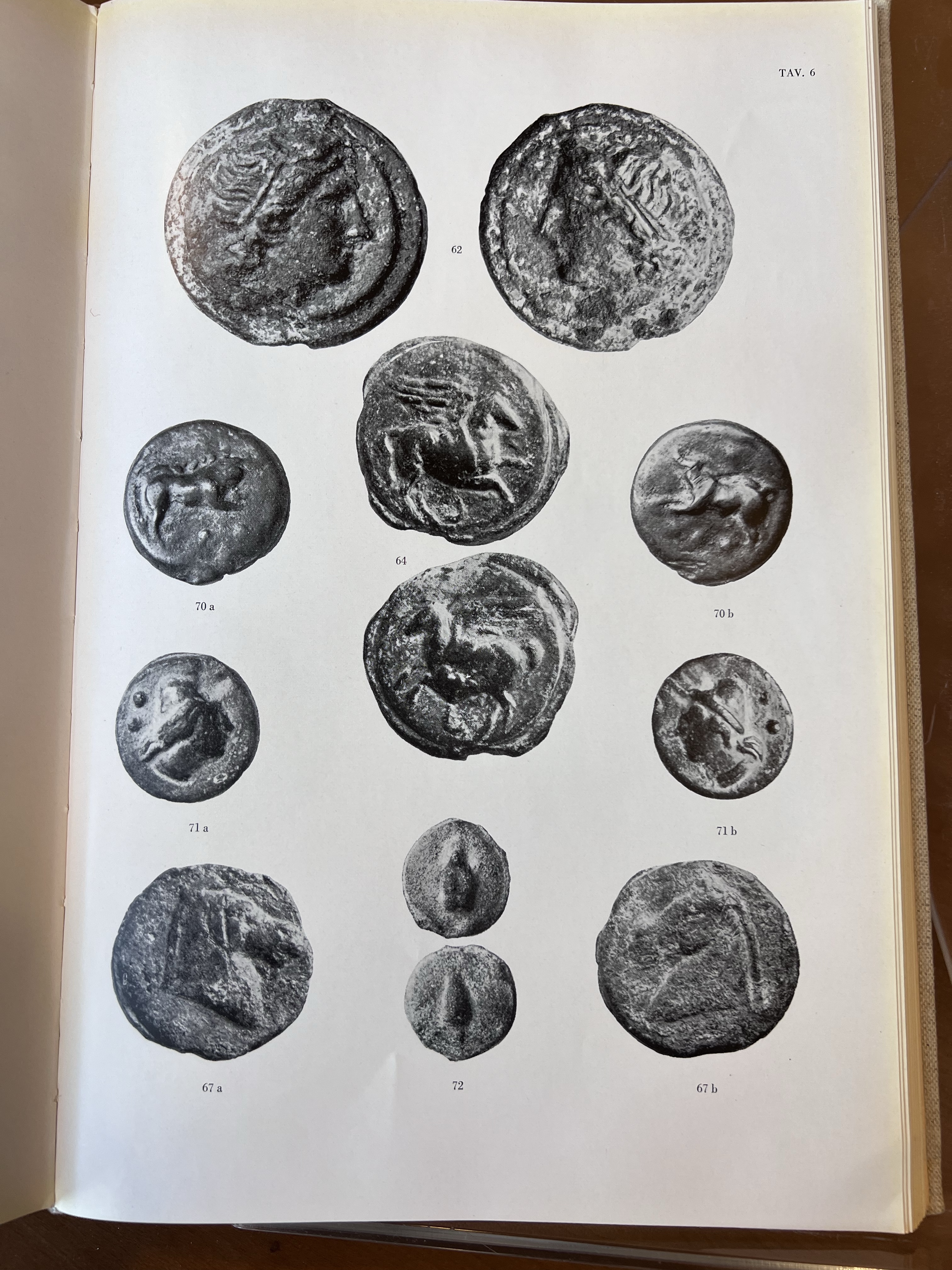
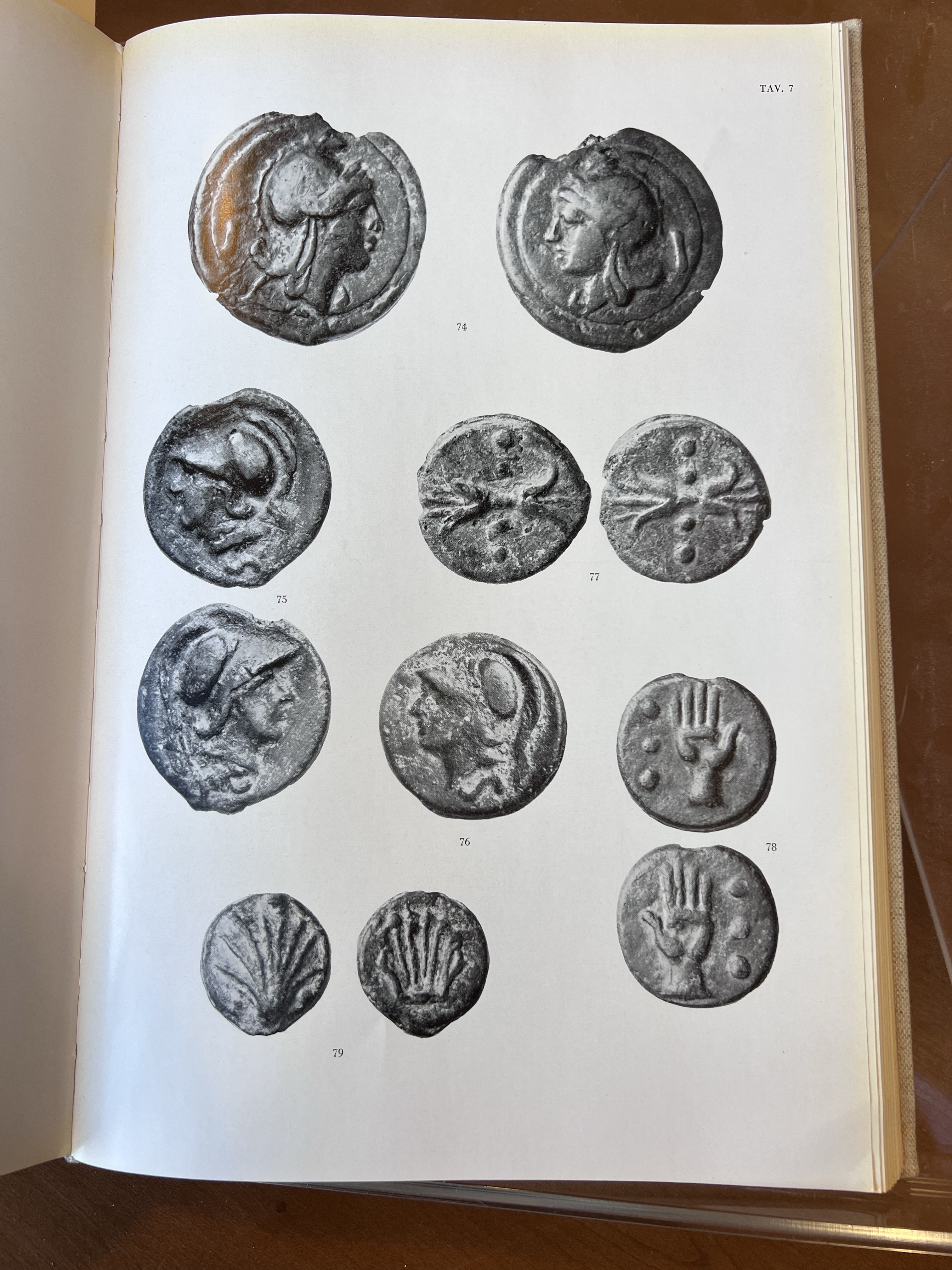
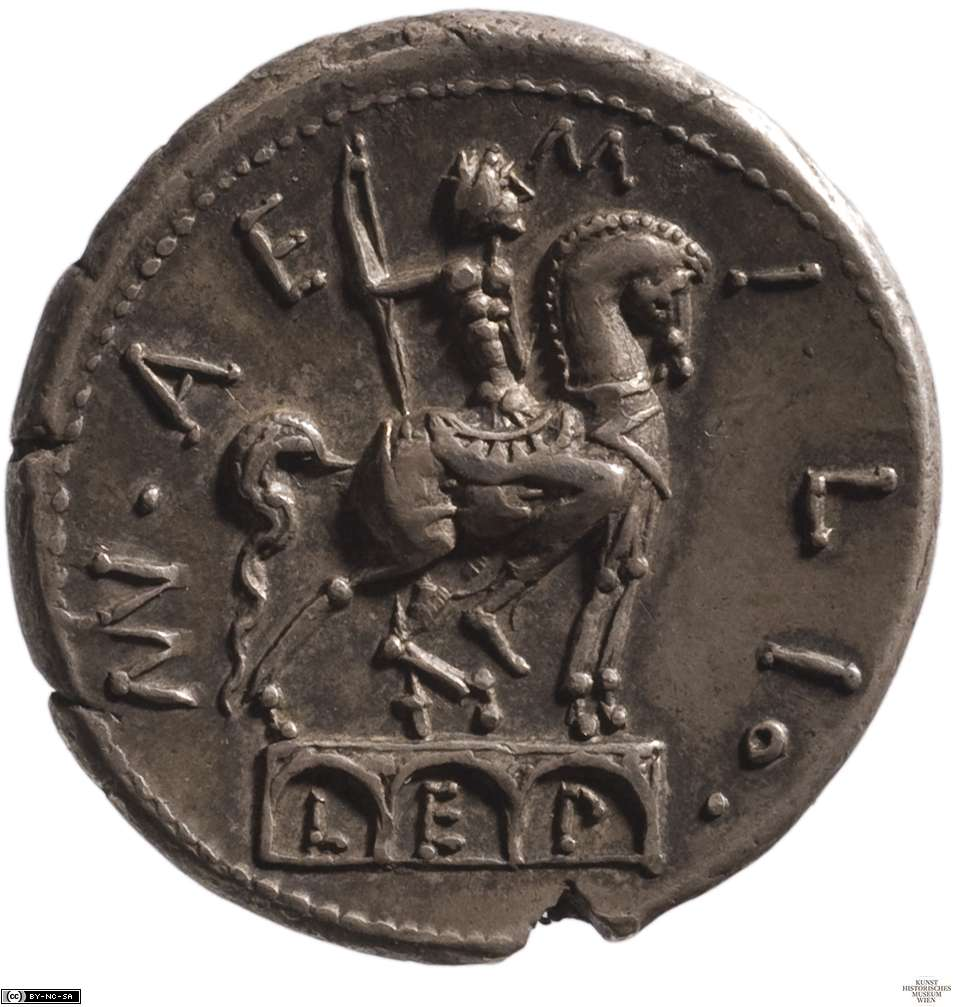
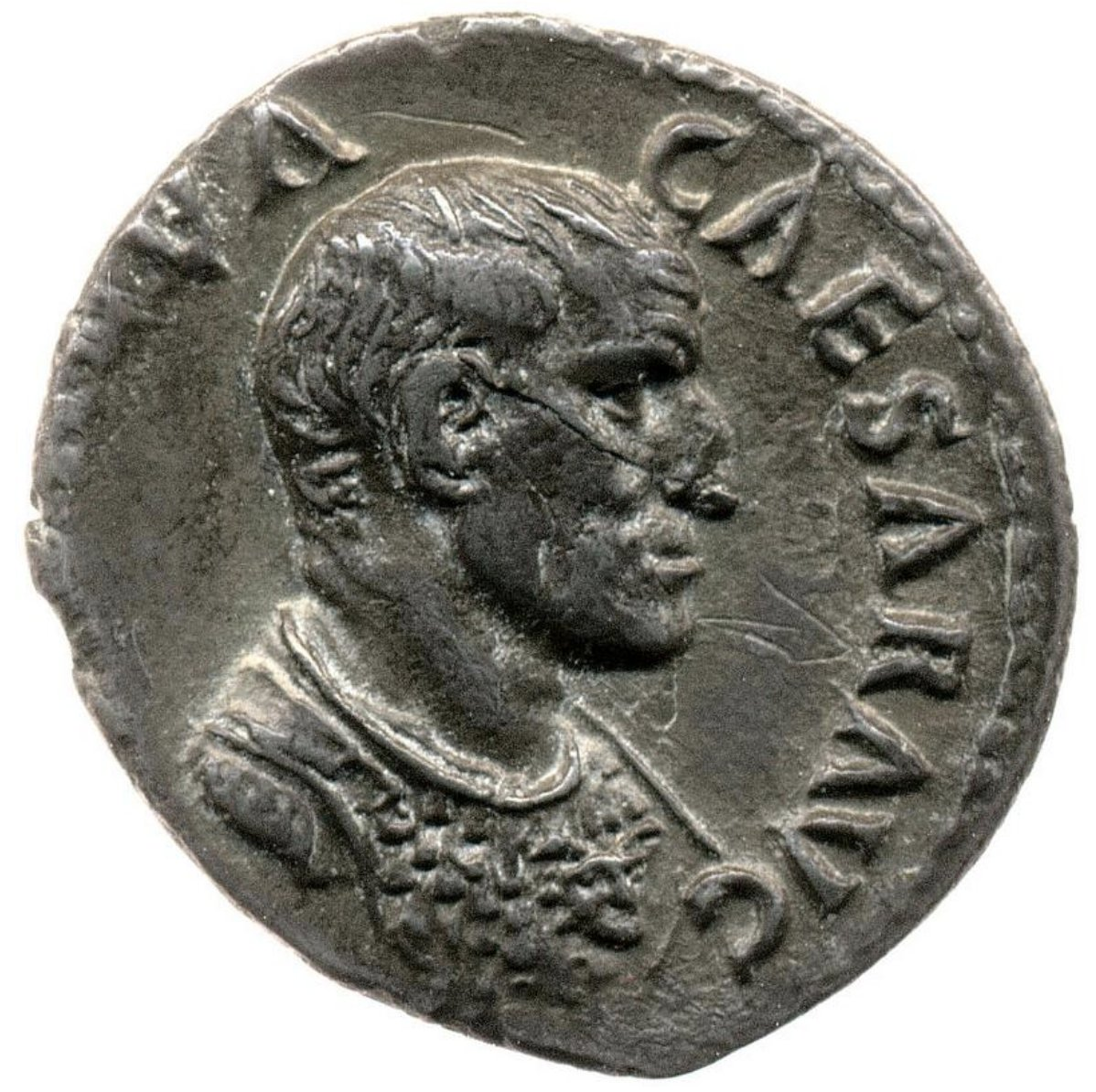
I can’t help but think of the coins of Brutus and Pompeius Rufus and how they seem to respond if not to this specific rumor to the same desires and fears. This interpretation of the iconography is not new, and I’d even go so far as to call it, well established. I just wanted to note the further support offered by this quote for the contemporary political climate.


But you must see that the Republic, the senate, the law courts are mere ciphers, and that not one of us has any constitutional position at all.
sed vides nullam esse rem publicam, nullum senatum, nulla iudicia, nullam in ullo nostrum dignitatem.
Cic. Q.fr. 3.4.1
This quote comes just a few lines after that above. I like Shuckburgh’s translation a great deal, bit it is perhaps overly interpretative. Here’s a more stripped down version:
“Thus it seems there is no republic, no senate, no justice, no dignity in any of our affairs.”
…the Republic certainly has no power to do anything, while he [i.e. Pompey] is supreme in everything…
res publica certe nihil possit, unus ille omnia possit
Again Shuckburgh is beautiful in his rendering; “Clearly the Republic has nothing, when that one man has everything.”
The business has been put off: the comitia postponed and postponed, till we may expect an interregnum. The rumor of a dictator is not pleasing to good men; for myself, I like still less what they say. But the proposal, as a whole, is looked upon with fear, and grows cold. Pompey says outright that he doesn’t wish it: to me previously he used not personally to deny the wish. … There is nothing else being talked about in politics just now; at any rate, nothing else is being done.
res prolatae ; ad interregnum comitia adducta. rumor dictatoris iniucundus bonis, mihi etiam magis quae loquuntur. sed tota res et timetur et refrigescit. Pompeius plane se negat velle ; antea mihi ipse non negabat … aliud hoc tempore de re publica nihil loquebantur; agebatur quidem certe nihil.
…Milo is alarmed at this, and no wonder, and almost gives up hope if Pompey is created dictator. If he assists anyone who vetoes the dictatorship by his troop and bodyguard, he fears he may excite Pompey’s enmity: if he doesn’t do so, he fears the proposal may be carried by force.
...hoc horret Milo, nec iniuria et, si ille dictator factus sit, paene diffidit. intercessorem dictaturae si iuverit manu et praesidio suo, Pompeium metuit inimicum ; si non iuverit, timet ne per vim perferatur.
Cic. Q.fr. 3.8; Nov 54 [I’ve adapted Shuckburgh word choices this time]
I can see that our friend Messalla will be consul, if by means of an interrex, without judgement, if by that of a dictator, without danger. He is not disliked by anyone. … En passant: nothing has, after all, been done as yet about a dictatorship. Pompey is absent; Appius schemes; Hirrus is paving the way: many may be counted on to intervene: the people are indifferent: the leading men [principes] disinclined to it: I keep quiet.
video Messalam nostrum consulem, si per interregem, sine iudicio, si per dictatorem, tamen sine periculo. odi nihil habet. … ἐν παρέργῳ de dictatore tamen actum adhuc nihil est. Pompeius abest, Appius to miscet, Hirrus parat, multi intercessores numerantur, populus non curat, principes nolunt, ego quiesco.
Cic. Q.fr. 3.9; Nov or Dec 54 [again I’ve tweaked the word choice]













 Liv Mariah Yarrow