What’s up with the filleted scepter on Antony’s ship series ? Cleopatra’s ships?
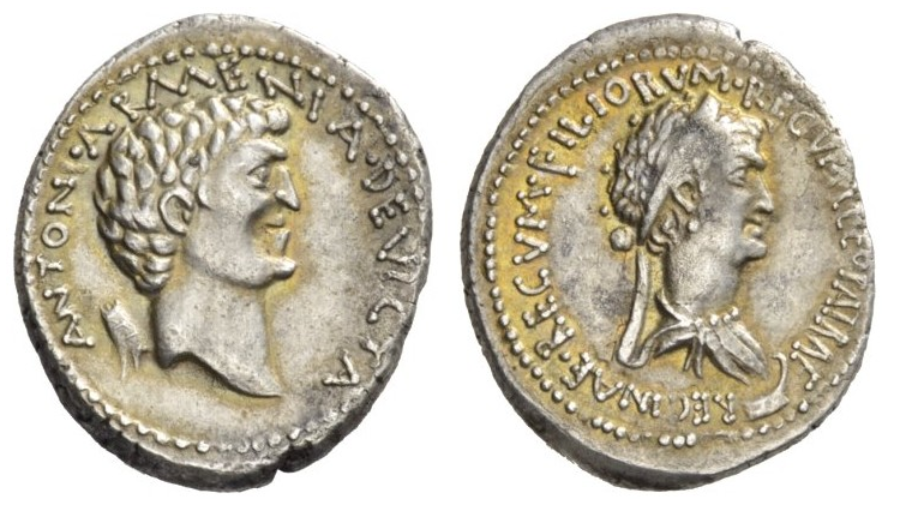
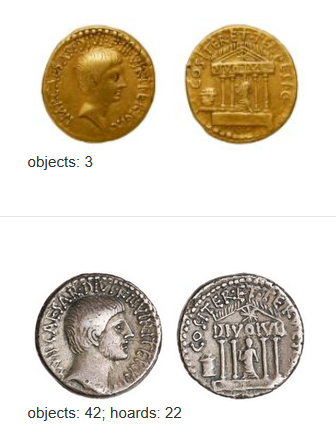
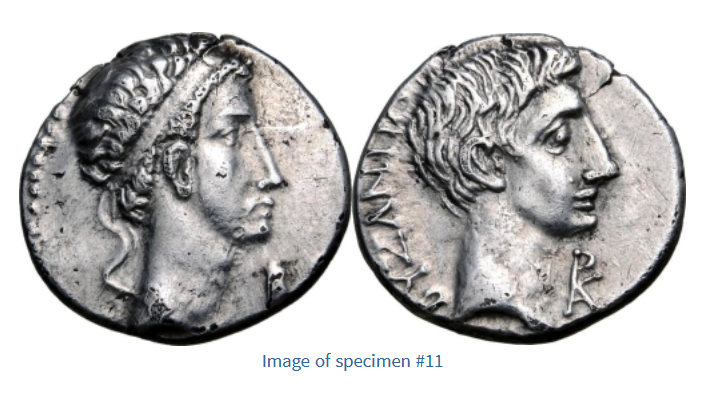
NAC 78, lot 775 (provenance and current whereabouts unknown to me) illustrating RRC 543/1. Note Cleopatra’s regal titulature and the tiara behind Antony.RRC 539/1 – tiara as regal symbol of defeated enemyRRC 540 – IRL temple obscures Regia, thus visually replacing it from the perspective of the Roman Forum, but even though temple functions that way, coin does not invoke that same symbolic action.
RRC 494/3 – Aeneas
RRC 494/42-43 – Cloacina perhaps evokes Tarquin or Tatius legends?! esp the latter when paired with Concordia?
Do the fasces and curule chairs disappear in the Augustan era iconography because they recall regal power (esp. given the lack of Collegiality in the dictatorship)?! Cf. RRC 497/2
Is libertas always anti Regal? (And why do we assume veiled heads are libertas when not labeled as such on the obverse?! cf. RRC 502/1-3)
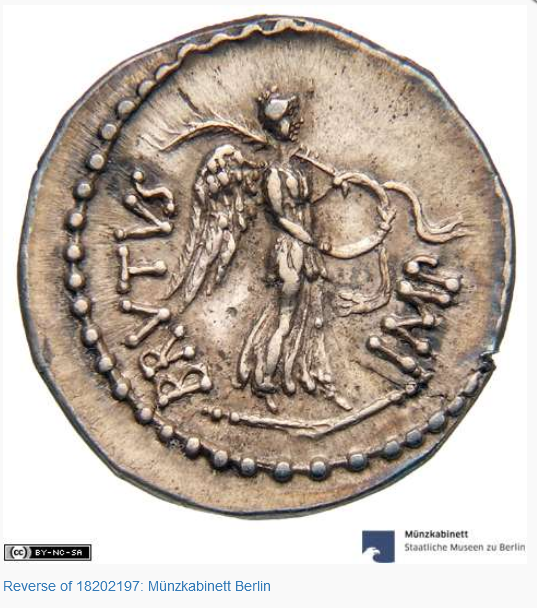
RRC 507/2 – broken scepter but what precisely is victory doing with the diadem?
To what degree is putting one’s own head or the head of one’s living leader on a coin a regal move in the eyes of a Roman audience? I lean away from the significance given prevalence in the civil war post ides period.
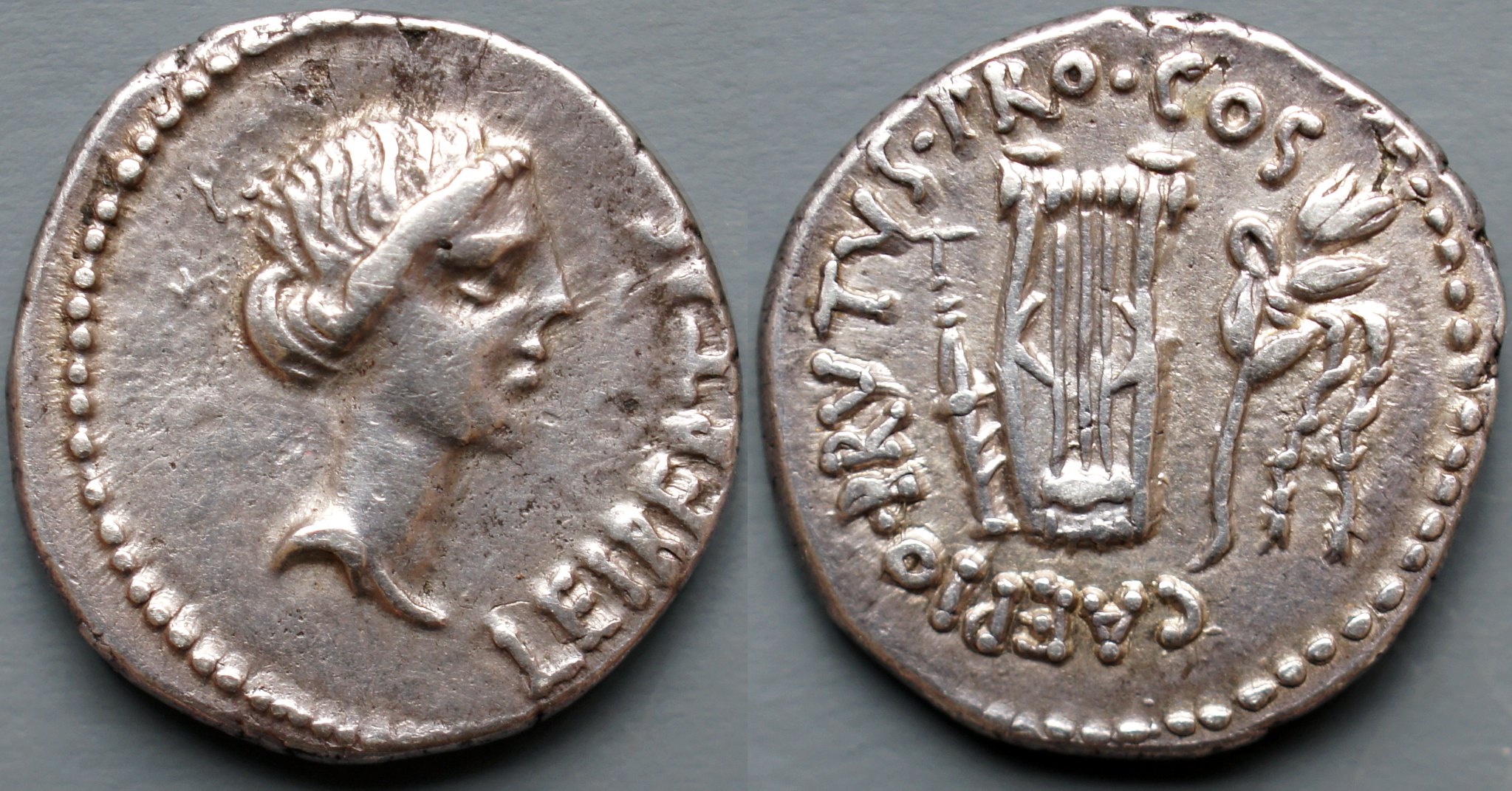
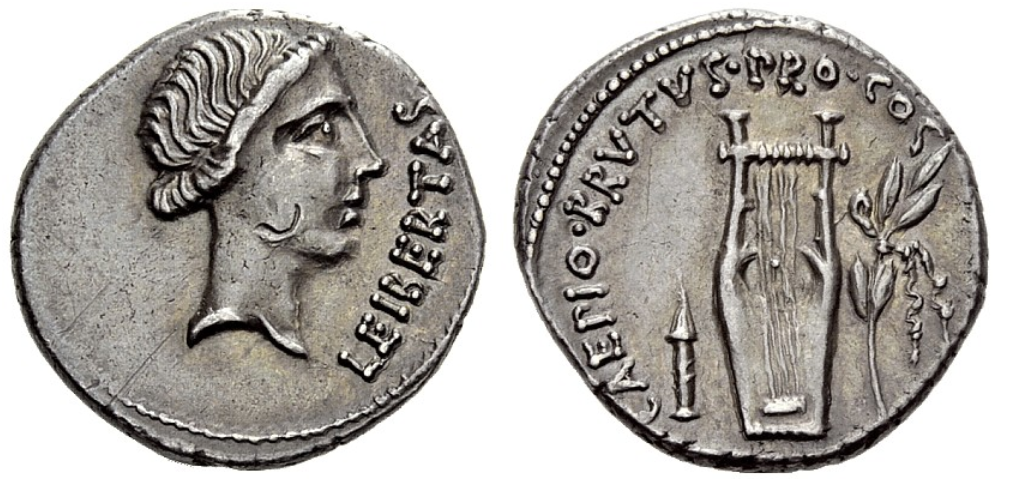
Looking over the Schaefer binders it seems like the die engravers didn’t like the blank space above a short plectum and kept trying to make it longer and on just a couple dies that plectum extension transforms into a lyre key. I don’t ascribe any particular meaning to this variation, just an interesting feature.
I am indebted to D. Levinson, @Ancientlyric, and James Lloyd for helping educate me on tuning keys.
Public domain image of the mosaic from the baths at Colonia Augusta Nerviana Martialis Veteranorum Sitifensium (mod. Algeria). The theme is the triumph of Dionysus over ‘India’.Detail of above.
It’s speculated that the name for the city in which this mosaic was found derives from their an indigenous or Semitic word meaning ‘black’.
Notice that the animals (esp. the giraffe = cameleopard) are African not exclusively “Indian.” Notice the emphasis given to the textured hair of three of the four captives. Notice the purple stripes on two of the captives garments and the diadem marking them as high status prisoners.
How would this read to a Roman veteran assigned to this colony or the children of such veterans as they lived in a north African landscape? The artist makes a clear distinction between the heroic/divine as white/pale skinned, the tanned/brown of the fauns and satyrs (non-human), and the black/dark brown of the bound captives. The image of Dionysus esp. Victory holding a crown above his head and riding in the chariot recalls imperial triumphal imagery.
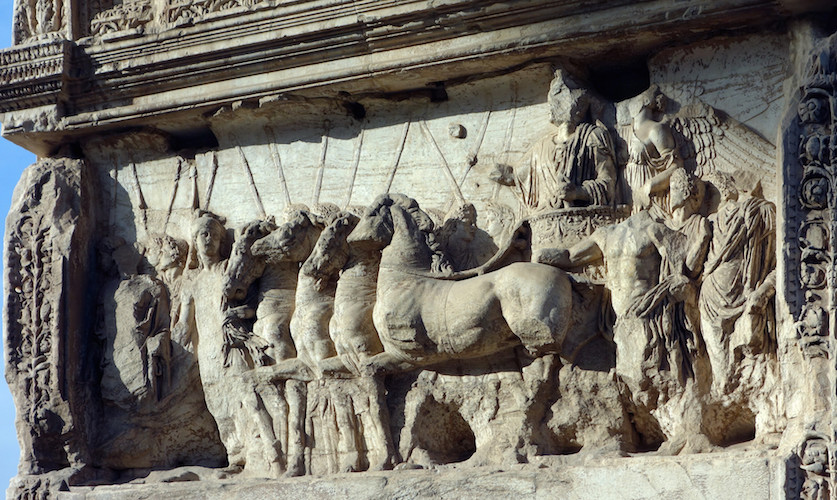
Detail of aboveMarcus Aurelius Triumphal imagery now in Capitoline MuseumDetail of the Arch of Titus.
—
Blanchard-Lemée, Michèle. “Dionysos et la victoire: variations sur un thème iconographique à Sétif et à Djemila.” Comptes Rendus / Académie des Inscriptions et Belles-Lettres, no. 1 (2001): 529-543. Doi: 10.3406/crai.2001.16281
RRC 279 and 276 are likely struck by the brothers of cos. 120 who killed himself in 119 when convicted because of his actions on the land commission. Given how the dating of these two issues is approximate 122-119 ish AND the drama around their brother it seems worth some further thought.
See:
Beness, J. Lea. “Carbo’s tribunate of 129 and the associated dicta Scipionis.” Phoenix 63, no. 1-2 (2009): 60-72.
You don’t need to read this post. You just need to read:
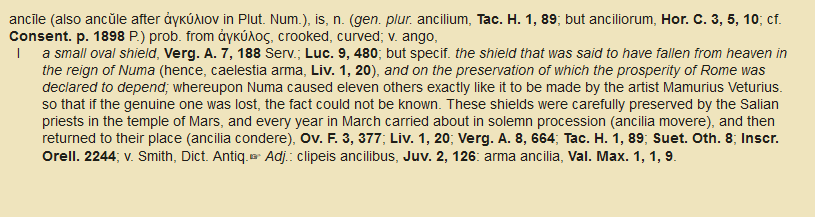
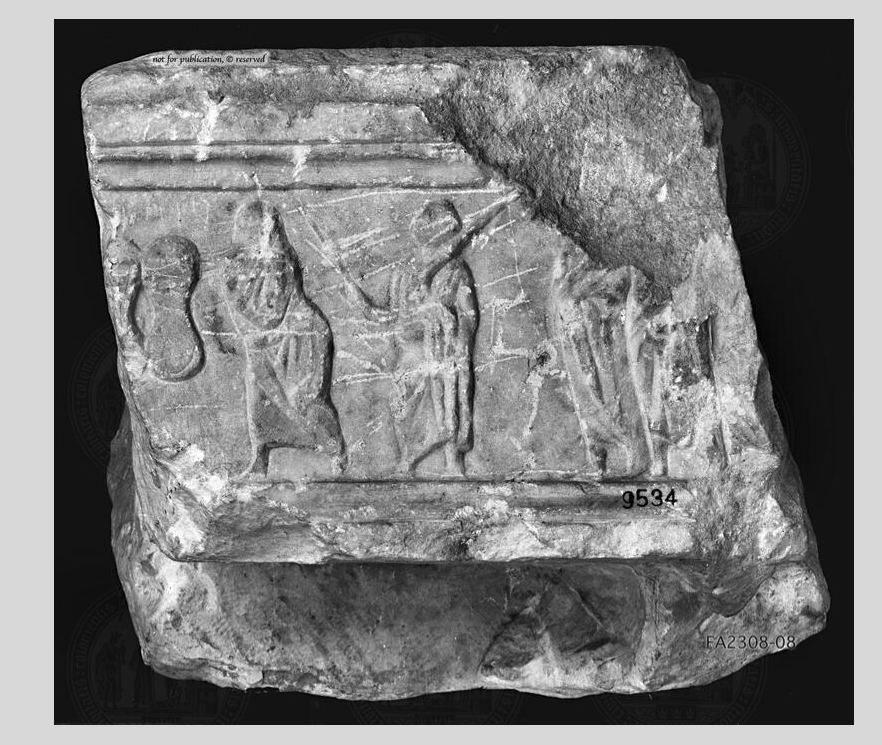
Colonna, Giovanni. “Gli scudi bilobati dell’Italia centrale e l’ancile dei Salii.” Archeologia classica 43 (1991): 55-122. It is gloriously illustrated. JSTOR link
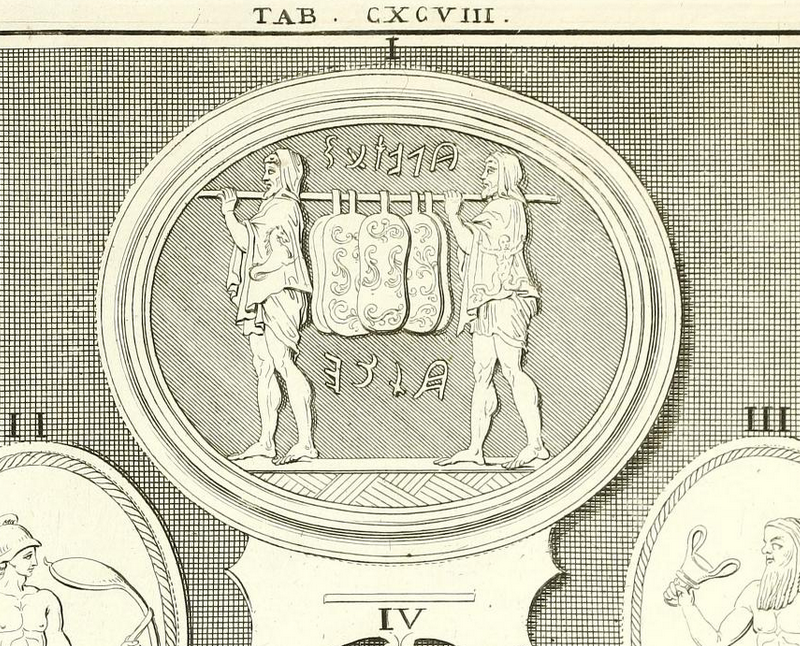
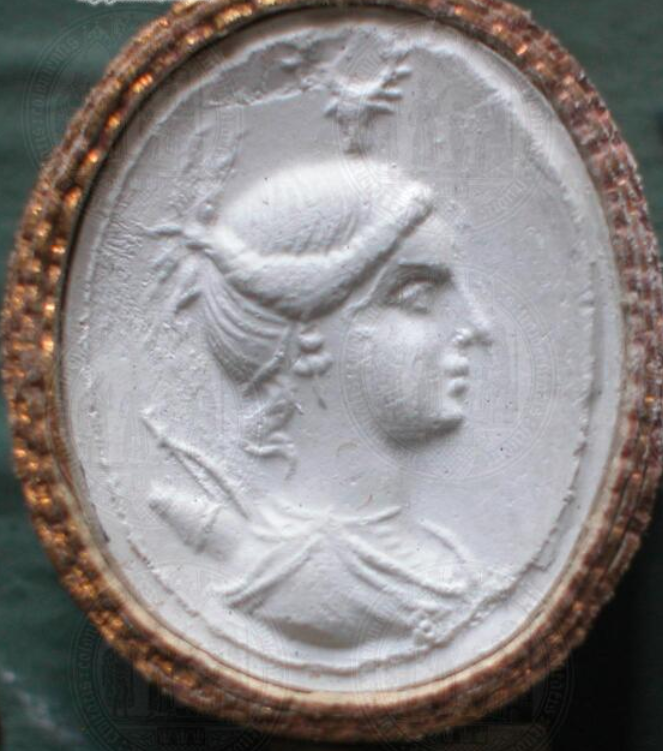
There I learned that the first intaglio (impression) above derives from a coin of Pius. He doesn’t seem to know the above specimen but the reset of this post and FAR More he covers v well.
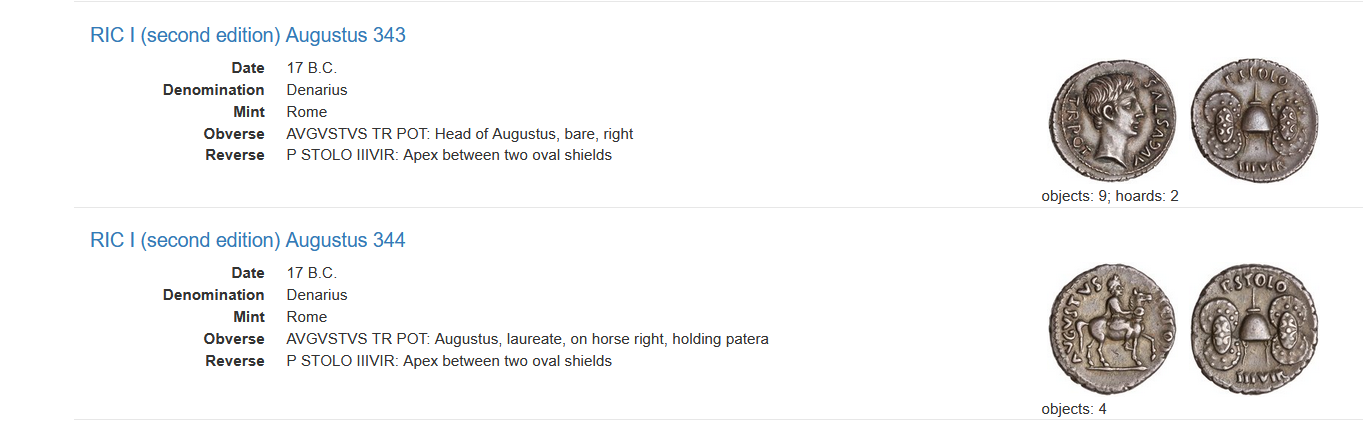
Now I know why those shields were tickling my numismatic brain:
Update 1-25-22:
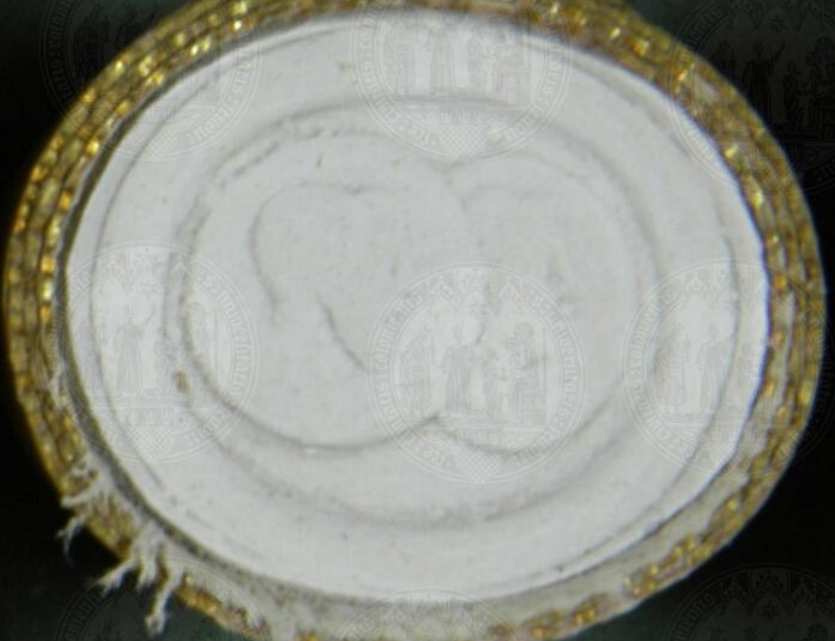
Same gem as above. I wonder if inscription is legible on actual artifact. Winckelmann says there were letters. Source.Source
Ferri, Giorgio. “I Salii e gli « ancilia ».” In Apex : studi storico-religiosi in onore di Enrico Montanari, Edited by Casadio, Giovanni, Mastrocinque, Attilio and Santi, Claudia., 87-95. Roma: Quasar, 2016. Ordered from ILL 27 June 2023
A. Furtwängler, Beschreibung der geschnittenen Steine im Antiquarium, Königliche Museen Berlin (1896), Kat.Nr. 9515 ZenonJ. J. Winckelmann, Description des pierres gravées du feu Baron de Stosch, dédiée à son Eminence Monseigneur le Cardinal Alexandre Albani (1760), Kat.Nr. II,285 Zenon
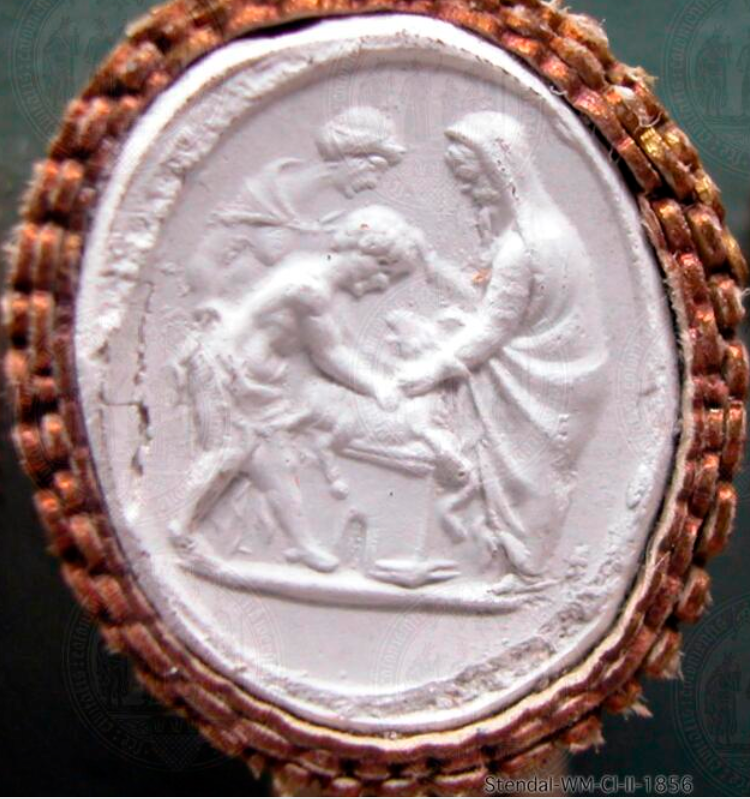
Glasspaste. A scene of animal sacrifice, but appears to be a domestic context. Notice it seems plausibly a mother father ans sun. about to slay the goat. What is on the ground near to the father’s feet in front of the altar. J. J. Winckelmann, Description des pierres gravées du feu Baron de Stosch, dédiée à son Eminence Monseigneur le Cardinal Alexandre Albani (1760), 307, Kat.Nr. II,1856 Zenon Sammlung Stosch, W Cl II 1856 Arachne entry for plaster cast.
I’m supposed to be grading and prepping for some serious meetings but I needed to start my day by just looking at some beautiful iconography and reminding myself I’m more than a bureaucrat in a large bean counting public institution.
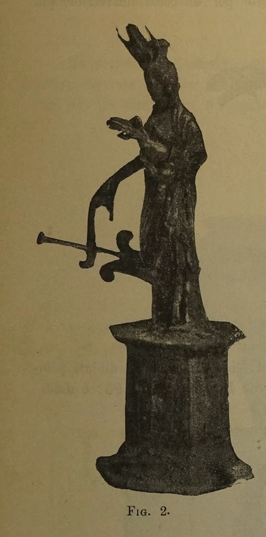
I see imagery/attributes associated with Isis and Athena and Victory but cannot quite make out what is in her hand. Can you?
Update 5/16/22: I think it might be the top of a bow such as Artemis/Diana would have.