


The basic idea for this post started with the observation that the consuls of 51 BCE were at once cowardly and super concerned about their personal egos AND might have been controlling the moneyers through kinship claims.

Consuls: Ser. Sulpicius Q.f. Rufus, M. Claudius M.f. Marcellus (Attalus links)
consul (DPRR links)
- SULP2088 Ser. Sulpicius (95) Q. f. Lem. Rufus (cos. 51)
- CLAU2398 M. Claudius (229) M. f. M. n. Marcellus (cos. 51)
There is also a basic similarity between the presumed logics of the coin designs, they use trophies and architecture to evoke ancient victories on ancestors who don’t quite share their names.

Then I fell into the old chestnut about which naval victory is Suplicius commemorating. The literature isn’t going to answer this question. Maybe a new inscription one day. Our best bet is to get a handle on the coin icongraphy and like always it seems to come down to funny headwear.
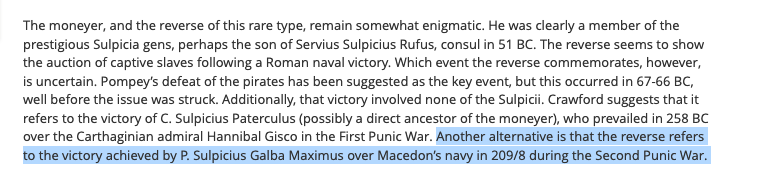
You might have already guessed from the above images that I found the idea of a Macedonian allusion tempting based on the possibility that the left hand figure of the naval monument might wear a kausia (causa) and cloak, but the pointy hat on the right hand figure confuses me. I thought maybe the figure was tied to a pole but on none of the Schaefer dies (A-L) can I detect this to be the engravers intent. We also don’t know of the naval triumph awarded to Sulpicius Maximus, although the fasti are incomplete between 222 and 197 BCE.
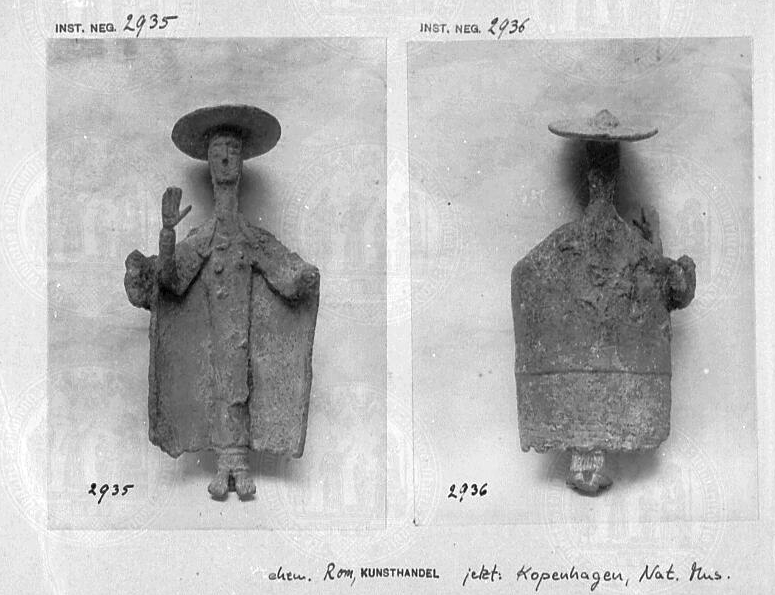
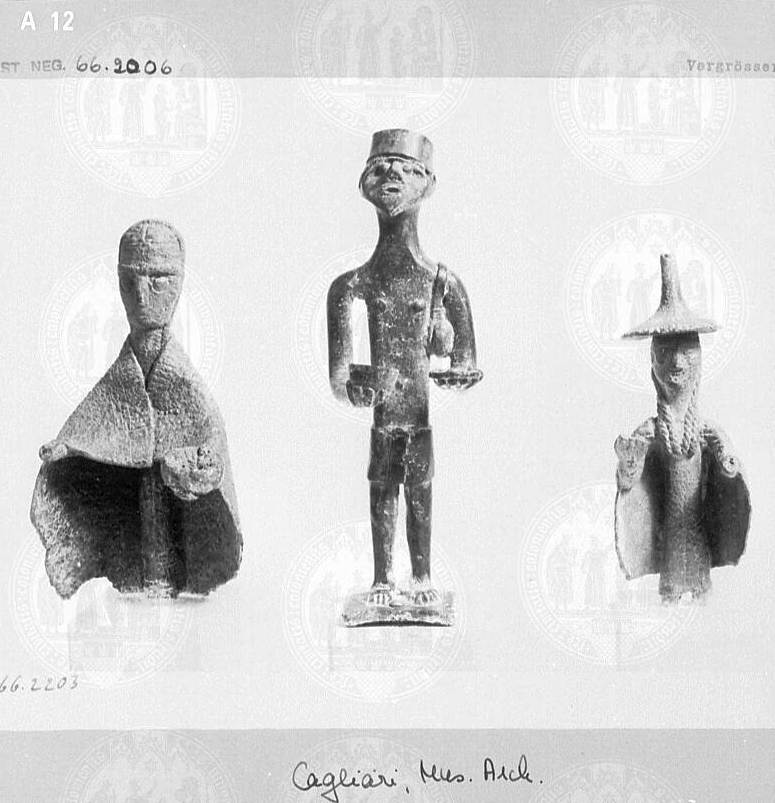
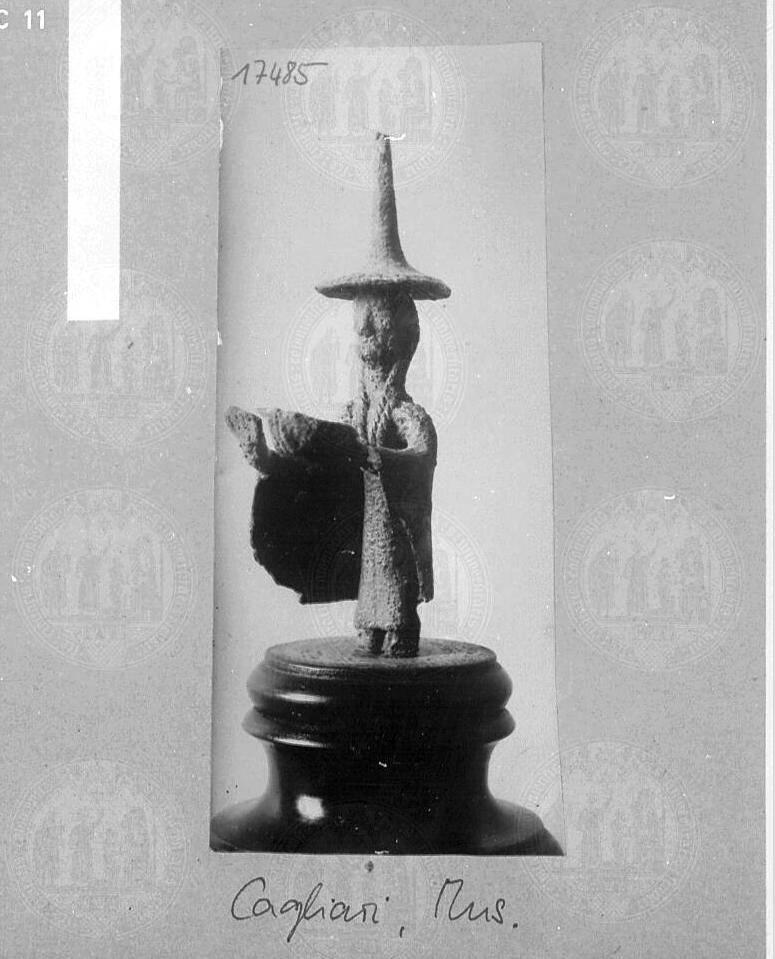
So then I started wondering about ancient stereotypical representations of Sardinians. What I found instead were little metal figurines from Sardinia. I don’t necessarily think these are relevant but I did find them interesting.



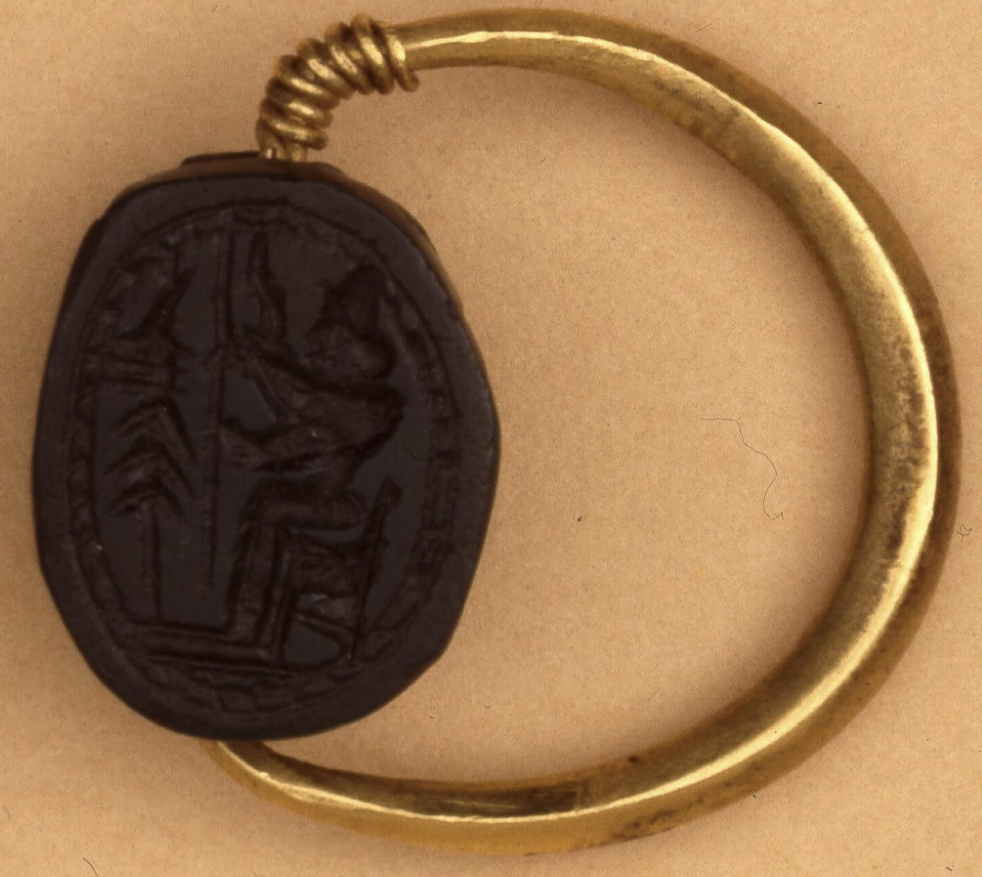
Another photo of same ring

 Liv Mariah Yarrow
One thought on “Moneyers and Consuls, 51 BCE”