
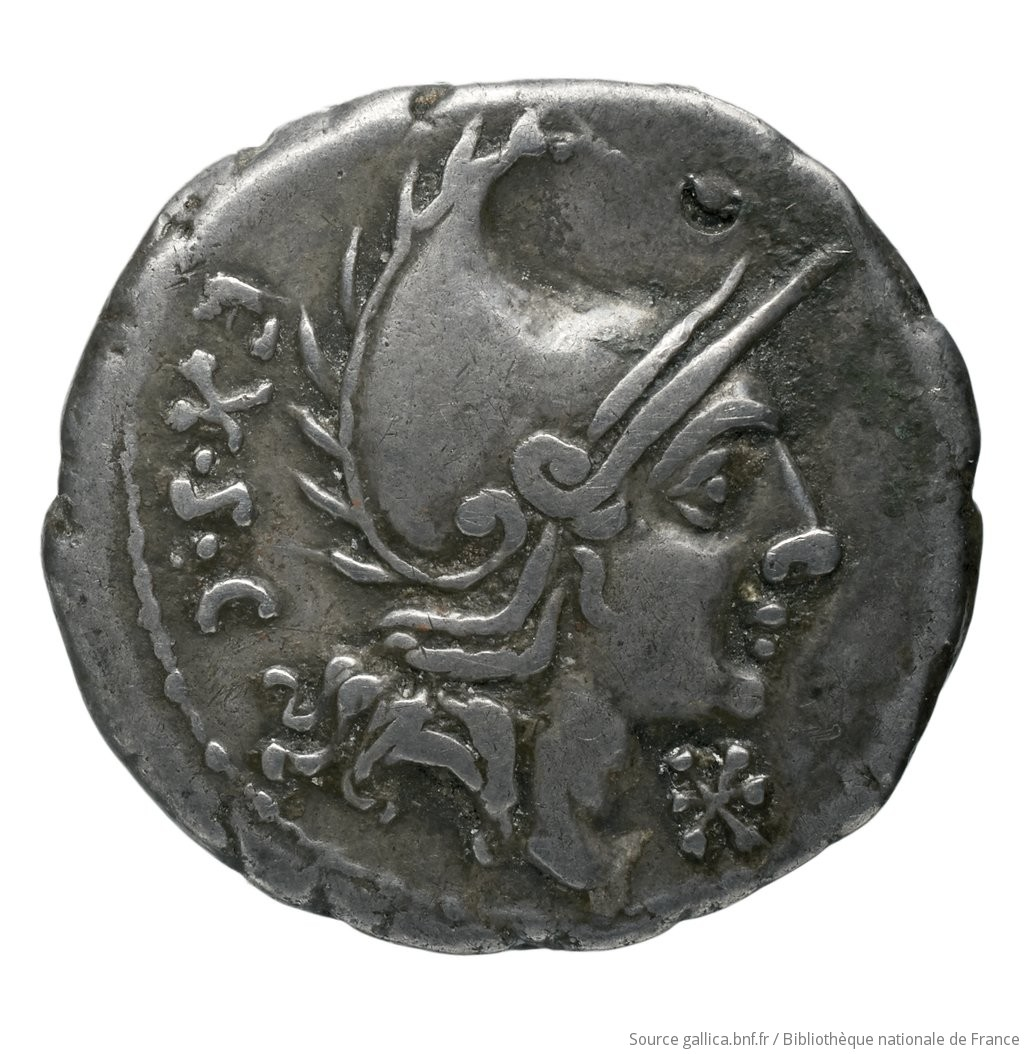
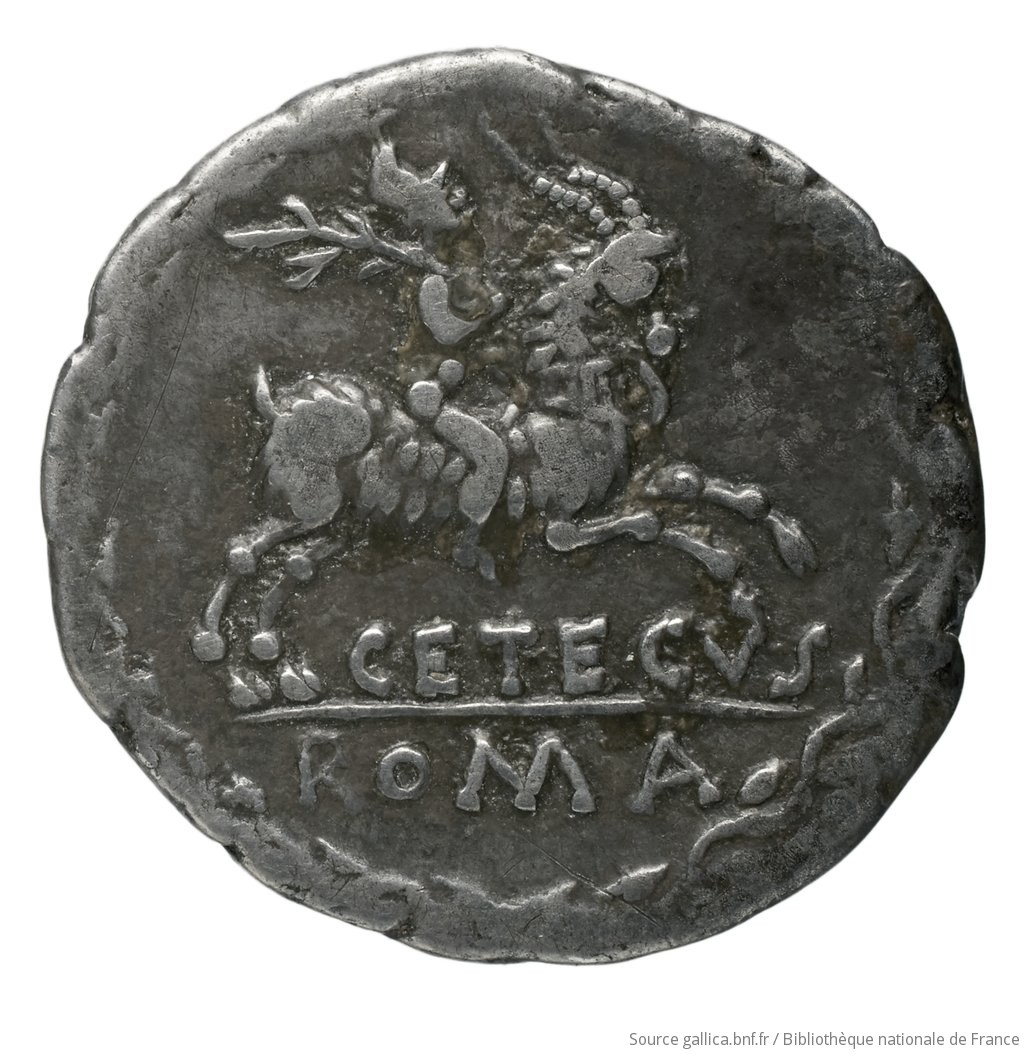
RRC 288/1 has caused too many scholars too many fever dreams. And it is their energies that once again drive me back to it. I don’t think it is really worth much of our energies from a historical perspective and any arguments based on its existence, supposed dating, and iconography are on shaky ground indeed.
Do I sound a little fiery this morning? Has 2026 found me with the bit between my teeth? Perhaps. I definitely find as I approach my half century later this year that I am less concerned about whether I am pleasant and well-liked and more if I am effective and justified. It’s not a bad place to be.
Anyway, before I fell asleep I was reading Wiseman’s new collection of essays and reviews and again this morning over coffee I read another chapter. I’m only up to page 136. On January 19th if you are in London you can come listen to Christopher Smith and I chat with Wiseman himself about this retrospective of his last 25 years of work. The essays thus far in the volume are ‘spicy’ in tone themselves. He has strong opinions on Carandini and Alföldi whom he groups with Frazer and Dumézil (cf. p. 118-120). His punches have only the thinnest of velvet gloves for treating speculation as fact. Maybe I’m finding myself wishing to season my own work similarly on occasion.
P. 119 is where you’ll find the reference to RRC 288/1. Wiseman is recounting the back and forth on interpretation between Alföldi and Weinstock. Crawford also condemns Alföldi’s view and invokes Eckel and Cohen to point to ivy wreath and phrygian cap and the male sex of the goat to dismiss most interpretations, settling on a Dionysiac allusion for the iconography and comparing it to RRC 353/1 & 2. I’m inclined to follow Crawford here and have a more richly illustrated post on hairy goats and RRC 353 from the v first year of this blog. I however would like a better explanation for why a Dinonysiac figure or the infant Dionysus himself would be wearing a Phrygian cap.
My bugbear is that RRC 288/1 on which so many leading lights has spilt so much ink is unique. Unique coins do not lend themselves to historical conclusions. If you know of a second specimen I’d love to know. Crawford is certain in CHRR (1969) that it is unique, but then in RRC (1974) says 2 reverse dies and ‘now unique’ suggesting a possible lost second specimens. One day maybe I’ll go through all his citations for this type and see why he decided to write “2” as the reverse die count.
I too have been guilty in the past of worrying extensively about unique types, but have tended to shy away from attributing too much historical significance to any thing produced in such small numbers and without clear date or context. See my 2013 post on RRC 358/1 (which holds up rather well in my humble opinion, even if not all from the early days of this blog does).
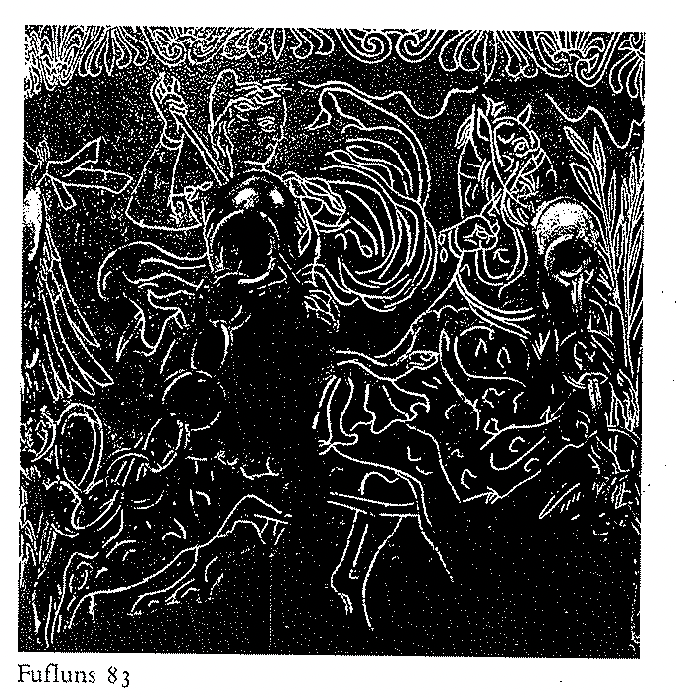
That said, I do think the Phrygian cap complicates things. Having wasted/enjoyed a great deal of time with LIMC to consider if such a cap could be Dionysiac, I have to say probably not. There is this vase(?) in Munich (I so want a better image) that is Fulfluns 83. I cannot figure out for the life of me why anyone made this ID, except unless they see etruscan letters in the squiggles that I cannot quite make out 𐌐𐌖𐌘𐌋𐌖𐌍𐌔. Dionysus does sometimes have thyrsus spear in gigantopicay scenes but I can’t see that here either.
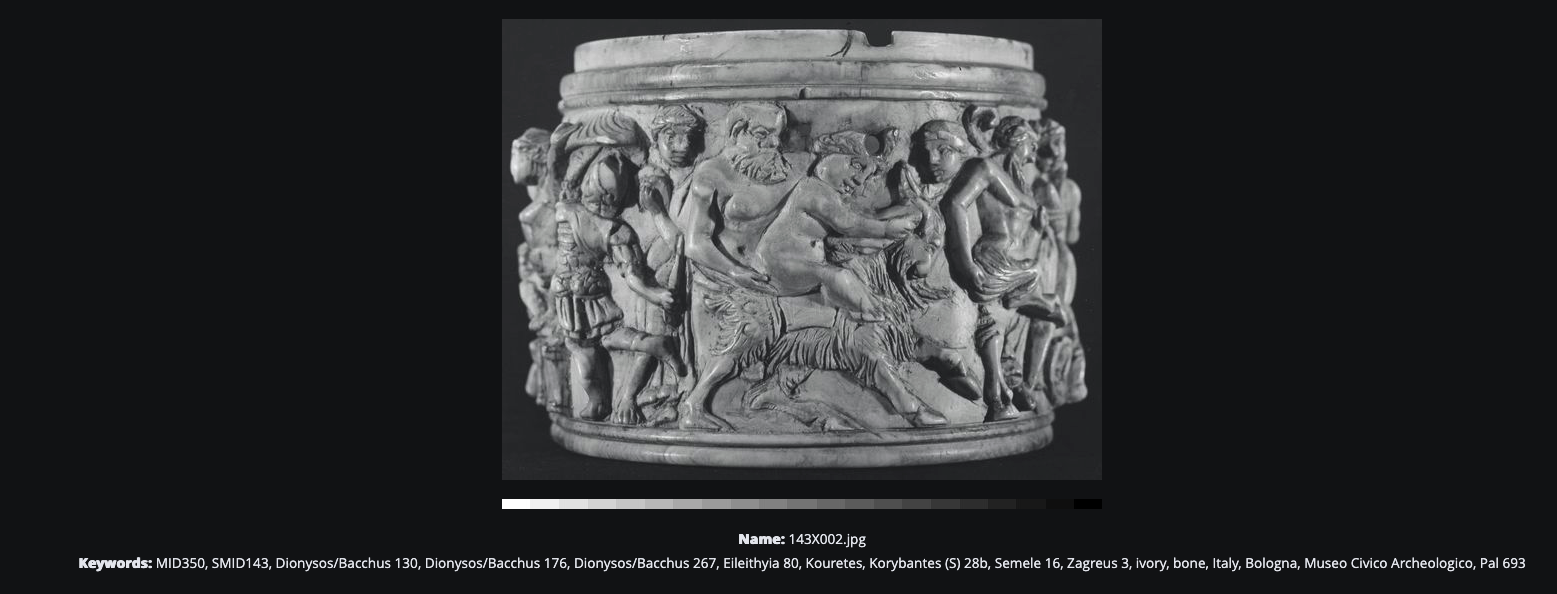
More promising is this image of the infant Dionysus riding a goat with Silenus’ support.
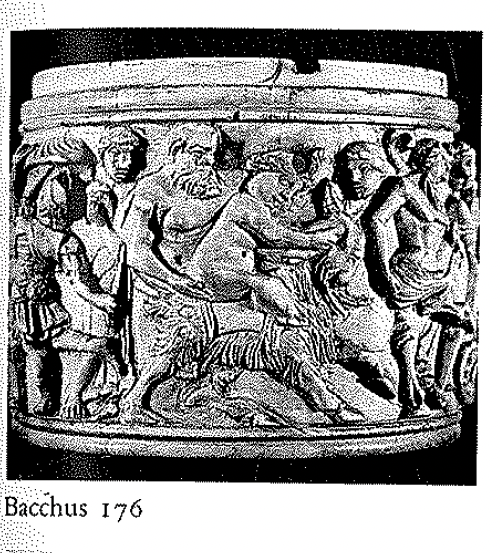
A rare case where a better image is in the database!
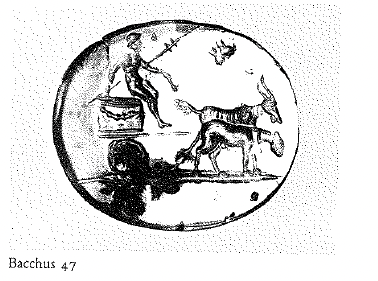
There are not many goats in the LIMC plates but here is a male and female goat pulling Dionysus on a gem.
Decoding iconography is fun but I doubt that Cetegus’s design choice can tell us anything about how Romans writ-large conceived of their relationship to the divine or their legendary history. For us to draw conclusions imagery needs to be pervasive, not unique.
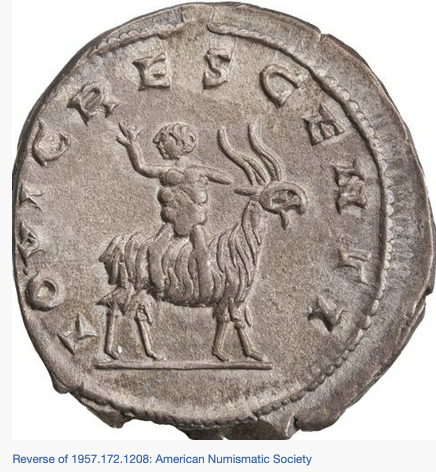
Probably irrelevant but I do want to mention the 3rd Cent CE child Jupiter on a goat type with the legend: IOVI CRESCENTI. The child always waves with hilariously large spread finger hand and he sits side saddle on the goat.
This lituus had to be documented. So interesting….


 Liv Mariah Yarrow
I too, some years ago, caught up in the fever for iconographic studies – very much in the nineteenth-century tradition – tackled the issue in “Breve nota sulle rare rappresentazioni di Attis nella monetazione romana repubblicana”, in Essays in Honour of Roberto Russo, Bologna 2013, pp. 279-286.
I’m sorry to say that I do not have a copy of Essays Russo (yet). I can request your chapter through my library but if you had a PDF I’d be most grateful. Attis is perhaps under appreciated in Republican studies and too readily dismissed by Crawford so I am deeply curious to see your arguments.