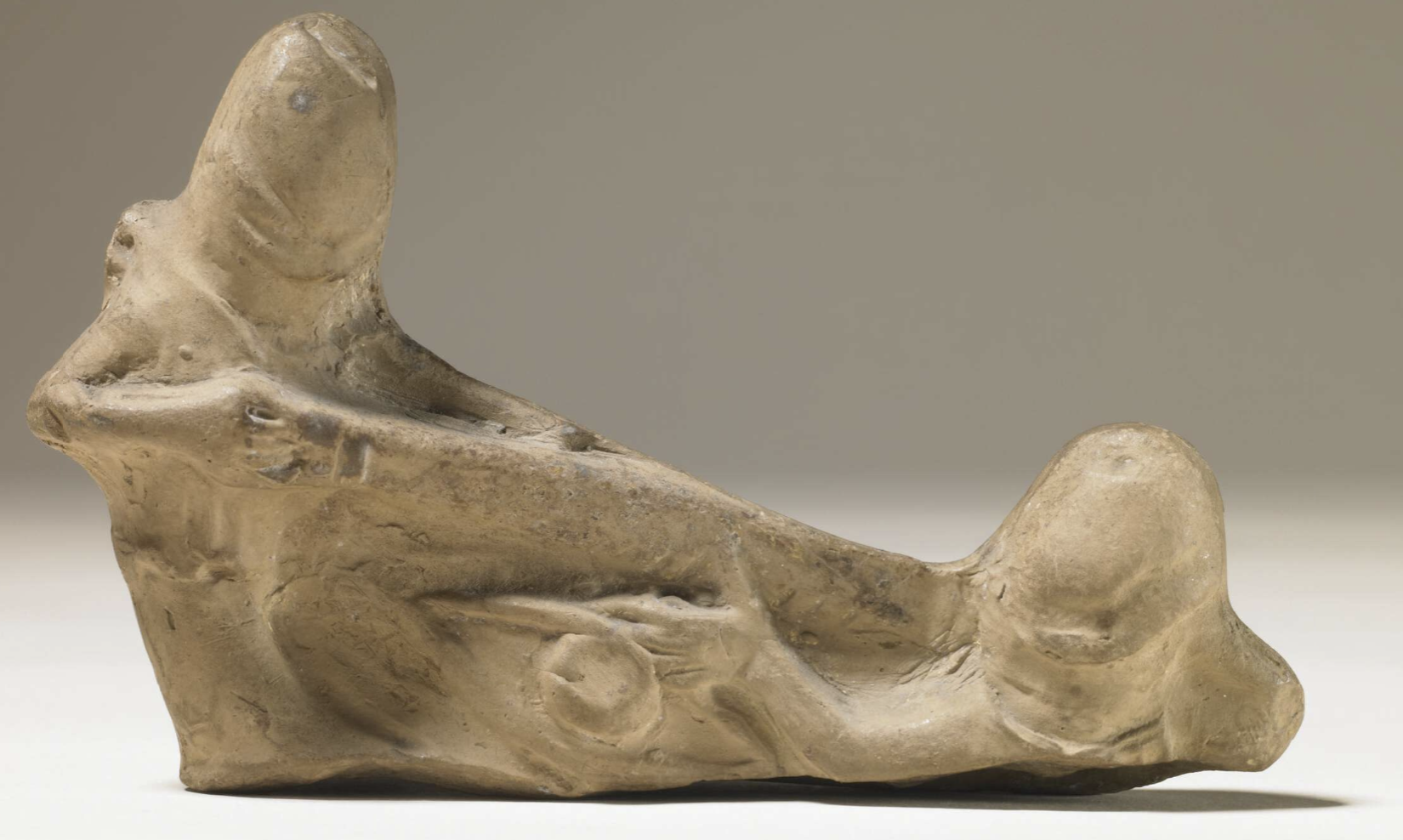
I’m was doing teaching prep yesterday and started to spiral out on George Witt, a very peculiar gentleman, trained as a doctor, made a fortune in banking, and obsessed with ‘obscene’ objects and even created the first ‘Turkish’ bath in England (for men of course). His donations to the BM include 498 objects, of which 338 have images in the online catalogue.
The above object has appeared in many books and also my own teaching slide decks. It is a quintessential illustration of the power of the phallus over the evil eye. I also use in my class slide deck a bunch of images from Leptis Magna to make the same point. (more on this blog about the evil eye)
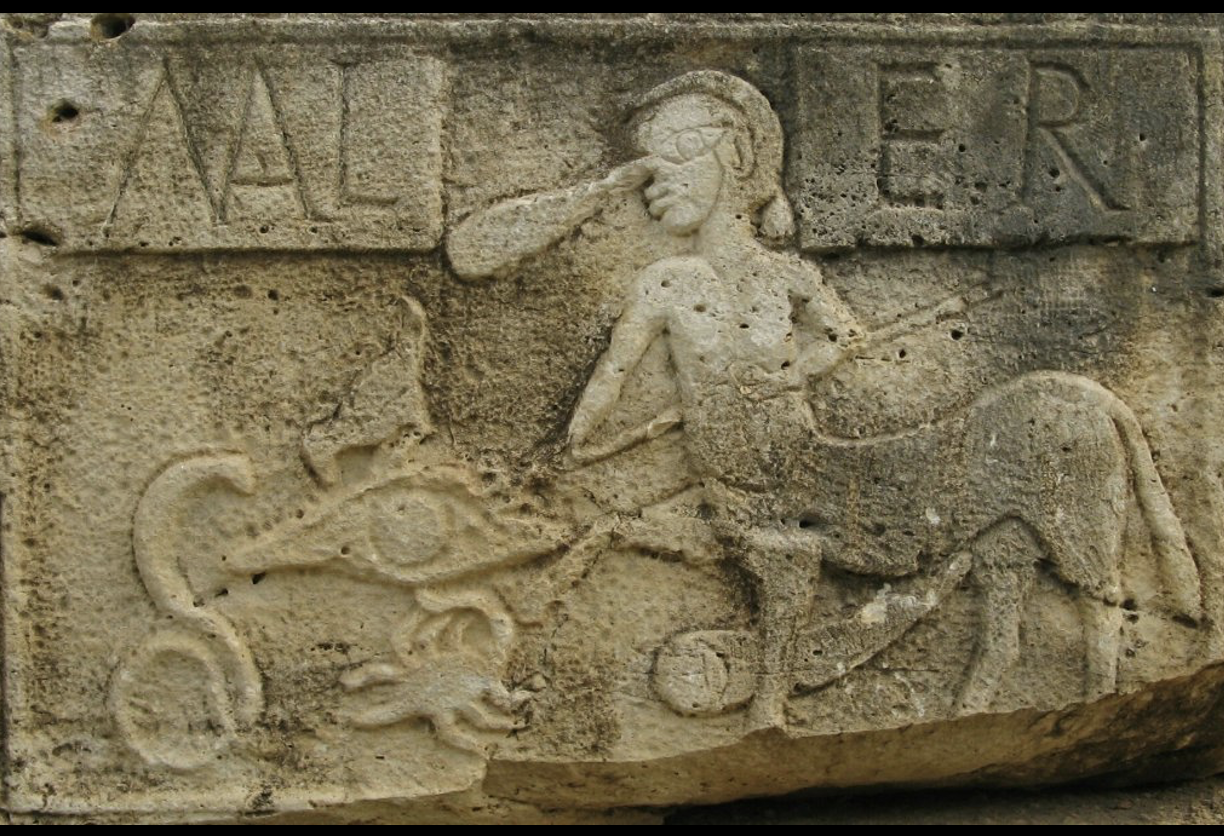


In the class lesson we’re trying to nuance out the erotic gaze, particularly the elite male gaze, from the power associated with gaze through invidia and beliefs around the evil eye and the non-erotic, protective apotropaic power of the phallus and the laughter it can engender. Here’s the unit. Here’s supplementary study images.
So why if I’ve dealt with this through my teaching am I here on my blog over bodega breakfast still writing. It’s Witt and BM catalogue of course. The entry in the online catalogue provides a place of origin for the topic image, “Tarsus”. How do we know this? How do we know it is even genuine?
When a collector is obsessed with a specific type of object the market supplies that object with whatever stories are necessary. I’ve seen this time and again. Here’s a thought experiment. If a collector wants small bronze coins often associated with a particular archaeological site, all of a sudden these previously incredibly rare yet worthless objects appear for purchase at whatever price the collector wishes to pay. The logical deduction if unprovable is that someone is feeding this habit through illegal excavation, or at least hitting up all the local collectors in the region to find specimens that have languished in drawers and boxes unloved for years, past stray finds previously considered worthless.
There is also a great desire to foist fakes similar to the collector’s desired objects onto said collector. Here is something my grandfather had in his attic! I see your interest and wouldn’t this be a nice addition to your collection. Today it is harder to fool the most experienced collectors because of the mass of images and information available and the speed of communication between individuals with expertise across a global network. And yes sometimes sellers of fakes find my blog and try to leverage my expertise to validate their objects. I don’t validate objects on the market. Period.
In the 19th century it was much easier to sell fakes, even to the very highest end of collectors. Partly because collectors feel in competition with one another. Once something rare and precious comes to market everyone wants one!
My favorite example is the Penelli Sarcophagus (BM).

This was claimed to have been excavated in Caere but is now regarded as a forgery. Inscription copied from a gold brooch at the Louvre. Several elements are unlike anything from the Etruscans: the poses of the couple, the nudity of the man, and the nineteenth century under-garments of the woman.
Curator’s Comments, BM online catalogue
While not everyone would agree with me I’m also very suspicious of the birthing scenes in the Wellcome Trust collection which also seem to me to encode 19th century fantasies about birthing and feed the collecting habits of the Victorians who purchased them.

In the above montage only the top left has a firm archaeological find spot. The others ‘appeared’ on the art market. More info.
Artifacts without provenance cannot be presumed to be authentic, ESPECIALLY if they are unique or unusual. We cannot then deduce historical information.
So where does this leave me for the top image? It means what I desperately want to see are the archival records and notes that go with the Witt collection to understand how Tarsus ended up in the notes and if there is anything that would suggest that is truly plausible and the original function of the object. I am having fantasies of research abroad.

 Liv Mariah Yarrow