Boar Standards and Other Things

The inspiration for this post was this book and it’s yummy drawn plates:

I’ve been interested in boar standards since the sestertius imitation with one turned up on the market; I think it likely to be a fantasy piece from some past modern century, not ancient, but some feel differently. Regardless of who made it in whatever century for what ever purpose, the maker clearly knew the common occurrence of boars and boar standards on Celtic coinage (including in Britain).

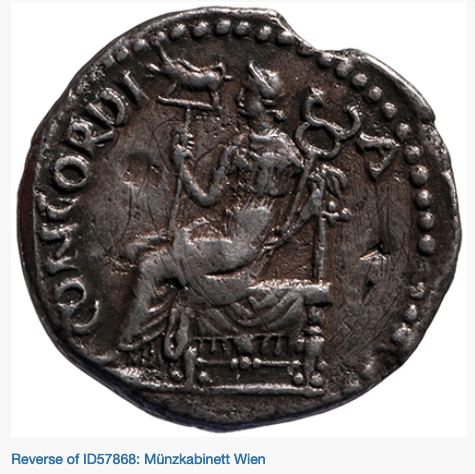
A coin of the Civil Wars (68-69 CE) thought to have been made in Lower Germania

There is also this other Civil Wars coin type, but I’ve not been able to track down an image to confirm descriptor:


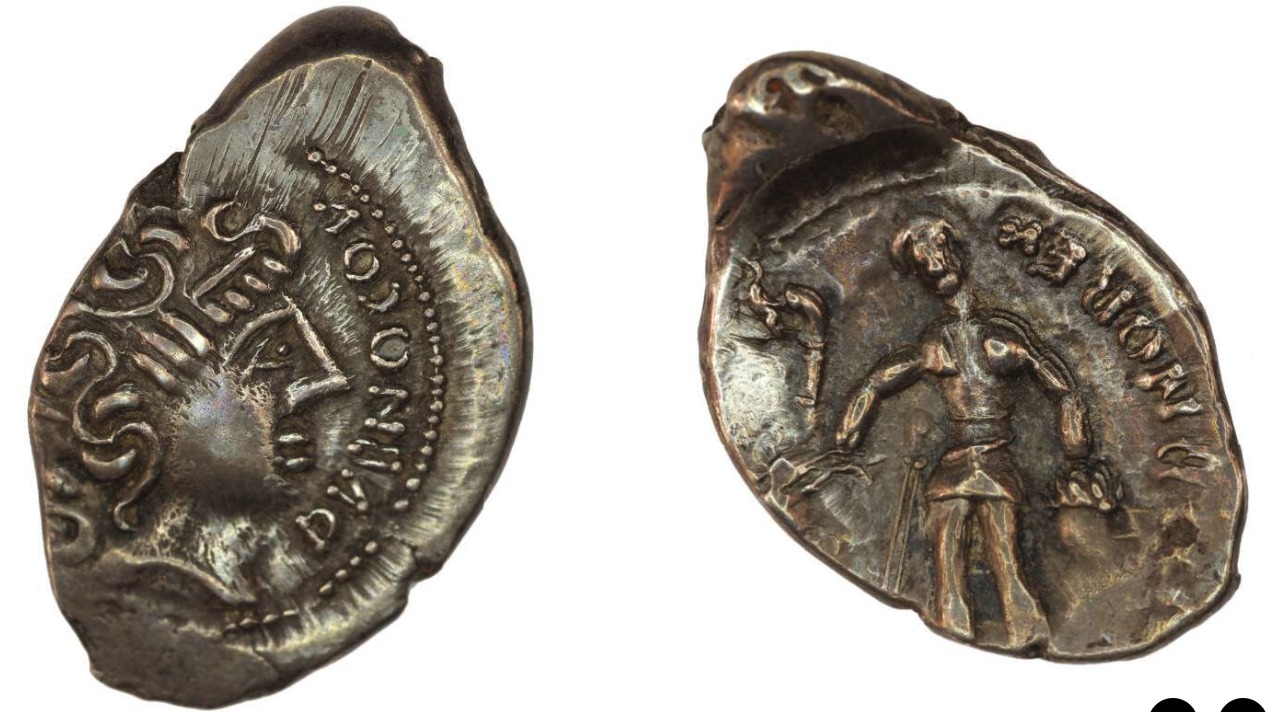
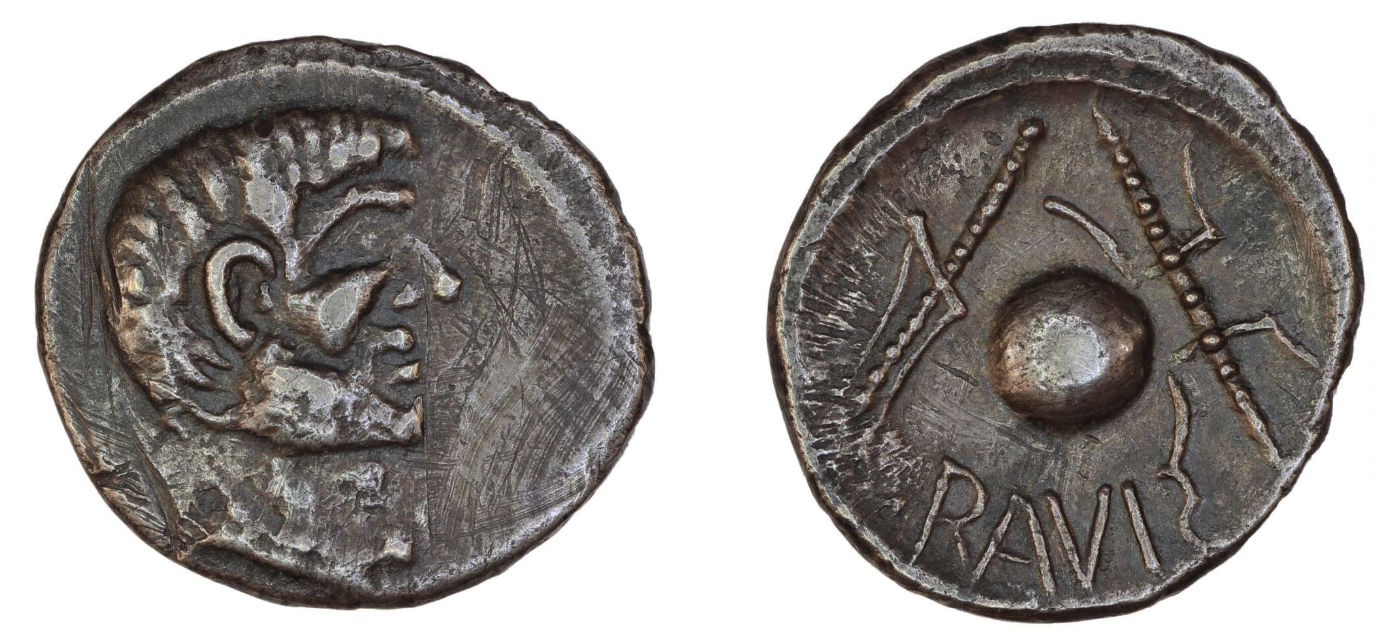
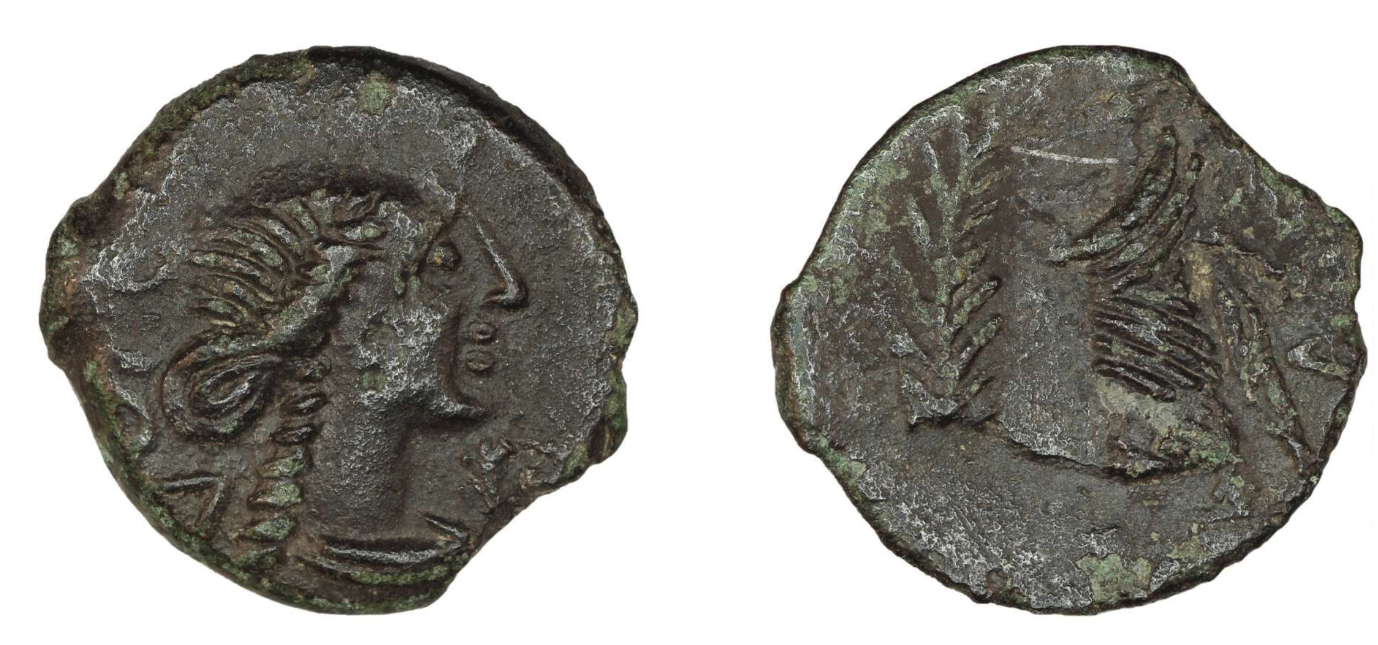
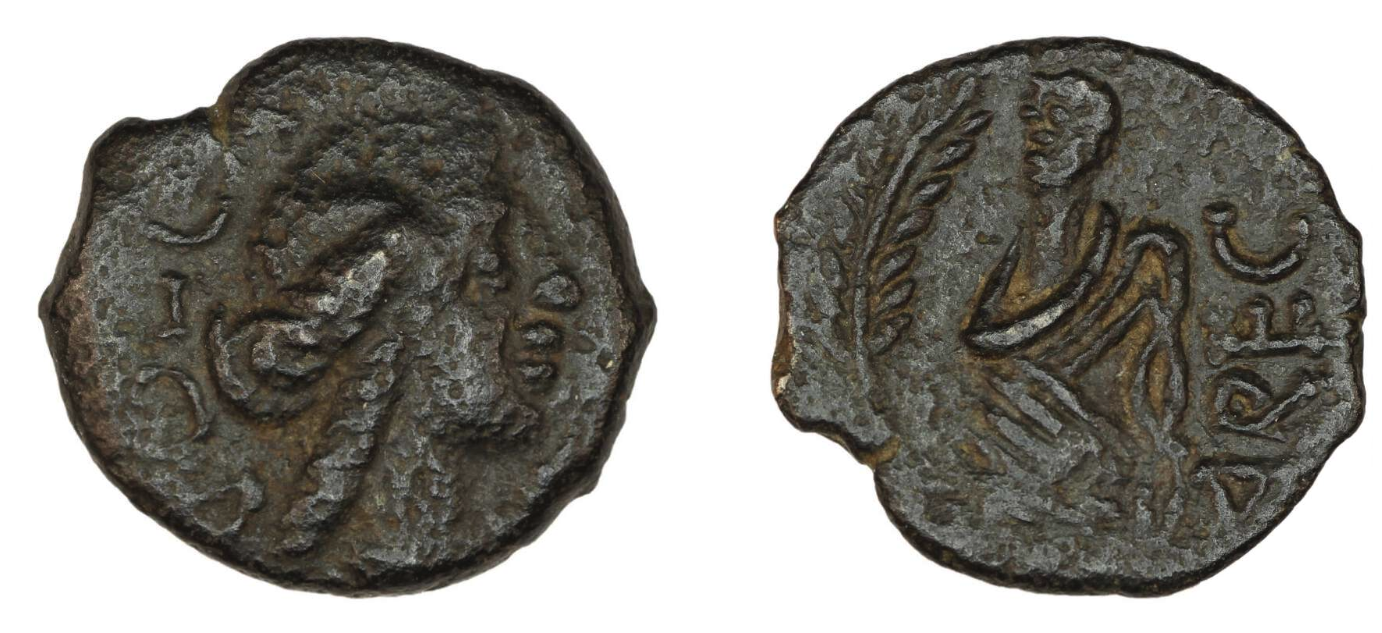
Over the weekend I let myself explore the BM collection of European Iron Age coins. the following caught my eye:

BM
BM
BM; cf another
BM cf. another similar; another
BM
BM; cf. another and another
BM cf. another
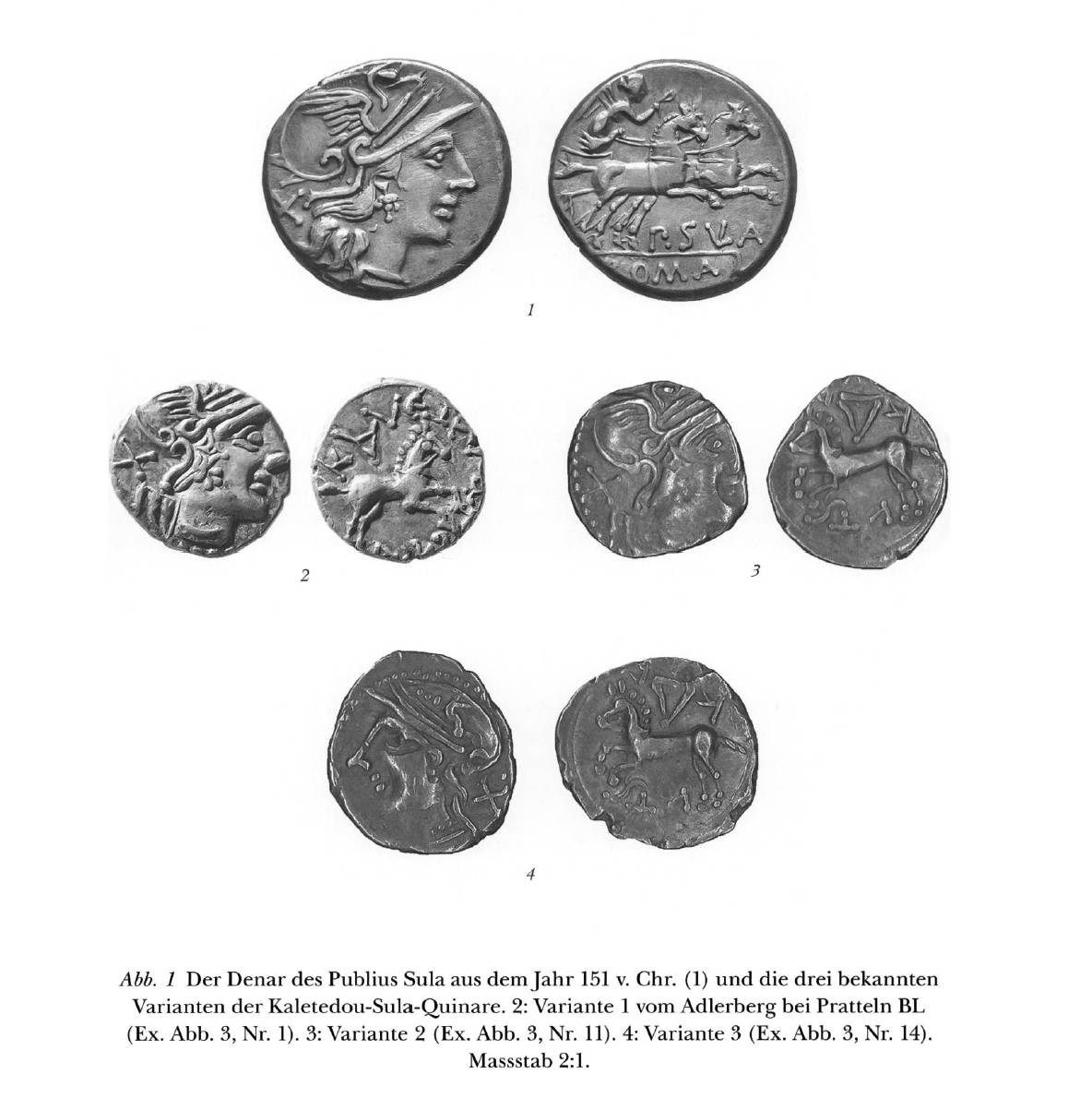
From above book. Specimens are known in trade.

Echoes of Republican Coins

BM; Obv. inspired by RRC 409/1; another and another: I cannot find a precedent for the reverse and that I find remarkable… I wonder why we don’t consider some of these provincial coinage…
BM
Derived from RRC 394/1; (BM)
BM: Strong Obverse Echoes of RRC 403/1 (also here)
BM: echoes of the helmet seen on RRC 335/3; RRC 335/3; and RRC 319/1
Reverse derives from RRC 393/1 or possibly RRC 464/3 (BM); another
BM: note the scepter has become a Fulmen (thunderbolt); another more closely related obv. to 393/1
Singular example of tons with “ROMA” head obv. (BM)
Toga imagery! (BM)
BM
BM, cf. another; and another and another and another and another
Reverse related to RRC 526 (BM)
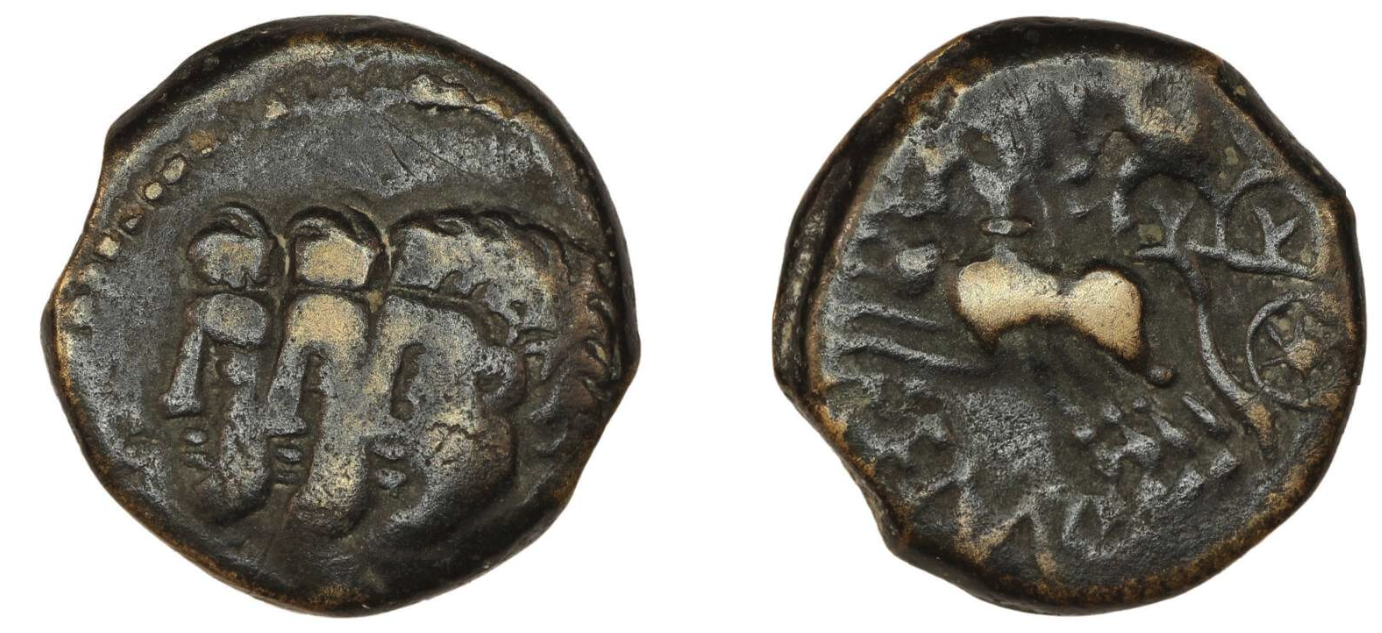
(BM) Reminds me of the three head coinage of Ephesus; another; another
Reverse reminiscent of RRC 455/1; the obverse derives from RRC 429/1 (BM; another, yet another, )
(Paris; another, another, another) Reverse from Narbo issues

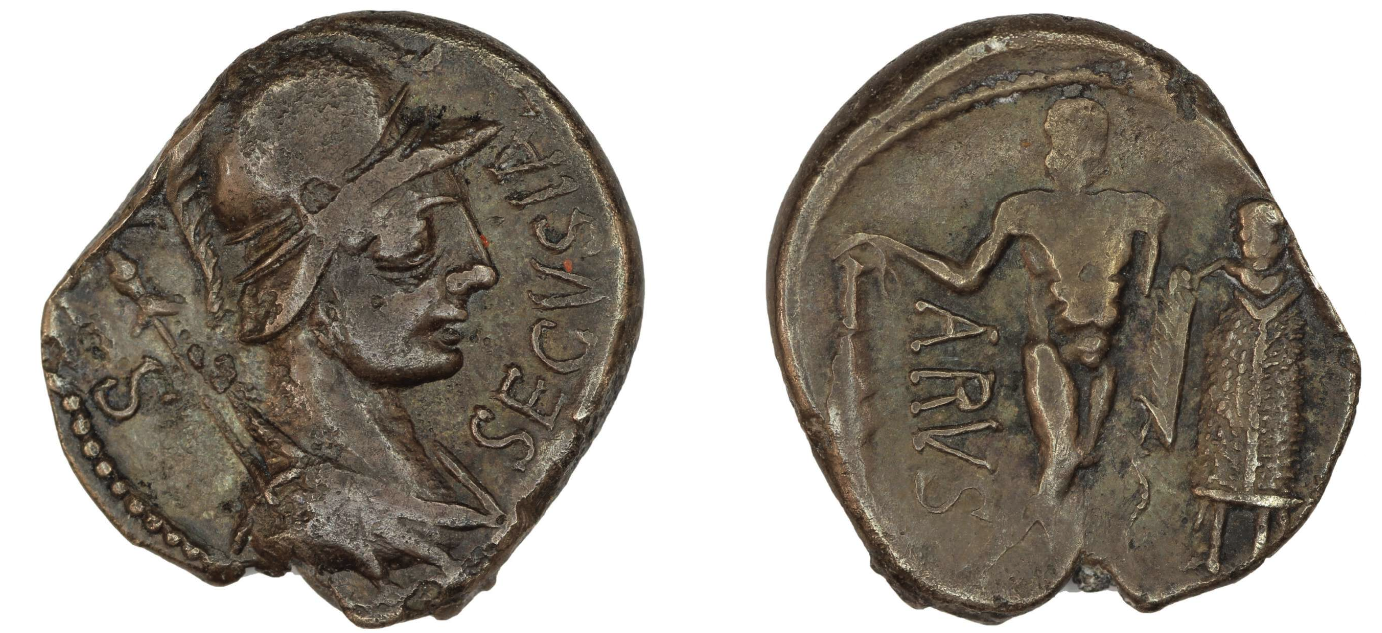
Sheers 1991 has done great work on this type and many more. Her identification of the Mensor as the obverse inspiration is spot on!


Lest the reader is left with the impression that all Celtic coinages derive from Roman many have other inspirations (Massilian, Sicilian, Macedonian, esp. Philippoi coins, Thasos, to name a few mints), AND in some cases are very much their own creation.


Update 22-Jun-23:

From:

Open Access Link


Update 27 June 2023

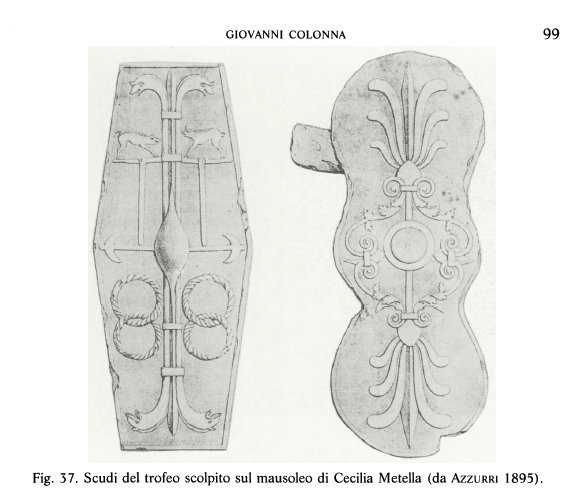
Colonna, Giovanni. “Gli scudi bilobati dell’Italia centrale e l’ancile dei Salii.” Archeologia classica 43 (1991): 55-122. It is gloriously illustrated. JSTOR link

Leave a comment