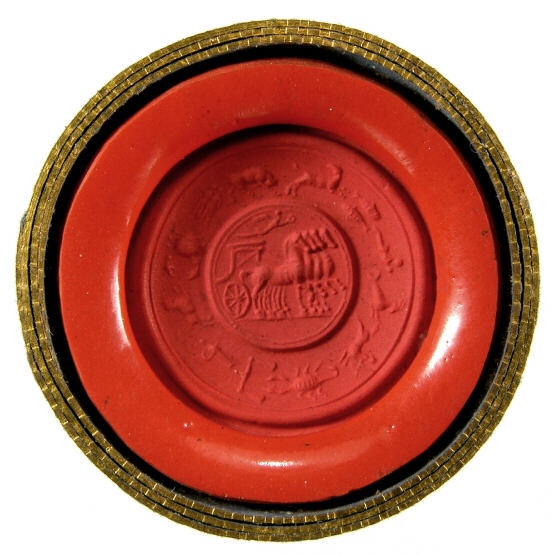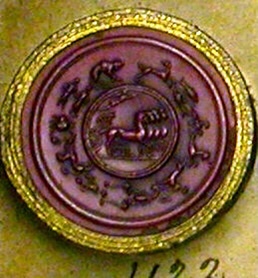
Corvus, Raven, Crow, Helmets

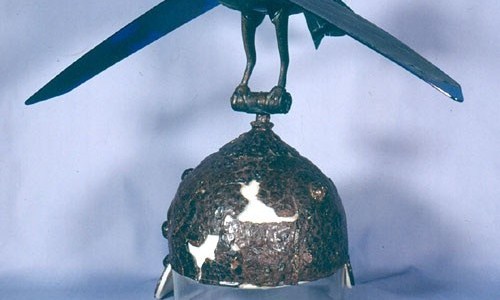
New image added to post 5-3-23. (photo: Jona Lendering; museum: Bucharest; image source)

An important Romanian publication with great comparative iconography


original post:

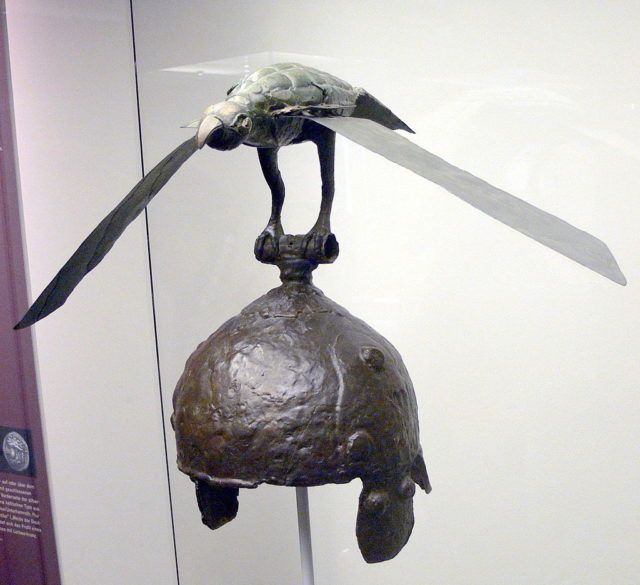
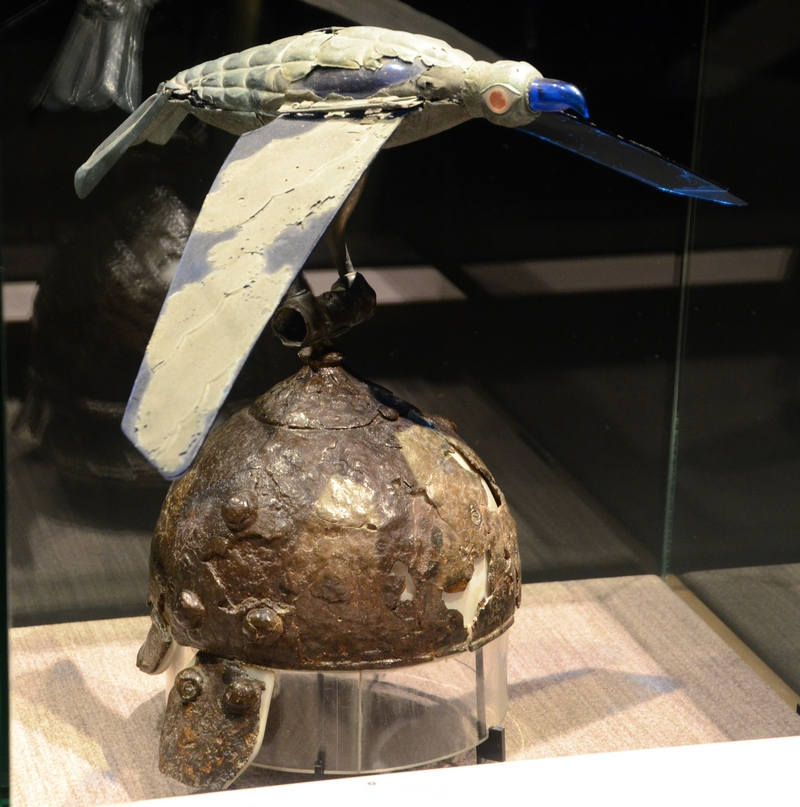
All images of the original or copies of the Celtic helmet from Ciumesti, Romania, a grave find from the 3rd or 4th c. BCE. Museum Satu Mare.

Livy 7.26ff:

Whilst the Romans were passing their time quietly at the outposts, a gigantic Gaul in splendid armour advanced towards them, and delivered a challenge through an interpreter to meet any Roman in single combat. There was a young military tribune, named Marcus Valerius, who considered himself no less worthy of that honour than T. Manlius had been. After obtaining the consul’s permission, he marched, completely armed, into the open ground between the two armies. The human element in the fight was thrown into the shade by the direct interposition of the gods, for just as they were engaging a crow settled all of a sudden on the Roman’s helmet with its head towards his antagonist. The tribune gladly accepted this as a divinely-sent augury, and prayed that whether it were god or goddess who had sent the auspicious bird that deity would be gracious to him and help him. Wonderful to relate, not only did the bird keep its place on the helmet, but every time they encountered it rose on its wings and attacked the Gaul’s face and eyes with beak and talon, until, terrified at the sight of so dire a portent and bewildered in eyes and mind alike, he was slain by Valerius. Then, soaring away eastwards, the crow passed out of sight. Hitherto the outposts on both sides had remained quiet, but when the tribune began to despoil his foeman’s corpse, the Gauls no longer kept their posts, whilst the Romans ran still more swiftly to help the victor. A furious fight took place round the body as it lay, and not only the maniples at the nearest outposts but the legions pouring out from the camp joined in the fray. The soldiers were exultant at their tribune’s victory and at the manifest presence and help of the gods, and as Camillus ordered them into action he pointed to the tribune, conspicuous with his spoils, and said: “Follow his example, soldiers, and lay the Gauls in heaps round their fallen champion!” Gods and man alike took part in the battle, and it was fought out to a finish, unmistakably disastrous to the Gauls, so completely had each army anticipated a result corresponding to that of the single combat. Those Gauls who began the fight fought desperately, but the rest of the host who came to help them turned back before they came within range of the missiles. They dispersed amongst the Volscians and over the Falernian district; from thence they made their way to Apulia and the western sea.

The consul mustered his troops on parade, and after praising the conduct of the tribune presented him with ten oxen and a golden chaplet. In consequence of instructions received from the senate he took over the maritime war and joined his forces with those of the praetor. The Greeks were too lacking in courage to run the risk of a general engagement, and there was every prospect of the war proving a long one. Camillus was in consequence authorised by the senate to nominate T. Manlius Torquatus as Dictator for the purpose of conducting the elections. After appointing A. Cornelius Cossus as Master of the Horse, the Dictator proceeded to hold the consular elections. Marcus Valerius Corvus (for that was henceforth his cognomen), a young man of twenty-three, was declared to be duly elected amidst the enthusiastic cheers of the people.
Marcus Curtius

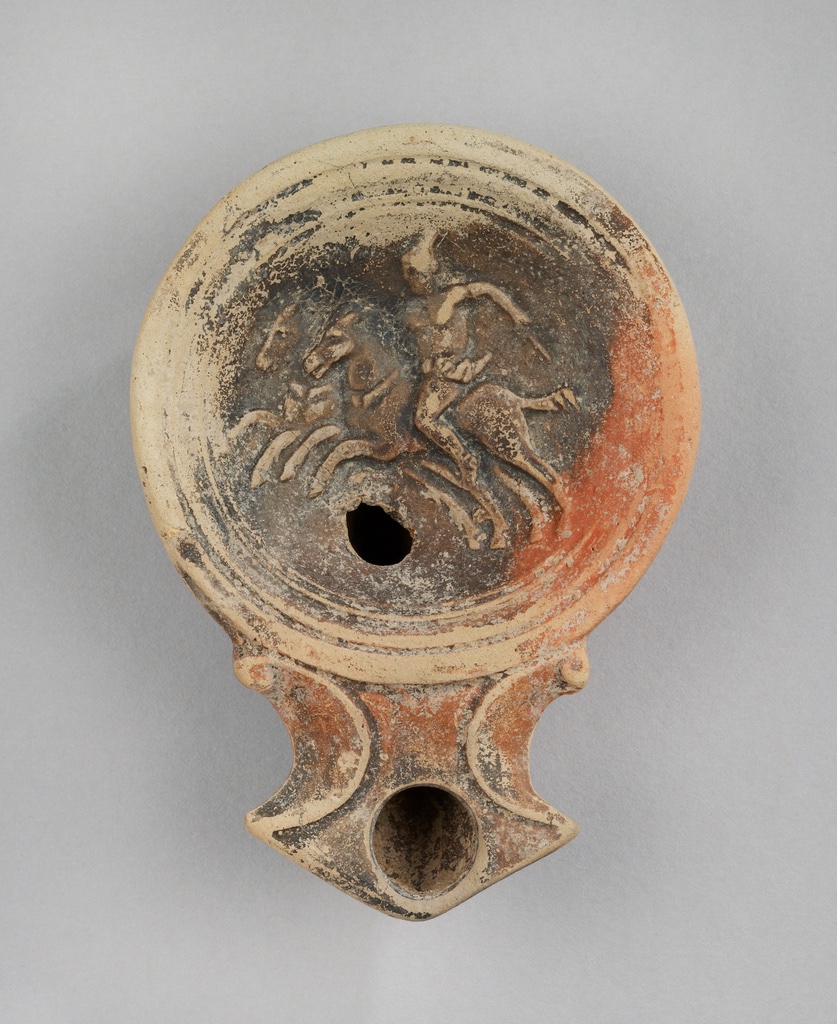
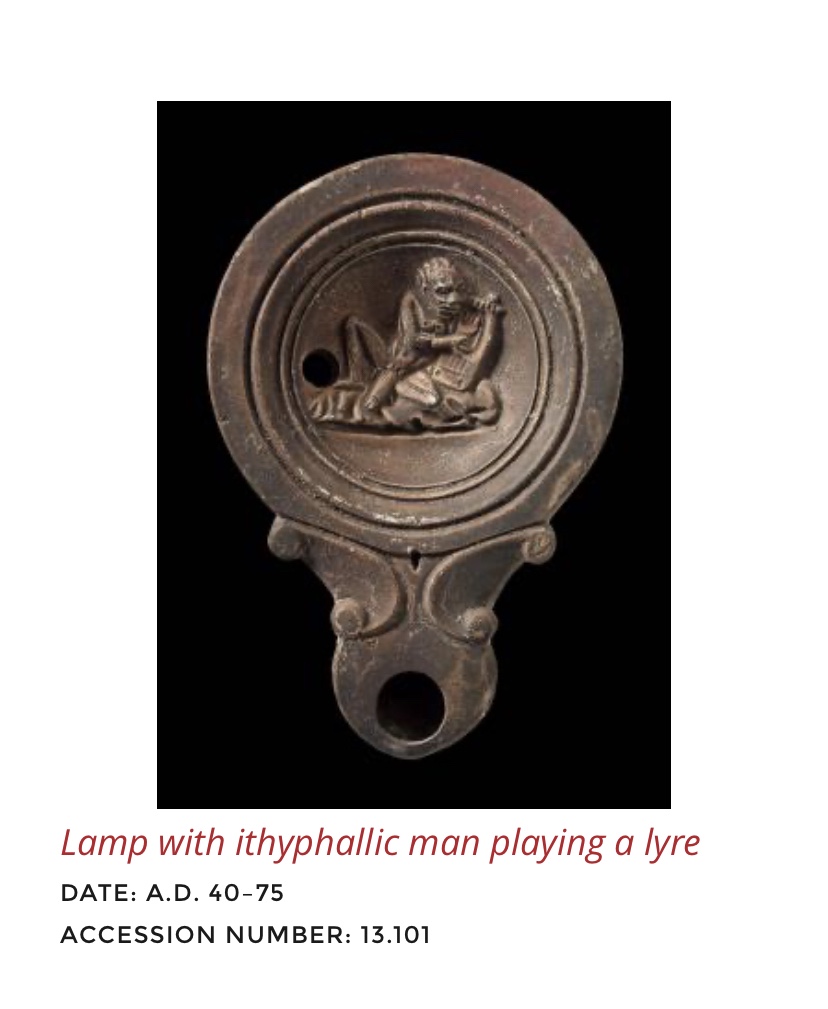
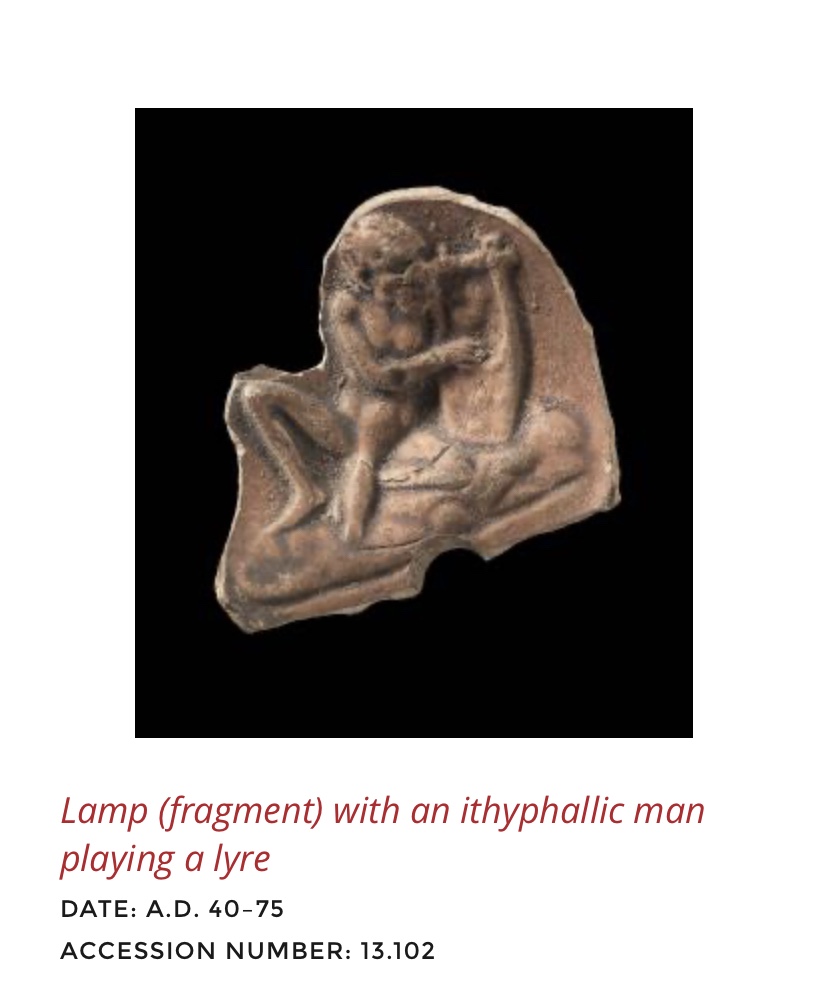
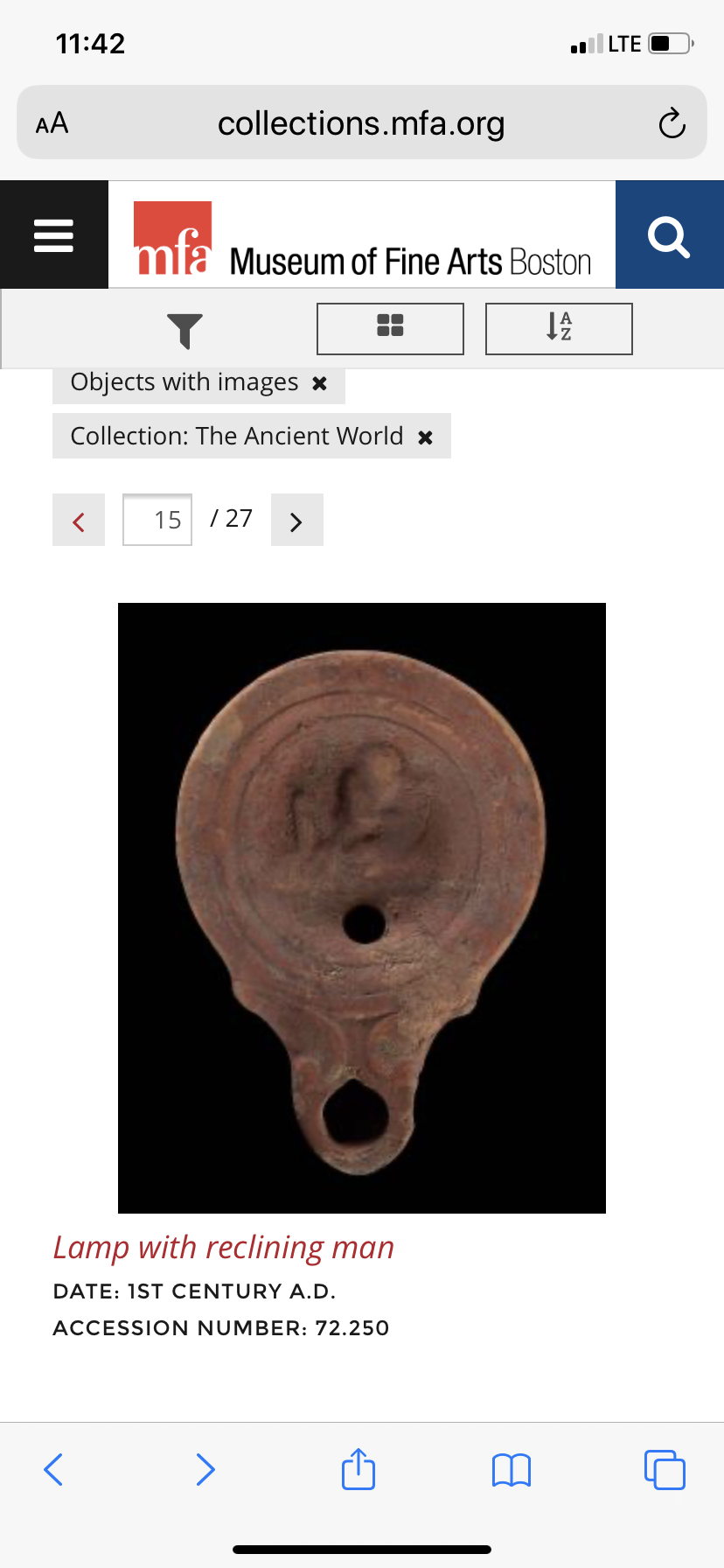
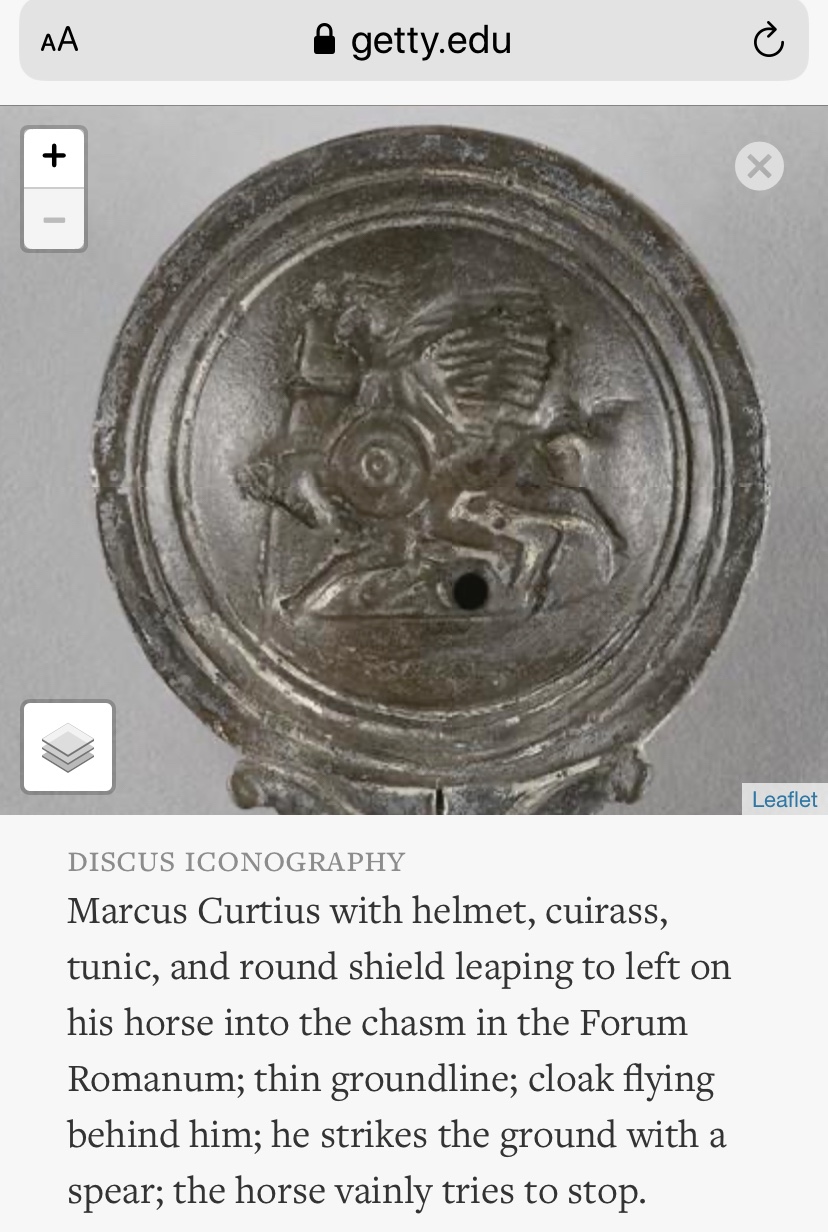
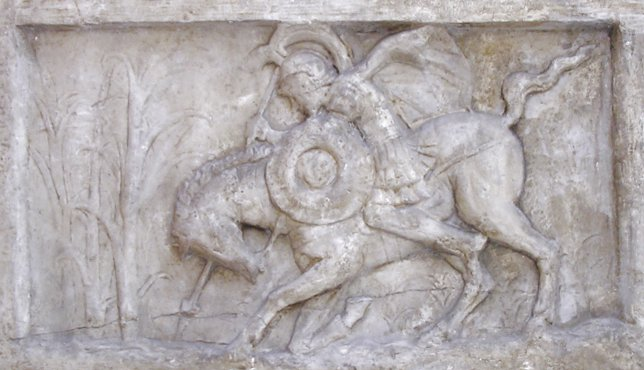
The lamp clearly derived from relief or they share a prototype. Now I want to know more about the relief. Wikipedia tells me it was found in a garden near the forum in “1553, seems to have been leading in most images. It dates from the Early Empire, but may have been copied from a 3rd- or 2nd-century BC piece“….

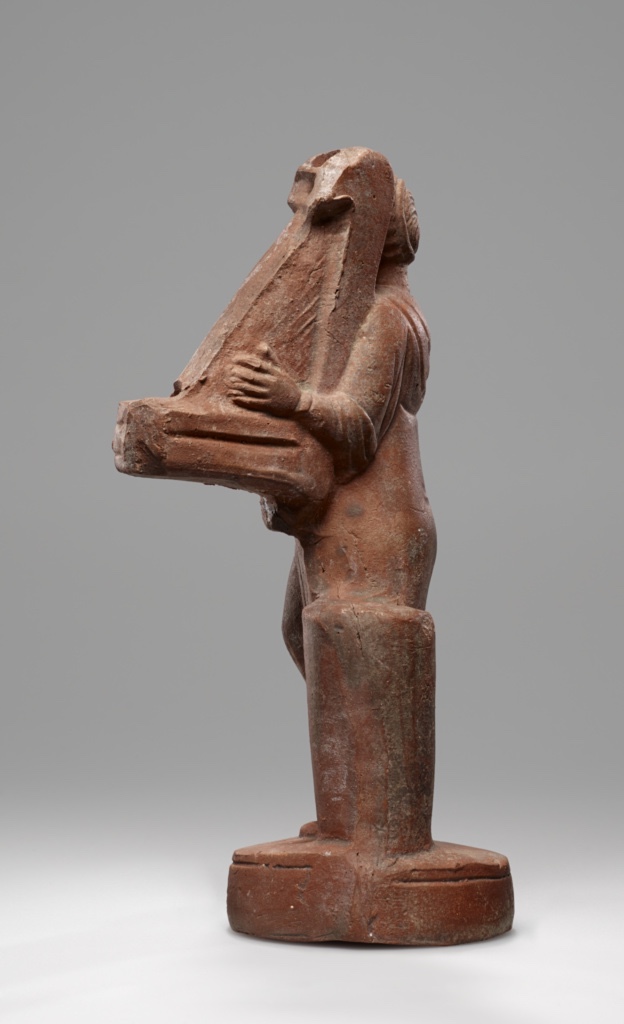
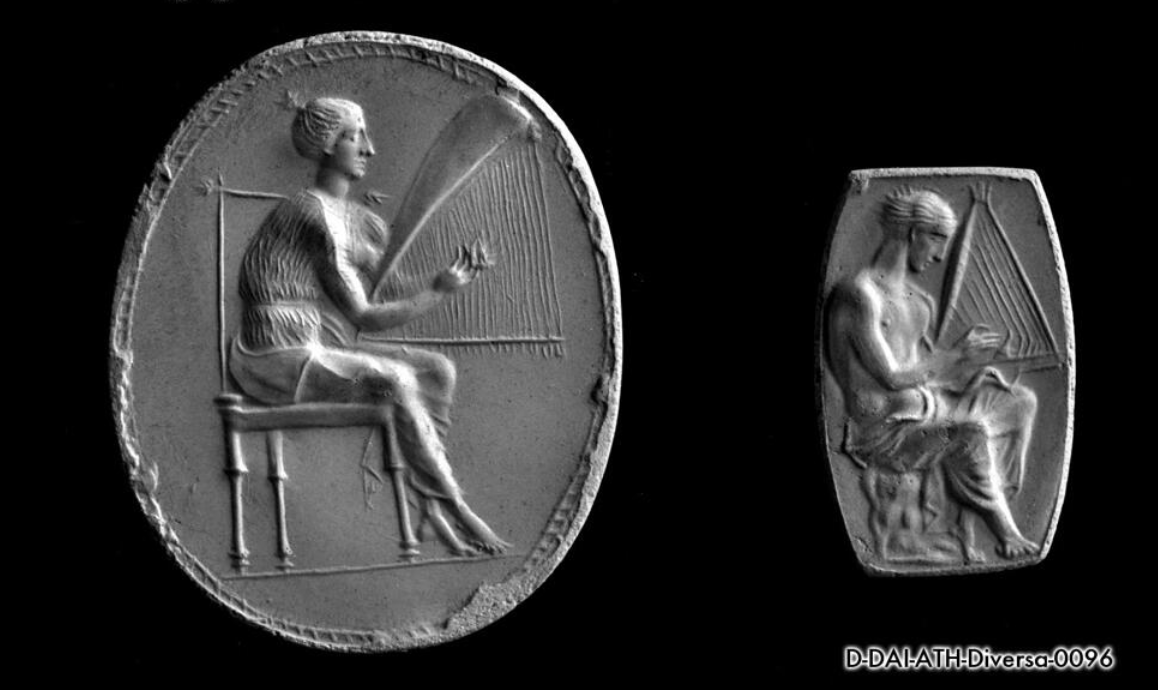
Sambuca, best image yet

Getty 83.AQ.377.504

Second best every representation (?) but of a much larger instrument

Wikimedia Image

“Floor pavement representing female dancers. Marble mosaic, ca. 260 AD (Sasanian Era). From the iwan of the so-called palace of Shapur at Bishapur, Iran.”

Update 5/26/2021:

Image
Said to be in BM, but this is from Arachne.

Update 11-5-21:

Image
likely from a villa at Boscoreale: ca. Early-to-Mid 1st Century CE, now in Landesmuseum Württemberg, Stuttgart (Arch 83/1 k) – Thanks to Dr Crom via Twitter
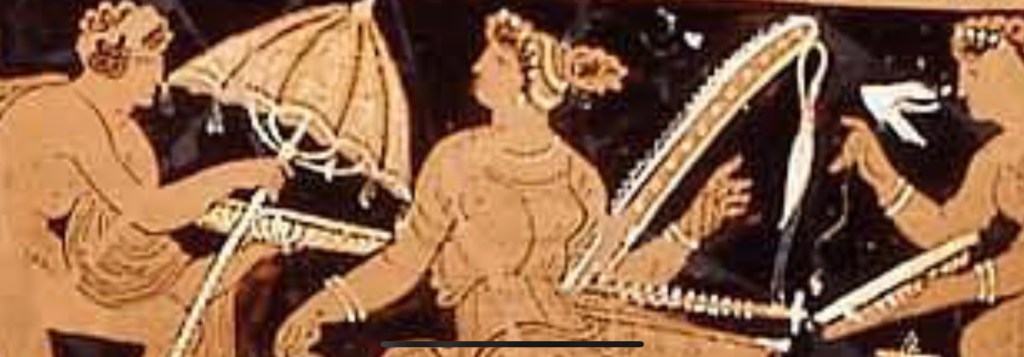
MFA vase detail

I’m thinking about AR obols this morning…

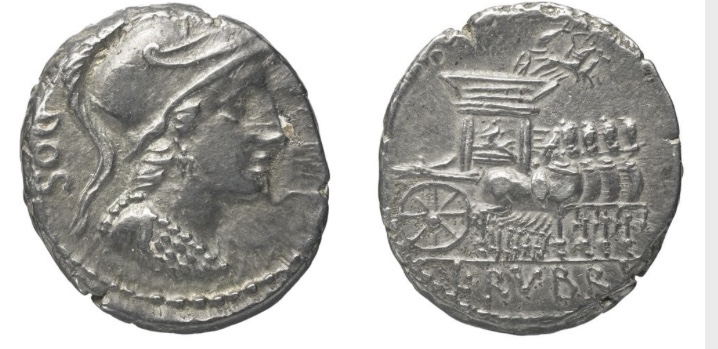
Some visuals I want to think more about.  Mostly I’m thinking about Italy in the late fourth, early third century BCE, e.g. context for RRC 13/2, but this caught my eye because of very general similarities to RRC 2/1 and RRC 13/1:

Capture.JPGCapture2 (2).jpg

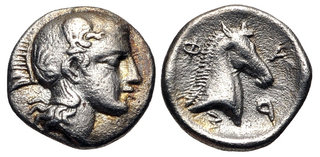
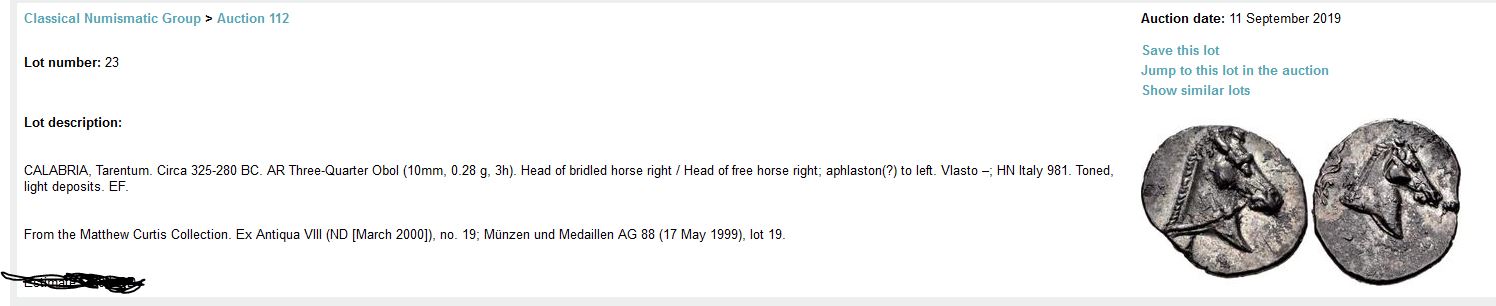
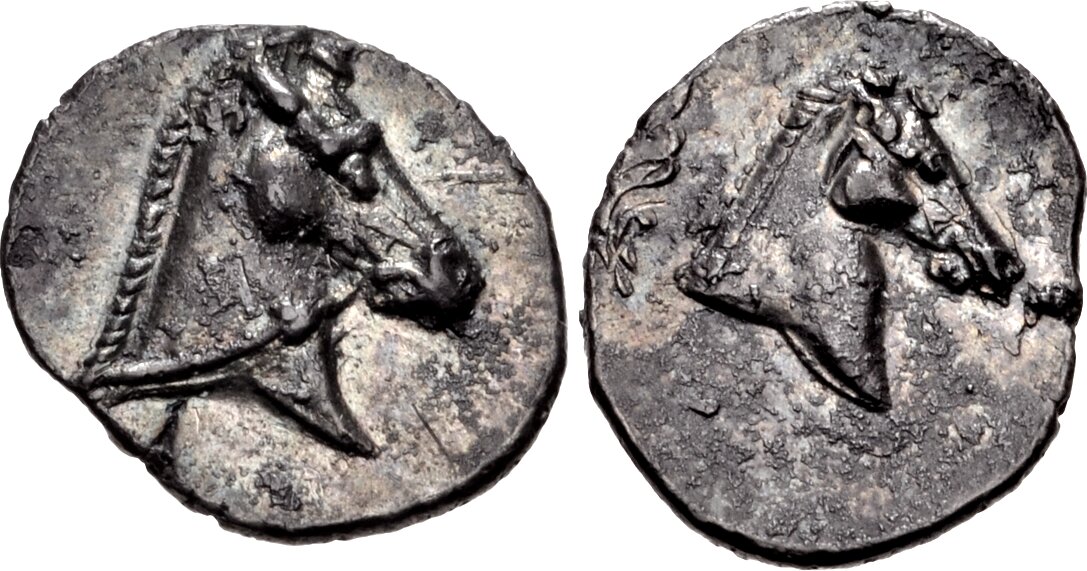
This type from Tarentum is also really fascinating.  Again you’ll see straight away why it caught my eye (bridled horse, like RRC 13/1), but also notice the ‘mint mark’ behind the horse, here an apulstre. There also seem to be a good number of these Tarentum obols coming on the market although most that I see have decent collection histories.

(You may notice that I”m now collecting images off coinarchives where for years I’ve been a acsearch.info loyal fan.  I broke down and paid coinarchives for an academic account…  I still prefer acsearch interface but subscription to CA was better value.)

Capture2 (2).jpgCapture.JPGOf course all these horses are profile not 3/4s profile which is a rather key feature of RRC 13/1…

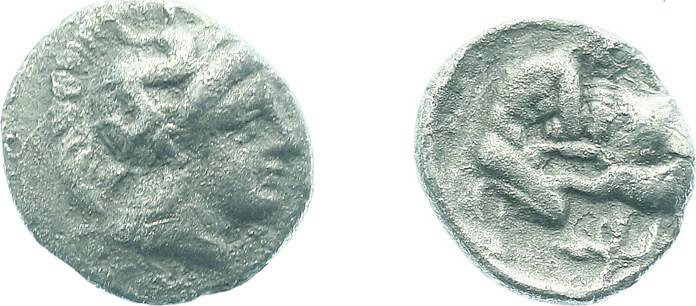
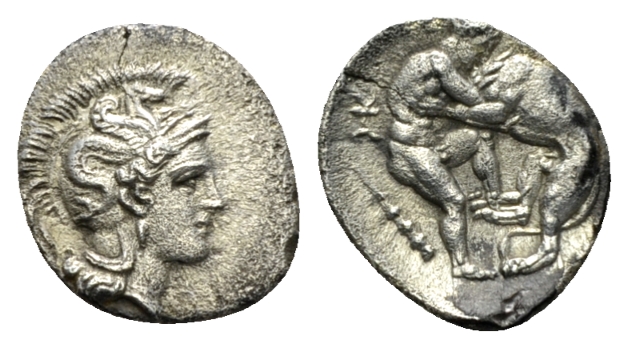
There are lots of AR italy obols with Athena but they almost (?) all have a Corinthian helmet: Cumae (minted maybe at Neapolis), Alba Fucens (Pyrrhic War?), Arpi (I’ve always wondered about this mint and a connections to RRC 13/1 but that seems a dead end, pie in the sky speculation)…

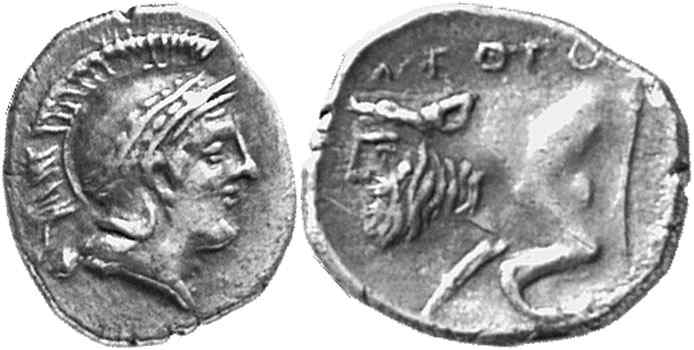
But we do have this from Tarentum (again!)…

Capture2 (2).jpgCapture.JPG

Capture.JPGCapture2 (2).jpg

Grading, kiddos, and other research commitments all call…  Must stop this line of thinking for now.

Ok, one more and then I’m really leaving it

Capture.JPG   Capture2 (2).jpg

Update Feb 2, 2020:

This last type is nearly identical to HN Italy 617 (Illustrated) of Phistelia = SNG ANS 582.

Also part of this broader conversation should be the v rare HN Italy 636 (Illustrated) = McClean 397, boar head/bridled horse head obol, c. 325-275 BCE.

an episode from the history of “cleaning” coins…

[Machine/Human translation]

Source.

1904

… correspondence of our meritorious partner Mr. Giuseppe Scalco, of Rome, a well known restorer of ancient coins, … some passages that may interest collectors and coin restorers…

“The main basis of any work is being skilled in the art and applying it afterwards to any undertaking. For example, I applied it in the hard stone engraving and in the work carried out I did not come in last place.

“I was lucky to know the numismatist Dr. Tommaso Capo, who, well appreciating my attitude, wanted to start cleaning the coins, sure (he told me) of the useful and complete success.

“This is the principle. You will know well that the hard engraving for the execution technique has no bearing on the cleaning of the coins; yet I found, by means of my reaction wheel [??], excellent support, and today, after years of experience, I can assure you that I have an effective means which, together with the burin, another indispensable work tool, is extremely successful. As you can see, I don’t have any secrets.

“Indeed, at first sight it would seem easy to carry out, yet difficulties arise such that solving them requires having many requirements, that is, art, lightness of hand in using the burin, an eye accustomed to minute things, attitude and limitless patience.

“Frankly, I declare myself satisfied with the result obtained, and more and more satisfied with having people who highlight its importance. 

“In these years of work I have counted thousands of coins brought back to life again and I hope to increase more and more the number.