Stools on coins

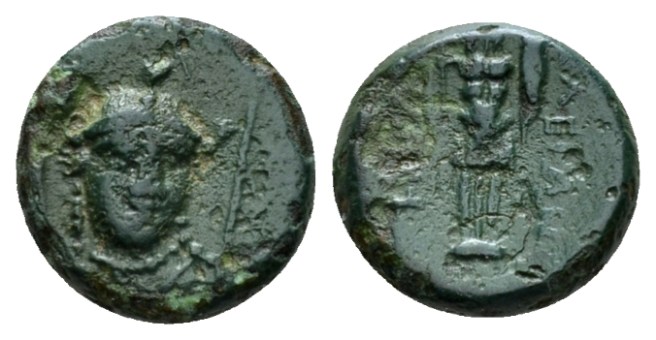
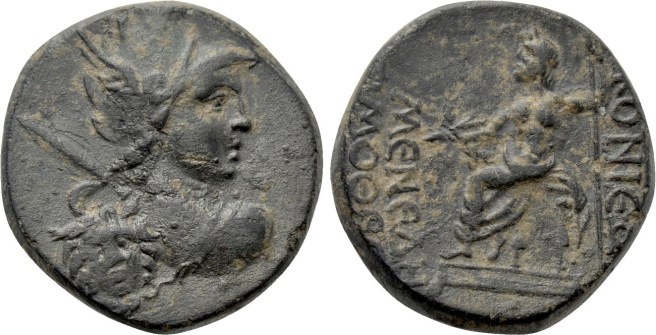
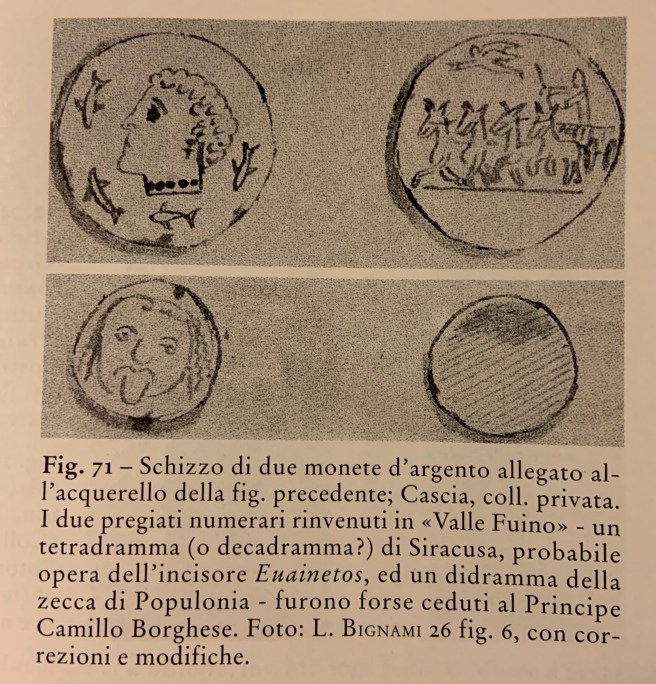
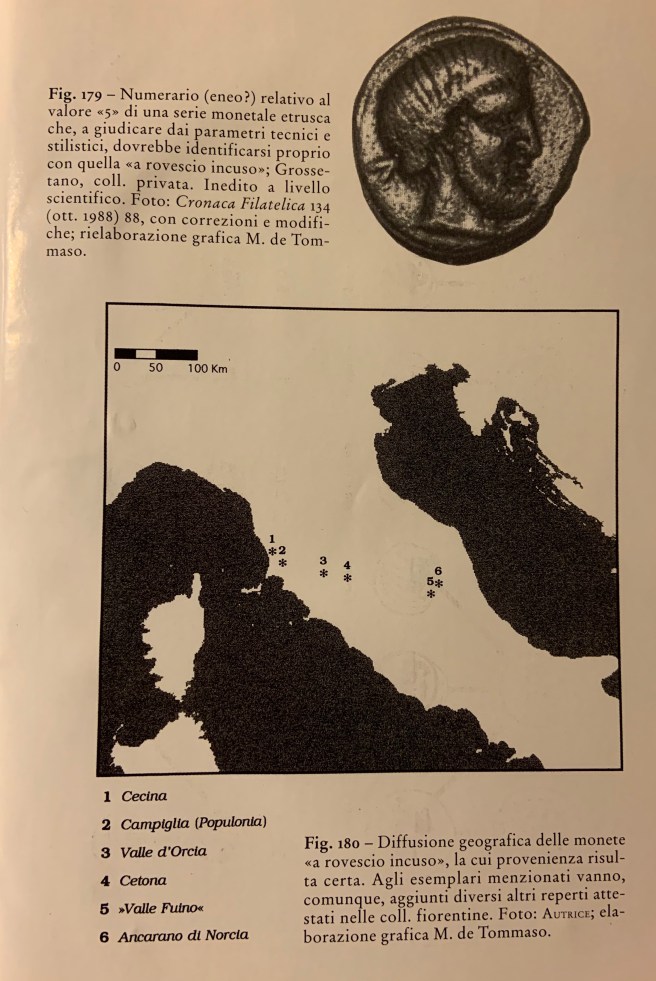
When thinking about the subsellium (quaestor or tribune’s bench) and sella curulis (curule chair) on Roman coins in future, I want to remember these coins from Tarentum (HN Italy 854-6, latter two illustrated below, first is illustrated by Rutter).  The stool is commonly called a diphros.

Capture.JPG

Capture

Family Ties and Enmities

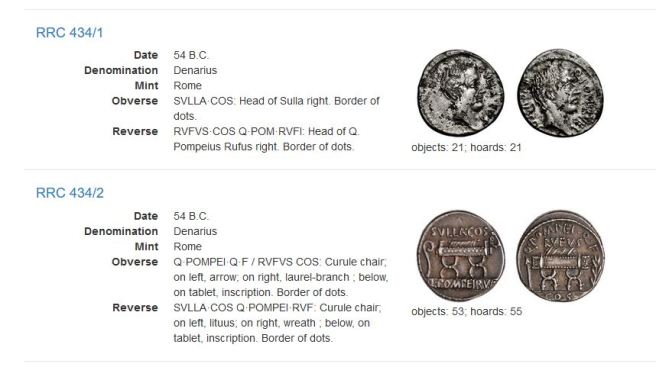
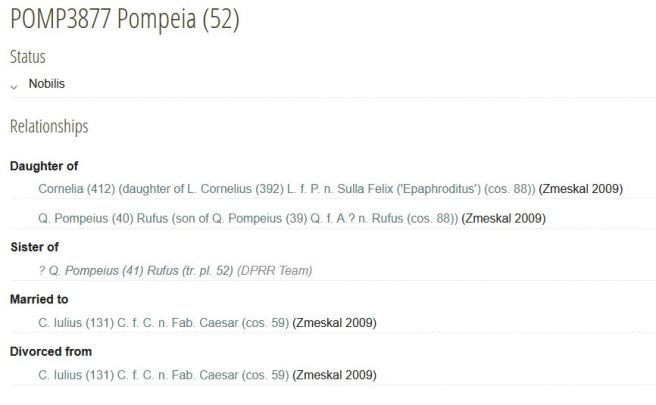
So the moneyer of RRC 434 was the brother of the Julius Caesar’s ex-wife.  The one he divorced because Clodius was caught dressed like a woman in his house during the women-only Bona Dea festival.  The same scandal that was at the root Clodius’ hatred for Cicero and the latter’s eventual exile.

This adds a new layer to this coin for me.  It’s imagery  is not just pushing against Pompey’s growing autocratic tendencies (like that of Brutus’ in the same year, RRC 433), but against the so called first-triumvirate.

Rufus has good reason to side with the senate conservatives (Cicero’s boni or optimates).

Capture1.JPGCapture.JPG

Trinum nundinum

How long is three market days? I had a great Twitter conversation on this maybe a year ago I need to dig up and archive it had a wide range of opinions and serious scholars chiming in.

I was reminder of the question upon seeing Shackleton Bailey’s certitude its 24

Rumors about Julius Caesar and Money

Suetonius Life of JC, 54

Neither when in command of armies nor as a magistrate at Rome did he show a scrupulous integrity; for as certain men have declared in their memoirs, when he was proconsul in Spain, he not only begged money from the allies, to help pay his debts, but also attacked and sacked some towns of the Lusitanians although they did not refuse his terms and opened their gates to him on his arrival.

2 In Gaul he pillaged shrines and temples of the gods filled with offerings, and oftener sacked towns for the sake of plunder than for any fault. In consequence he had more gold than he knew what to do with, and offered it for sale throughout Italy and the provinces at the rate of three thousand sesterces the pound.

3 In his first consulship he stole three thousand pounds of gold from the Capitol, replacing it with the same weight of gilded bronze. He made alliances and thrones a matter of barter, for he extorted from Ptolemy alone in his own name and that of Pompey nearly six thousand talents, while later on he met the heavy expenses of the civil wars and of his triumphs and entertainments by the most bare-faced pillage and sacrilege.

Tracing a Roman Cliché

[Please accept this] a mark of my devotion.

[I sent this] token of my love.

That sort of thing… How cliché was that cliché?!

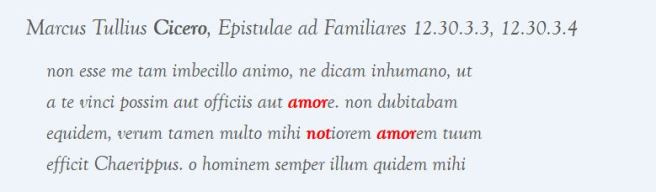
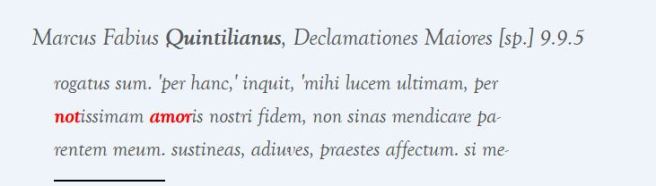
quae fuerunt omnes, ut rhetorum pueri loquuntur, cum humanitatis sparsae sale tum insignes amoris notis.

“As boys at school might say, all [your letters] were as sprinkled with the salt of learning as they were distinguished by marks of your devotion.”  (Cic. Att. 1.13.1)

Pretty cliché?

Capture4CaptureCapture2Capture3