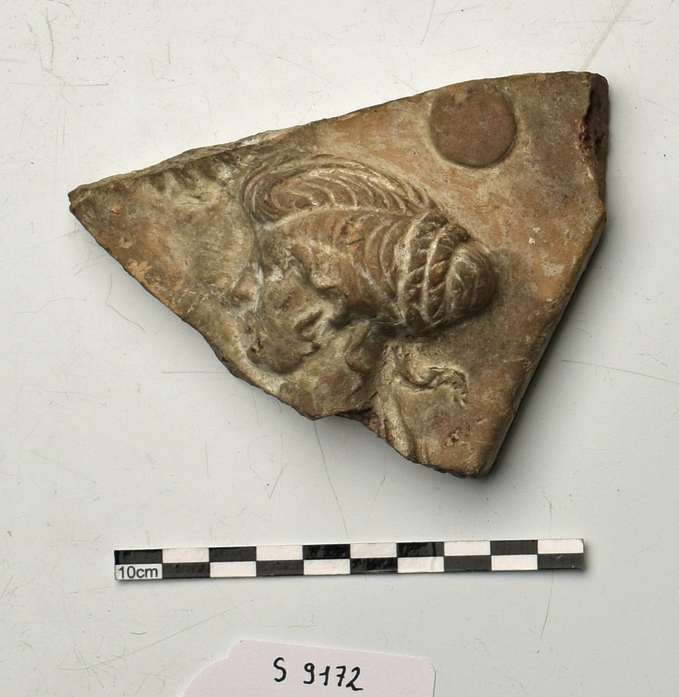
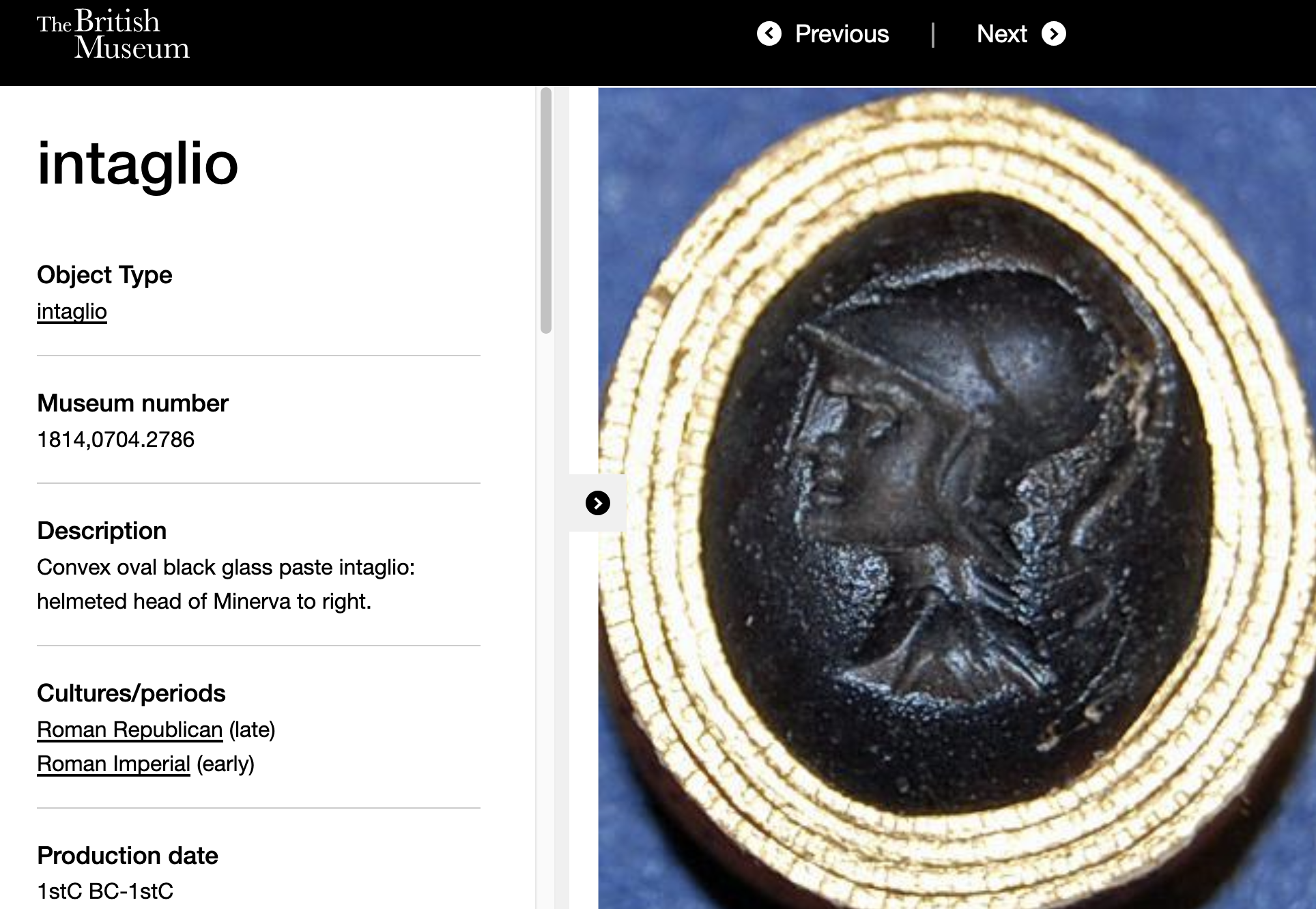
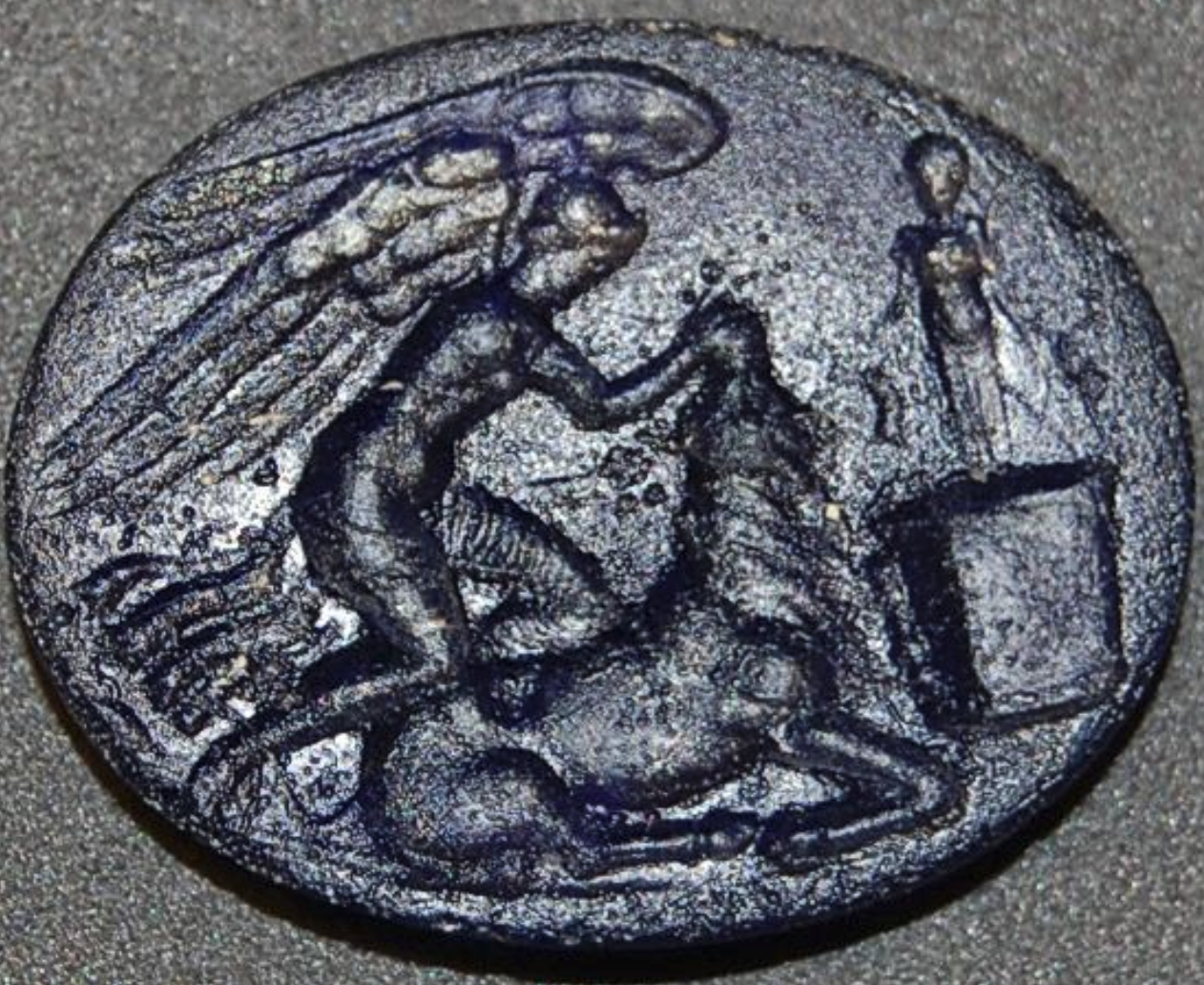
This intaglio with a queen wearing a peacock on her head reminds me of the crazy ship prow headdress worn by the Ptolemaic queen in some mosaics.
adventures in my head


This intaglio with a queen wearing a peacock on her head reminds me of the crazy ship prow headdress worn by the Ptolemaic queen in some mosaics.
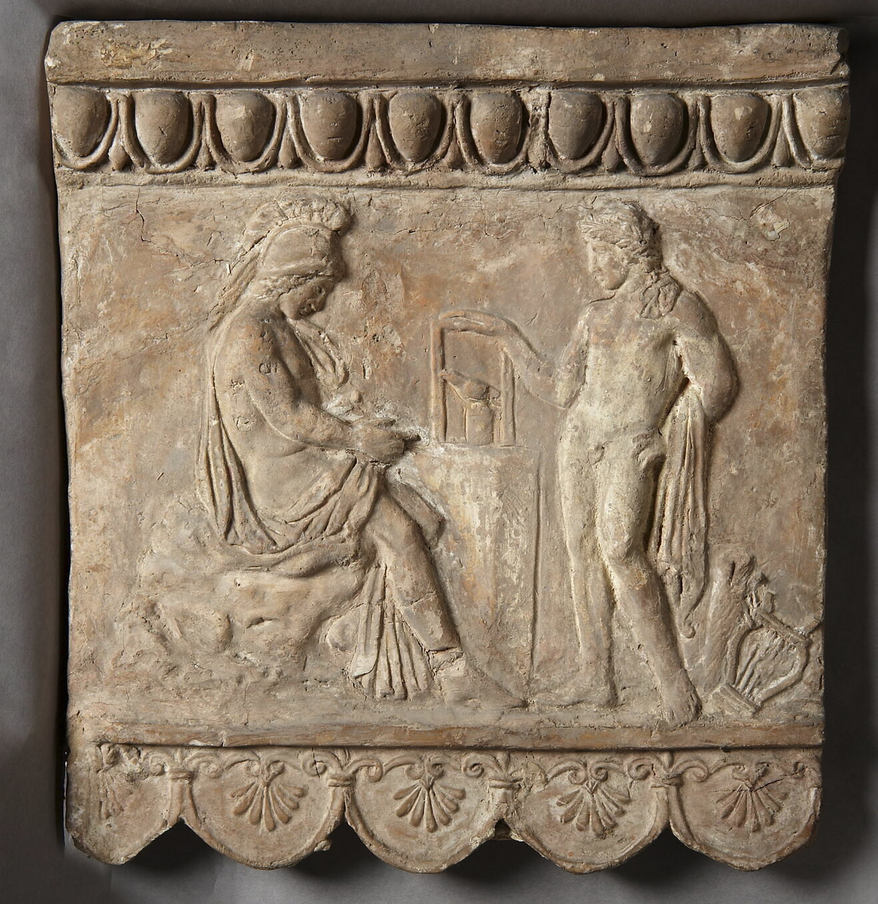
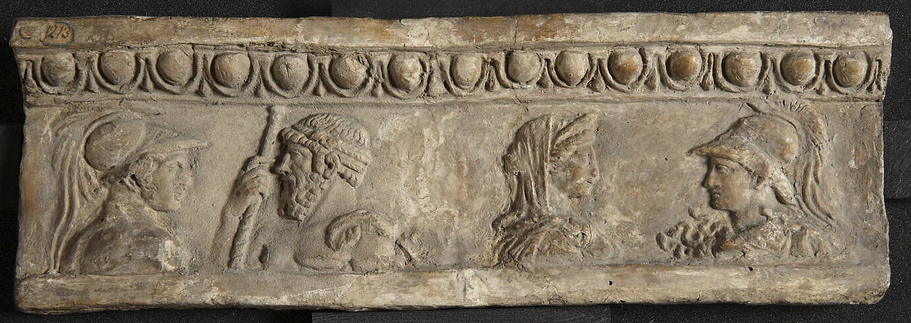
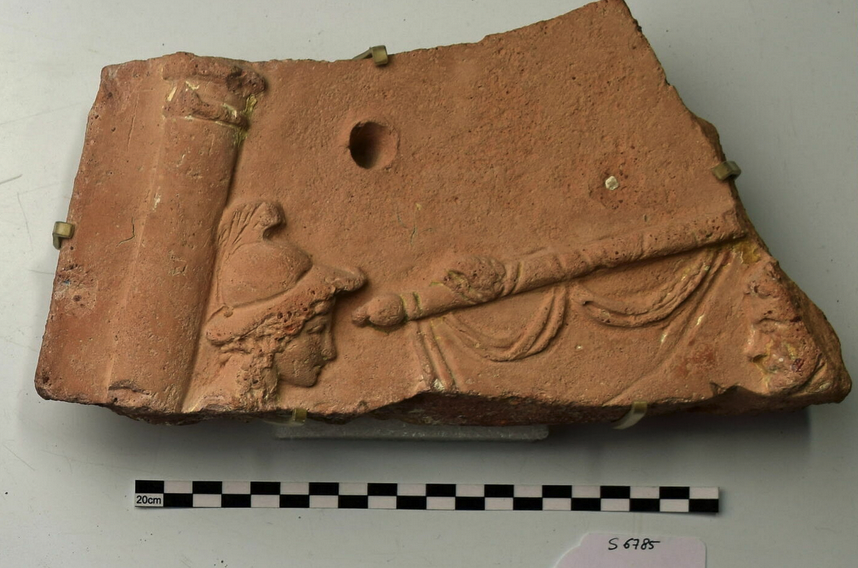
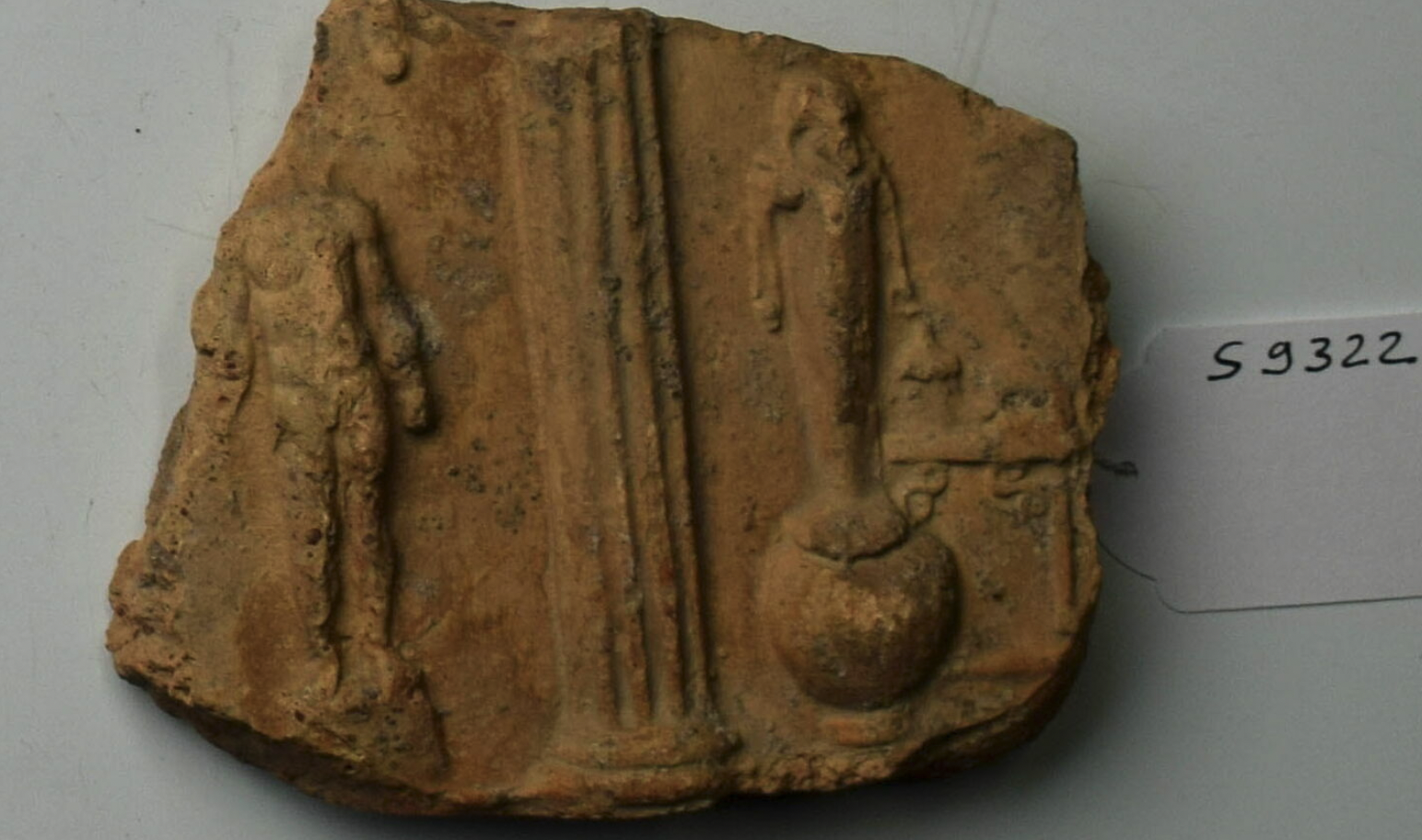
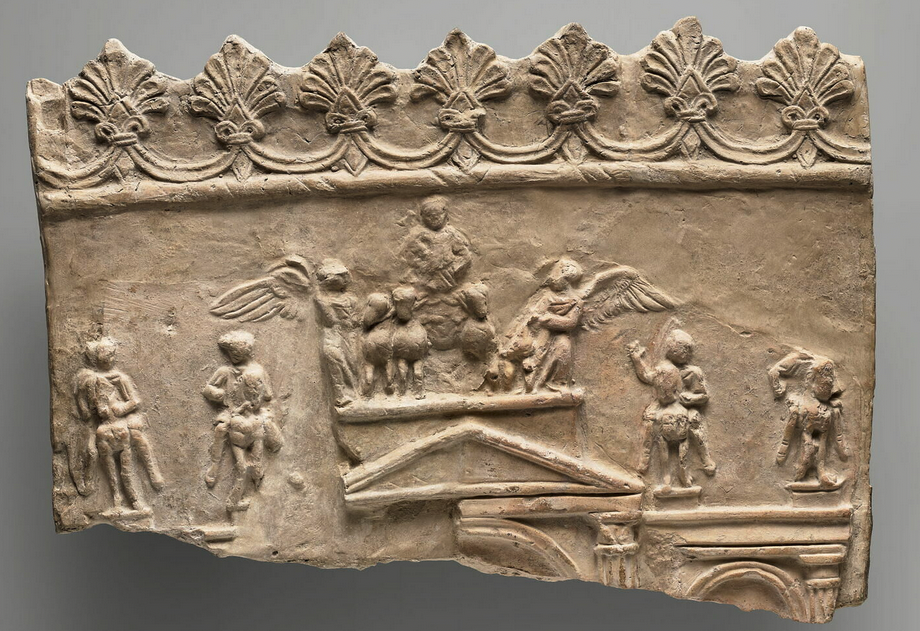
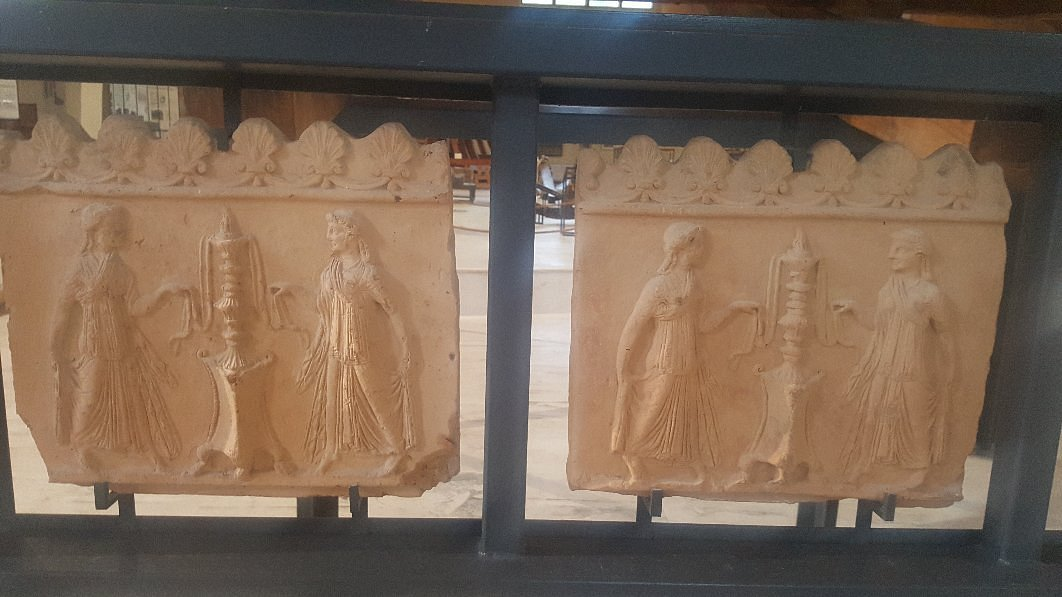
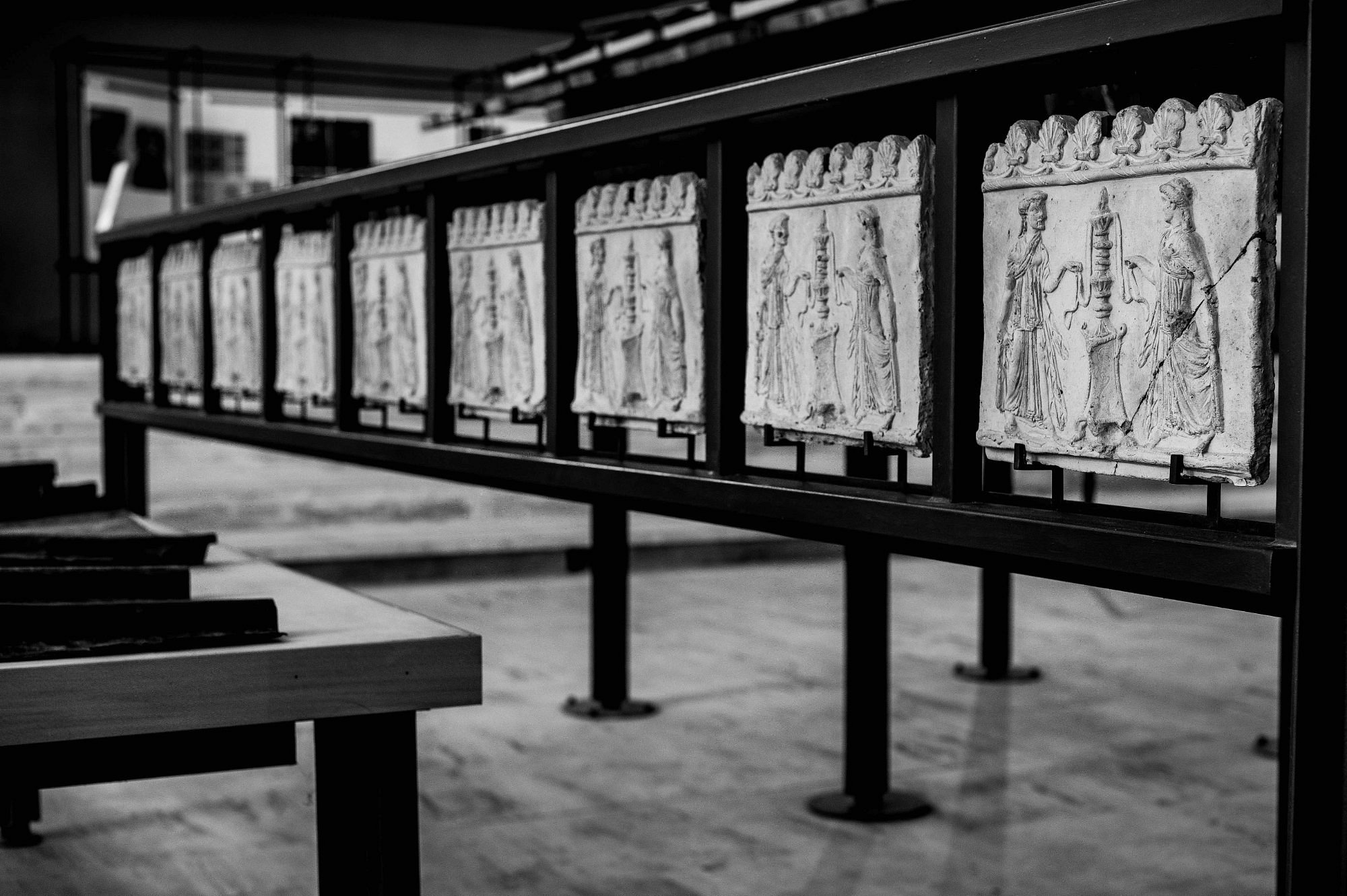
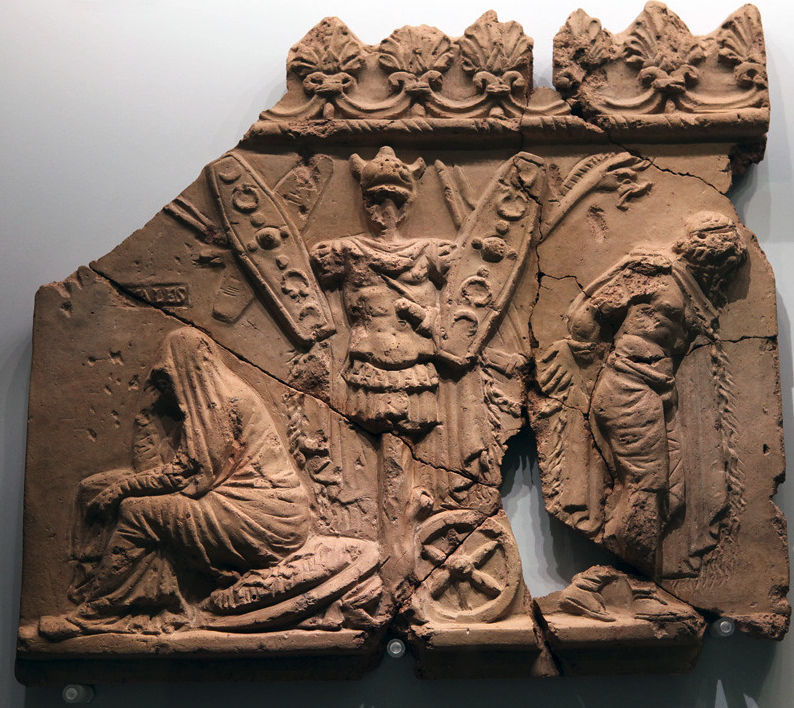
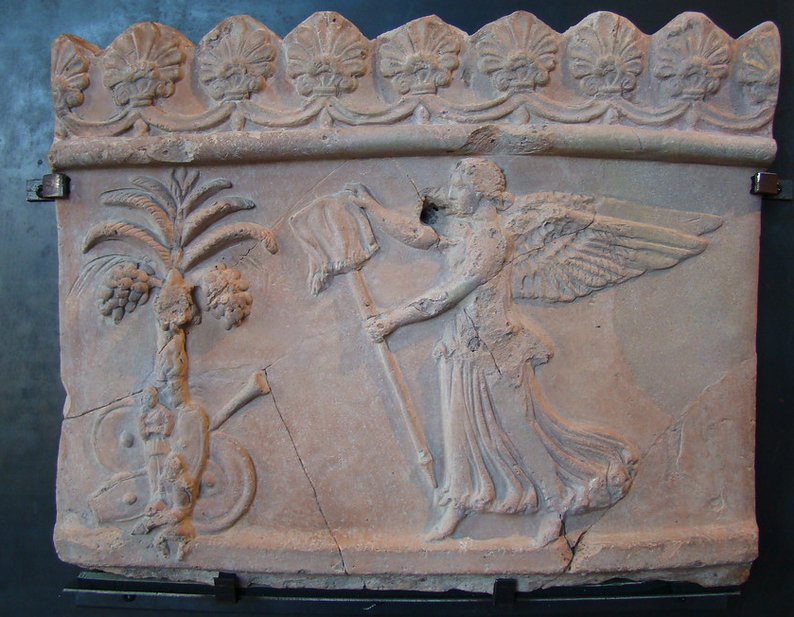
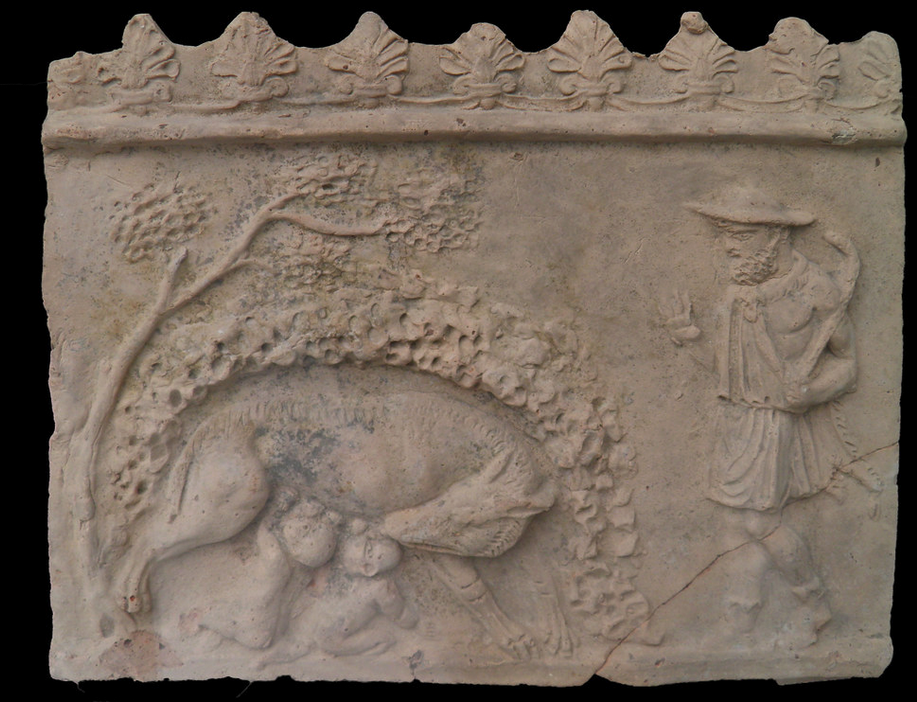
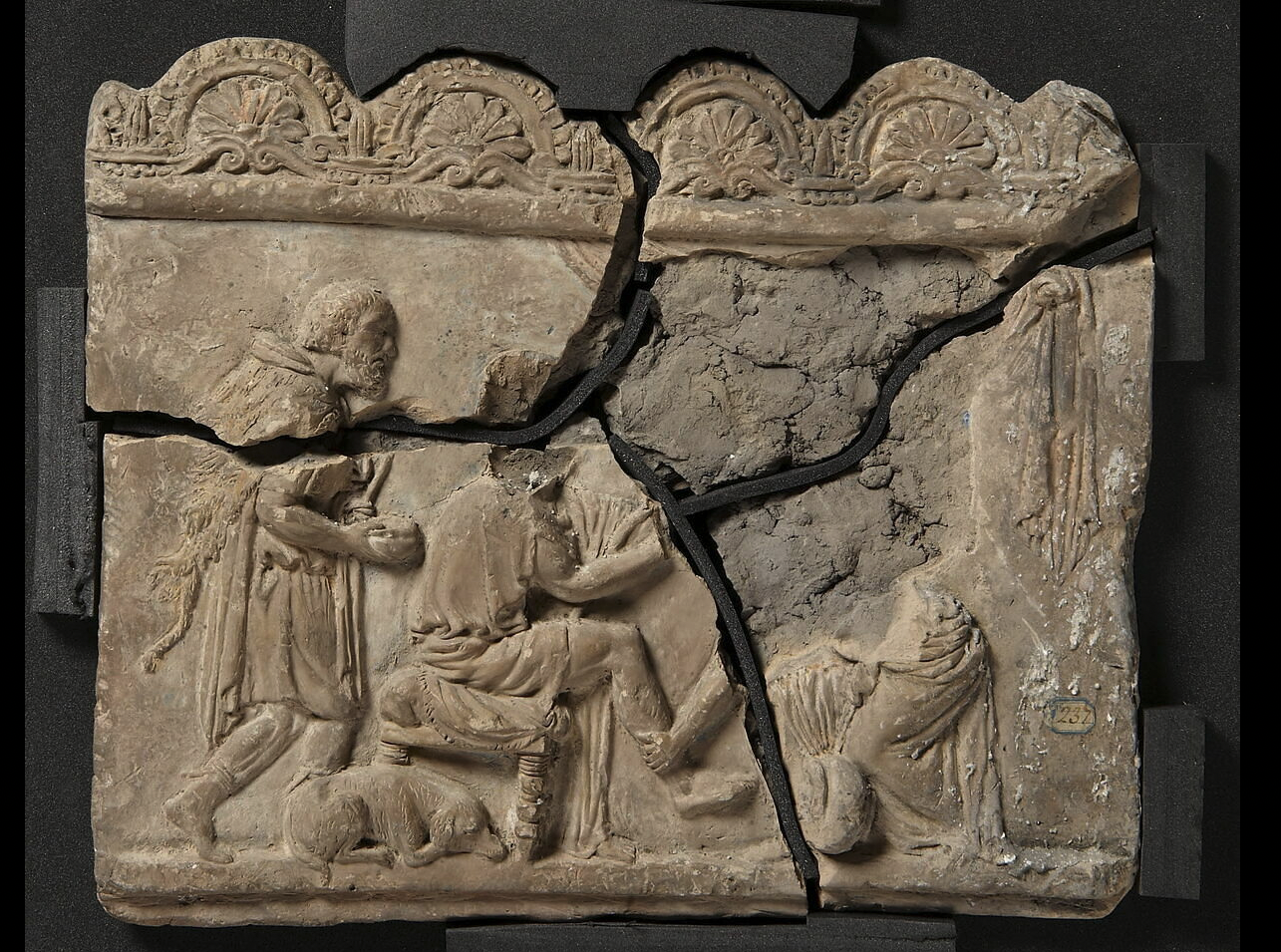
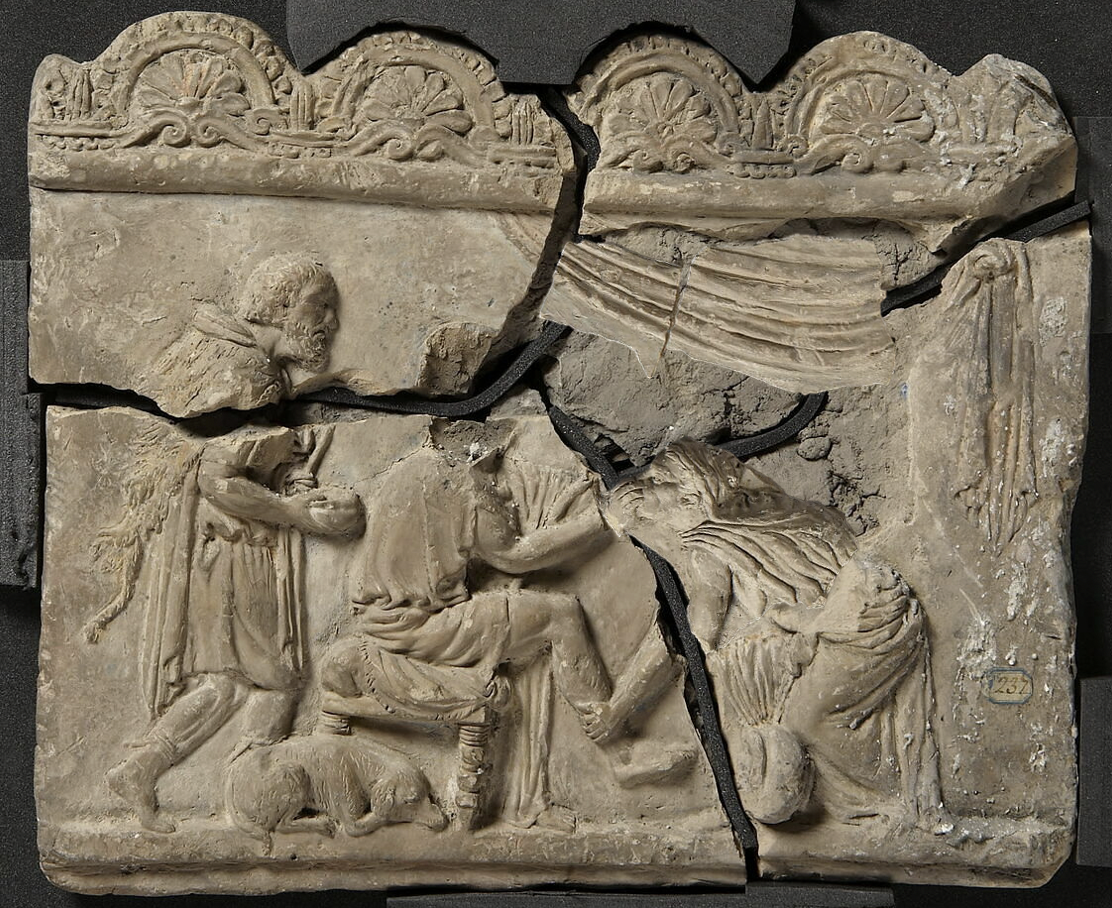
These are from House 2 at Ephesus and may represent a lintel or part of piece of furniture.
The emperor is clearly Trajan and while the museum labeling and catalogue entry leaves open what campaign it celebrates (Dacian or Parthian), I’m pretty certain this is Dacian. If you search ivory and Ephesus on Flickr there are some other pictures by other people, many with better images than mine, but I wanted a set of all the details for myself. I’m particularly interested in the lower relief which shows a scene that is not military. It gets no real discussion in the catalogue. (Do you know where it has been published? Let me know! My copy of the book published on these houses is back in the US, so I’ve not checked there yet.)
More on this scene after the gallery of images. My initial interpretation is that one panel shows offerings to the gods and the other a more bureaucratic scene perhaps of tribute being inventoried.


—

Figure 1 stands perhaps with an object(s) in his hand (f), perhaps a tray of offerings for figure 2? His attitude, however, is also reminiscent of Hermes/Mercury in some representations. Figure 2 seems to hold a small statue (e) similar to how the palladium is typically represented (side view of archaic figure with round shield spear and helmet). The bare legs rule out Athena/Minerva, but perhaps a personification of Roma or similar? The bench on which figures 5 and 4 sit could accommodate another seated figure (3), whose may rest on a small stool (d) whols legs are just visible. Notice Figure 5 and 4 are in conversation. 4 have longer drapery than 5. They are being made an offering of some sort (c).

Figures 11, 10 and 9 all process towards Figure 8. Figure 8 is heavily draped and may be in 3/4 or full frontal view. Figure 9 may wear trousers and some sort of sash is visible between his legs; his offer ins completely lost. Figure 10 holds up Object b in a manner suggesting it may be lightweight. The drapery of figure 10 is so complete it obscures feet and may cover head. Figure 11 is draped in a different manner and holds a narrow cloth object that drapes over the hand; their arm is held closer to their body. Figure 8 seems likely to be a female deity. I’m not confident about the genders of figures 11 and 10.

Figure 8 and Figure 5 are included here for visual reference. Figure seven is less heavily draped and has ankles and calf visible, hair is chin length, likely male, and approaches a set of doors (of a sanctuary?). On the opposite side of the door is figure 6 with slightly shorter garments (calves visible) approaches and offers object c.

Figure 1 and nearby objects are included for reference. It is not clear to me that this panel was ever actually attached to the preceding one. Notice the distinct break to the right of the door. Perhaps find data influenced this juxtaposition in the display. Figure 12 seems to wear a toga and gesture with right arm towards a large door. His right food seems to be raised perhaps on step before the door? Over his arm is perhaps a case of some sort (l). I’m not certain what is like to have been between Figures 12 and 13. Figure 13 presents a box (k) to the two seated figures (14 and 15). At his feet is a cylindrical case, likely a scroll box (j). Figure 13’s drapery is not as obviously a toga as it covers feet, but perhaps it is a toga after all. The seated figures (14 and 15) seem to be officials or magistrates on a subsellium.

Figure 15 is included for reference. Figure 16 is dressed in a workman’s tunic and bends over to offer a heavy round object (i) to Figure 15 (and 14?). The round object could be a shield, but is perhaps better interpreted as a precious metal plate (e.g. a lanx). Object h appears to be a strong-box shown in partial perspective. The mark on the short end appears to be a keyhole/lock. Figure 17 reaches towards the box and is likely togate.

Figure 17 is include for reference. Object(s) g on the table maybe similar to object i but seen from the side. I think precious metal plate is most likely. The table like the strong-box is shown in poorly rendered 3D. Figure 18 stands behind the the table as is likely to also be wearing a toga. Figures 19-22 descend a ramp or staircase made of ashlar masonry and constructed out of arches. They maybe entering the work area (carrying materials?) in which the other figures are occupied.


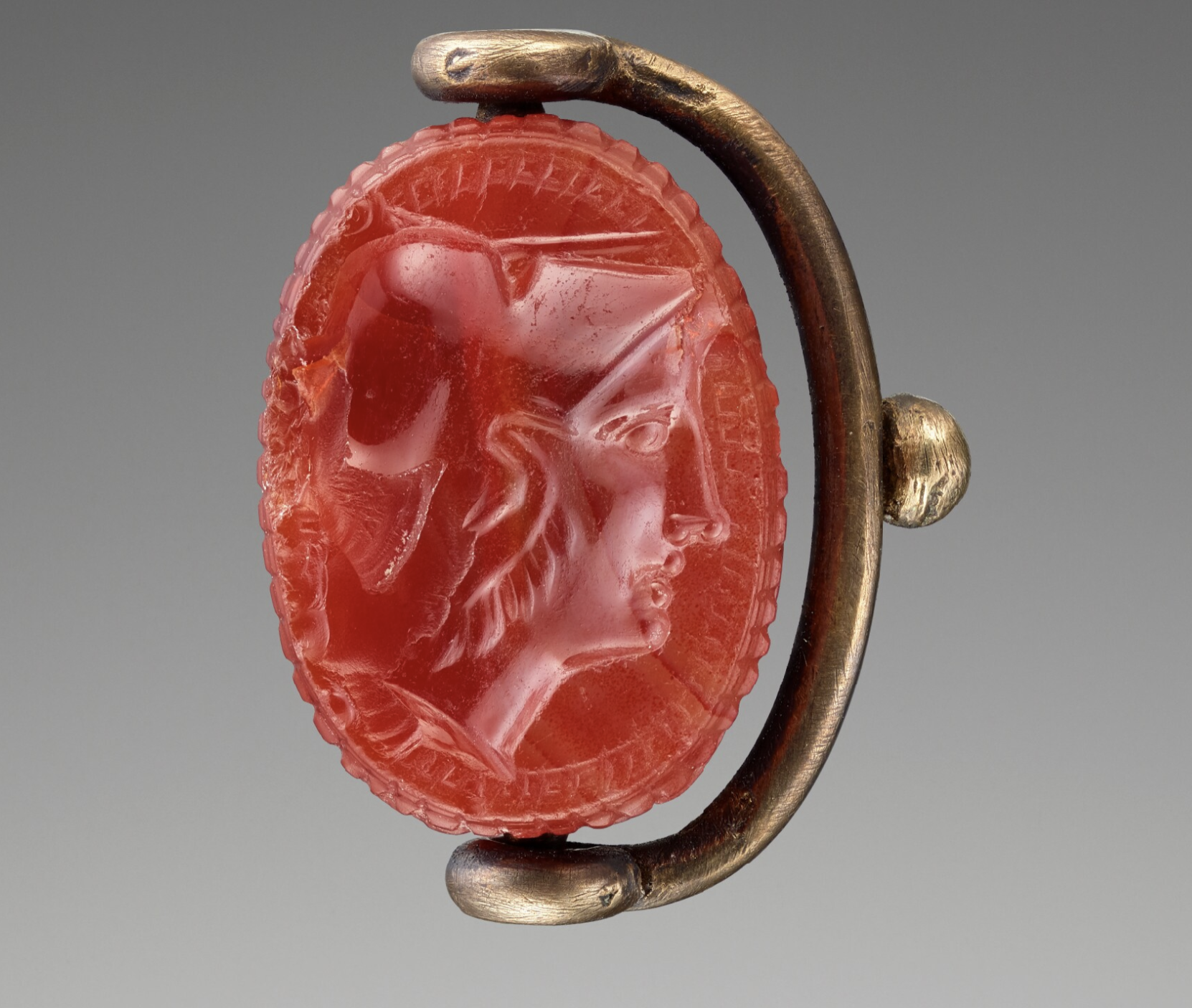
I love this banded intaglio in the BnF–its just so beautiful. I’m not sure why the catalogue identifies it as Alexander of Epirus. What struck me about it was how the portrayal of Alexander (the great?), echoes that on Ptolemy’s coins.

Found using HRC database and searching elephant headdress.


Once a year Cato (Agr. 83) suggests males on the farm go into the forest in day light and dedicate the following to Mars and Silvanus and then consume it all immediately. This amount is determined per head of oxen so a normal team would be double this.
3 (Roman) pounds Emmer
4.5 (Roman) pounds fat
4.5 (Roman) pound lean meat
3 sextarii of wine
Leaving aside the wine for now. How much food is this?
About …
3,285 calories of grain
13,151 calories of animal fat (assuming it is mutton)
4,111 calories of lean meat (assuming mutton)
Total:
20,547 calorie feast
Estimates for average US Thanksgiving dinner consumption range from 1600 to 4000+ calories per person. So even with guests getting well and truly stuffed, this feast would feed 10 men easily, with more reasonable proportions 20 some men could still partake in a whole meal, as there can be no leftovers it seems.
20+ men per oxen team however seems rather a lot of men.
Perhaps I’m over stretching the logic but Cato’s various recipes and their proportions do imply a certain scale of consumption.
By contrast that is only the rough equivalent of two bottles of wine. At a real stretch enough for 8-12 people to have just one serving of wine. Not a huge amount compared to the food quantity.
Poking around at other in the near by text, his recipe for placenta a baked dough dish with many thin layers calls for eight pounds total of grains (6 of flours, 2 of groats). That much grain in the modern kitchen would easily make 3 large loafs of crusty bread and contains some 9,434 calories. It’s a big recipe, especially given the fact it appears to be a special occasion food, not one consumed as a staple. Generous portions of this dish might be served up to 10-20 people.
n.b. I personally like Andrew Dalby’s Cato, On Farming (De Agricultura). A Modern translation with Commentary. Pp. 243, 11 ills. Totnes: Prospect Boo. ISBN: 0907325-80-7

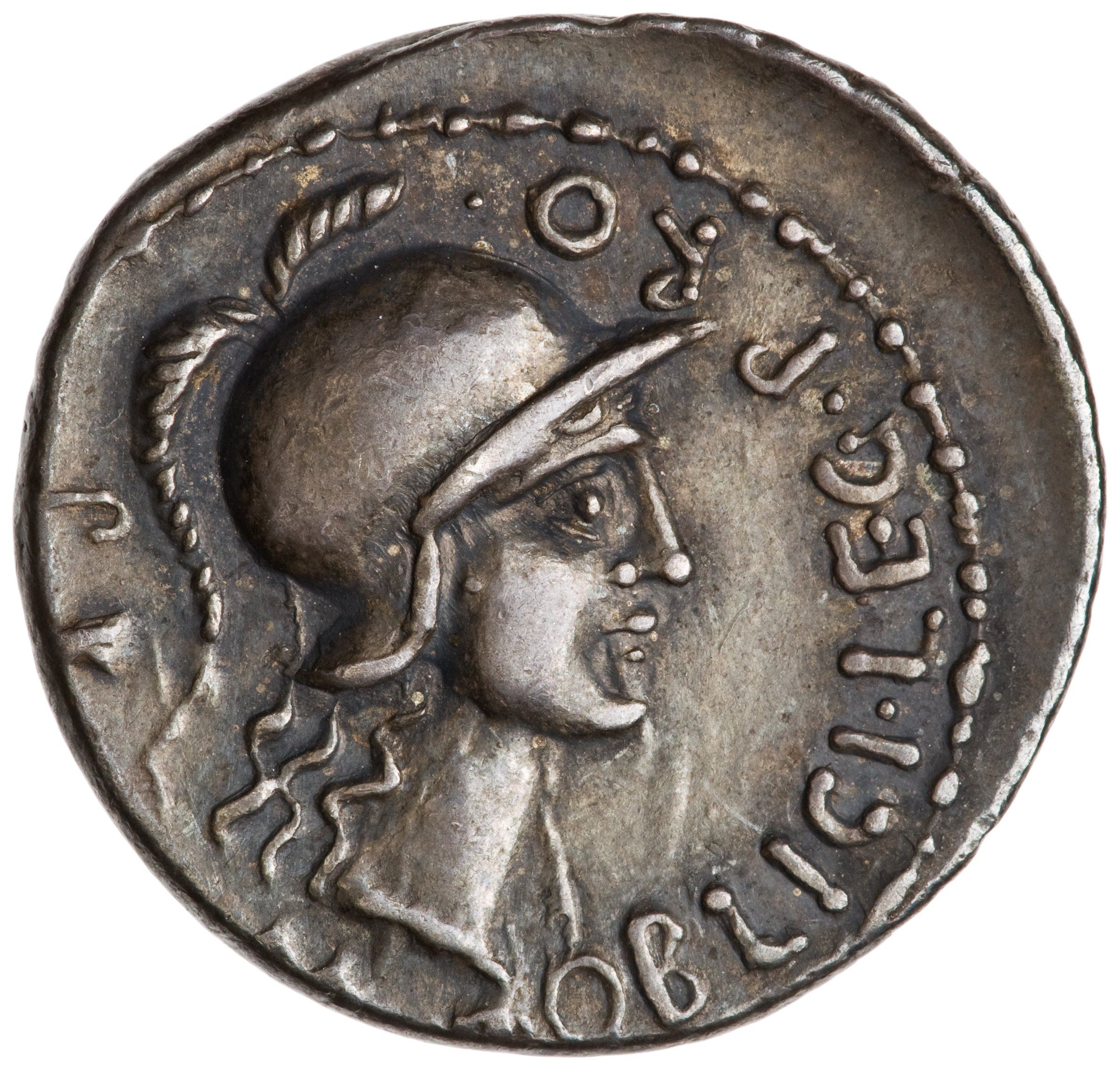
Coming across a specimen of RRC 345/1 made me think of this blog post from last year. I’m even more confident that RRC 388/1 has Mars on the obverse not Roma.
It was an honor to appear on The Partial Historians, a Roman History podcast based out of Australia. I’ve not listened to the recording, but you’re welcome to do so. If I made any gross errors, feel free to tell me in the comments.
Melpomene is the muse of Tragedy. I spotted her here on an Antonine coin of Parium. She holds Perseus’ Harpa and a mask with a Phrygian Cap. The allusion is likely to the Euripides’ Andromeda.

Melpomene often dresses as a hero from the stage, but most typically she has the attributes of Hercules, as on the coins of Pomponius Musa (RRC 410).


This issue from the latter part of Sulla’s dictatorship has control numbers in two series. One series, like the specimen above, has Roman numerals I-CLXX (Crawford thought this series one went to 169, rather than 170). The other series (illustrated below) has Roman numerals preceded by the letter A and a dot (interpunct). Crawford thought this series had only one die for each control mark like the earlier series and ran as high as CXXVIIII (129). However the Schaefer materials suggest this series only runs to 113 AND most numbers up to 36 are known from two dies.
My working theory at the moment is that they started over at some point a second A series and that were only one A-# die is known for a given number that is equivalent to a missing die in one or the other series.

Why do I care? I’m reviewing all the numbered issues for a talk in Chicago in early June using Schaefer data as a data set that can be used to check and possibly refine of Esty 2011. I’ll release all my spreadsheets/die counts after the paper is delivered and of course the Schaefer images are publicly available and all the ODEC issues are slated for transcription if they’ve not already been done.
ODEC = One Die for Each Control Mark
Every time I think I might quit twitter it gives me more goodies for my work.
Below is an extract from this 2021 multi-authored paper relating to coins (p. 176).


More coins however have been found and are awaiting publication, more Punic but also Roman and Greek. Needless to say I’m over the moon a the thought of getting some well dated archaeological provenance for any mid 3rd cent BCE Roman coins, possibly game changing.
The Edagi finds have inspired one of my articles already, not to mention many blog posts. The other part of this paper that really excited me was the tabular representation of the data on the Rams regarding inscriptions and decorative elements (p. 172).

As I’ve said elsewhere use of the verb probare in the inscriptions is our best clue for understanding this same type of inscription on Italic bronzes of the period (my 2021 book p. 11 fig. 1.6).
The Sestius Salonius Ram with Rosettes approved by the board of six men remains unique in all these features. I was discovered by fishermen, not by the archaeologists. It is looking more like an outlier as we find more Rams with good provenience associated with the battle.
As many as seven rams have the helmet design and four Victory. Its also interesting to see the recurrence of Quaestors. This suggests a rapid period of creation of these rams consistent of course with the war effort and our literary testimony. I’m also intrigued that Quinctius worked on his own (common for coins later signed by quaestors), but Populicius and Paperius seem committed to signing together as colleagues (echoing Roman commitment to collegiality in elected offices e.g. the consulship and censorship).
I’d very much like to compare the eagle sword imagery (Ram 12) and the swords imagery (Ram 19) with designed found on Roman coins (esp. currency bars, so-called ‘aes signatum’). As far as I can see detailed images of these two Rams have not yet been released (one official website; another official website). Below is what I found on the internetz.