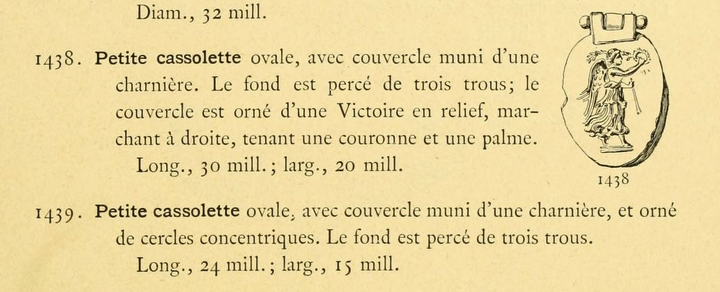
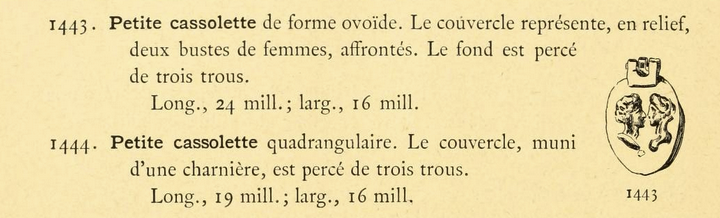
Cases to hold your intaglios ?

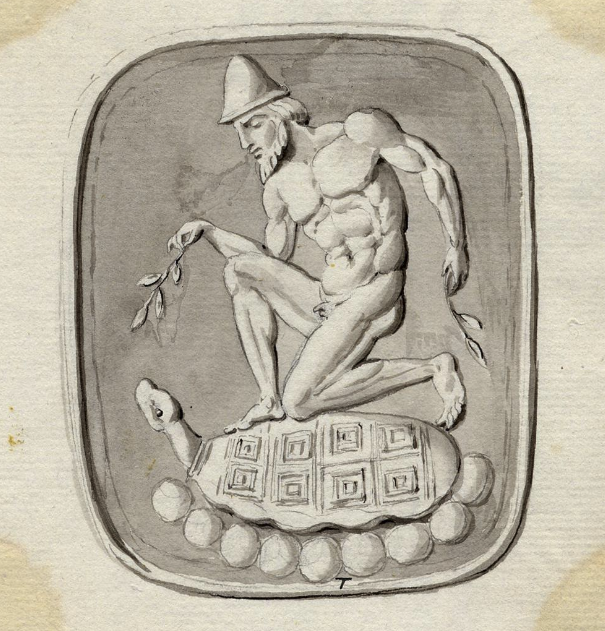
BM Townley drawing
Similar objects in BnF
adventures in my head
RRC 405/2 (older posts on RRC 405)
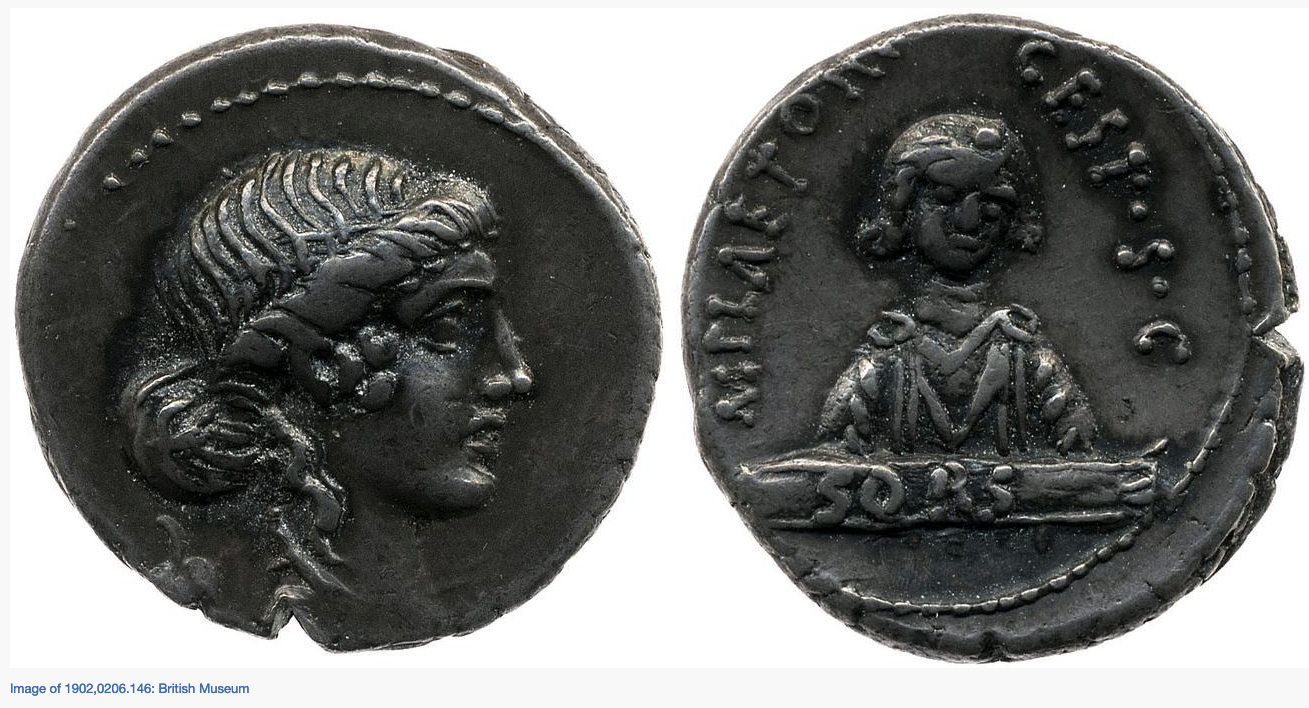
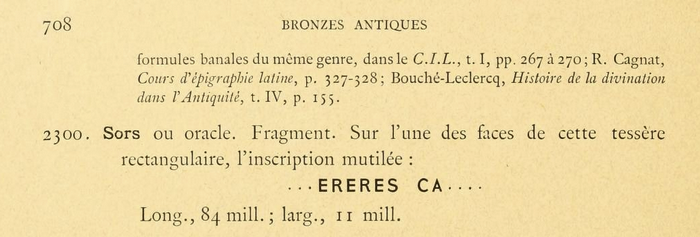
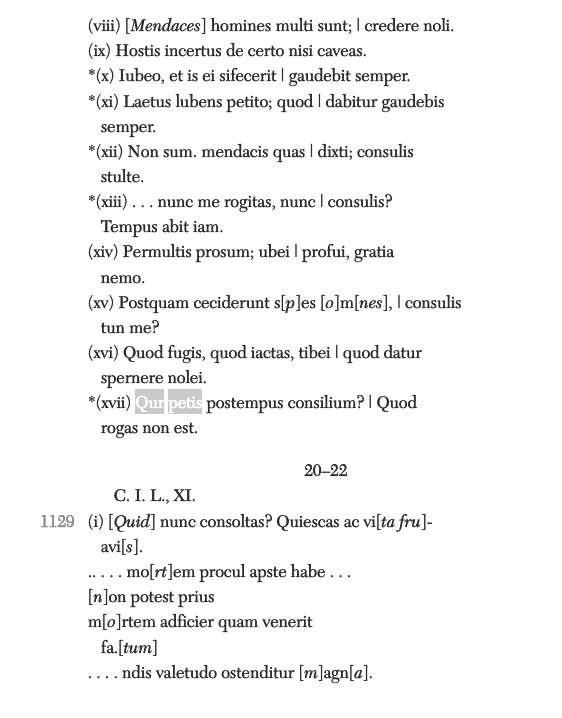
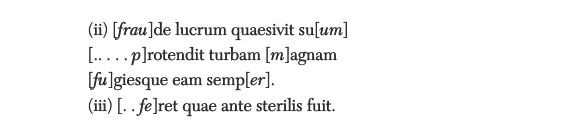
The reverse image is taken to be either the personification of Sors (the god of Lots) or a representation of the child tasked with drawing the lots at the oracle (Likely at Praeneste for Fortuna).
TIL we have the type of object surviving that would have been drawn at this type of oracle AND not only that at least one is likely republican in date based on spelling and letter forms.
BnF (wish I could find the Gallica link, but so far no luck)



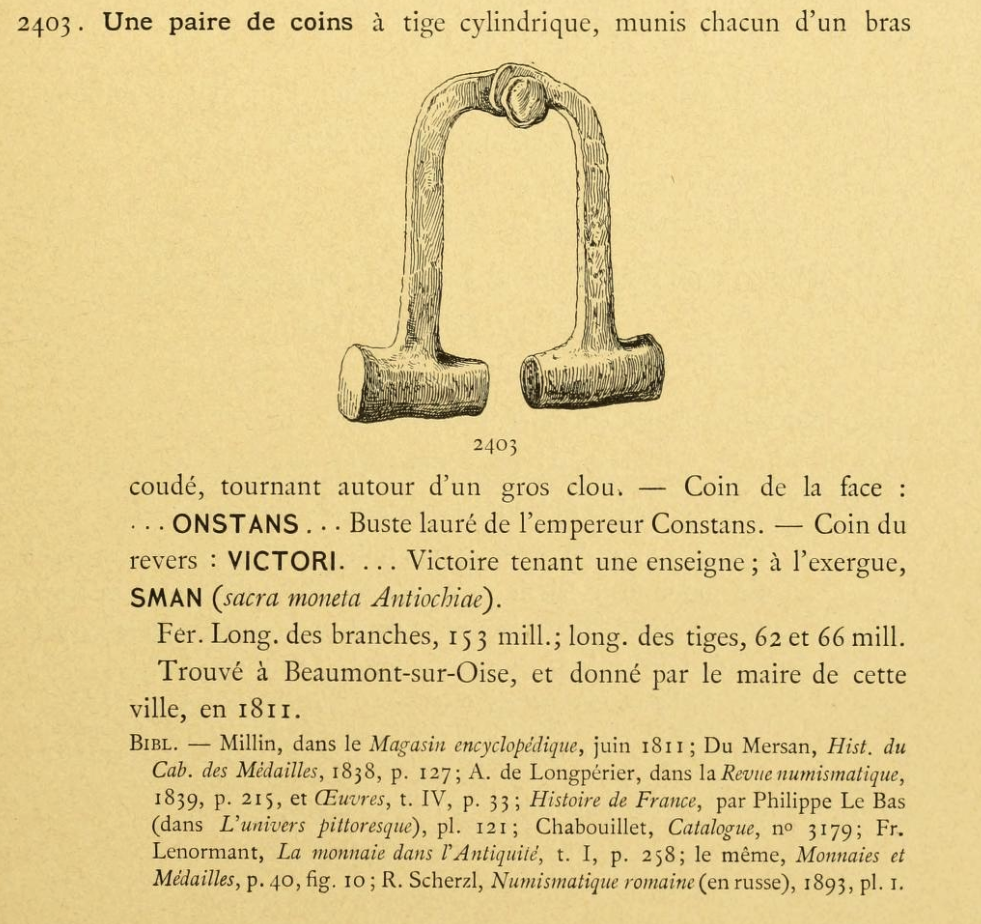
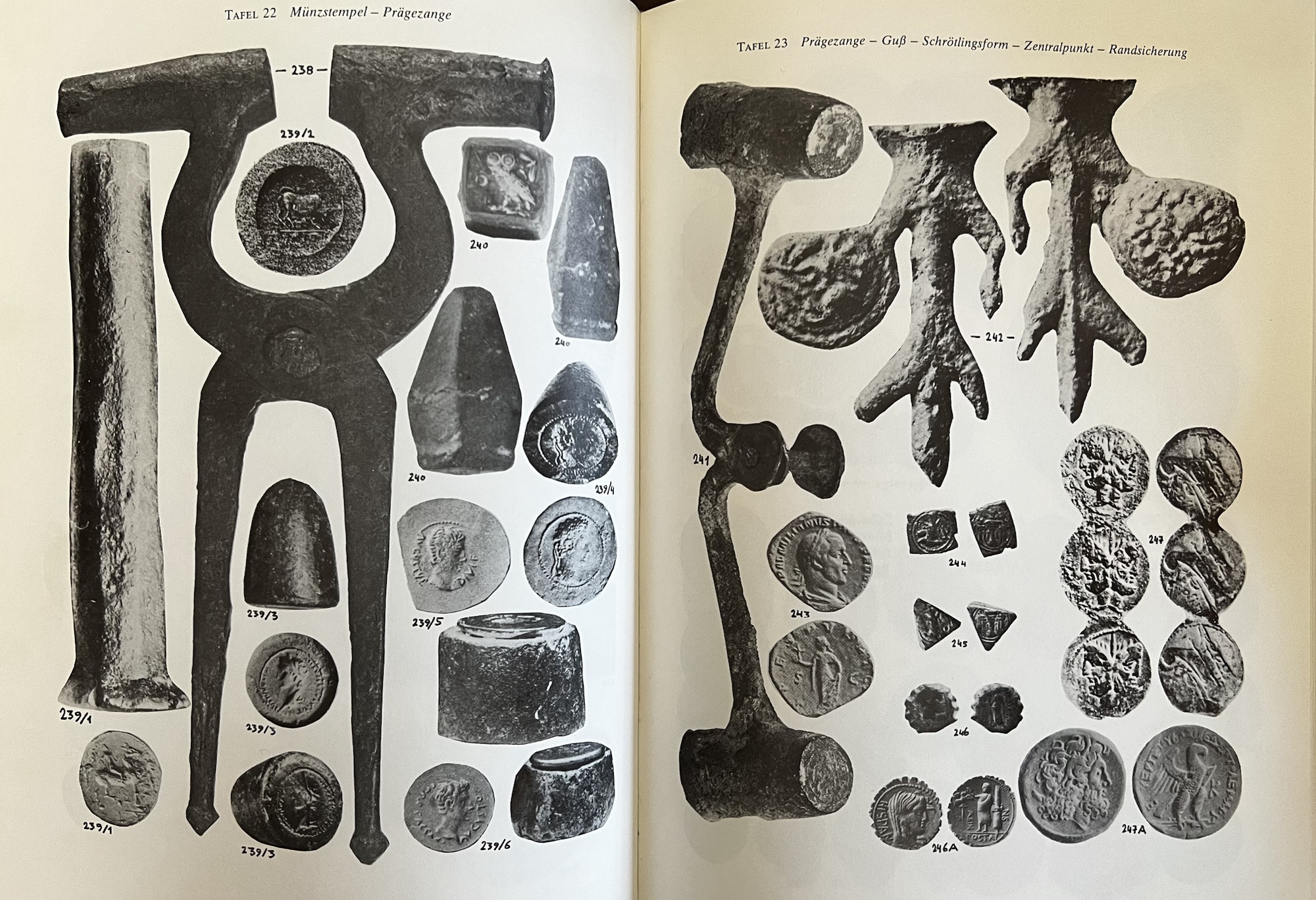
These forger’s dies were created to strike fake Solidi of RIC 104 Constantinus I for Constans Caesar (336/337 CE) and found in Beaumon-sur-Oise.
There should be an image in Gallica, but for the life of me I can’t put in the right key words to get the database to deliver the right record
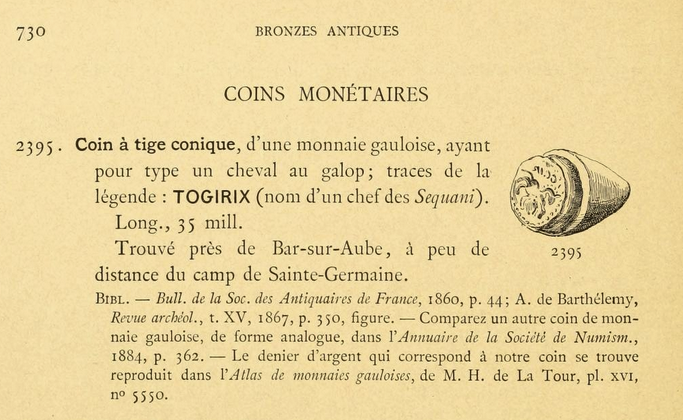
BUT in someways I’m more interested in this single Gallic Die, because of how the shape of the die reminds me of the Republican die now in Madrid. (old post with photo; another post for context). The Madrid die will be fully published soon…
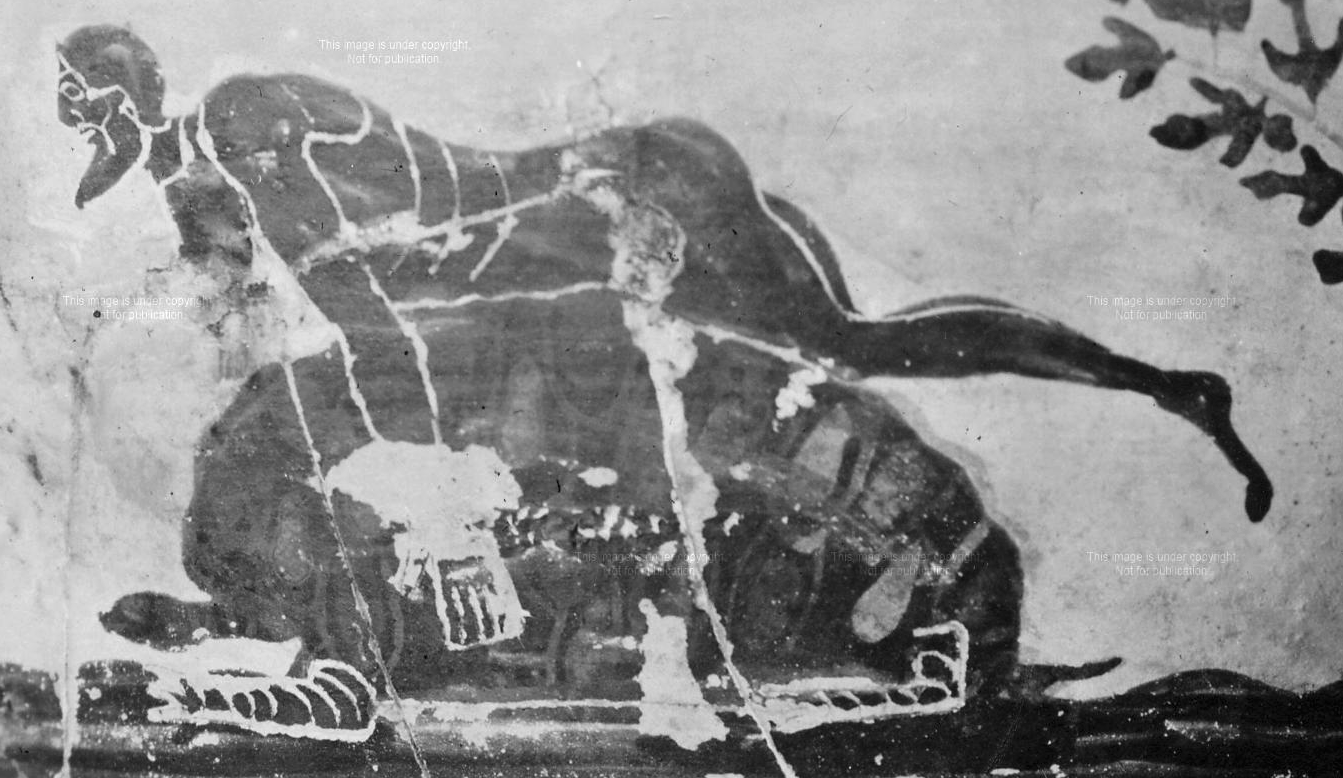
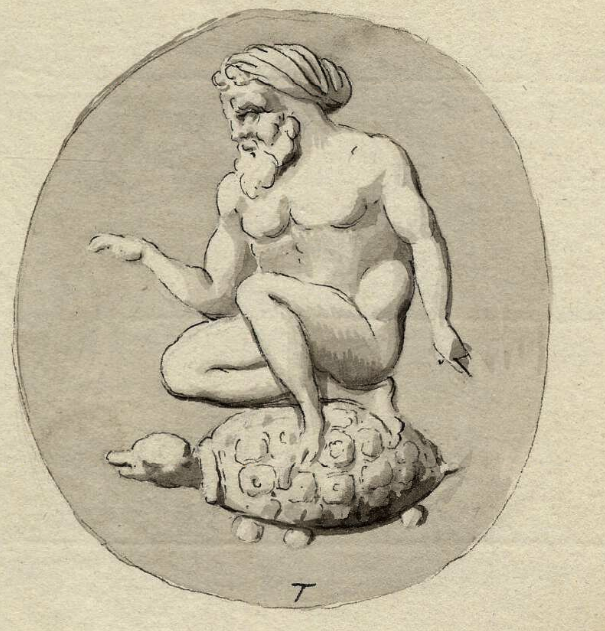
Or tortoises or terrapins or whatever…


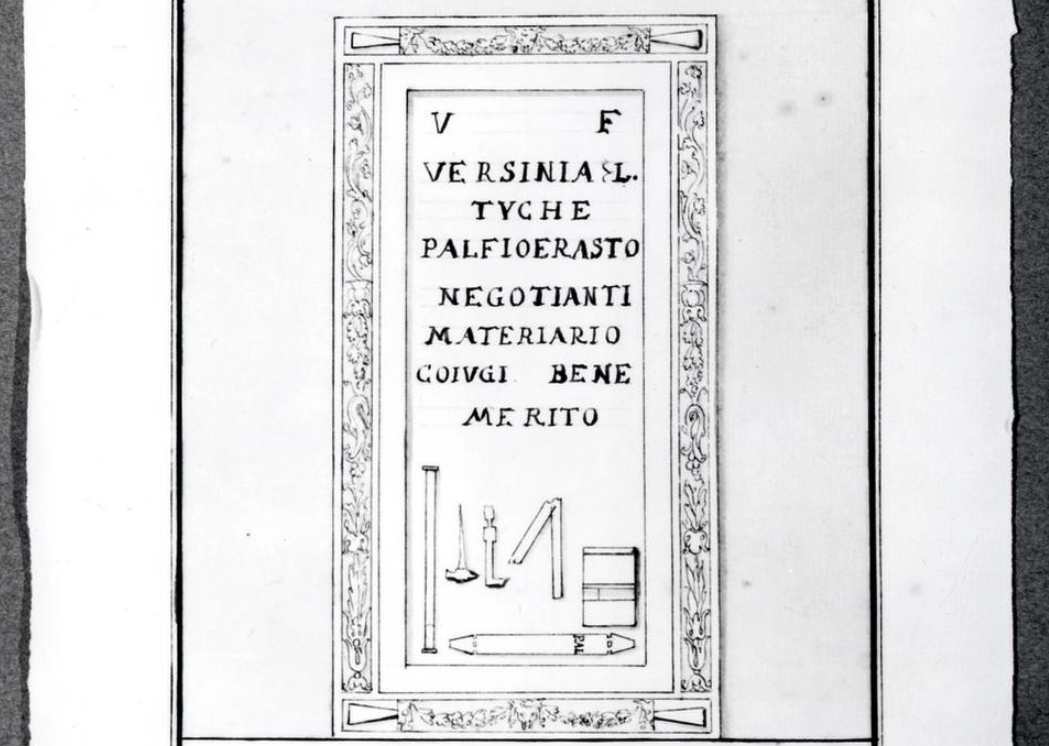

Machine translation, loosely cleaned up by a human:
The area where the tomb stele of Publius Alfius Erastus was discovered, c. 1546, appears to be Podere Ellera I on the outskirts of Antella (Fi). The Marquises Niccolini, owners of the territory of the discovery, transferred the stele to their palace in Florence, where it remained for approximately three centuries. The first floor of their palace was then rented to the Municipality of Florence as the home and office of the Royal Commissioner until 1849 and it is probable that the Marquis Ferdinando Panciatichi Ximenes of Aragon saw it there in 1848, when he was commander of the IV battalion of the Civic Guard. We don’t know exactly how, but the fact is that we find the epigraph from Palazzo Niccolini in the Castle of Sammezzano.
“Versinia Tyche, freedwoman and wife, during her lifetime, erected this monument for the timber merchant for Publius Alfius Erastus, a meritorious spouse”
So we are dealing with an entrepreneur who lived in the 1st century. A.D. dedicated to the trade of construction timber and on his epigraph we find all the tools of his work, which leave some doubts for a correct interpretation, because since this stele is a “unique” of its kind, there are no terms of comparison. The tools could be: Measuring rod or staff, Forestry Hammer, Hypsometer and Grapple Scraper or Stylus Case Diptych Compass sheath
Taken from an article by Silvano Guerrini on “Correspondence”:
Il Castello di Sammezzano, monumento unico del suo genere per i caratteristici ambienti moreschi, conserva, nel suo pianterreno, un’altro “unicum”, una epigrafe funeraria di epoca romana. La zona di ritrovamento della stele sepolcrale di Publio Alfio Erasto, avvenuto intorno all’anno 1546, pare sia il Podere Ellera I alla periferia di Antella (Fi). I Marchesi Niccolini, proprietari del territorio del ritrovamento, trasferirono la stele nel loro palazzo di Firenze, dove rimase per circa tre secoli. Il primo piano del loro palazzo fu poi affittato al Comune di Firenze come abitazione e ufficio del Commissario Regio fino al 1849 ed è probabile che il Marchese Ferdinando Panciatichi Ximenes d’Aragona l’abbia vista lì nel 1848, quando era comandante del IV battaglione della Guardia Civica. Non sappiamo esattamente come, fatto sta che l’epigrafe, da Palazzo Niccolini, la ritroviamo nel Castello di Sammezzano.
Si tratta di un’iscrizione completa, che recita:
V.F. VERSINIA .).
L TYCHE
P. ALFIO. ERASTIO
NEGOTIANTI
MATERIARIO
COIUGI ^ BENE
MERITO
che possiamo tradurre con:
Versinia Tyche, moglie libera, in vita fece per Publio Alfio Erasto commerciante di legname da costruzione, coniuge benemerito
Quindi abbiamo a che fare con un imprenditore vissuto nel I sec. d.C. dedito al commercio di legname da costruzione e sulla sua epigrafe ritroviamo tutti gli strumenti del suo lavoro, che lasciano alcuni dubbi per una corretta interpretazione, perchè essendo questa stele un “unicum” nel suo genere, non esistono termini di confronto.
Gli strumenti dovrebbero essere:
Canna per misurare o Stadia
Martello Forestale
Ipsometro e Rampino
Raschietto o Custodia per stili
Dittico
Fodero per compasso
Tratto da un articolo di Silvano Guerrini su “Corrispondenza”
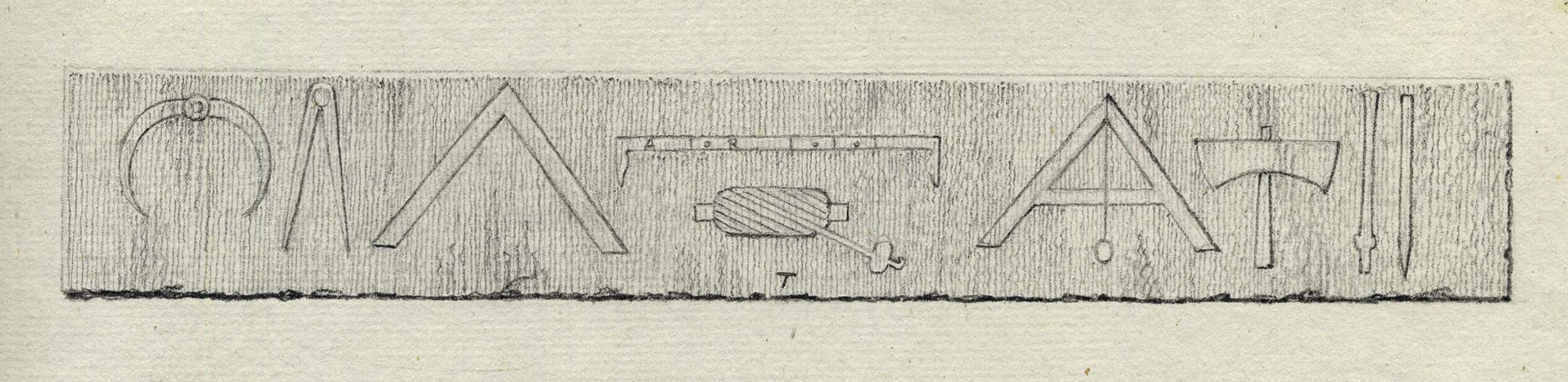
Jenkins to Townley, 27th September 1786: “…have a most curious stone from the Negroni with the measures and instruments of the ancients, some of which are new.” [TY 7 / 445].
Jenkins to Townley, 22nd January 1791: “…The Marble with Architectural Instruments, & which You once desired to have, & afterwards Countermanded is Gone to Berlin…” [TY 7 / 505].
formerly in the Villa Montalto-Negroni
No I don’t have an amazing new resource to share with you, but because our fore-bearers made casts and now other museums are digitizing their cast collections it is getting easier to ‘see’ what in inside these old cabinets. I was feeling far too distant from my research and needed just some reminder of my passion for the material this morning, so I decided to look at what the Louvre database would spit out with the key term “Florence Musée archéologique”. Almost every gem is originally from the Medici collection. I was struck about how few looked ancient and how often I suspected that the ancient gems were adapted post antiquity.
Below are the casts that I want to remember:
This first one is so close to the Felix Gem in the Ashmolean I stopped short, not identical but clearly both derive from the same original, or one from the other. (Odysseus, Palladium, Diomedes)
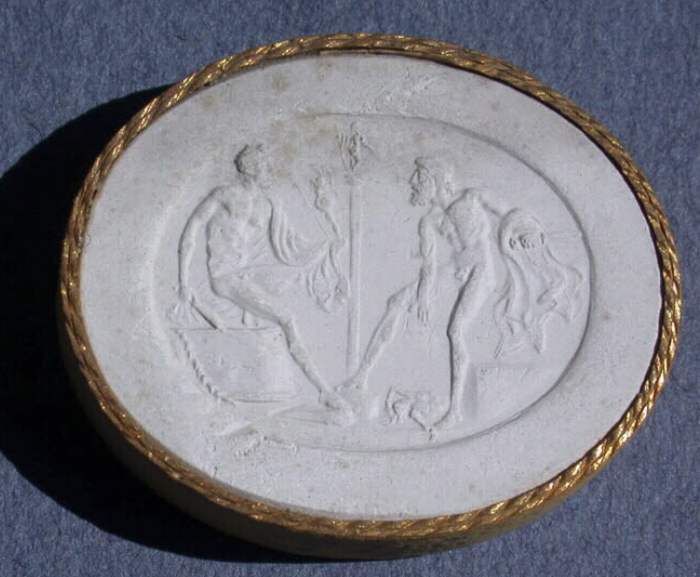
Here the eyes seem vaguely Ptolemaic and I have some feel it might be Republican portraiture, what I cannot decide is what the iconography is behind the head and in front as well. Thoughts?
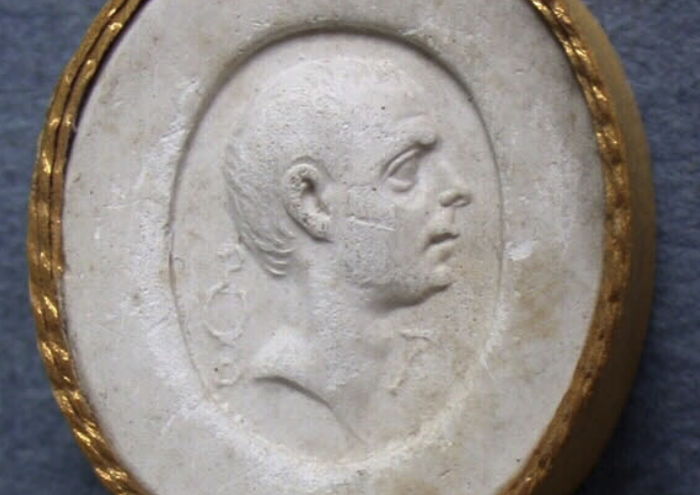
This representation of Sol (Helios) is not a direct match for any coins, but I wanted to flag that the hair style is much closer to RRC 390/1 (76 BCE) and RRC 303/1 (109-108 BCE) than any of the later republican portrayals of Sol on republican coins . This may help with dating the intaglio.

Not a perfect match but this next one is clearly employing a similar prototype to the iconography of RRC 396/1. (athlete, athletics)

This one shares a prototype with some of the sub types of RRC 408/1 and RRC 340/1 (Piso Frugi, horse racing, circus)

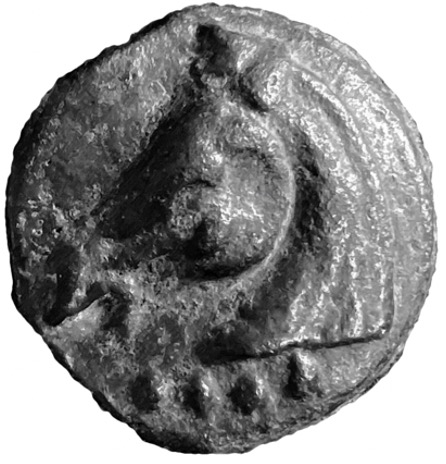
If you happen to follow me on social media you will already know I got some awesome news today. My colleagues and I won a grant to non-invasively analyze the interior composition of a handful of Aes Grave specimens excavated from Nemi in the late 19th century. This technique lets us take multiple targeted readings at different depths and then compare different specimen. A huge advance over the pXRF surface reading and shallow drilling, this data will contextualize my other data and also allow us to ask better questions of the material. I hope we will also know more about the relationship of RRC 14 and 18.
I know many of you will have questions about the nature of the work. Below is the narrative from our grant proposal.
The Cu:Pb:Sn Alloy at the Heart of Rome’s Earliest Cast Coinage
L.M. Yarrow (CUNY), W. Powell (CUNY), A. Hillier (STFC), A. Inscker (Nottingham)
Background and Context
This cultural heritage proposal seeks to determine the composition of Rome’s earliest cast coinage, called aes grave, ‘heavy bronze’. The results of our experiments will produce a more accurate picture of early monetization in the Roman economy and may confirm a new hypothesis that these unusual coins had little intrinsic value, being more akin to bitcoin than bars of bullion. This key historical case raises questions of the very nature of money itself. The standard reasoning to explain the heaviness of earliest Roman coins is that such mass was required to achieve sufficient intrinsic metal value. It has been hypothesized that the Romans adopted the tradition of northern and central Italic peoples of using crudely shaped copper alloy ingots as money and married this tradition to the design habits of the silver coins used by Greek inhabitants of southern Italy. This resulted in a heavy copper alloy coinage with fixed denominations and intrinsic value that was recognizable as money to all peoples in the Italic peninsula.
Underlying this assumption is that the Italic copper alloy ingots also had intrinsic metal value as a commodity, and so were used widely as bullion and money. This has been called into question by metallurgical testing of archaeological finds. (1,2) My recent re-analysis of metrological data of these coins also suggests they are unlikely to have any significant intrinsic metal value.(3) Accurate analysis of the bulk composition of these coins would serve to test this new hypothesis. The material from Lord Saville’s 1880s excavations at the sanctuary of Diana at Nemi is curated by Nottingham City Museums & Galleries. As a securely provenanced collection of aes grave, they will serve as the ideal specimens for such analysis. The findings from our experiments will be contextualized with previously published data and our own data collection for specimens without archaeological provenance in other major museum collections. Besides work-to-date detailed in section III below, I have a fellowship for March 2024 to study related artifacts in Staatliche Museen zu Berlin. All this analysis seeks to define the role of bronze in the third century BCE Roman and wider Italic economy which in turn will help us better understand the socio-economic role of all bronze objects from this period, from their military applications to their status as religious offerings, including but not limited to those headline grabbing discoveries from the Etruscan site at San Casciano dei Bagni.
Proposed Experiment
Two forms of corrosion may develop on leaded tin bronze: 1) a thin and even two-layer structure (noble patina); 2) a thicker uneven and pitted three-layer structure.(4,5,6) In either case, weathering in the absence of Cl results in loss of Cu and an increase in Sn within the corrosion layer, and so the patina masks the true original composition from any form of surface analysis. Of even greater importance, Pb does not alloy with either Cu or Sn. Molten leaded bronze will separate into two immiscible liquids at the onset of cooling. The composition of both will evolve during crystallization, with the Pb-Sn-rich component compositionally fractionating over a greater temperature range(7). Thus, it is expected that significant compositional variations and heterogeneities will be present in sizable artifacts that were not quenched upon casting. Given such compositional variation between surface and interior, neither surface analysis (e.g., pXRF) nor near-surface sampling (e.g., shallow drilling) will yield the true bulk composition of the object (8,9). The unique cultural heritage value means destructive techniques such as deep drilling would be unethical. Therefore, analysis of sizable Pb-Sn-bronze artifacts such as aes grave requires a non-destructive, deep-penetrating method that can document variation in composition with depth, and position. Negative muon spectrometry is ideal for this purpose.
The proposed experiment seeks to characterize the patterns of internal compositional variations within a set of the earliest aes grave (RRC 18) of varying size (denominations: 1, 1/3, 1/6). And for comparison, one 1/6 denomination from RRC 14, considered to be of the same approximate date. Compositional variation with distance from the outer surface of the coin is expected based on the results of the negative muon experiment of Cataldo et al. (2022)(4); interior metal would have crystallized later from a more compositionally fractionated molten residuum. Additionally, gravity-driven segregation of the Cu-rich and Pb-rich melt would likely cause a gradient of increasing Pb-content of the alloy from the bottom to the top of the mold (sprue to sprue). It is also expected that compositional heterogeneities will decrease from larger to smaller objects.
The data will then be used to model the Cu-Pb-Sn ratios of the bulk recipe used to manufacture each coin, and the validity of the result will be tested with mass calculations based on the ratio of Cu:Pb:Sn, elemental densities, the mass of the coin, and its volume. Results from this test will be used to iteratively improve the composition model. Ultimately, the results from these first experiments, and the method for modelling bulk composition from depth profile data will form the basis for the design of future experiments that will investigate patterns in aes grave composition over time and value in order to determine whether the Romans had a relative consistent ‘recipe’ and allow us to assess the economic value of the raw materials used as money in this period.
Summary of Previous Beamtime or Characterization
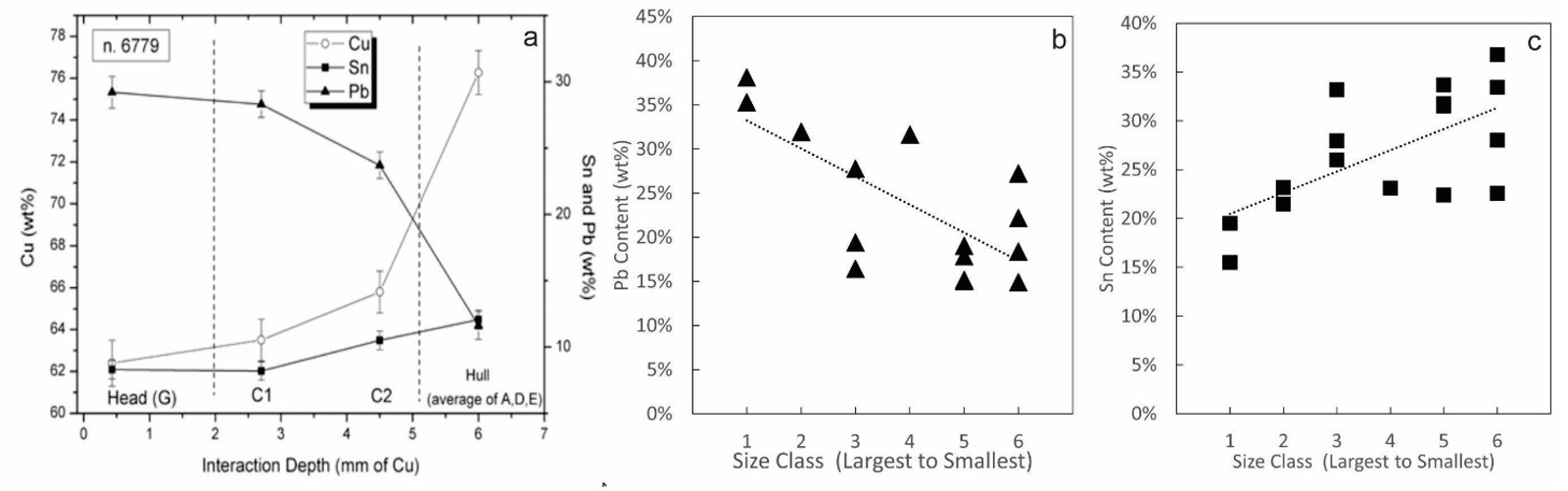
Compositional depth profiling of a leaded-bronze artifact using muonic X-ray spectroscopy documented a gradual 17wt% decrease in Pb and a 14wt% increase in Sn from the surface to a depth of 6mm (10) (Fig. 1a). This clearly demonstrates the contrasting surface and interior compositions that are inherent to high-Pb bronze. In addition, we conducted pXRF analyses on aes grave from curated collections at Yale, Princeton, and Rutgers University. Subsequently, we analyzed the 56 specimens of the Nemi collection at Nottingham. The 145 analyses of corrosion-free objects (i.e., O, C, S, or Cl) indicate that surface Pb concentration decreases while Sn increases as the size of the artifact decreases (diameter and thickness) (Fig. 2a and b). It is illogical to conclude that the manufacturers of these coins chose to enrich the smallest denominations of their coins in the more valuable of the metals (Cu, Sn) and debase their largest denominations with lead. More likely, these patterns in the pXRF reflect compositional variations resulting from greater segregation of immiscible melts in larger castings with slower cooling rates.
Justification of Beamtime Request
The UKRI ISIS Muon and Neutron Facility has experience with depth profile analysis of Pb- bronze, and the artifacts that will be analyzed are curated by a UK cultural institution (Nottingham City Museums & Galleries) facilitating transport. Thus, the ISIS facility is the ideal site to undertake the work. 112 hours of beam time would allow for initial analysis of 1 in-house Pb-bronze alloy (4 analyses; c. 16 hours), as well as 24 analyses to test for compositional zoning due to gravitational settling as well as edge-to-center cooling in 4 cultural heritage objects. Given a maximum depth of 10mm, the approximately 20mm-thick 1/3 denomination will be used for the most detailed and complete interior characterization: 8 evenly spaced analyses through the maximum thickness at the center of the coin, beginning at a depth of 0.5mm (flip specimen half-way), and one central analysis at each of the sprue ends (10 analyses; c. 40 hours). Analysis of a 1 denomination coin (c. 20 mm thick) will investigate the maximum potential internal composition al variation: at thickest point, 1 mm and 1cm depth on each side, as well as ¼, ½ of the way through at each of the sprue ends (8 analyses; c. 32 hours). Analysis of a 1/6 denomination coin (c. 10 mm thick) will investigate possible homogeneity of composition in the smallest denominations: at thickest point, three analyses at depths of 1mm, ¼ depth, and at the core (3 analyses; c. 12 hours). This will be repeated on a second 1/6 denomination, this one from RRC 14 to compare composition of coins thought to be of similar age (3 analyses; c. 12 hours).
1 Baldassarri, et al. (2006). Analisi LIBS di esemplari di AES Rude… Cong. Naz. di Archeometria IV, 561-573.
2 Ingo et al. (2005). Microchemical investigation of archaeological copper… . Microchimica Acta 144, 87-95.
3 Yarrow. (2023). Strangeness of Rome’s Early Heavy Bronze Coinage. In Making the Middle Republic, 103-31.
4 Robbiola, et al. (1998). Morphology and mechanisms … archaeological Cu-Sn alloys. Corr. Sci., 40(12), 2083-2111
5 Constantinides et al. (2002). Surface characterization of artificial corrosion layers … . App. Surf. Sci, 189, 90-101.
6 Nørgaard, H. (2017). Portable XRF on prehistoric bronze artefacts… . Open Arch., 3, 101-122.
7 NIST Material Measurement Laboratory. https://www.metallurgy.nist.gov/phase/solder/cupbsn.html
8 Burnett, et al. (1986). “Early Italian currency bars.” Italian Iron Age Artefacts in the British Museum.
9 Westner, et al. (2020). “…compositional and Pb isotope data of (leaded) copper-based alloys…” JAS 121, 105-204.
10 Cataldo et al. (2022). A novel non-destructive technique for cultural heritage … negative muons. App. Sci., 12, 4237.
A favorite ritual of the AIA/SCS is to survey the book tables for material relevant to current or future research and teaching.
FLOODED PASTS: UNESCO, NUBIA, AND THE RECOLONIZATION OF ARCHAEOLOGY by WILLIAM CARRUTHERS
Pre-Islamic Arabia: Societies, Politics, Cults and Identities during Late Antiquity by Valentina A. Grasso
CITY and EMPIRE in the AGE of the SUCCESSORS: URBANIZATION AND SOCIAL RESPONSE IN THE MAKING OF THE HELLENISTIC KINGDOMS by RYAN ВОЕНМ
Ancient Africa: a Global History, to 300 CE by Christopher Ehret
FERTILITY, IDEOLOGY, AND THE CULTURAL POLITICS OF REPRODUCTION AT ROME by Angela Hug
MEDICINE, HEALTH, & HEALING in the ANCIENT MEDITERRANEAN 500 ВСЕ-600 СЕ a Sourcebook by KRISTI UPSON-SAIA, HEIDI MARX, & JARED SECORD (parts only but good for college library collection period)
ROMA TRAVERSATA Tracing Historic Pathways through Rome by Allan Ceen [maybe relevant to Dionysius chapter on city of Rome]
THE VOICES OF THE CONSUL: THE RHETORICS OF CICERO’S DE LEGE AGRARIA I AND II by BRIAN A. KROSTENKO
Cultural Memory in Republican and Augustan Rome Edited by Martin T. Dinter and Charles Geurin [I’d have bought this on the spot but it was already sold]
The Altars of Republican Rome and Latium Sacrifice and the Materiality of Roman Religion by Claudia Moser [super relevant for contextualizing coins as votives and evolution of cult practice; another one that was sold before I saw it]
A Culture of Civil War? Bellum civile and political communication in Late Republican Rome Edited by Henning Börm, Ulrich Gotter and Wolfgang Havener [regretting not buying this one – toc in photos]
A book on spoils of which I got photos of the toc but not cover… smh
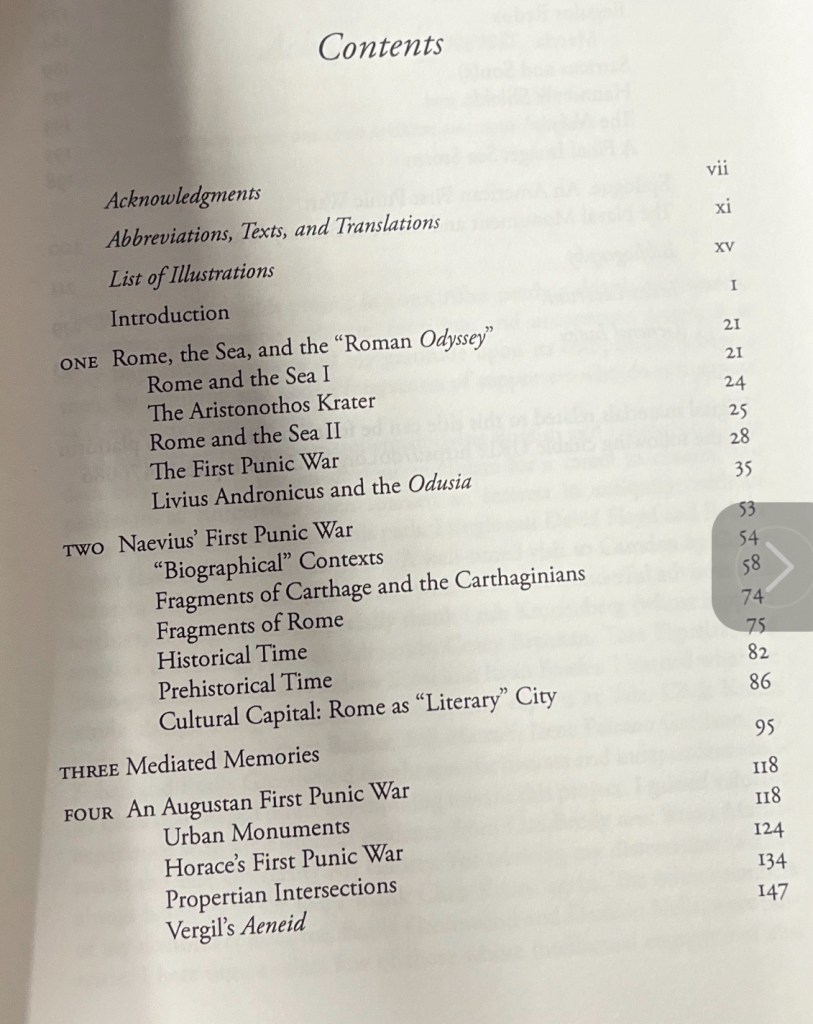
Poetics of the First Punic War by Thomas Biggs [first three chapters hyper relevant]
GABII THROUGH ITS ARTEFACTS Edited by Laura M. Banducci and Mattia D’Acri [must ILL coin chapter]

The Archaeology of Urban Life in the Ancient Akrai/Acrae, Sicily Edited by Roksana Chowaniec and Marta Fitula [ill seals chapter]

Coins and Economy in Magdala/Taricheae by BRUNO CALLEGHER

CROSSING THE POMERIUM:The Boundaries of Political, Religious, and Military Institutions from Caesar to Constantine by MICHAEL KOORTBOJIAN – only really relevant for first sections— ILL
XENOPHON The Shorter Writings EDITED BY GREGORY A. McBRAYER
Cicero ON DUTIES TRANSLATED WITH INTRODUCTION, NOTES, AND INDEXES BY BENJAMIN PATRICK NEWTON
CICERO, De haruspicum responsis, INTRODUCTION, TEXT, TRANSLATION, & COMMENTARY by Anthony Corbeill
LIVY The Fragments & Periochae Edited with an Introduction, Translation, & Commentary by D. S. LEVENE ***
A Commentary on Cicero De Divinatione II by ANDREW R. DYCK
SERVIUS COMMENTAIRE SUR L’ÉNÉIDE DE VIRGILE LIVRE VIII [bude]
Polybius Book 1 A Commentary David D. Phillips
Theater and SPECTACLE in THE ART OF THE ROMAN EMPIRE By KATHERINE M. D. DUNBABIN — many many lovely illustrations!
ON ROMAN RELIGION: LIVED RELIGION AND THE INDIVIDUAL IN ANCIENT ROME by JÖRG RÜPKE – short and useful
THE ALTERNATIVE AUGUSTAN AGE Edited by KIT MORRELL, JOSIAH OSGOOD, and KATHRYN WELCH
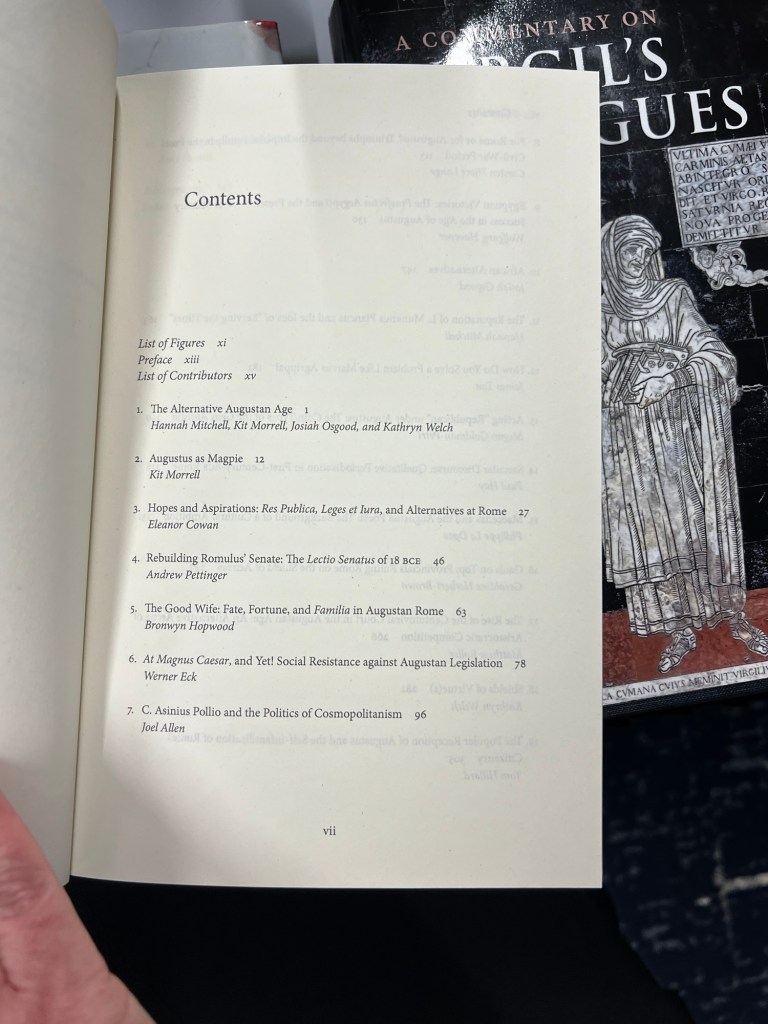
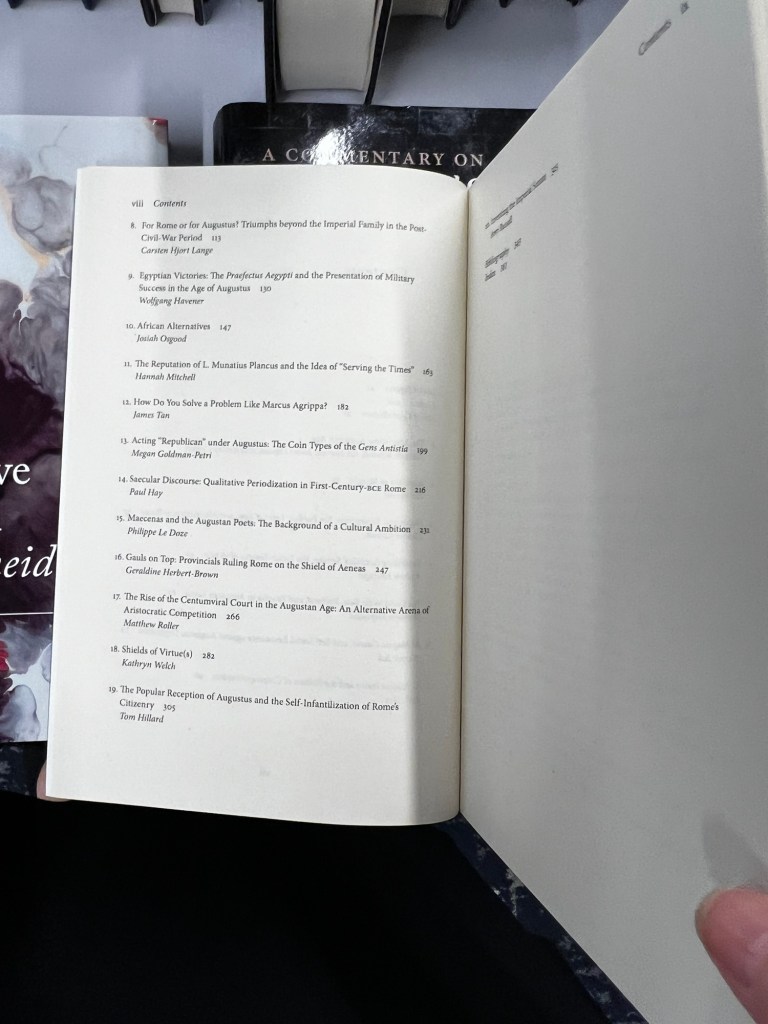

LIVING THEATRE in the ANCIENT ROMAN HOUSE: Theatricalism in the Domestic Sphere By RICHARD C. BEACHAM And HUGH DENARD
Aphrodisias XIII: Diocletian’s Edict of Maximum Prices at the Civil Basilica in Aphrodisias by Michael Crawford
Collecting and Collectors from Antiquity to Modernity, Alexandra Carpino, Tiziana D’Angelo, Maya Muratov & David Saunders (eds.) – good content on gems
PLINY’S ROMAN ECONOMY: Natural History, Innovation, and Growth by RICHARD P. SALLER
UNBOUND FROM ROME: ART AND CRAFT inA FLUID LANDSCAPE ca. 650-250 ВСЕ by JOHN NORTH HOPKINS
DI MANES, BELIEF & THE CULT OF THE DEAD
The Ancient Roman afterlife by CHARLES W. KING
SAECULUM: Defining Historical Eras in Ancient Roman thought by Paul Hay


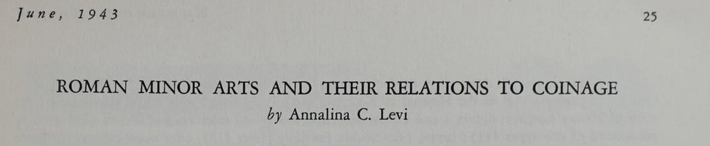

I find this very exciting because I’ve argued elsewhere for a close relationship between the stamped black glaze pottery (vernice nera with petites estampilles) and numismatic images. I think that the potter actually press the coin into the mold and then used that mold to make these cups.
 Liv Mariah Yarrow