Prizes

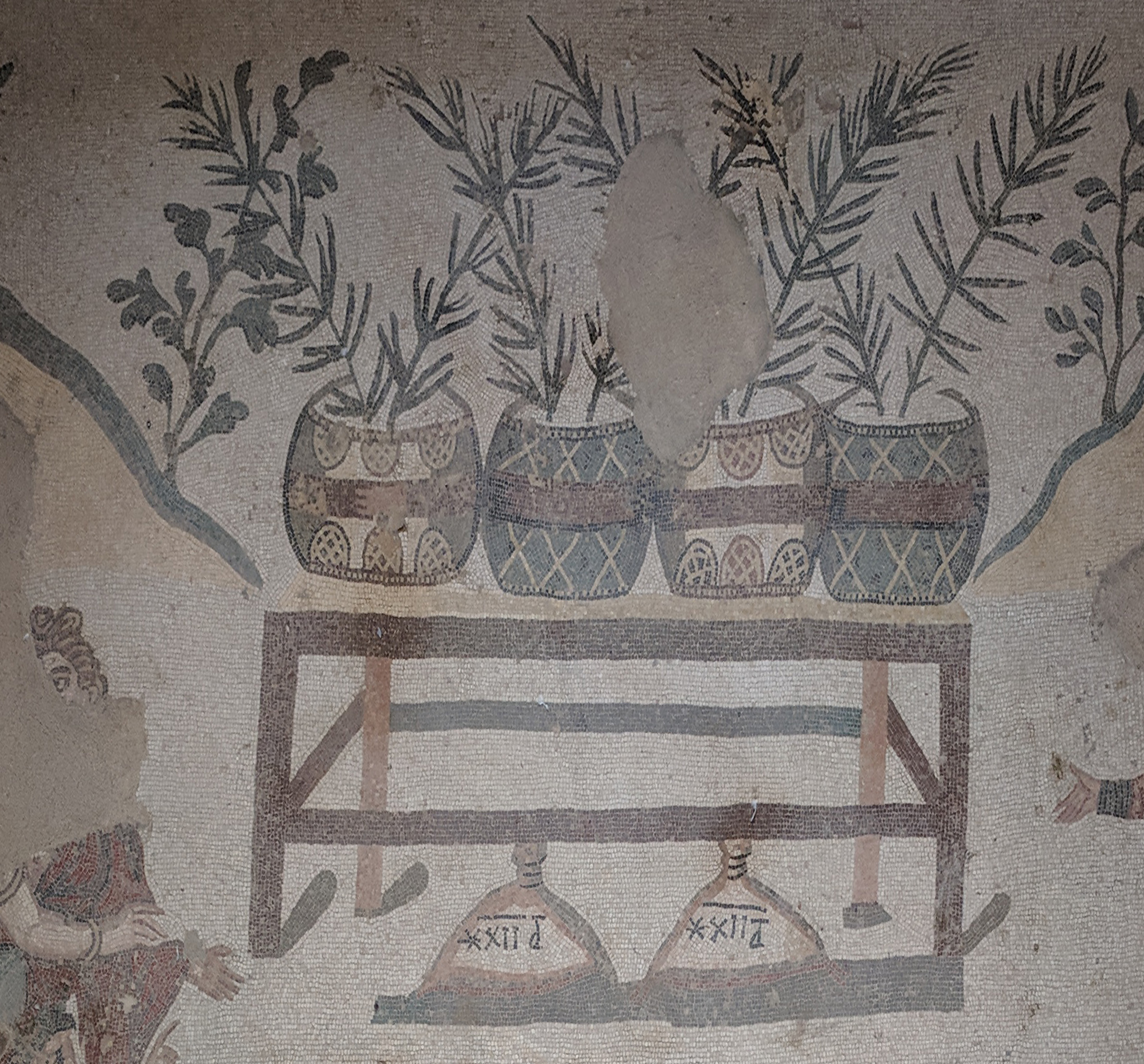
Wikimedia image of Piazza Armerina Mosaic (Villa Casale)
Detail of same with skew removed in photoshop

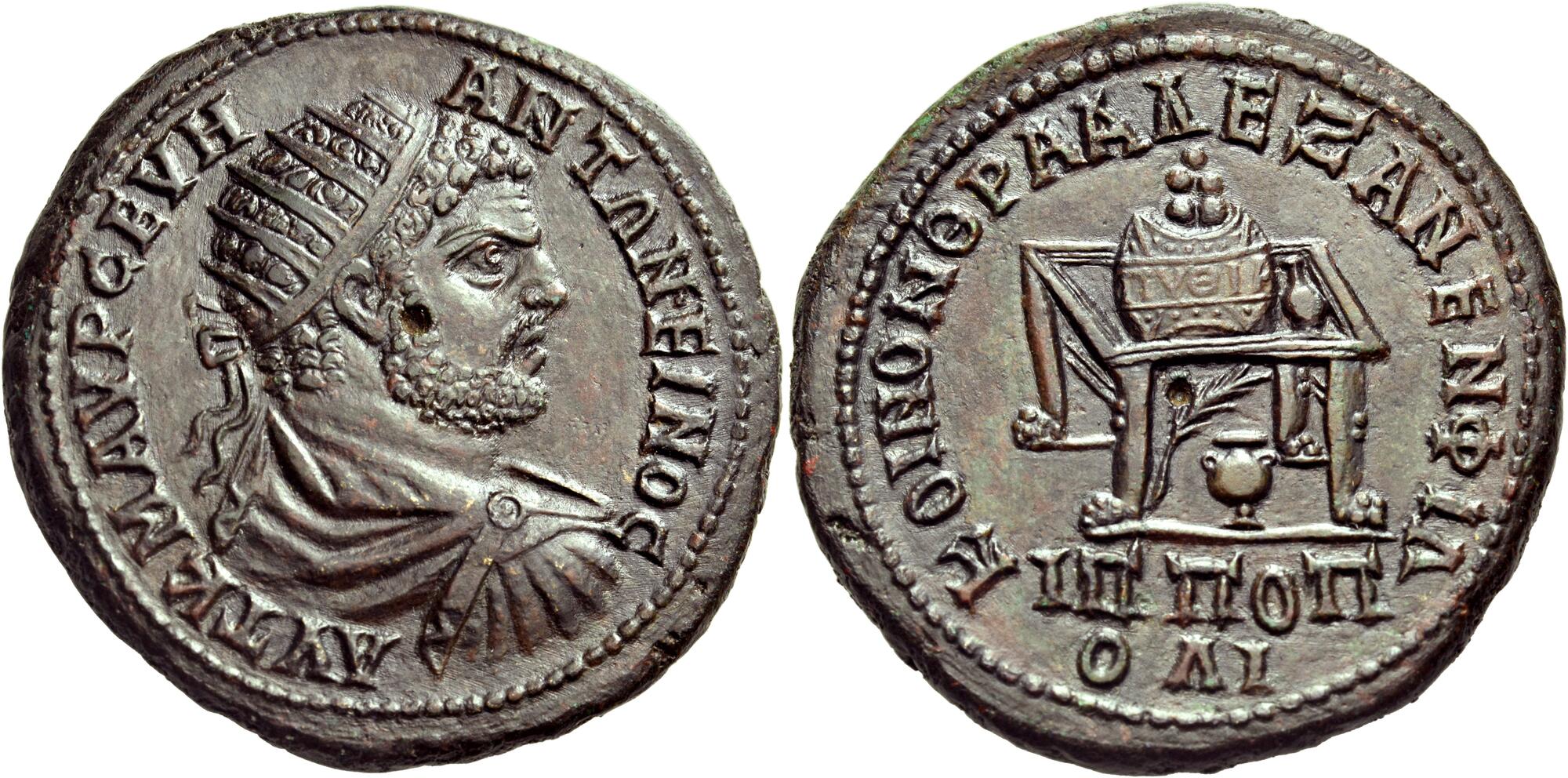
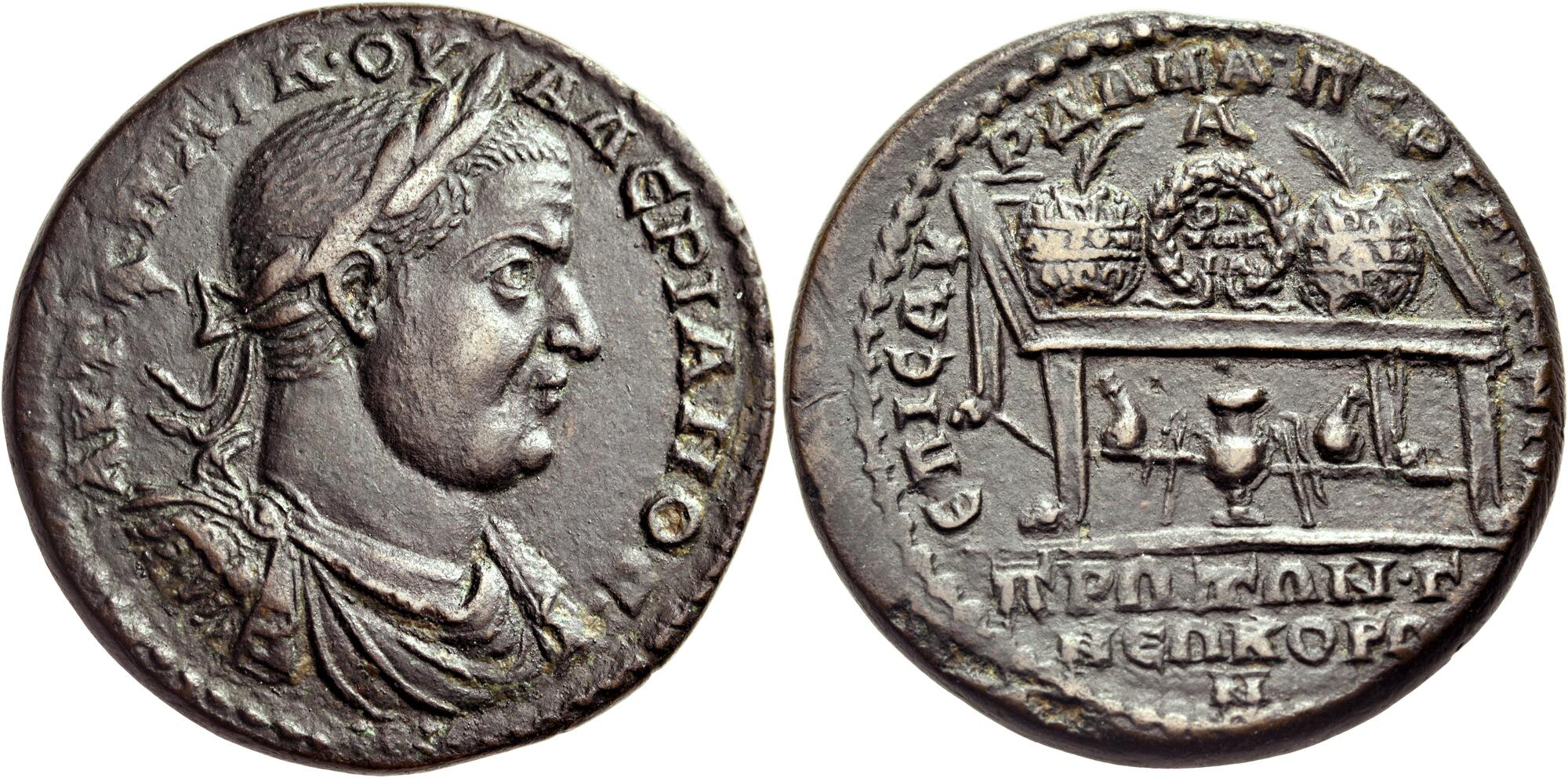
The prize crowns and palms on a table will be familiar to numismatists familiar with Roman provincial coinage (relevant results from RPC Online).

The bags of money are less common. Even more tantalizing is the writing on the bags. The line above multiplies the number by 1000. X with a horizontal line is regularly used as the symbol for the denarius on Diocletian’s price edict in both Latin and Greek versions and comes before the numeral. The edict is roughly the same date as the mosaics.

Aphrodisias fragment
Detail of Aigeira fragment

The lower case d with a line a the top is another figure I don’t immediately recognize. A puzzle for tomorrow, but one I feel sure will make me slap my forehead as soon as see the answer.

The unit of account for Diocletian’s Price Edict was the denarius, not the ‘denarius communis’ a fiction (not unlike the so-called aes signatum). See Jones 2017 who demonstrates the term was created by Lépaulle in 1888. In fact even the name of the Edict is a 19th century creation:

From Prantl 2011.

I find myself again wanting to read more MHC:

Michael Crawford, Diocletian’s edict of maximum prices at the Civil Basilica in Aphrodisias. Aphrodisias, 13. Wiesbaden: Reichert Verlag, 2023. Pp. 260. ISBN 9783752006858. (BMCR review)

On ILL order:

Burnett, Charles, ‘The Palaeography of Numerals’, in Frank T. Coulson, and Robert G. Babcock (eds), The Oxford Handbook of Latin Palaeography (2020; online edn, Oxford Academic, 10 Nov. 2020), https://doi.org/10.1093/oxfordhb/9780195336948.013.96,

Now, I really should put in some pictures of coins.

In trade
In trade

In both the coins above we see the motif of five circles usually described as apples but I do wonder if that if a firm attestation or if they might be coins. We also see in the second of the two, the one with only one crown, a small purse on the table next to the crown. Or so it is traditionally identified. On the specimen below you can see two purses looking more like purses under the table flanking the prize vase.

In trade

Why does teaching prep have to be so distracting?!

My Day Job – an ask

It is giving Tuesday. You might be the giving sort. You might not.

Link to Give.

Here’s my plea. I set down a sabbatical to finish book three and picked up the chairship of my department in large part because I believe in the LGI and the right of everyone regardless of family background or economic means to learn Latin and Greek. (an earlier essay on the value of studying ancient languages)

The LGI is older than I am and has trained the best philologists in our field and enabled hundreds of others who came late to the field to pursue their dreams of studying the Greek and Roman World. There are a hundred more medievalists, and political scientists, and religious scholars, art historians and philosophers who used and continue to use the LGI to access more directly and accurately the texts relevant to their research.

It has no permanent faculty. We count on our long term PT faculty giving up their summers (and good deal of their springs in preparation) year after year to make this possible. They do. The LGI engenders deep commitment from all its faculty and staff. It is a grueling intensive program that gets results. Our students wouldn’t succeed without this dedicated faculty.

Enrollments are high. We could admit more if we could support more to study in NYC. We could admit more if we could recruit and train more faculty. If we had staff to support the back end.

This campaign is our first giving Tuesday ask. The LGI needs an endowment to protect it from the winds of fortune at a public institution of higher ed.

And, once it is more secure, I can more comfortably go back to writing books (and more blog posts along the way).

So if you are giving sort and like this blog, please chip in a little something. Each donor shows that we have supporters. Give 100. Give 10. Give 1000! Give 10,000?

Anyway. I had to ask.

Link to Give.

Back to your regularly scheduled programming.

Bilingual coin of Cleopatra Selene and Juba II (BM specimen)

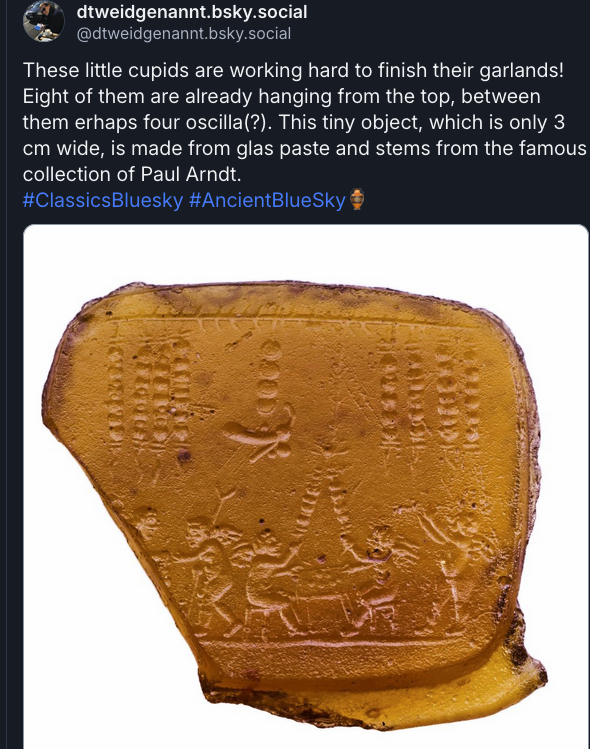
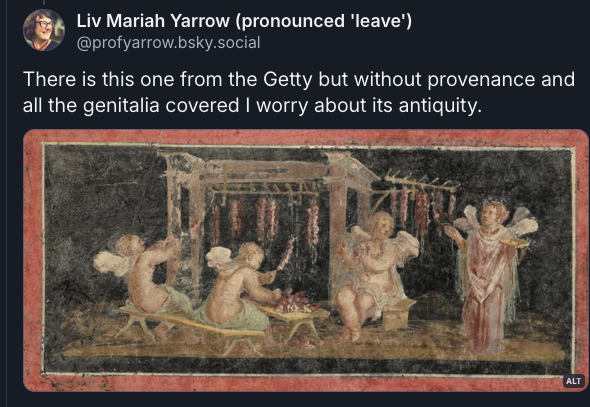
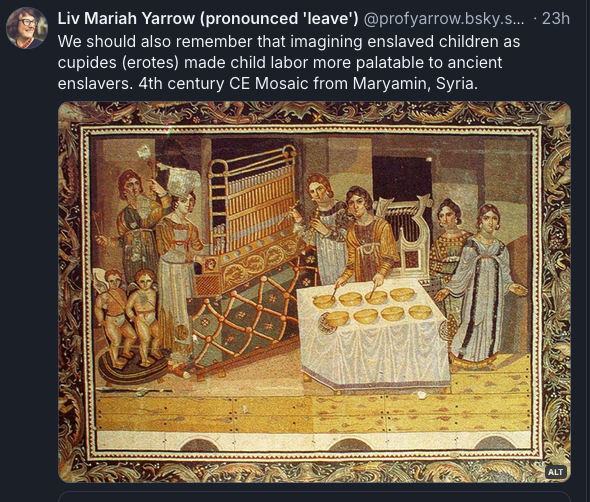
Cupids and Enslavement

I’m just archiving a Blue Sky conversation and ensuring I can find the topic of erotes (cupides) and child labor and slavery when my brain wants to return to it. I put the bibliography at the end because I wasn’t sure how ‘original’ my thinking was on this. Sometimes I say stuff so much I come to believe it without remembers to check in with my colleagues. Sloppy intellectual thinking.

Just a little possibly relevant bibliography

Mitchell, Elizabeth. “The Other Classical Body: Cupids as Mediators in Roman Visual Culture.” PhD diss., Harvard University, 2018.

Neuenfeldt, Lori P. “Eros and Erotes in the late antique mosaics of Antioch.” MA diss., FSU, 2009.

Slater, W. J. “PUERI, TURBA MINUTA.” Bulletin of the Institute of Classical Studies, no. 21 (1974): 133–40.

Beckmann, Sarah E. “The Naked Reader: Child Enslavement in the Villa of the Mysteries Fresco.” American Journal of Archaeology 127, no. 1 (2023): 55-83.

4th and Final?

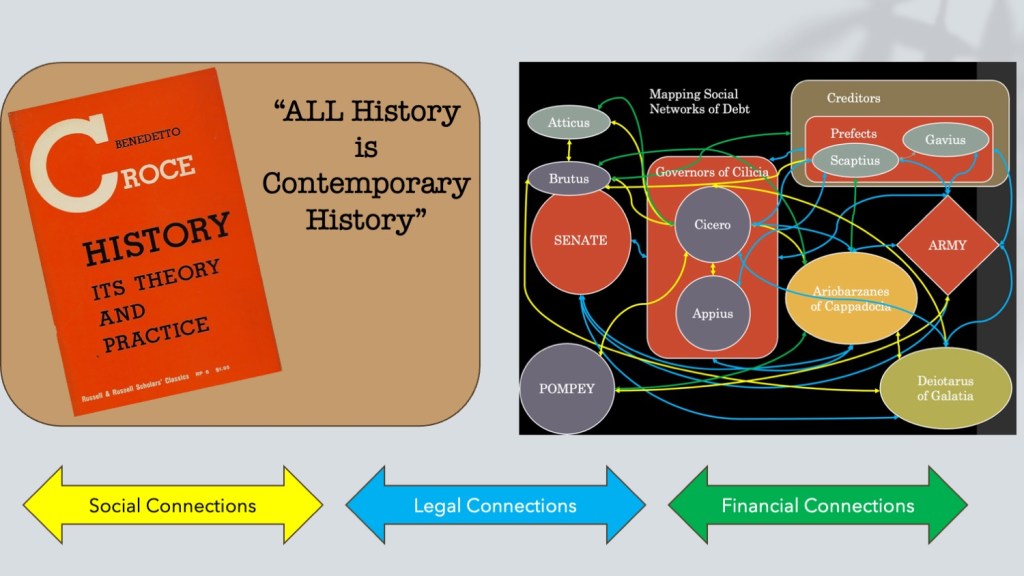
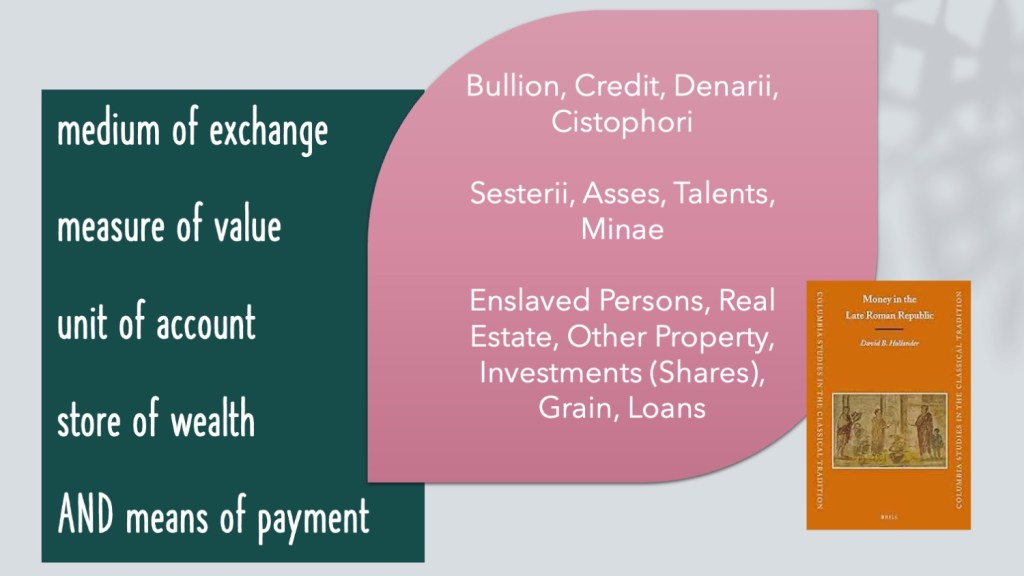
This deck contains slides used in all four talks but is not the precise deck used in anyone version.

If you follow me on social media you know that I had quite the odyssey to get to McMaster because while I am something of a Diva, I can’t compete with the Diva queen who performed in Toronto last night clogging every airport, rental car counter, and highway between NYC and points north. I made it by re-routing through Buffalo and renting a electric Kia Niro (strongly recommend) in a lovely shade of green. Yesterday’s heart-pounding stream of rebookings were made up for by the gorgeous venue, mouthwatering dinner, lively conversation and falling into a truly lux hotel bed.

So after minor struggles with chargers in the rain (gas stations sorted this back in the 1950s or earlier clearly we can do better!), I’m in a great mood at the Buffalo airport and thinking about the future of this paper over a plate of wings and a bloody maria (tequila, because vodka is boring).

I said as I presented this talk that this was its last outing. 4 times feels like the end of the road for any research topic. I’ve in the past resisted any repeats for research talks. But, in this model where I don’t script, just talk, the multiple instantiations have helped me figure out what the hell I’m talking about. Is there a there there?

I think in the end the answer is yes. It’s just in answering my research questions and returning to old projects, I find I can finally articulate why this material interests me and what the real gut level question has been all along.

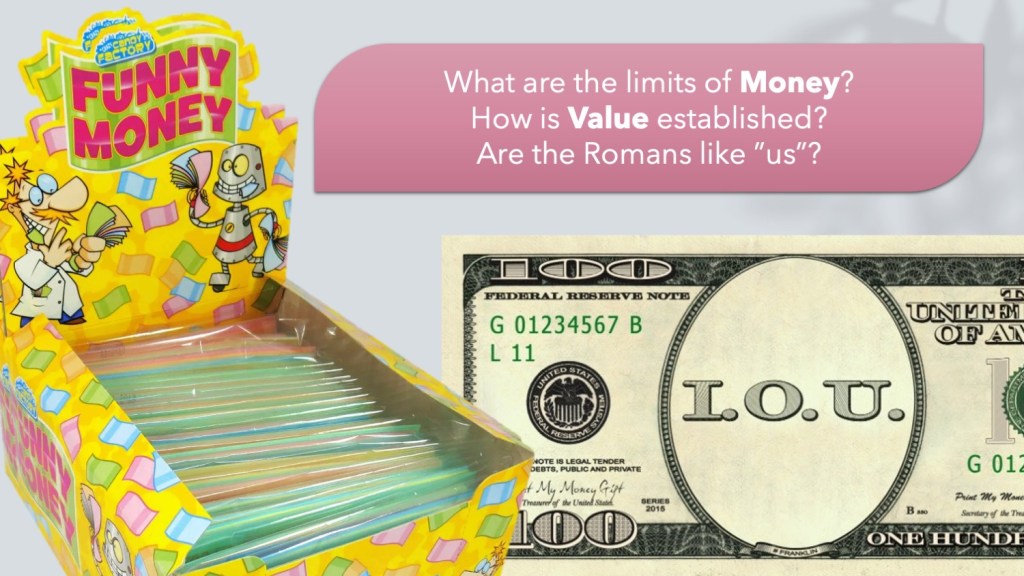
DOES MONEY MATTER?

Let’s narrow that down a bit. Is money a factor in political shifts? And if so, how and why? Can we separate out economic factors from politic and can we disentangle which drives which? This was the first time presenting this paper post election (no I don’t want to go there, but I insist on being radically honest about influences on my thinking past and present).

[I’ve switched to a virgin mary, no I don’t really write while drinking even this kind of mind dump research journalling.]

So I started from a desire to ask: are economics or social factors driving politics?

Then I moved to wondering more if the right question was between economics driving politics or politics driving economics or at least economic anxieties. For a while I wanted to know if this was even a question like the dichotomy of the first question. Can’t we just throw our hands up like good Episco-peeps disputing the nature of communion and declare a both/and paradox where we must seek to trace the via media, the middle way.

[ten minutes until boarding]

And yet I don’t think any of this is really the issue. I don’t believe a significant economic or monetary crisis contributed in the slightest to the conditions that allowed Caesar to cross the Rubicon and change Rome forever ever more.

Yes, property was overvalued in the city of Rome in the 20 years before.

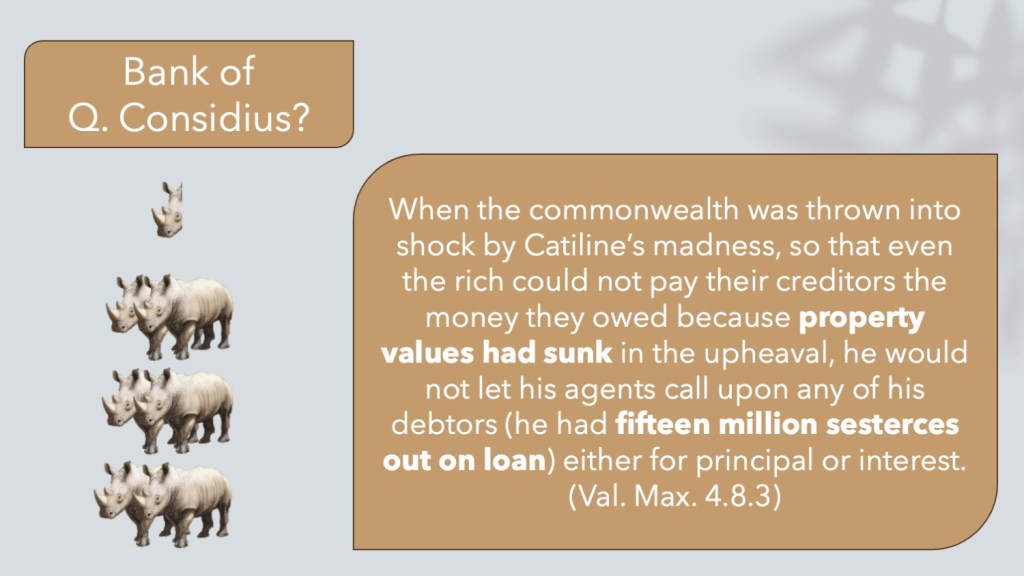
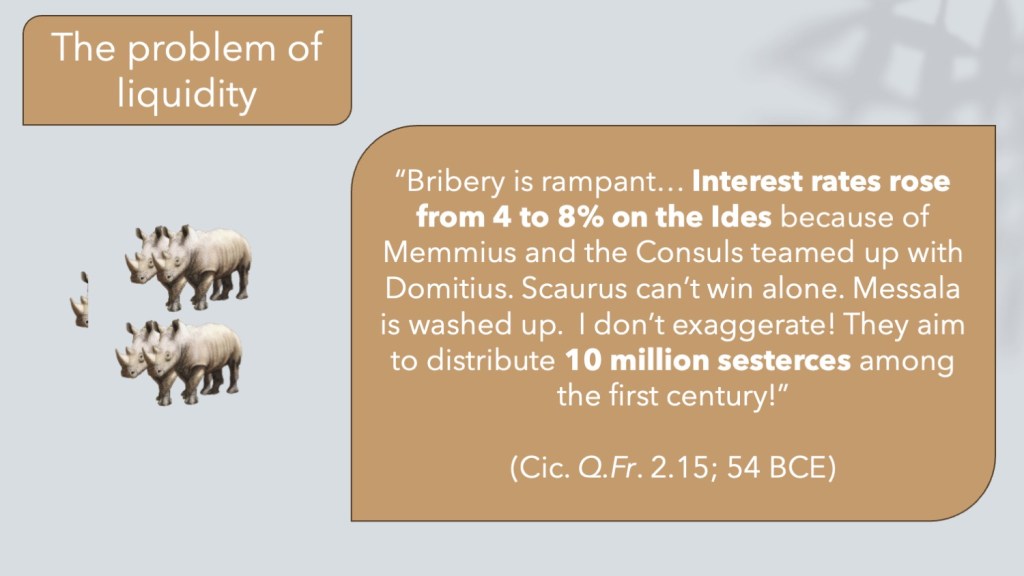
Yes, Rome had a sophisticated system of credit and interest rates were determined by the relationships of borrower and creditor, meaning that interest and payment schedules fluctuated in an unpredictable manner.

Yes, Rome was deeply committed to extracting wealth from the wider Mediterranean and yes there was the a deep entanglement of taxation of and private lending to communities and individuals.

Yes, war and social unrest created widespread economic anxiety and true hardships for some.

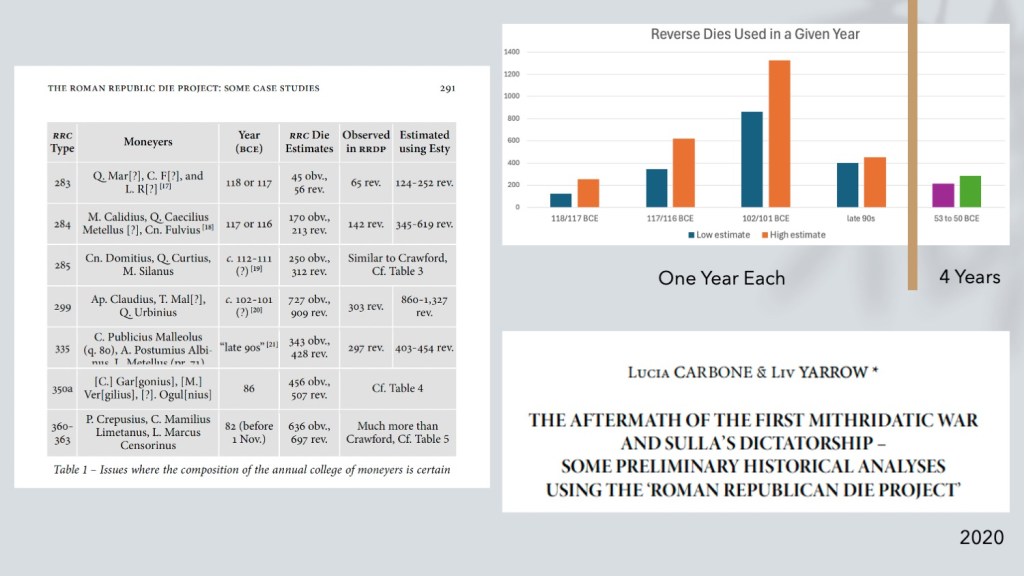
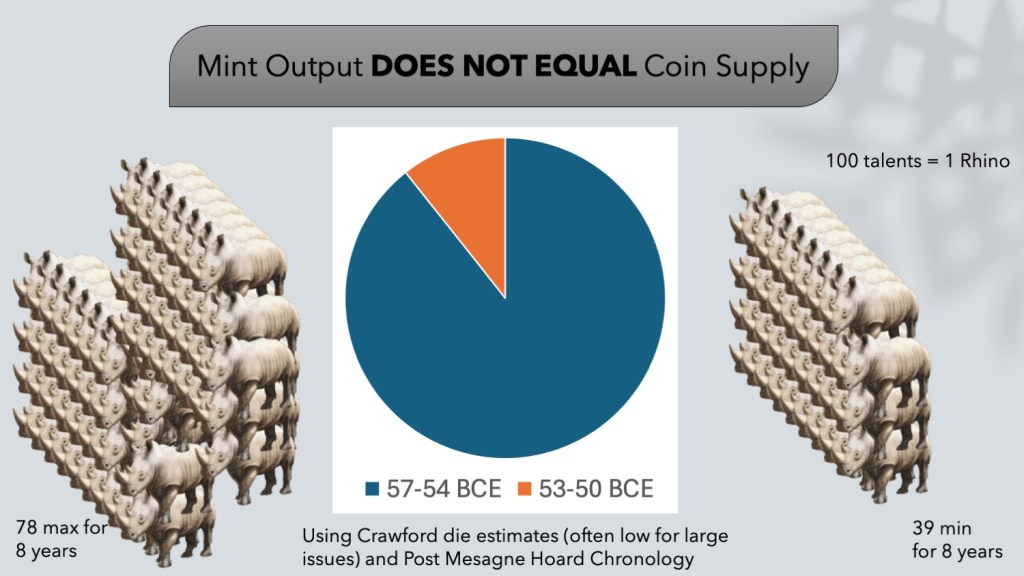
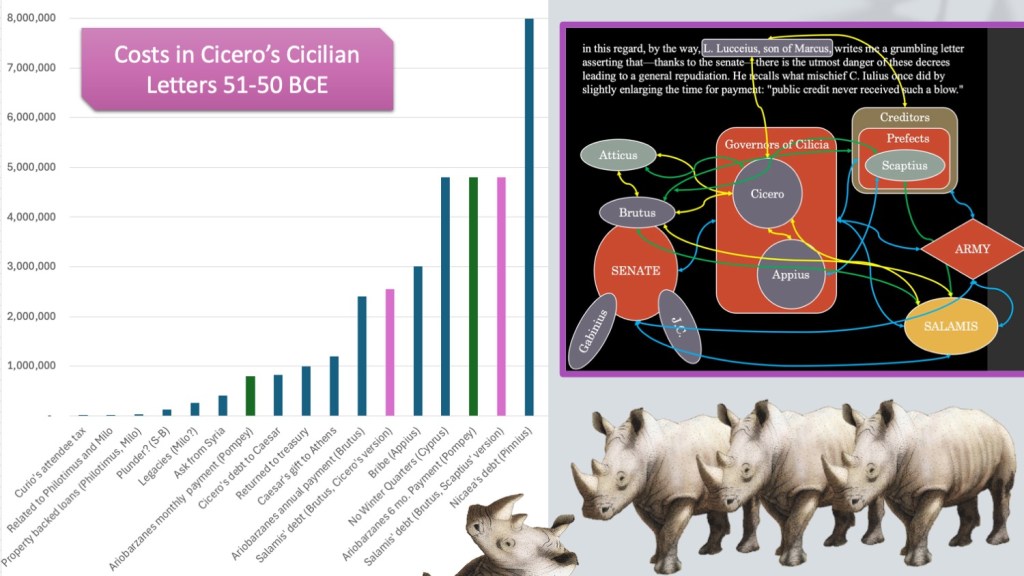
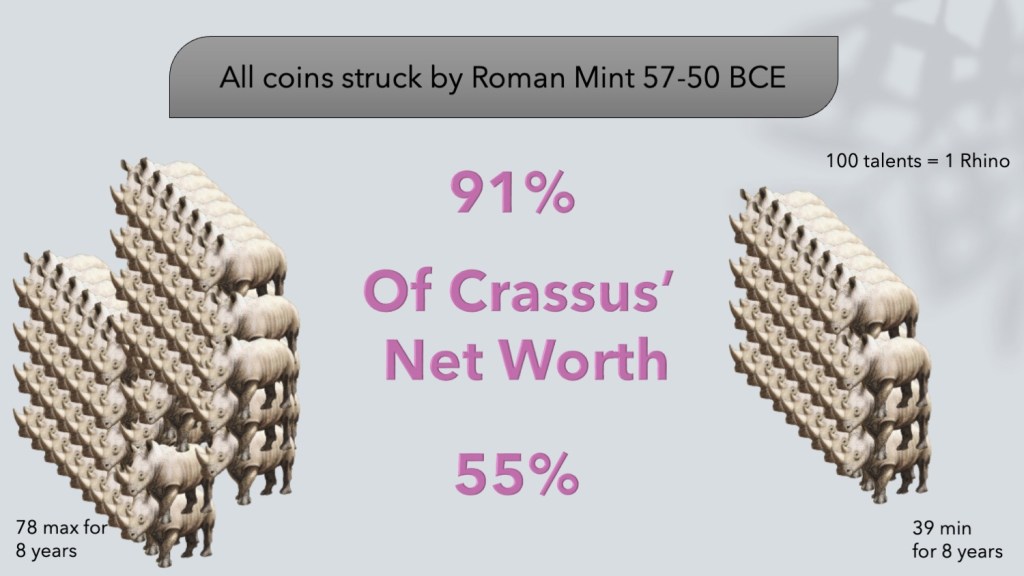
Yes, the Roman mint was not striking sufficient small change for the general population and ridiculously curtailed mint out put of silver in the four years before Caesar’s crossing. This is best explained by a surplus of struck coin and plenty of silver reserves in the state treasury.

No one voted Pompey or Crassus or Caesar in because of the cost of milk, bread, and gas.

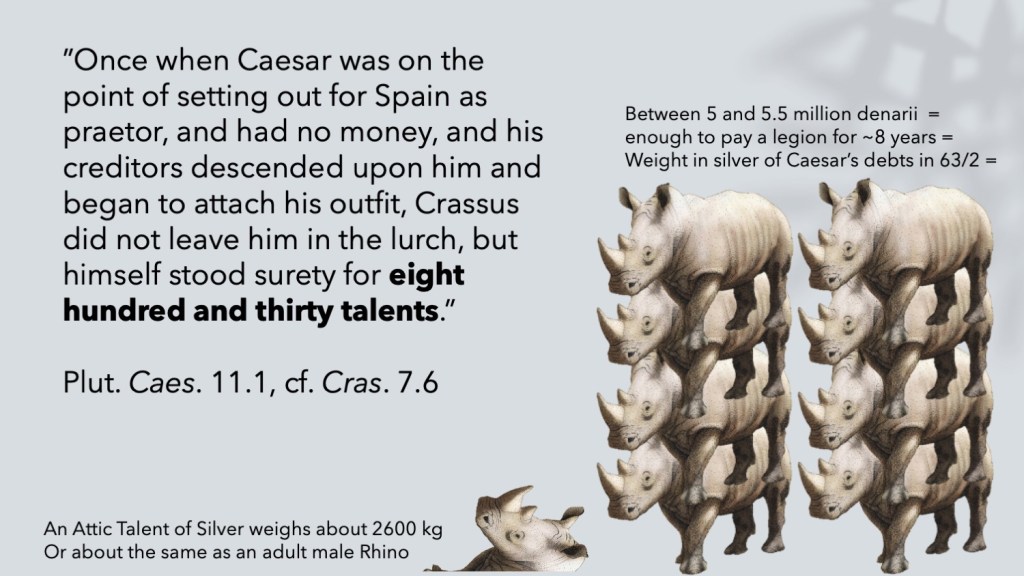
So does money matter? Yes, I think it does, but I THINK it matters because of the economic differential between the state and the wealthiest individuals.

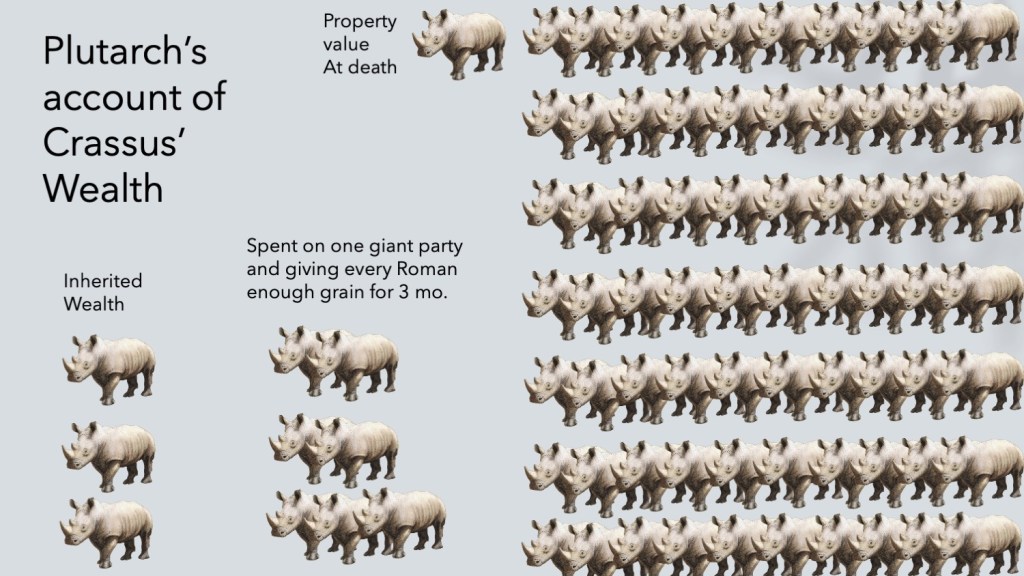
Rome was and remained wealthier than any one of the ultra wealthy, but private individuals could and did spend money of public affairs to rival the state. This ability to spend, this wealth hoarding, could and did destabilize the Roman state.

And, with some relief I can tell you that at present our own modern day ultra wealthy cannot spend anywhere near the spending of the major world governments. And therein is the difference between my modern contemporary anxieties and my cool headed reading of the ancient evidence. There is no one on this planet who is as rich as Crassus at least in comparison of spending power to the government.

Crassus shows that money was not enough. Leadership mattered. Talent and acumen count for a great deal. And, yet I think I might be able to defend a position that argues the economic crisis of the 50s (if we can call it such) was the demonstration that individuals could and would spend more on public affairs than the state itself, thus usurping state prerogatives and eventually destabilizing the very constitution.

I need to go board, but this is a first stab at expressing some of the ideas that evidence of this paper might reasonable support in a fuller formal version.

‘Peace’ Medal thoughts

link to object in trade

Ever since getting back from Buffalo and the Lockwood collection I’ve had so-called peace medals on the brain.

This isn’t a totally new interest for me, but came up as I was preparing my 2018 article:

Liv Mariah Yarrow, The tree and sunset motif: the long shadow of Roman imperialism on representations of Africa, Classical Receptions Journal, Volume 10, Issue 3, July 2018, Pages 275–311.  (link without paywall).

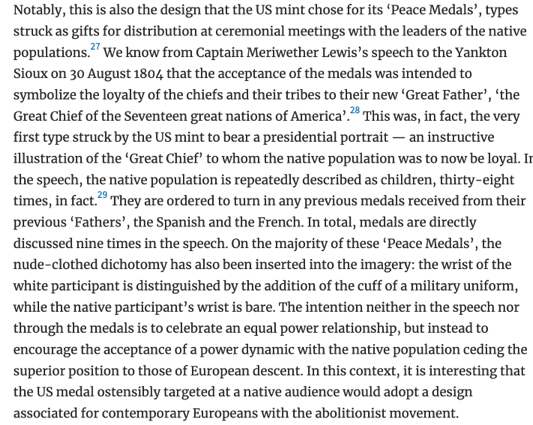
The key portion is below.  When I published this I had not yet thought more about the Lewis’s speech and its rhetorical antecedents.  (a blog post).

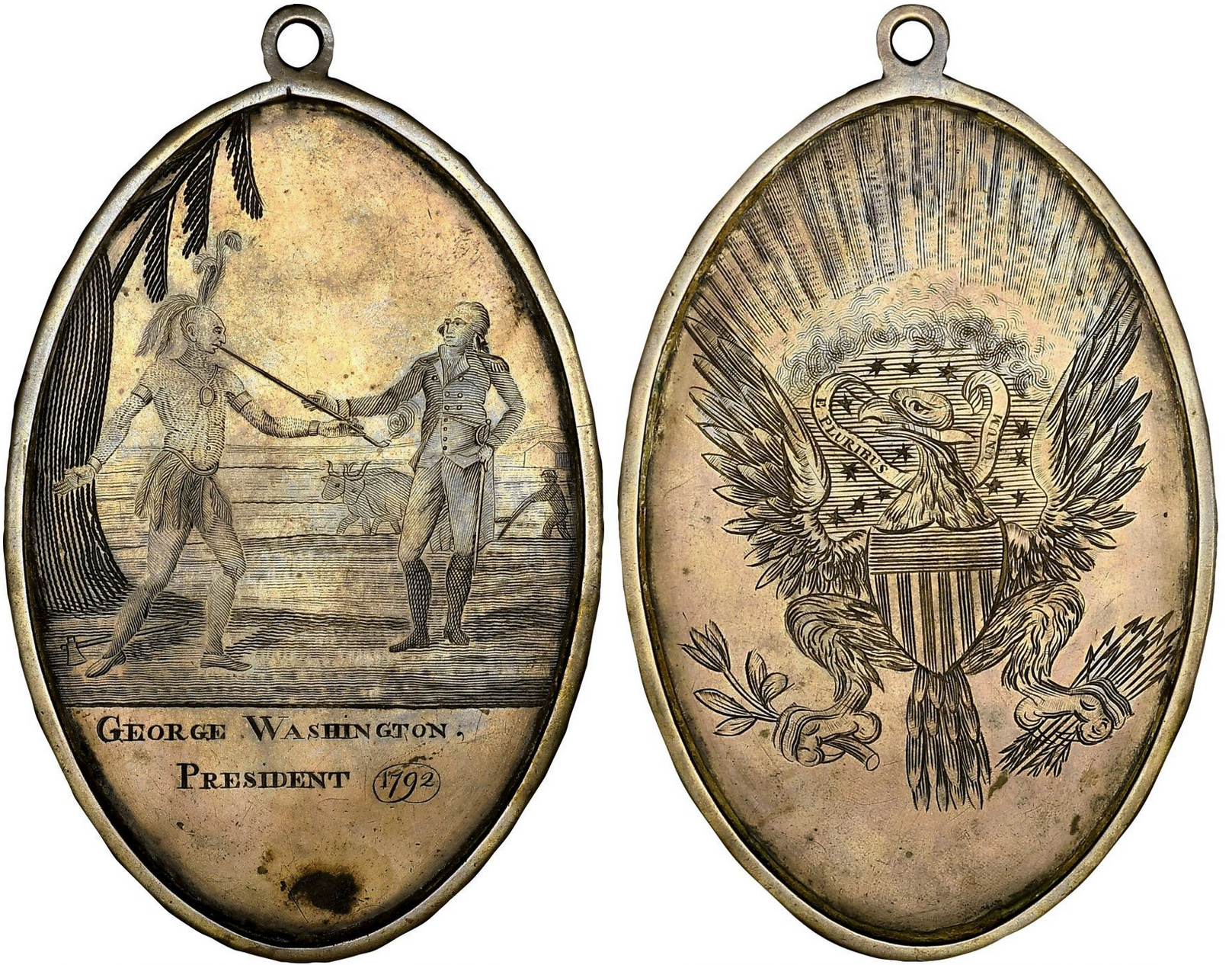
Above is a pretty standard design. The ANS has arguably the largest collection in the world (link to all photographed specimens in their collection).

My interest started from the reception of classical iconography of the clasped hands. This blog post is inspired by the image of the native leader wearing a medal. This is a key feature of the Morro Velho medals used as a form of slave control. Again discussed briefly in my 2018 article. I did go the UTAustin and read all the mine’s archival records looking for details of the production of this medal and have my own scans. It was a book plate engraver in London who made them not one of the major token/medal producers. I need to circle back to that project and get that published. Maybe the connection to early peace medals will get me more motivated to do that.

Early Post. ANS link.

For the prevalence of these medals in the Lewis and Clarke expedition don’t just use key word medal but also meadal a common spelling variation. A theme of these journal entries is that size matters to recipients.

The other thought I want to write about down the road is the occasional cuff on the indigenous hand on the clasped hand medals. The white wrist is a military cuff, the eagle seems to be a fictive(?) medal bracelet with a design at once patriotic and tied to the distinctive fauna of the land.

Is the axe a weapon of war ‘tomahawk’ or is it meant to represent the felling and clearing of trees to make way for agriculture? Notice it is on the ground in the design of the top medal.

ANS link.

Notched Spearheads

Why does class prep have to be full of such interesting and relevant images for my research?! This is raising my blood pressure. And of course a student walked in an I had to go all geek out special interest telling them why this image made me so excited.

Detail of Cancelleria Relief

I’ve been worried for so so long about the notches in the spearhead of just some of the amphora/spearhead currency bars (so-called Aes Signatum) and NOW I HAVE A PARALLEL in the ritual attribute of a figure typically identified as Honos personified. Nope. I think as I look closer that the object is held by the guy who looks a little like Nero and has a round disc (shield) clasped in his other hand.

Veovis and Civil War?

I totally don’t have time to write this post. I’m prepping a new class and a talk for Buffalo. Yet, I have to get this down. (Link to Berlin specimen)

PublicationsP.-H. Martin, Die anonymen Münzen des Jahres 68 nach Christus (1974) 70 Nr. 11 Taf. 1 (dieses Stück); E. P. Nicolas, De Néron à Vespasien (1979) 1305 Nr. 1; 1416 f. 1445 Nr. 10 Taf. 10,10 B (Spanien, diese Münze); RIC I² Nr. 1 (Spanien, 68 n. Chr., dieses Stück); BMCRE I 288 Anm. * Taf. 49,12 (dieses Stück).

But F— It. I want to write. So I’m going to write.

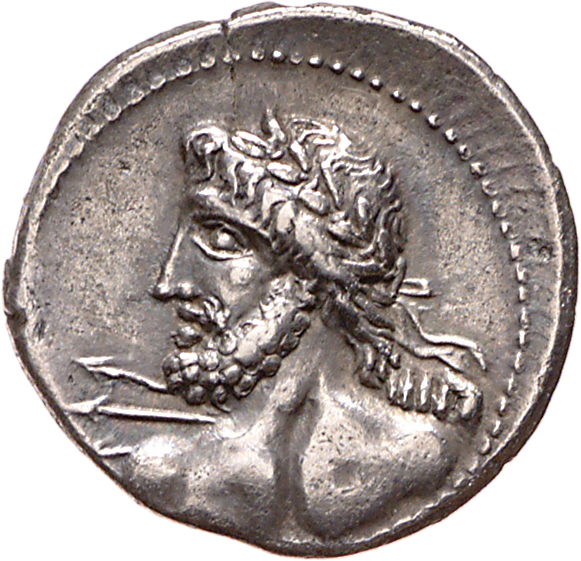
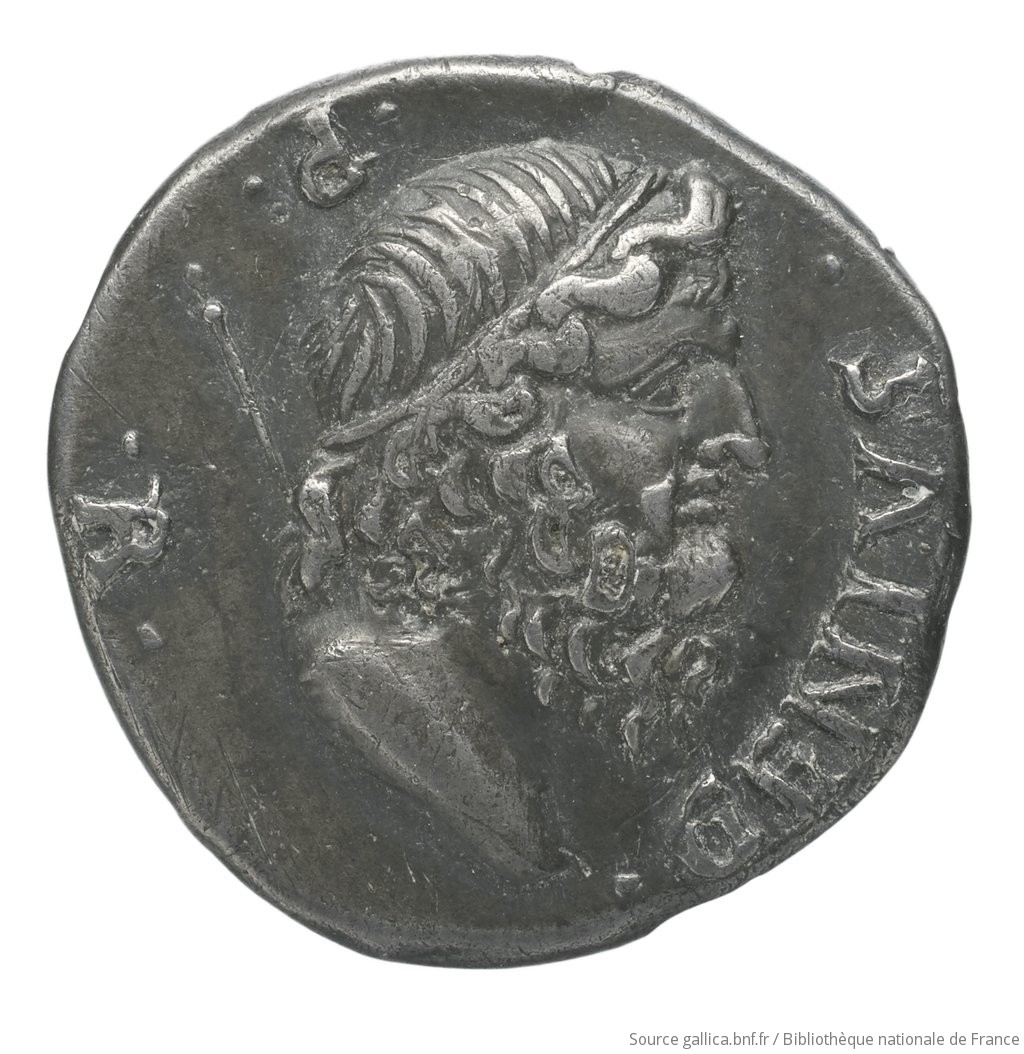
This images of ‘Jupiter’ recalls the portrayal of the disputed Veovis/Apollo types on the republican series. Wiseman wrote about this and Macer, but you can see an overview on p. 148 of my book. Maybe I’ll even drop in an image of that down the road. Those representations are not bearded.

Veovis is a disputed god. I’m sure I’ve got a blog post or three on that.

If we don’t see the above coin through a Republican lens how would it fit into an imperial context

Jupiter isn’t that common on the Roman mint coins.

IOVIS TONANTIS: Augustus 19 BCE (with variations)

IVPPITER CVSTOS: Nero, c. 64-65 CE (with variations)

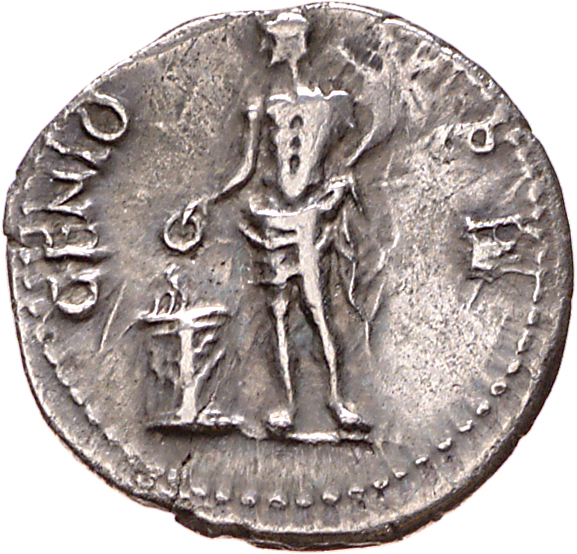
The above coin unlabeled and paired with the Genius of the Roman People (so republican!)

The pairing might make this next type with GPR and IOM CAPITOL (Paris) a kissing cousin.

BUT I don’t think so.

RIC Civil Wars 123-128 have lots of busts of IOM CAPITOL and the iconography of the busts is v different (the pairing on these is with Vesta).

Not the reverse view, diadem not wreath crown, palm if any attribute not thunderbolt (fulmen).

The Civil War also gives us

IVPPITER CONSERVATOR paired with:

  • anonymous type paired with a Venus-like female bust and AVGVST legend
  • ROMA RESTITVTA

IVPPITER CVSTOS paired with:

  • Roma
  • ROMA RESTITVTA
  • VIRT[us]

IVPPITER LIBERATOR paired with:

  • ROMA RESTITVTA

Otho uses a seated Jupiter with the legend PONT MAX as a reverse type.

Vitellius uses I O MAX CAPITOLINVS and IVPPITER VICTOR reverses.

Once established in 76 CE Vespasian revives IOVIS CVSTOS.

84-85 Domitian revives IVPPITER CONSERVATOR and IOVIS VICTOR but primarily on Bronze

There are quadrans that use Jupiter as an obverse type from this this period or later. The interest in Jupiter qua Jupiter with aspect labeled in legend fades.

The anonymous issues of the Civil War continue to intrigue me for their republican allusions. More later I hope.

Some Early American Invocations of the Roman Republic

I’ve half an idea about how to work some of this material into a new/old project. I’m leaving these quotes here as future inspiration/reference.


“At present, when the King requires Supplies of his faithful Subjects, and they are willing and desirous to grant them, the Proprietaries intervene and say, unless our private Interests in certain Particulars are served, Nothing Shall Be Done. This insolent Tribunitial VETO, has long encumbered all our Publick Affairs, and been productive of many Mischiefs.”

Benjamin Franklin, “Cool Thoughts on the Present Situation of Our Public Affairs, 12 April 1764″

The metaphor at work here is that the colonial governors are using their ability to intervene to serve their own interests rather than protect the people and serve the state.


“Do they not most of them avow that corruption is so established there, as to be incurable, and a necessary instrument of government? Is not the British constitution arrived nearly to that point, where the Roman republic was when Jugurtha left it, and pronounc’d it a venal city ripe for destruction, if it can only find a purchaser?”

John Adams, “To the Inhabitants of the Colony of Massachusetts Bay, 13 February 1775” writing under the pseudonym: Novanglus

We see here the influence of Sallust’s writings and the rhetoric of decline through luxury, greed and foreign influence.


“[Hutchinson has] been the Cause of laying a Foundation for perpetual Discontent and Uneasiness between Britain and the Colonies, of perpetual Struggles of one Party for Wealth and Power at the Expence of the Liberties of this Country, and of perpetual Contention and Opposition in the other Party to preserve them, and that this Contention will never be fully terminated but by Warrs, and Confusions and Carnage. Caesar, by destroying the Roman Republic, made himself perpetual Dictator, Hutchinson, by countenancing and supporting a System of Corruption and all Tyranny, has made himself Governor—and the mad Idolatry of the People, always the surest Instruments of their own Servitude, laid prostrate at the Feet of both.”

John Adams, Diary entry for 1771 Thurdsday [sic] June 13th.


Howe is no Sylla, but he is manifestly aping two of Syllas Tricks, holding out Proposals of Truces and bribing Soldiers to desert. But you See, he is endeavouring to make a Fimbria of somebody.”

From John Adams to Nathanael Greene, 24 May 1777

The vast majority of this letter is historical narration paraphrased very closely from Abbé René Aubert de Vertot, The History of the Revolutions that Happened in the Government of the Roman Republic, transl. Ozell, 2 vols., 4th edn., London, 1732, 2:167–173, 175. The morale only comes briefly at the very end. The warning is for Greene to be more aware of how loyalties may be subverted when the lower ranks of troops share so much in common with their compatriots in the opposing army.


“I do not know a more effectual Mode of stopping an Enemy’s Progress than carrying the War into his own Country, it has been practised with Success by the greatest Captains from Scipio to Charles the 12th of Sweden & that at a Time when their own Country seem’d to call loudly for their Aid.”

To George Washington from Joseph Reed, 1 December 1777

Most of the the letter lays out detailed strategic plans. These plans are not direct emulation of ancient practice but suited to the present circumstances alone. The invocation of history is a toss away rhetorical flourish to help convince the reader that the broad idea is not without merit.


“In this kind of war, I conceive of militia, promiscuously assembled, as an huge, unanimated machine, incapable of regular motion or activity; and must infallibly share the fate of that numerous host of undisciplined barbarians, who ventured to fight the Roman Marius. I will beg liberty to extend my Ideas further, and presume we had an army of regular, well appointed troops; sufficiently numerous to ensure victory in the field, even then the attack would appear to me impracticable.”

To George Washington from Brigadier General James Mitchell Varnum, 3–4 December 1777

This is an abuse of history. The writer remembers that Marius is credited with enrolling the lower social orders in the Roman army, but suggests this led to failure. Rather the opposite was the case, rather Rome’s successes led to and were arguably dependent upon a shift from citizen and auxiliary militiae to professional citizen and auxiliary armies. Marius is more typically remembered as professionalizing the army rather than disrupting its function. Best account of the so-called Marian Reforms.


“What would a Marlborough have done on such an occasion? “He never besieged a town but he carried it”; but he never attacked a strong village or town by assault. What would a Pyrrhus have attempted? He undertook to storm a city—He lost his army and his own life. Thus, by one rash manœuvre that dazzleing Glory which astonished the universe, was sullied and eclipsed. As many instances of the like kind will be recent in your Excellency’s memory, I shall not trouble you with selecting more.”

To George Washington from Brigadier General James Mitchell Varnum, 3–4 December 1777


“We have one Ennemy more pernicious to Us than all their Army and that is an opinion, which Still prevails in too many American Minds that there is still Some Justice, Some Honour, Some Humanity and Some Reason in Great Britain, and that they will open their Eyes and make Peace. That there are Individuals who have these Virtues cannot be doubted. Rome had many Such, even after the Ultimi Romanorum. But they were So few in Comparison to the whole, and had so little share in Government, that they only served, by their Endeavours to bring things back, to Make the Nation more miserable.”

From John Adams to the President of Congress, No. 19, 31 October 1780

Ultimi Romanorum refers to Brutus and Cassius, cf. Henry St. John’s Letter to Sir William Windham (1753) and the closely related A New History of England (1757), vol. 4, p. 490. The term in reference to these men goes back to Suet. Tib. 61 and Tact. Ann. 4.34.


“Mr. Laurence, poor old Gentleman his Grey hairs will come with sorrow to the Grave. Will he support the loss of his son with the fortitude of Cato when Marcius fell coverd with wounds in defence of his Country? Thus fell the Brave Col. Laurence, Lamented by all who knew him. Freedom mourns over his urn, and Honour decks the sod which covers his ashes with unfadeing Laurels.”

Abigail Adams to John Thaxter, 26 October 1782

This allusion is not based on ancient sources, but rather seems to derive from Joseph Addison’s play Cato (1713) or a similar tradition. The moral however does have Roman precedents in numerous traditional stories of fathers prioritizing love of country over love of son or child.


to be continued? Or not…

Too close?

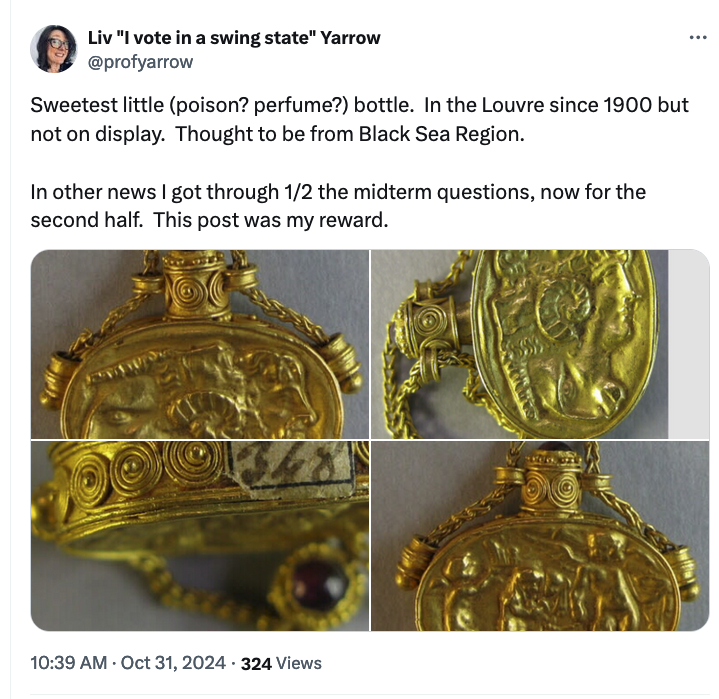
Louvre link

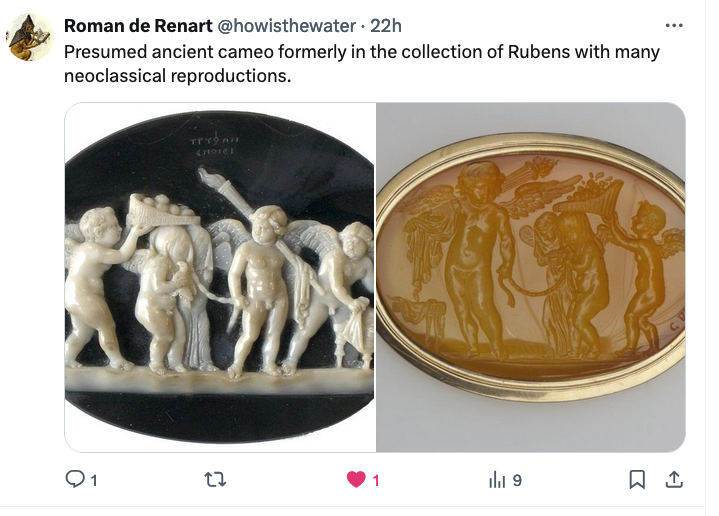
Yesterday was grading (today as well). I posted this to Twitter while giving myself a micro-break with a museum database to refresh my soul.

In response an anonymous post shared this.

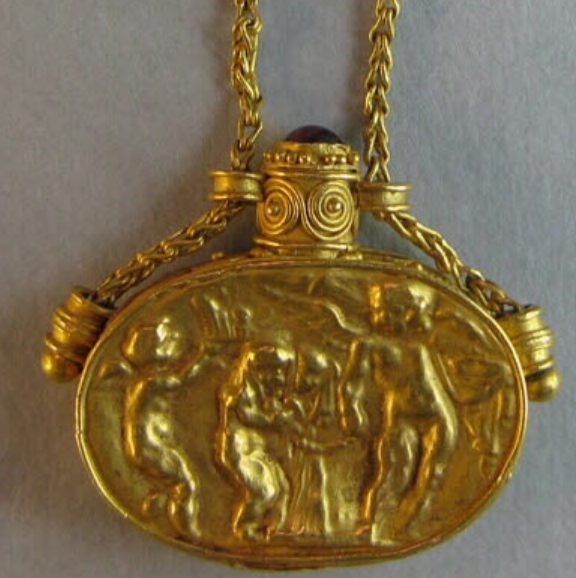
The parallel between the nineteenth century intaglio and this gold piece is … concerning. The Cameo is in the Boston MFA (Beazley link with many other imitations illustrated).

I would have questioned the antiquity of the cameo too but after consulting with more learned friends I’m now convinced that its 16th century provenance (said to be discovered at Sentium before 1572, sold at Venice, and in the Howard collection, and known to Stosch) makes it almost certainly ancient.

Looking briefly at Cupid and Psyche iconography I can find no great ancient parallels (YET!) and no I haven’t been through LIMC plates yet.

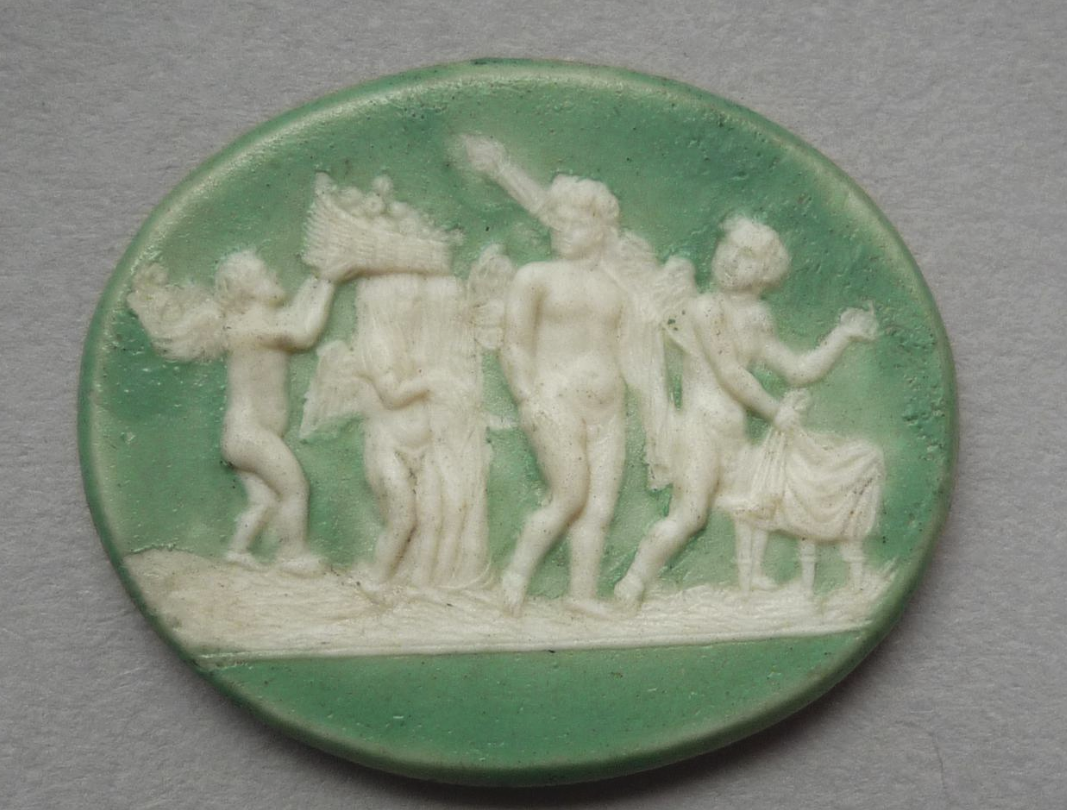
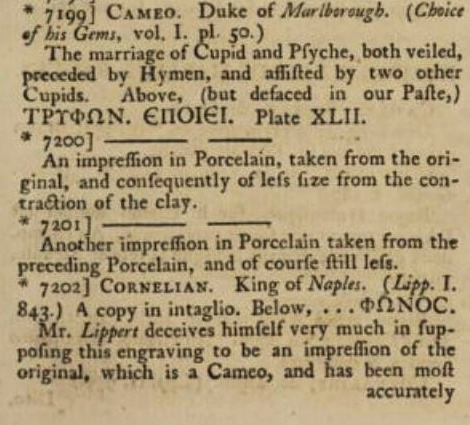
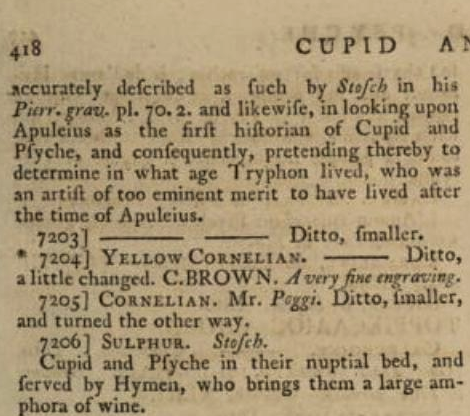
But my finds of unknown date include these parallels:

and this lovely Wedgwood glass paste (BM)

Ok. I hope this post is enough to restore my focus to more pressing tasks.

From RASPE

See in future: