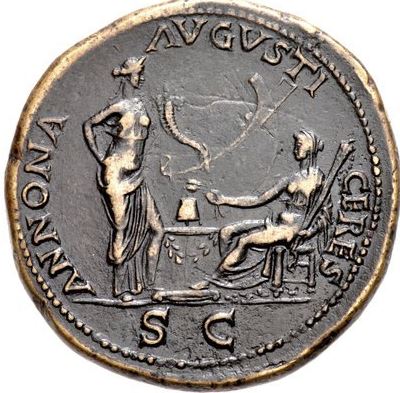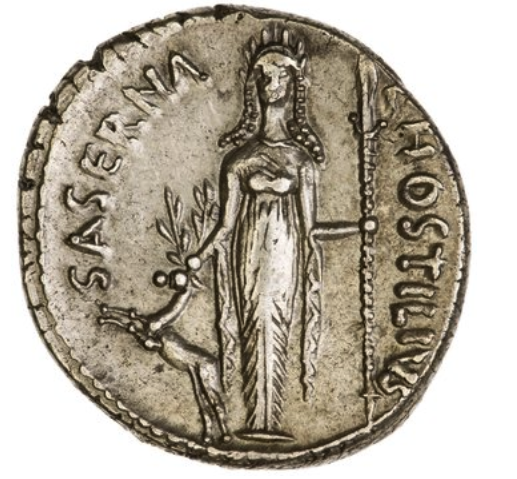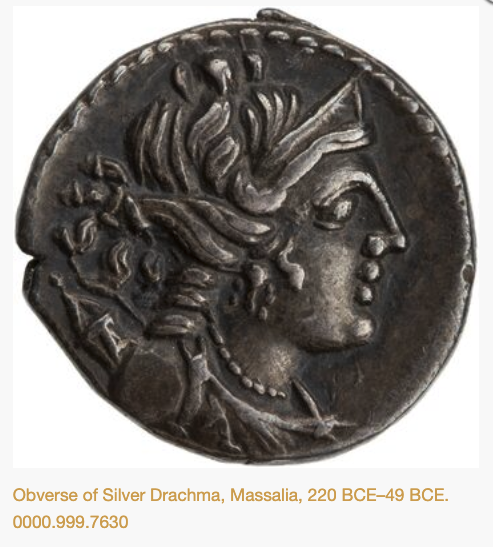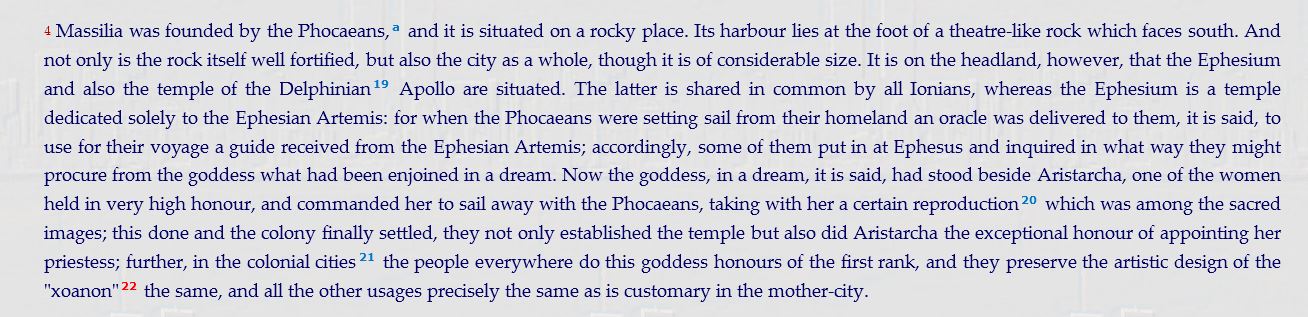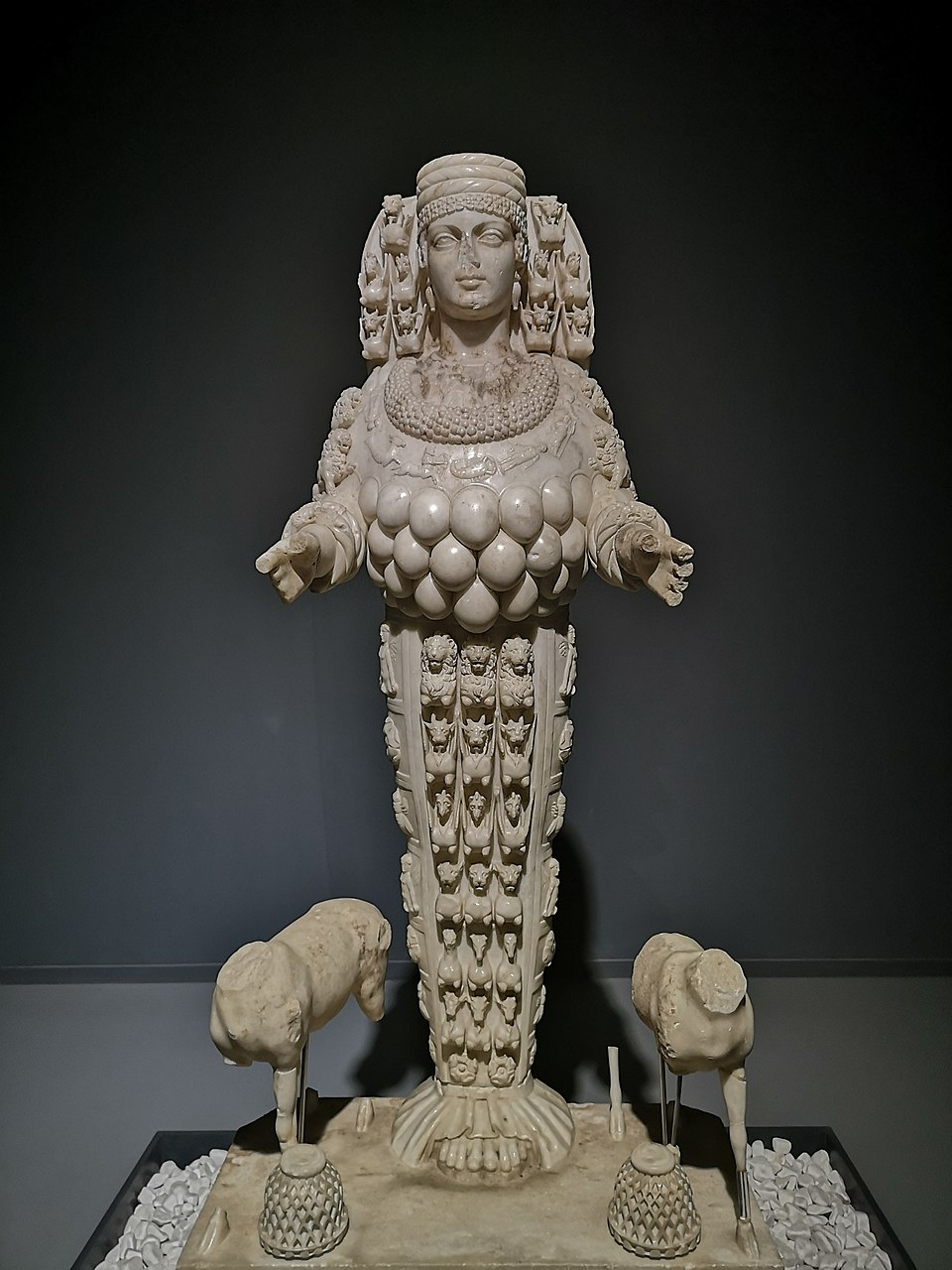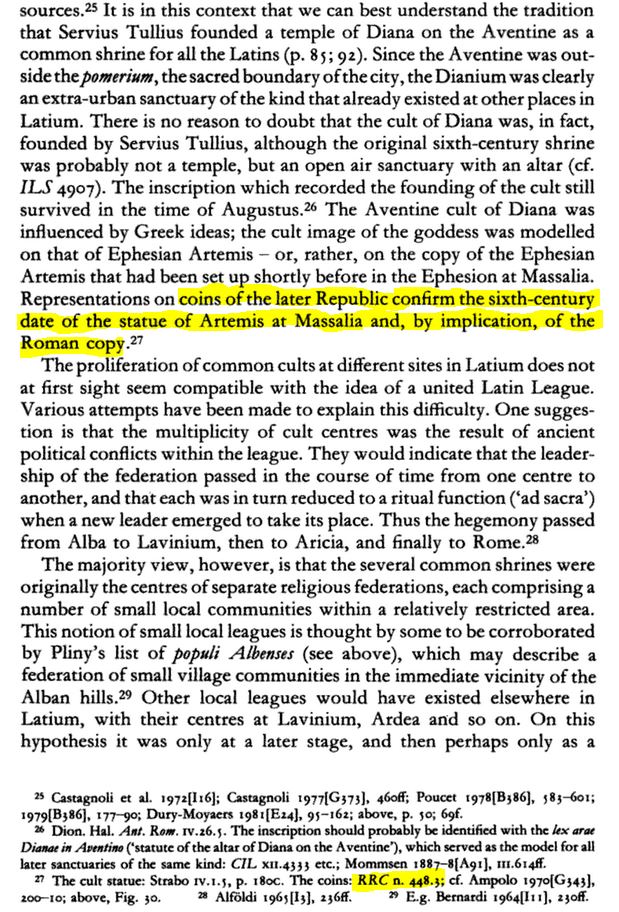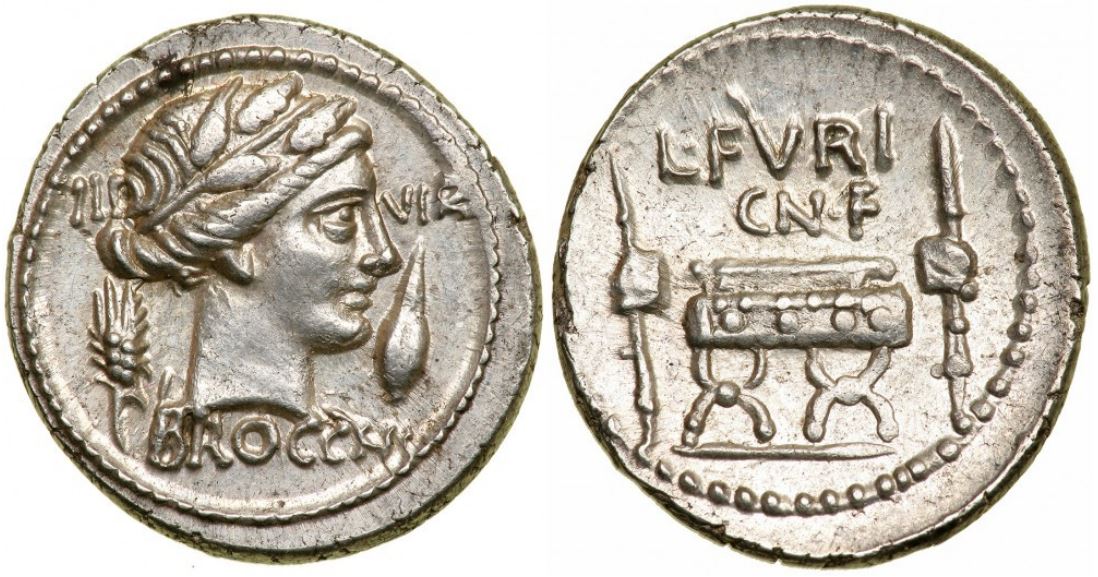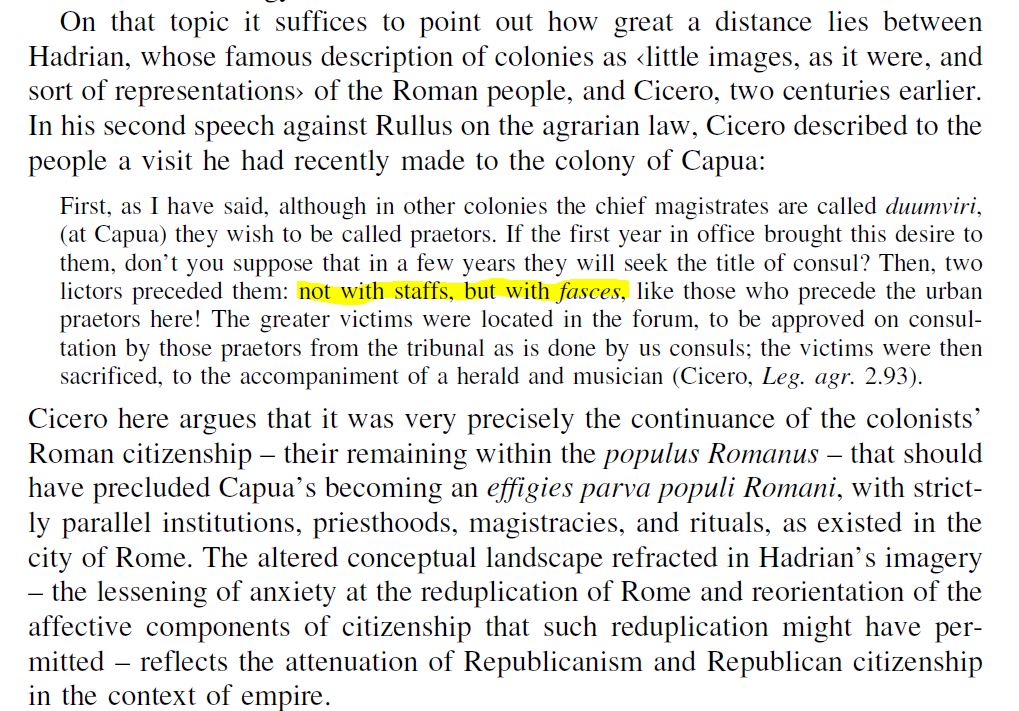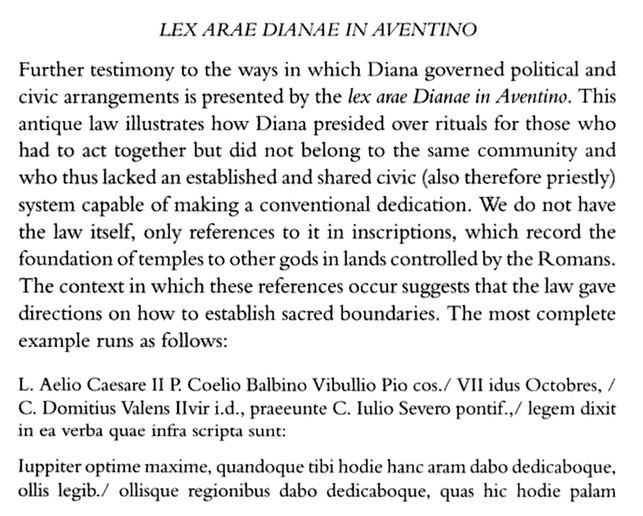
Personifications especially of cities become a major part of numismatic iconography. At some point I want to return to this detailed treatment of the subject from a literary perspective focusing on Republican texts.
Author: Liv Yarrow
Do Orators Make Up History? Poetry?


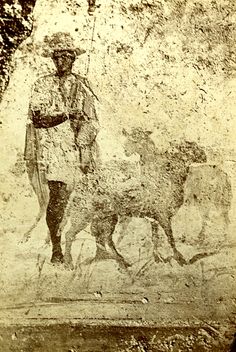
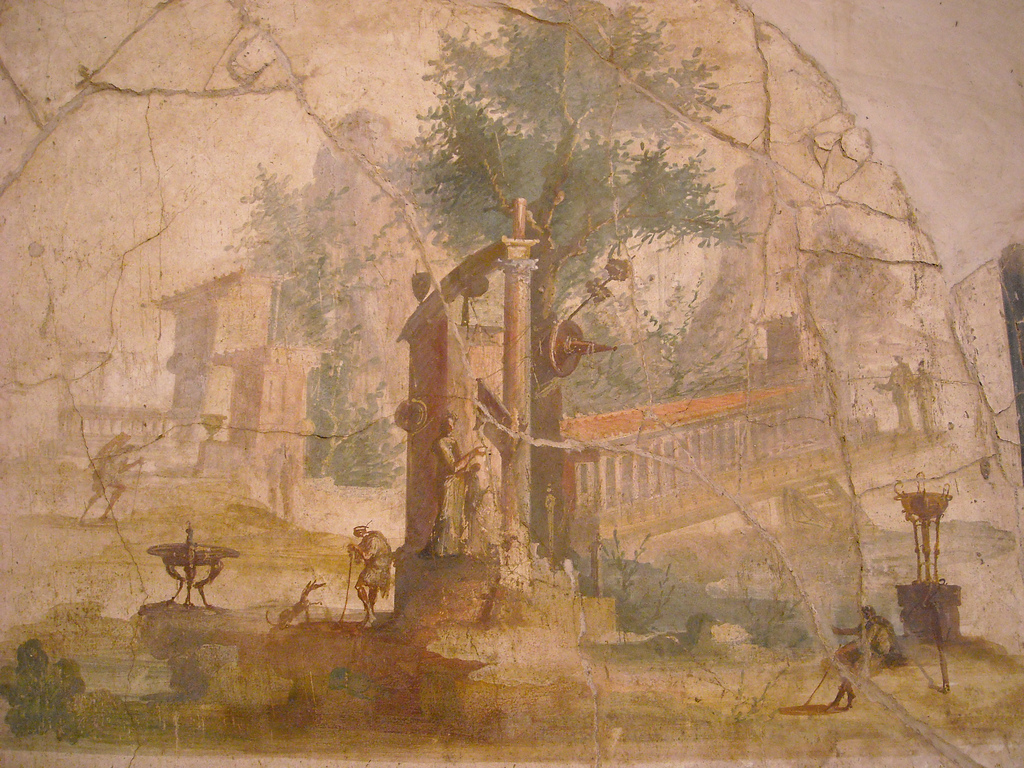
This portion of the ad Herrenium (a rhetorical handbook and one of our early substantial Latin prose works, pre dating the Ciceronian corpus) is often quoted in books about Memory. Not so much by historians of the republic. One of the most read authors on Memory, Yates, speculates that the scene may have been witnessed by the author either in real life or on the stage.
I’m of the opinion that this would be a very poor teaching example if both the verse and the imagery were not likely to be familiar to the intended audience. This is not about the author’s personal experience, but about how oratorical preparation should be done. Elsewhere, the author certainly picks known images.
I suspect the story come from the narration of how plebeians or Romans more generally in some specific context won the right not to be flogged. This right was a very slow evolution over centuries and an extension of the rights of provocatio and made on the analogy to protections from summary execution. Oakley gives a good concise summary of the evidence:


Here’s the coin (RRC 301/1) under discussion:

As an aside Brennan thinks the Marcii Reges were patrician (p. 901):

This translation of a fragment of a Cato’s against Thermus’s Triumph is from an essay by Sciarrino (p.58):

This is a translation of the only surviving fragment from Cato’s speech on King Attalus and the tributes of Asia (Image links to source):
A Roman View of Polygamy
6 Even before that Bocchus had married a daughter of Jugurtha, but such a tie is not considered very binding among the Numidians and Mauri, since each of them has as many wives as his means permit — some ten, others more, and kings a still greater number. 7 Thus their affection is distributed among a large number; none of the wives is regarded as a consort, but all are equally misprised.
Interesting in light of how important political connections through marriage were in the late republic, esp. Pompey’s marriage to Julia.
A Sacrificial Knife from Narona
This is from Arthur Evan’s 1883 publication of his time in Illyria (Illyricum). This plate comes between p.44-45.


We can compare the shape of the ritual knives (culter?) found at Aufidena:
Similar shaped sacrificial knives are reported in ritual deposits at Bolsena in the 1906 report:
(Metaphoric?) Slavery and the London Corresponding Society
I am at a quandary how to read this token type and its later legacy. I think its ambiguity may be intentional.

The Legends Read:
“United for the Reform of Parliament 1795”
“May Slavery and Oppression Cease Throughout the World”
And (not visible in the image above) around the edge: “An Asylum for the Oppress’d of all Nations”
This token is a rarer variety of this more common issue without the clasped hands:

The figure on the left is older as indicated by his beard he shows a three youth how easy it is to break a single twig with his bare hands, while bundle of sticks at their feet could not thus be broken (fasces imagery?!). The composition (but not the metaphor?) is inspired by a Roman seal ring type:

I became interested in the London Corresponding Society for the actions of 29 June 1795, particularly the use of stamped biscuits with slogans as a means for disseminating their message:
On the biscuits targeted at the masses gathered at the protest, slavery is metaphorical, not literally an abolitionist message. As an interesting aside I think it likely that it was this character, Adam Steinmetz of Limehouse, who was on trial with other members of the Society in October who likely produced said biscuits:

Does this mean that slavery was always metaphoric when used in the rhetoric of the society? Not so:
In short it was advantageous in many ways to the cause of parliamentary reform to link themselves with the abolitionist movement and there was a significant overlap between the two groups. However, the parliamentary reform movement, held just that, better democracy in British government, to be the highest end goal, not the abolition of slavery, which would be only a reflection of the enactment of democracy.
Why does this matter? Because at the same time, perhaps in the same work shop, were being made abolitionist tokens such as these:

Reducing the Scale of an Original Design
A nice illustration of the Pantograph technique:

Reception of the Social War coinage

Napoleon certain cultivated an Augustan image on his numismatic portraiture, but I think the designer of this type had been strongly influence by coins of the Marsic Confederation struck during the rebellion of Italy against Rome.

Here’s one more Napoleonic Specimen with a slightly different obverse.

Legionary Eagle, Not Crow
On this type, CRRO 509, The identification of the bird as a totemic of Juno Sospita and thus a crow based on literary sources has been widely accepted (see scholarship snippets below; snippets link to originals). I disagree. The bird is not perched on the goddess’ shoulder but atop her shield. Below her shield the terminus end of a rod may be seen. The bird would appear to any contemporary viewer during the Roman civil wars as legionary eagle, part of the standards of any legion:
In fact legionary eagles and standards are particularly popular as coin types during times of civil war and particularly for campaign coinages. The types were first developed in 82/81 BCE and revitalized and further developed post 49 BCE. It’s presence is explained on this coin by the moneyer’s claim to be an Imperator.
A bit of scholarship on the whole crow thing:
Further note to self: When discussing this series in future be sure to comment on the African Obverses Juxtaposed against the Italic Reverses.
Another Falcata?

In a previous post, I claimed there were only two falcata’s represented on the republican coin series. I’m not positive of about this identification here, but I will say that I think it highly likely that the representation of two different sword types on the trophy is intended to identify for the viewer what ethnicity has been defeated.
The Gaze of the Captive

I’ve started to wonder if anyone has written anything on the representation of the captive’s gaze in Roman Art. Usually prisoners of war are shown mourning their own fate like the woman to the left of the trophy, but on occasion the prisoner is shown contemplating the symbols of the Roman victory. A powerful construction of the audience of the spectacle and the spectacle as a means of making imperium manifest. Must check Ida’s work…