
Listening to Jean Turfa talk about the logics of Etruscan observations of natural phenomenon. Fascinating stuff. She’s been drawing parallels with much earlier middle eastern texts and practices. One tantalizing example was a Faliscan vessel (perhaps from a Celle tomb, but J. Tabolli suggests perhaps another site) with a horse motif (typical) but where the equid has the teeth of a predator. The object is now in the Penn museum along with extensive archaeological archives and finds. In Middle Eastern tests an anomaly such as this was interpreted as a positive omen predicting the strength of the prince or king. {Wishing I’d photographed that slide}
She emphasizes that certain observations may have been based on really predictive qualities. Flukes attack sheep livers where the Picenza Liver marks the underworld gods. These same parasites then about 3 months later wreck havoc on the human population. The Brontoscopic calendar in February may note the connection between the cycle of mumps in the human community and a disease that fatally strikes birds at the same time. And, she suggests this belt may show Haley’s Comet from 695BCE.
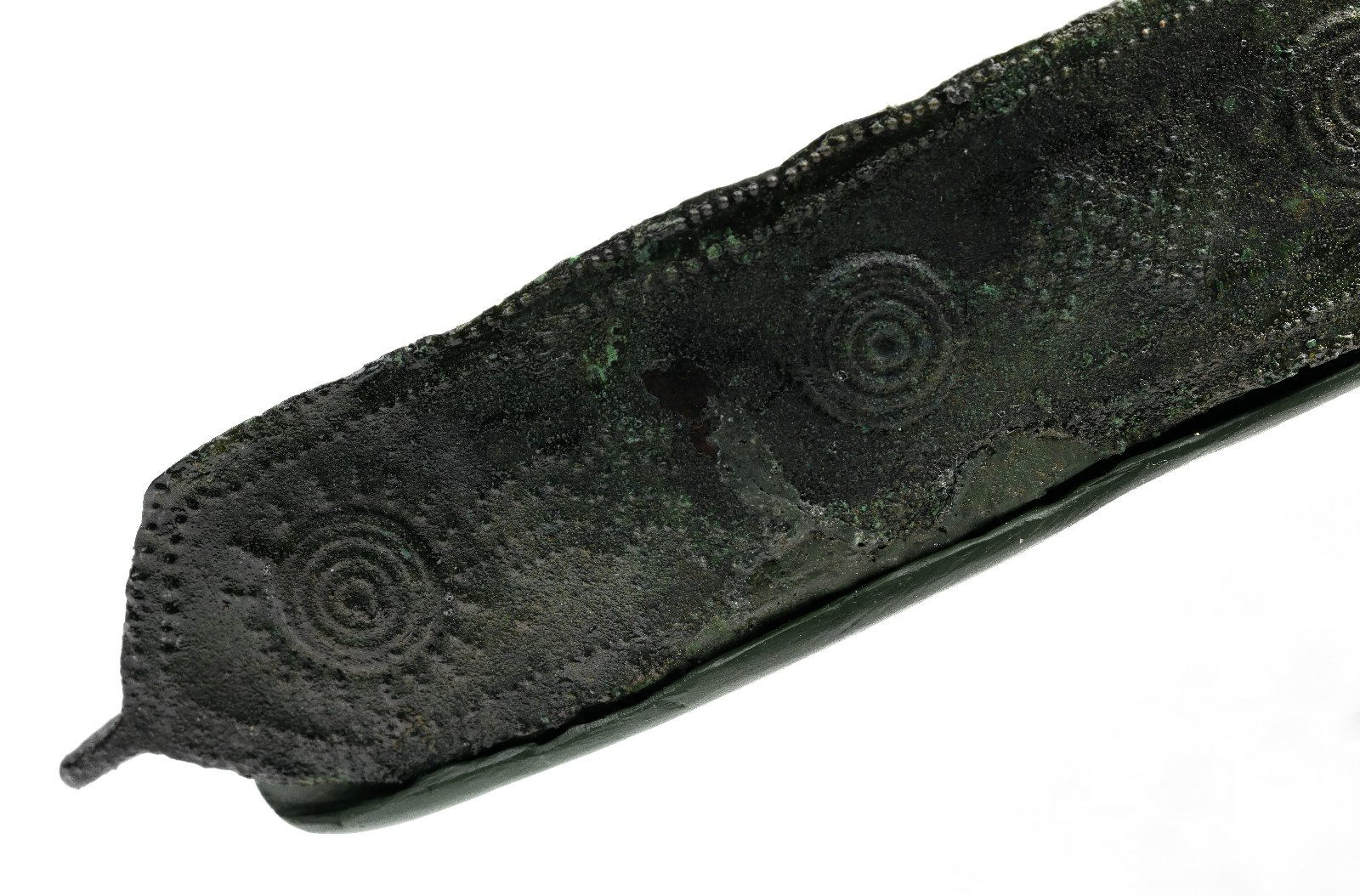
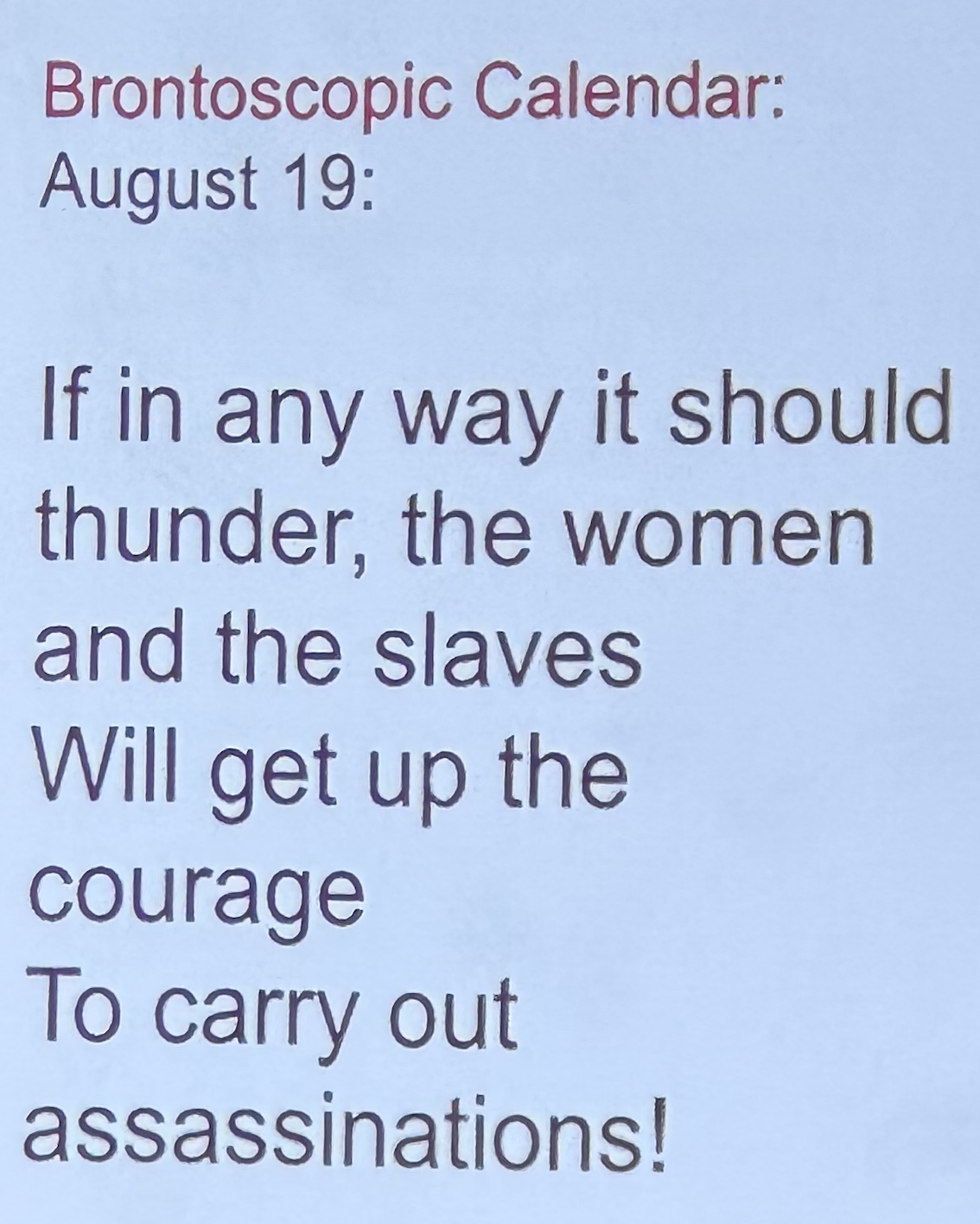
On a lighter note she observed the Bronoscopic calendar has thunder on March 12 predicting the downfall of a great leader and speculated a connection the ides of march! Did the assassins choose the date as propitious for their plans? But hands down this was my favorite calendar extract she shared:
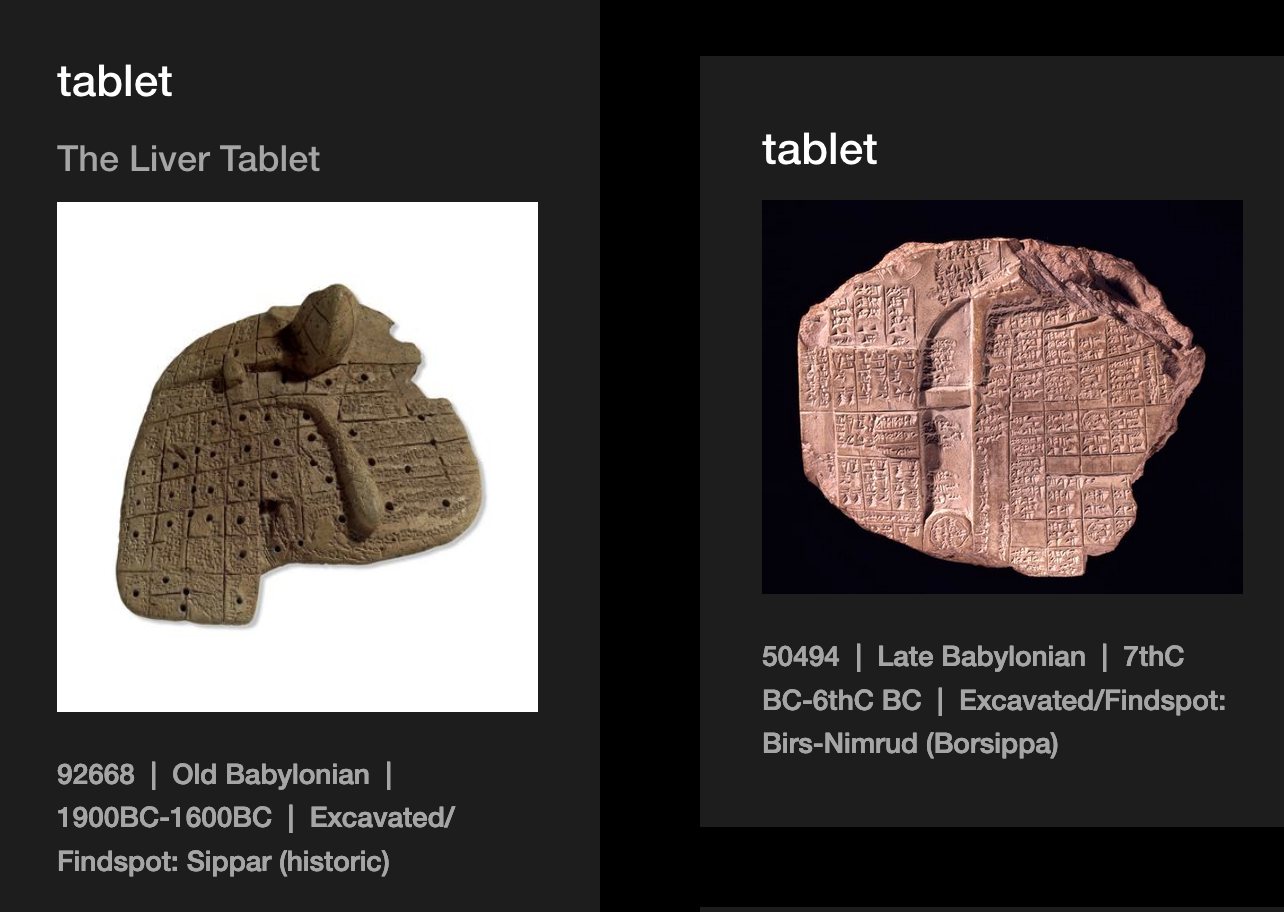
Similar calendars like the Enuma Anu Enil exist in our survivng cuniform tablets.
and TIL that there are models of livers with cuniform texts on them!
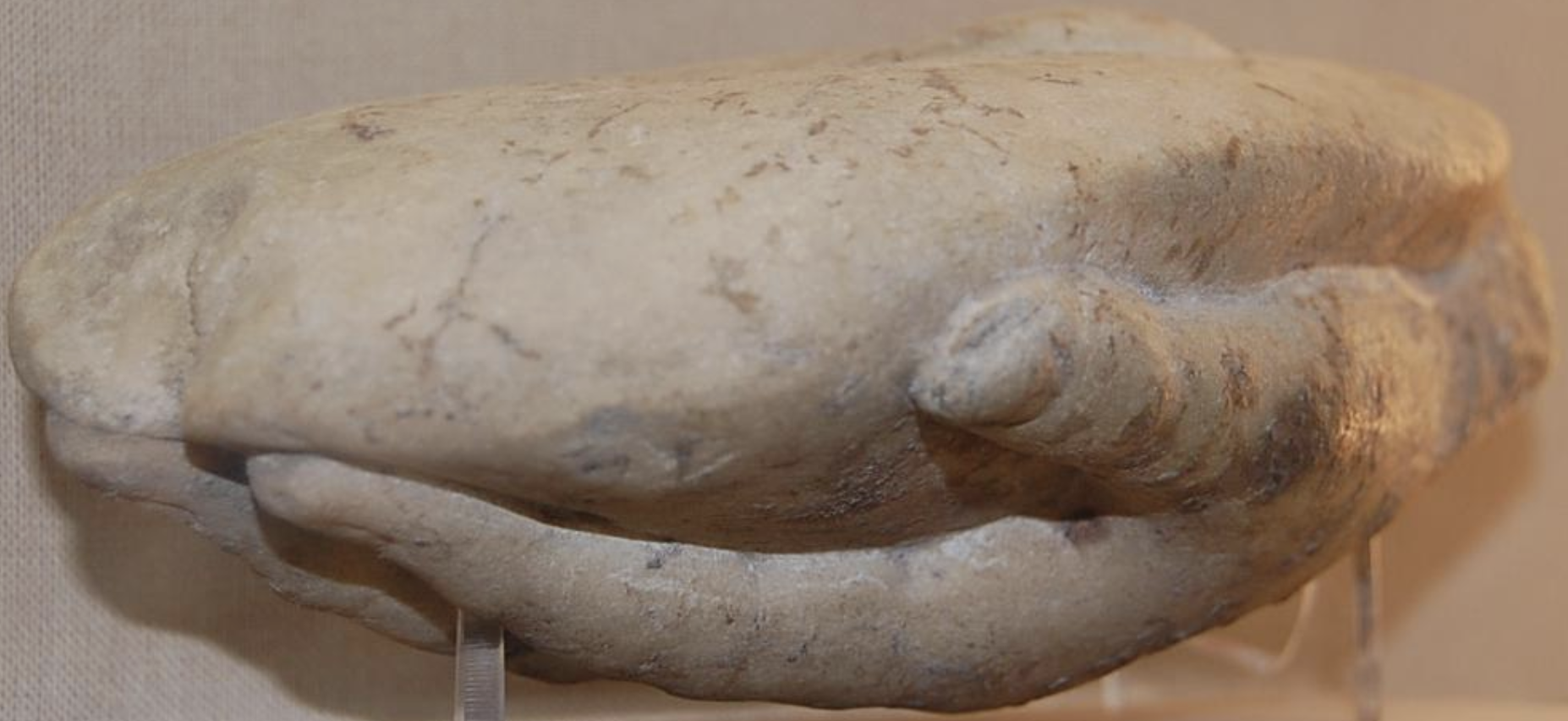
searching for these also led me to this fabulous statue fragment of a hand holding a liver:
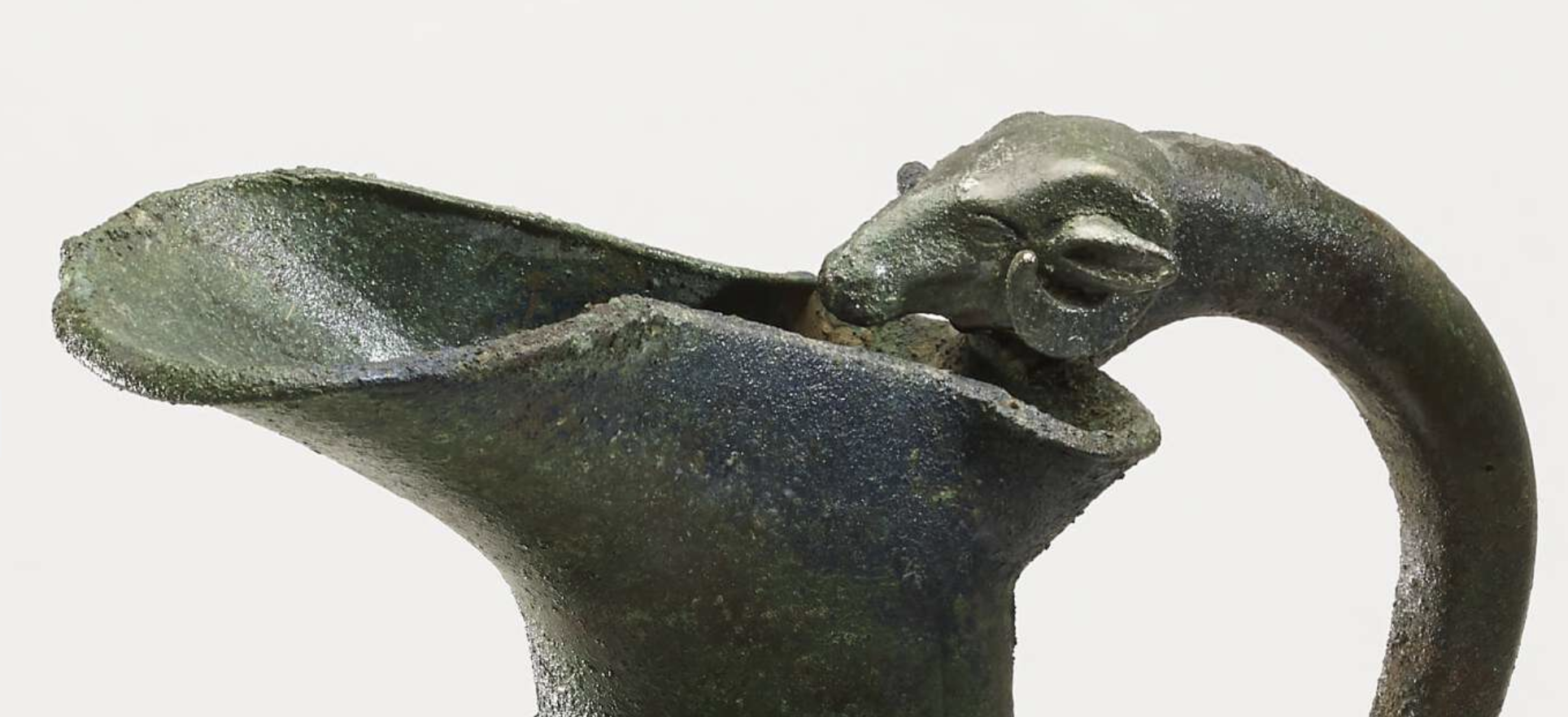
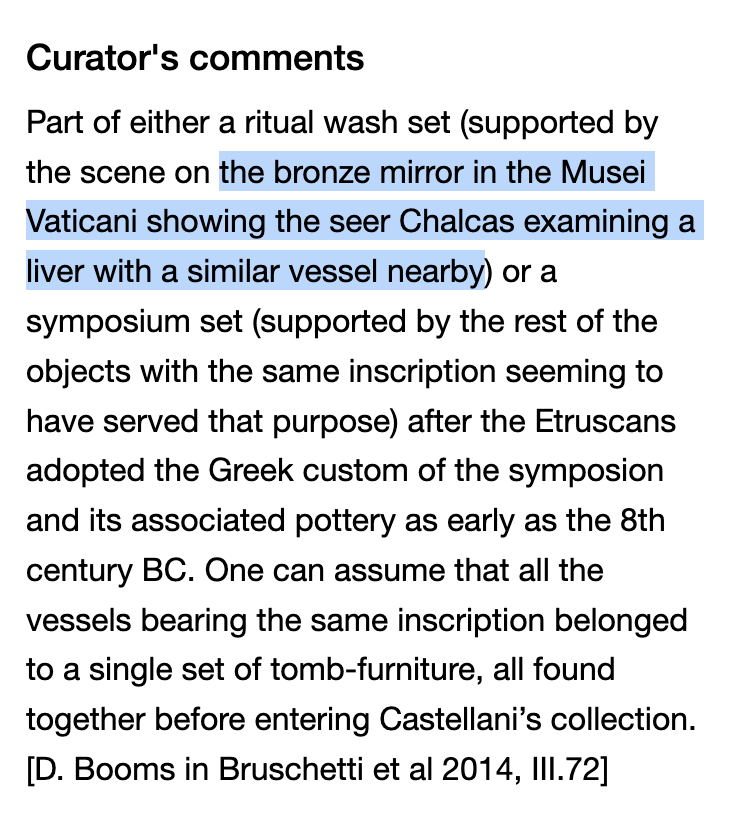
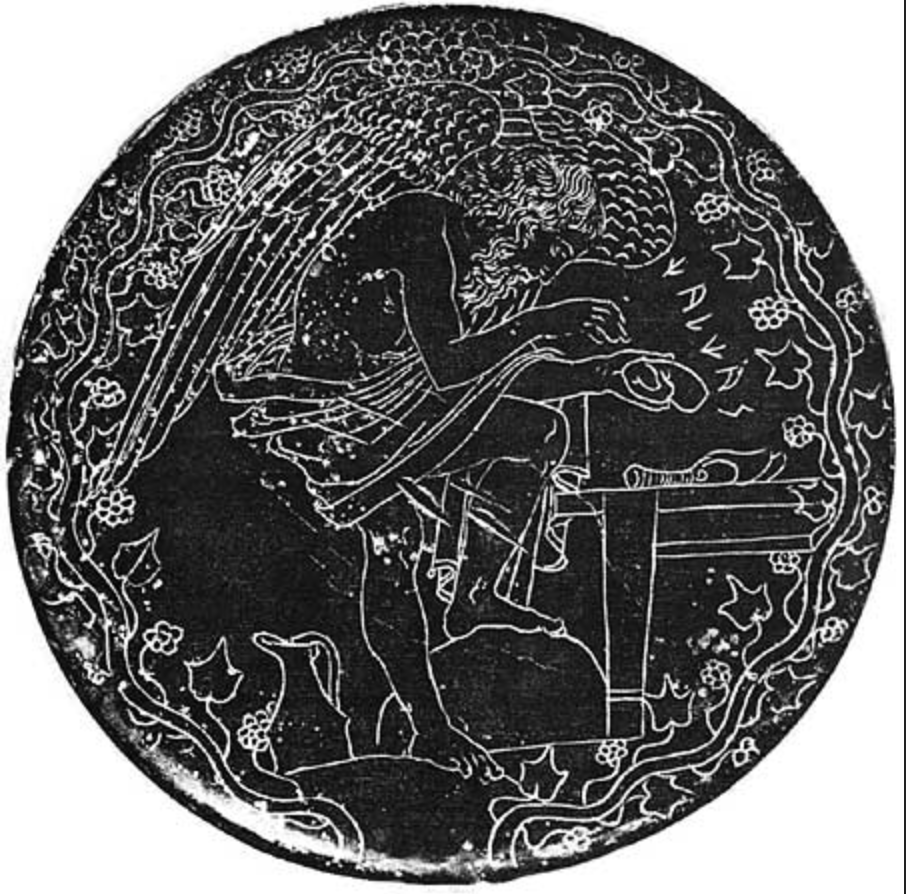
I also particularly like this sheep detail and the curator’s note on this pitcher.
Now a paper on San Casciano dei Bagni by Mattia Bischeri!! This was so rich and fast and I can barely hold it all in my head.
In the Tiberian age when the pool underwent a major monumentalize the earlier votives were closed in with not only a major deposit of roof tiles but also ritual objects of a fulmen (bronze) and knapped flint (slide photographed)
Latin divinity name: Fons Caldus Etruscan divinity name: Flere Havens; Bilingual inscription
Post Tiberian 9,000 coins, all fresh from the mint (slide photographed with summary of dates) BUT as yet no aes grave or aes rude, but excavation ongoing and may yet emerge.
ex votos showing boys engaged in divination, birds, ball – connected to other similar representations through out Etruria (slide with summary photographed)
new from 2024 campaign ,an orphic statue with orphic tablet, connected to orphic representations on mirrors [other new finds, I snapped a few images–all still under investigation]
two bronze votive anatomical plaque of internal organs, not just one. Slightly different but both deeply
psychoimmunotherapy (sp?) – discussion of anthropological view of medical practices, rituals heal the mental/social origins/effects of disease
WEIGHTS of statues corresponding to bronze monetary system!!! 3-1st cent BCE. Inscriptions even discuss weight [see slide photo]. Coins replace statues as monetary gift to divinity in the post Tiberian period.
HEIGHTS correspond to height mentioned in Pliny as appropriate for statues in the forum!!
Points out how icongraphy in christian art derives from the typology seen in the statues. The open handed praying and. infant Jesus gestures and association with bird and ball.
I’ll try to come back and fill this in later with more…
we can see evidence of translating from different weight and measures
The following are a few items to remind me of Tina Bekkali-Poio.’s paper.
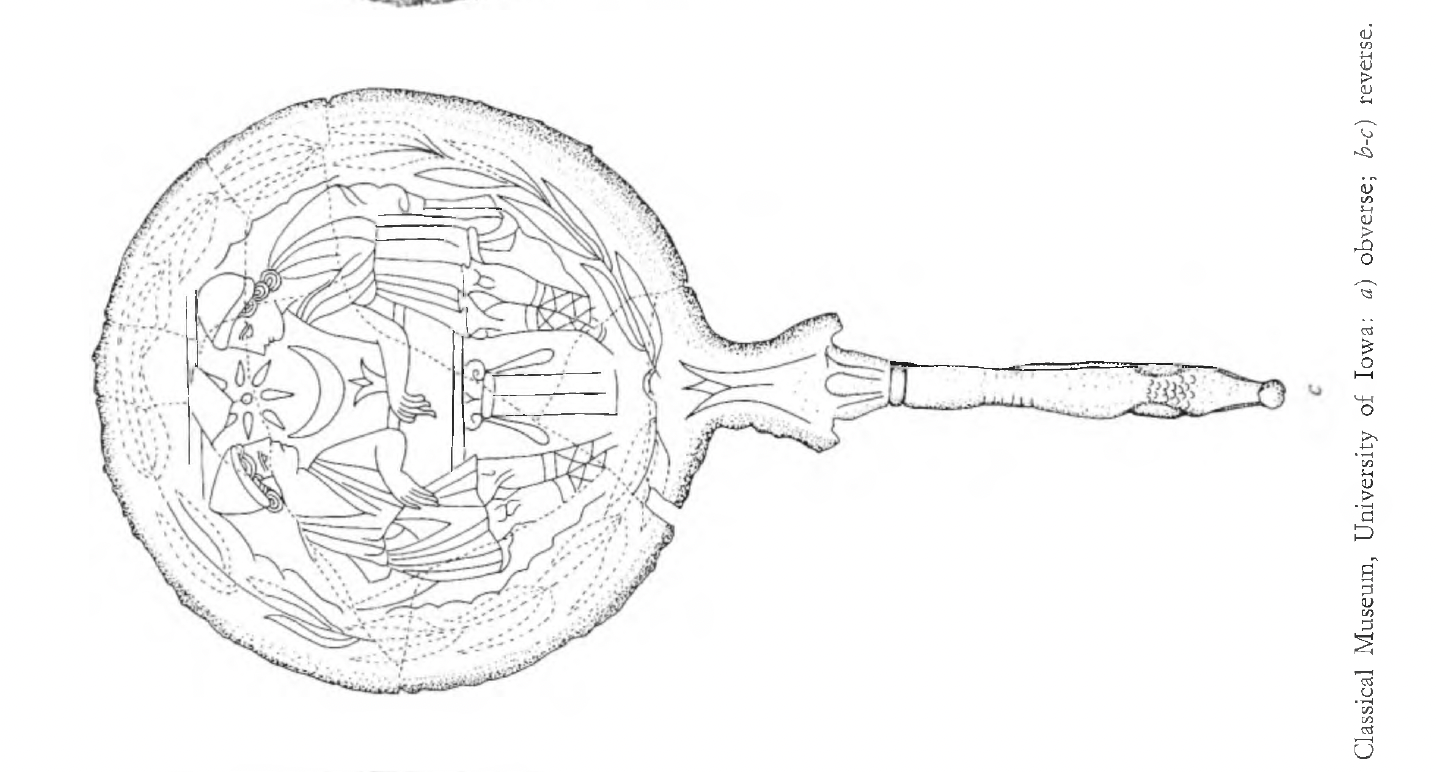

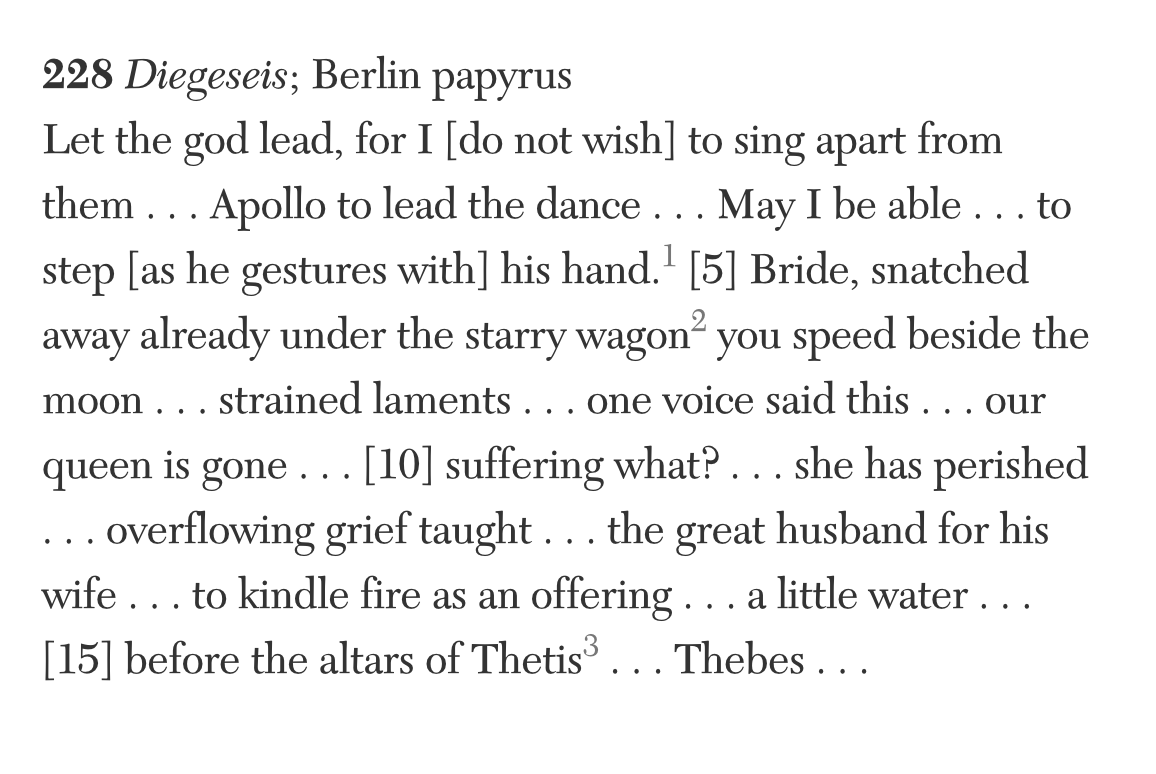
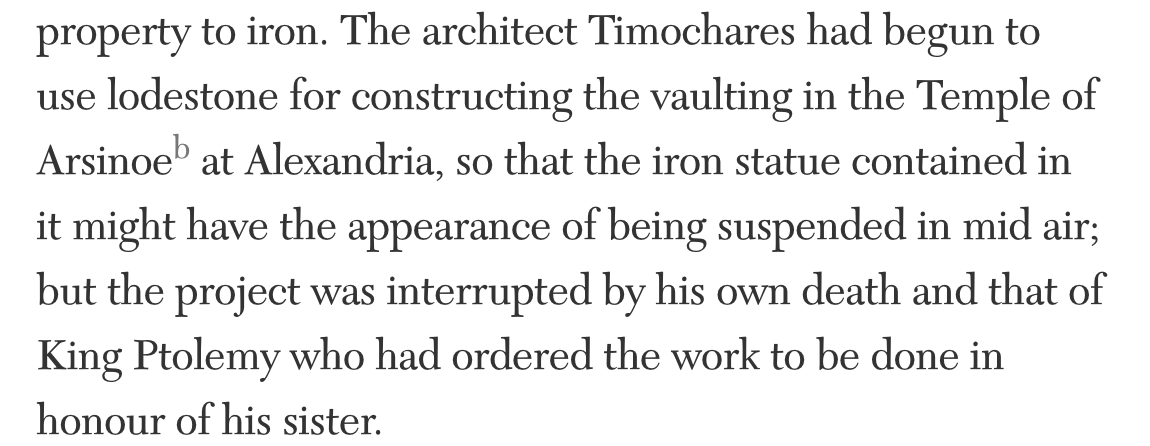

 Liv Mariah Yarrow
2 thoughts on “Divination, mostly Etruscan”