
Occupational Scenes
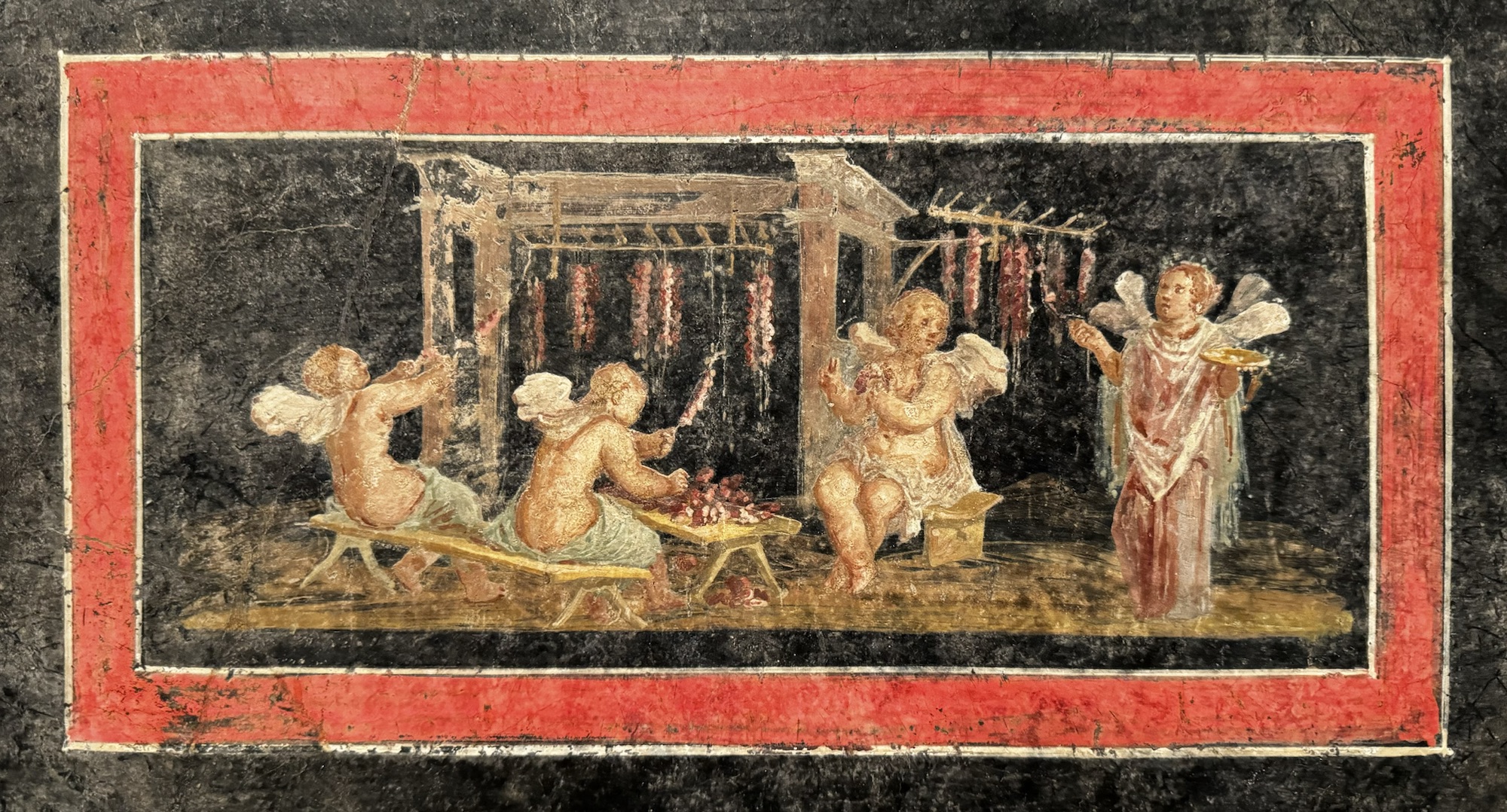
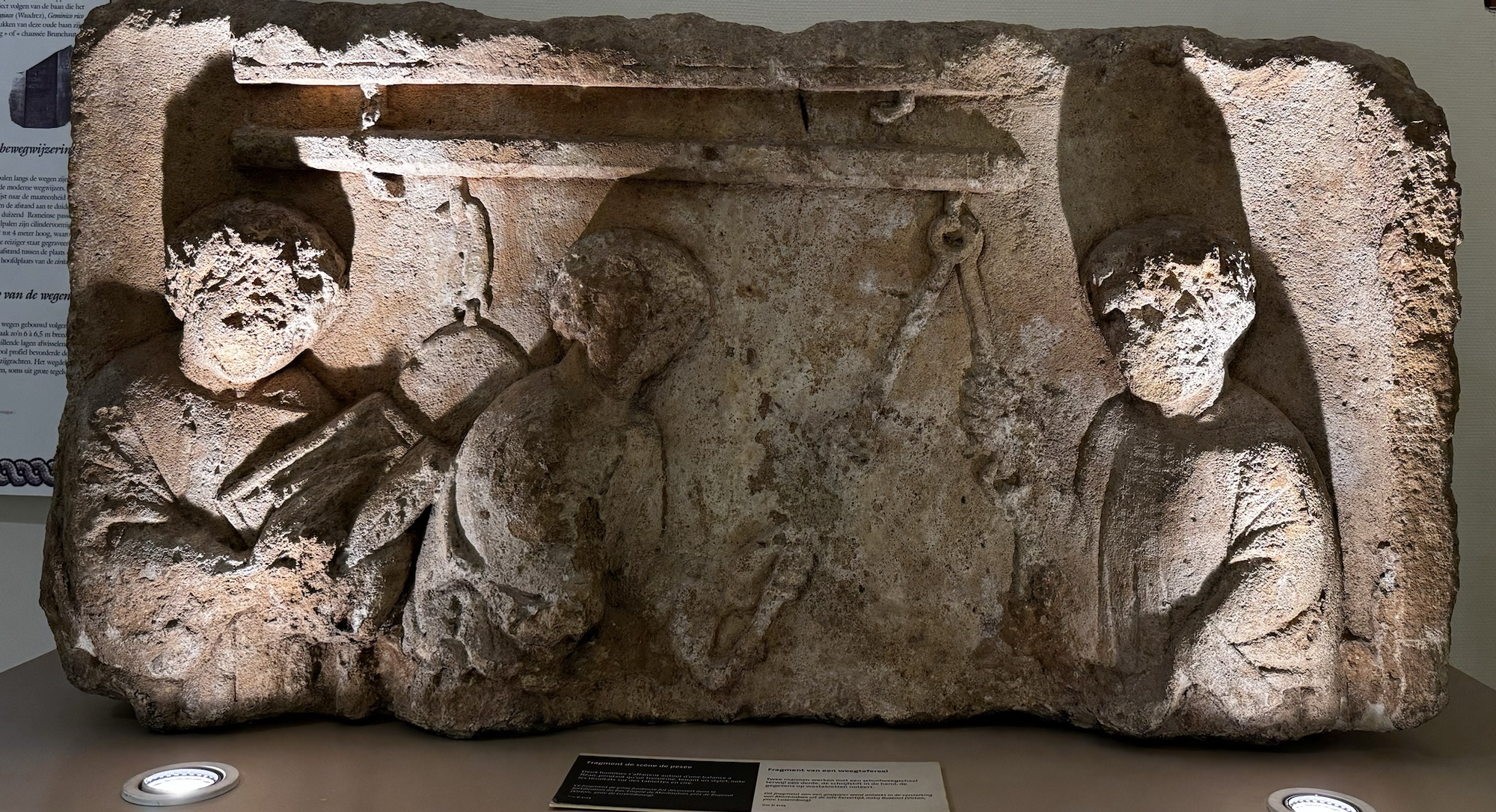
Two young men dress a fawn (not a calf!) (gut/butcher?). The wooden vessel on the ground is probably for offal. We find vessels on the floor of butcher shop illustrations. The silver vase with Pan heads seems decorative, but perhaps held watter. Why do such messy work in such nice clothes? Do the stripes on the tunics mean something? The catalogue says the far left object is a tray (I do see handles) and it is resting on a pillar, perhaps holding objects needed to prepare the meat or to carry the meat in side once dressed and ready for the kitchen. The scenes with Cupids show perfume making and garlend making in both cases a Psyche is the client/buyer of the goods. Is the overarching message: the mind must carefully select the fruits/labors/works of desire? The cupid occupations are both known from other frescoes. The panel picture and the limited number of figures are similar those from Herculaneum, but the color pattern and style is closer to the long continuous frieze of the more famous working cupids from the house of Vettii in Pompeii (perfume making; another perfume making scene; garland making). I struggle with all three frescos. Are they real? If so, where were they found? The funerary relief of the wool merchant L. Aelius Evangelos I have few doubts about authenticity, but do love the details of the craft. In a naughty fashion, I’ve put in two occupational reliefs from Brussels that probably should have gone in the previous post, but fit thematically better here. We have the famous ‘banker’ or ‘money-changer’ scene and also a relief of merchants weighing goods but the light was terrible for that one.




Portraits (Probably)
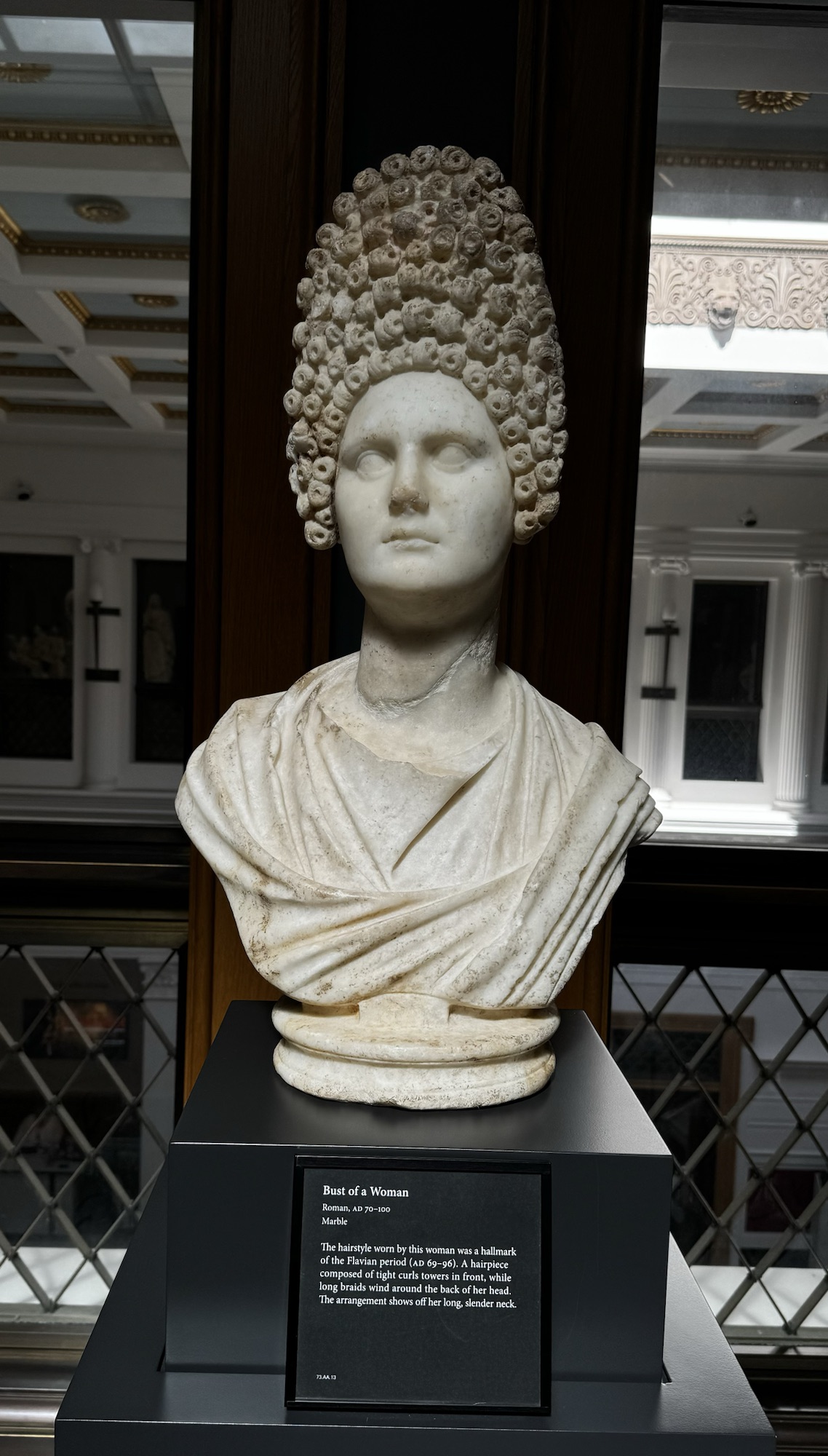
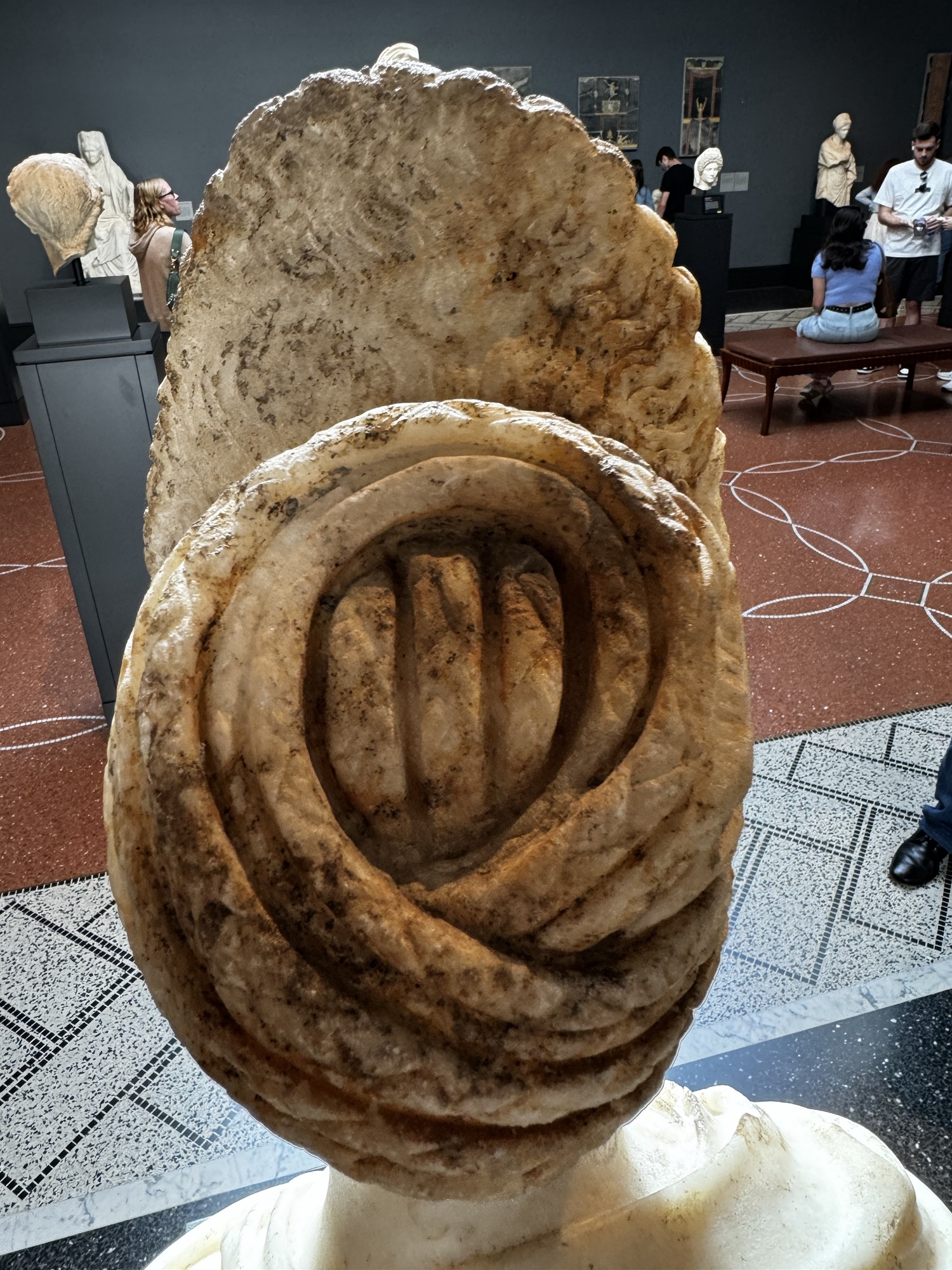
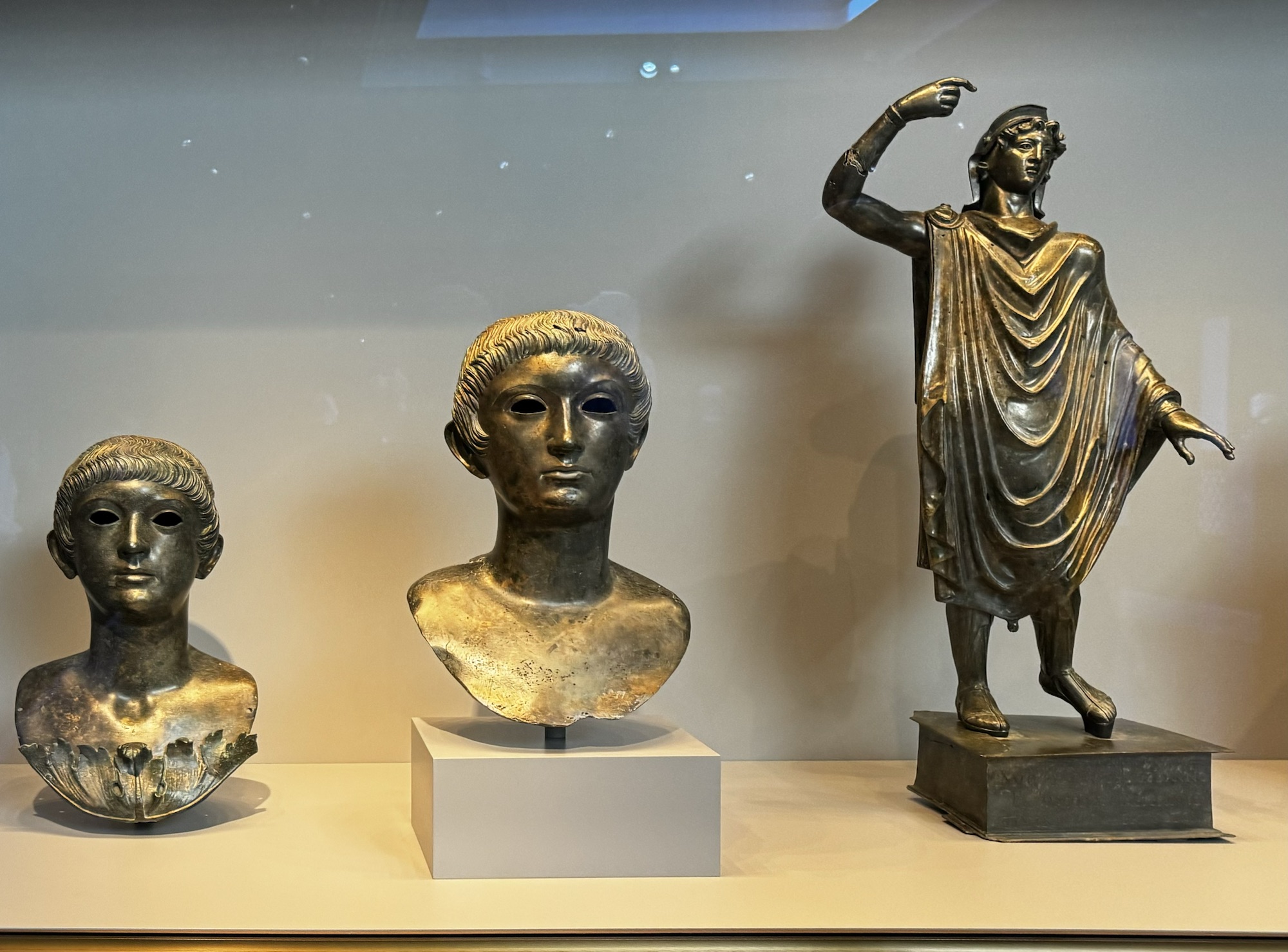
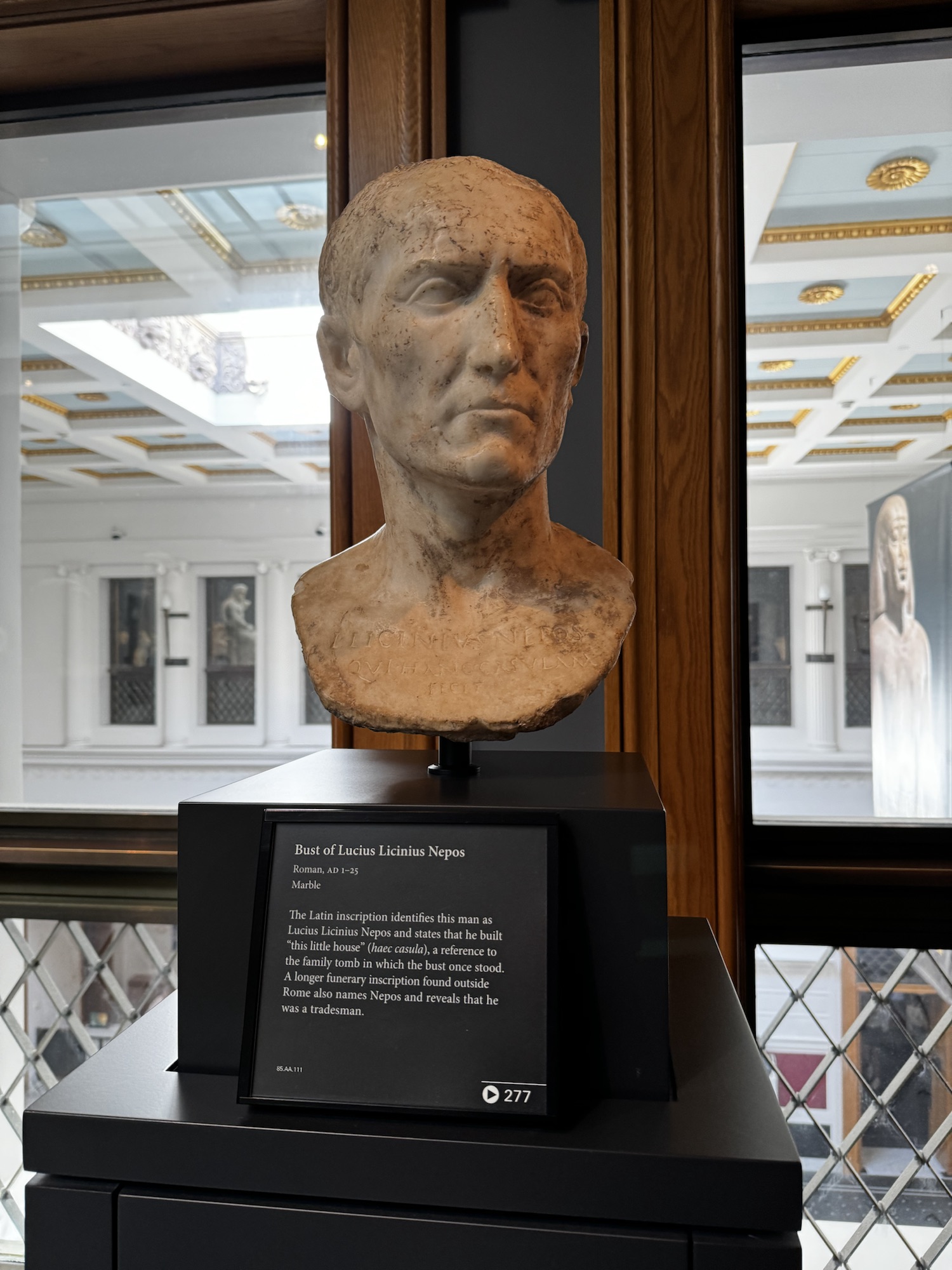
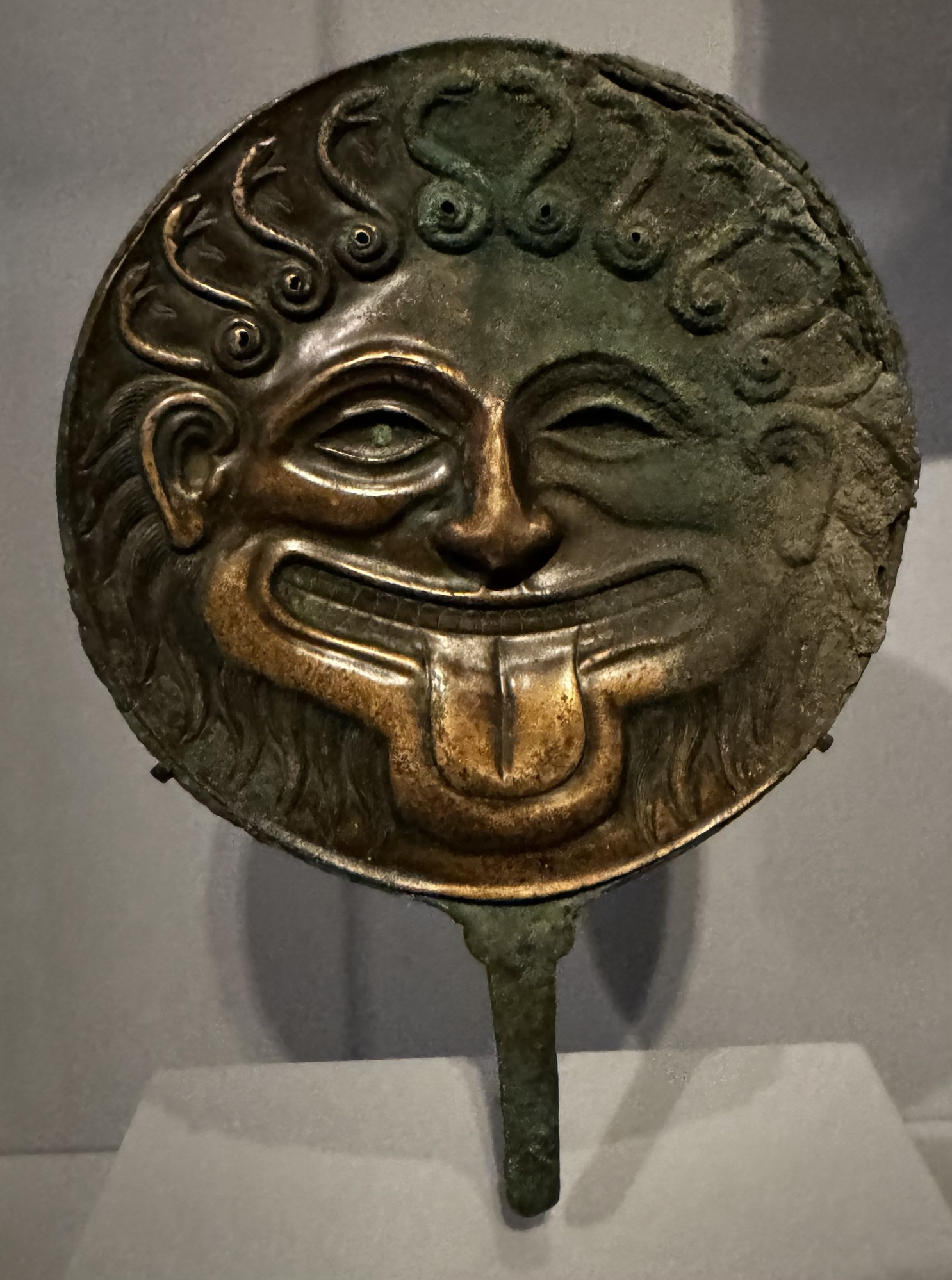
These are all facing I thought might be useful for teaching. I follow Elizabeth Marlowe in thinking the Capitoline ‘Flavian’ Woman is probably an early modern fantasy piece. The Hellenistic ‘not a king because no diadem’ portrait is good for showing verism beyond Rome. The Cybele looks a great deal to me like a portrait “in the guise of…”. The Etruscan bronze can be contextualized now with the San Casciano finds and and the life-size Gallo-Roman votive heads also have antecedents there (early posts). I really liked the special exhibition on the 26th Dynasty in Egypt (most objects on loan from BM). The faces help make clear that naturalism isn’t strictly Ptolemaic introduction in Egyptian portraiture. Other faces just diversify what I remember to show my students.


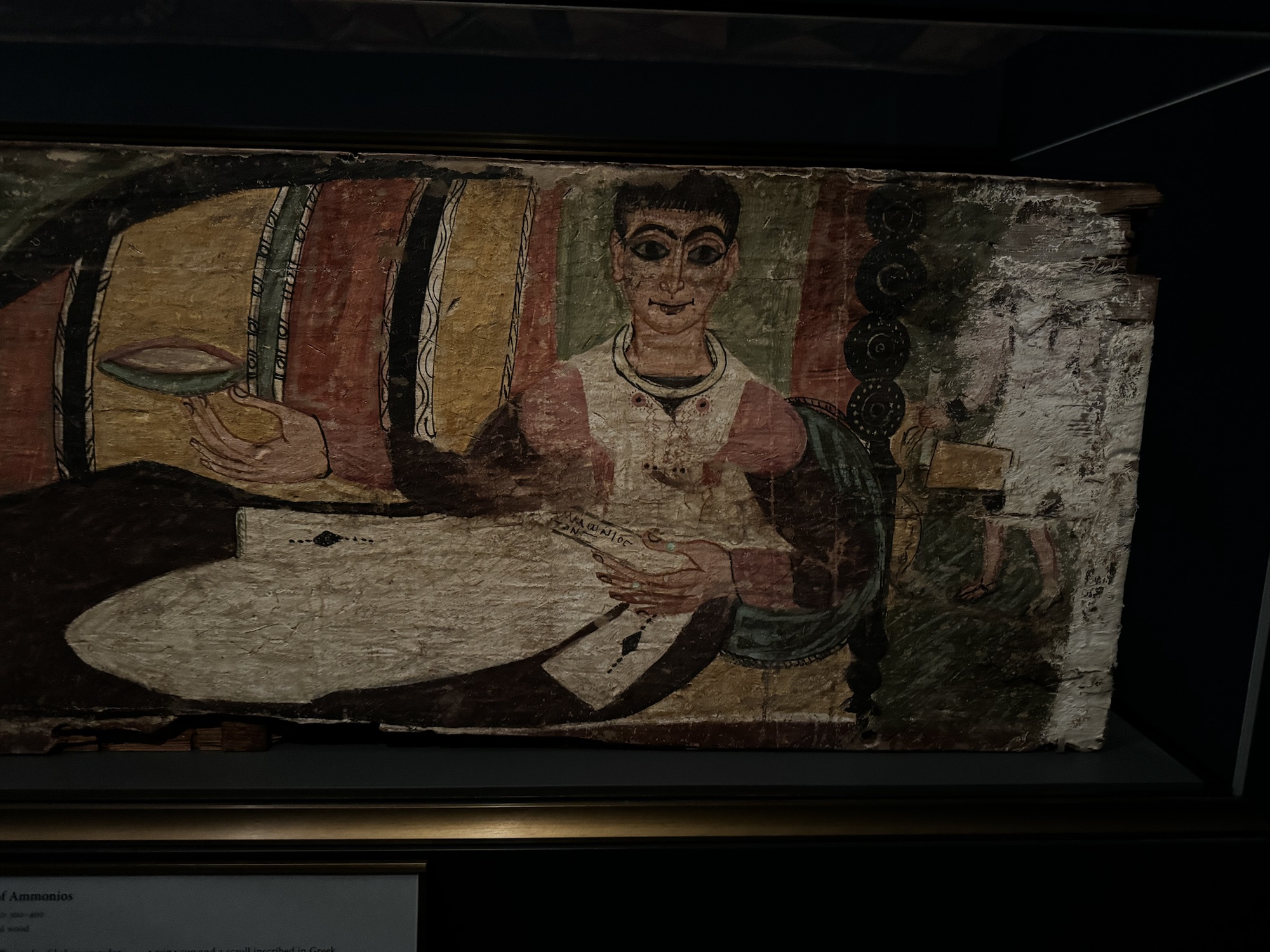
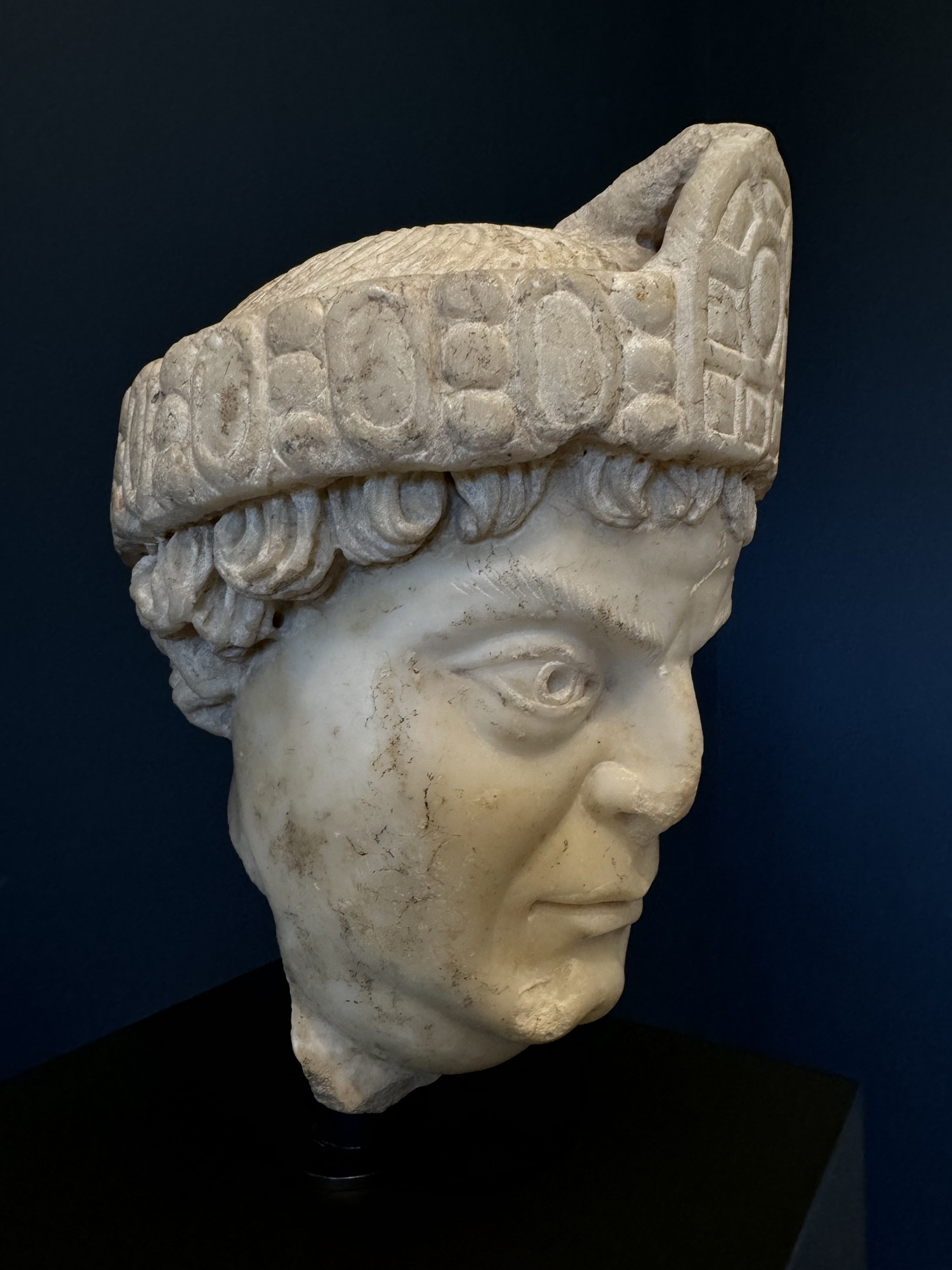

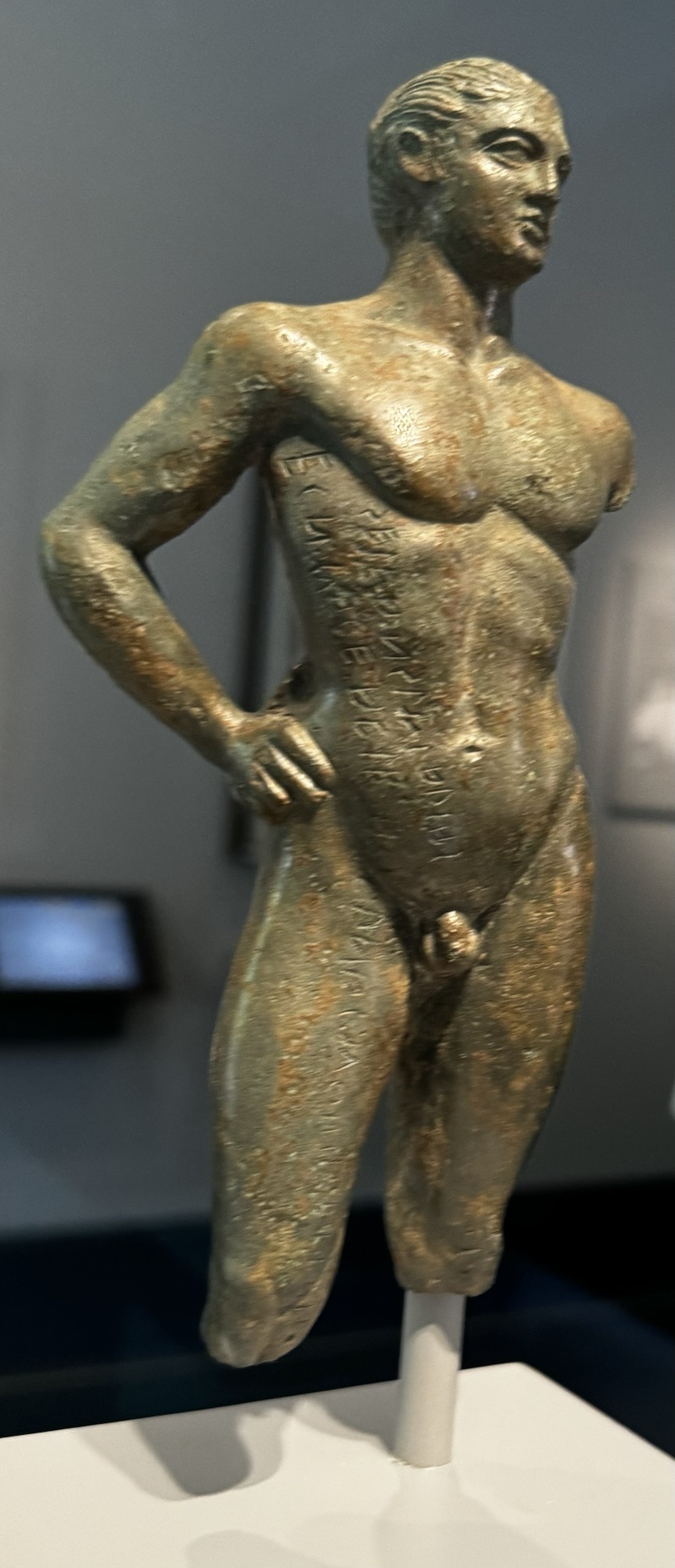


Arms and Armor
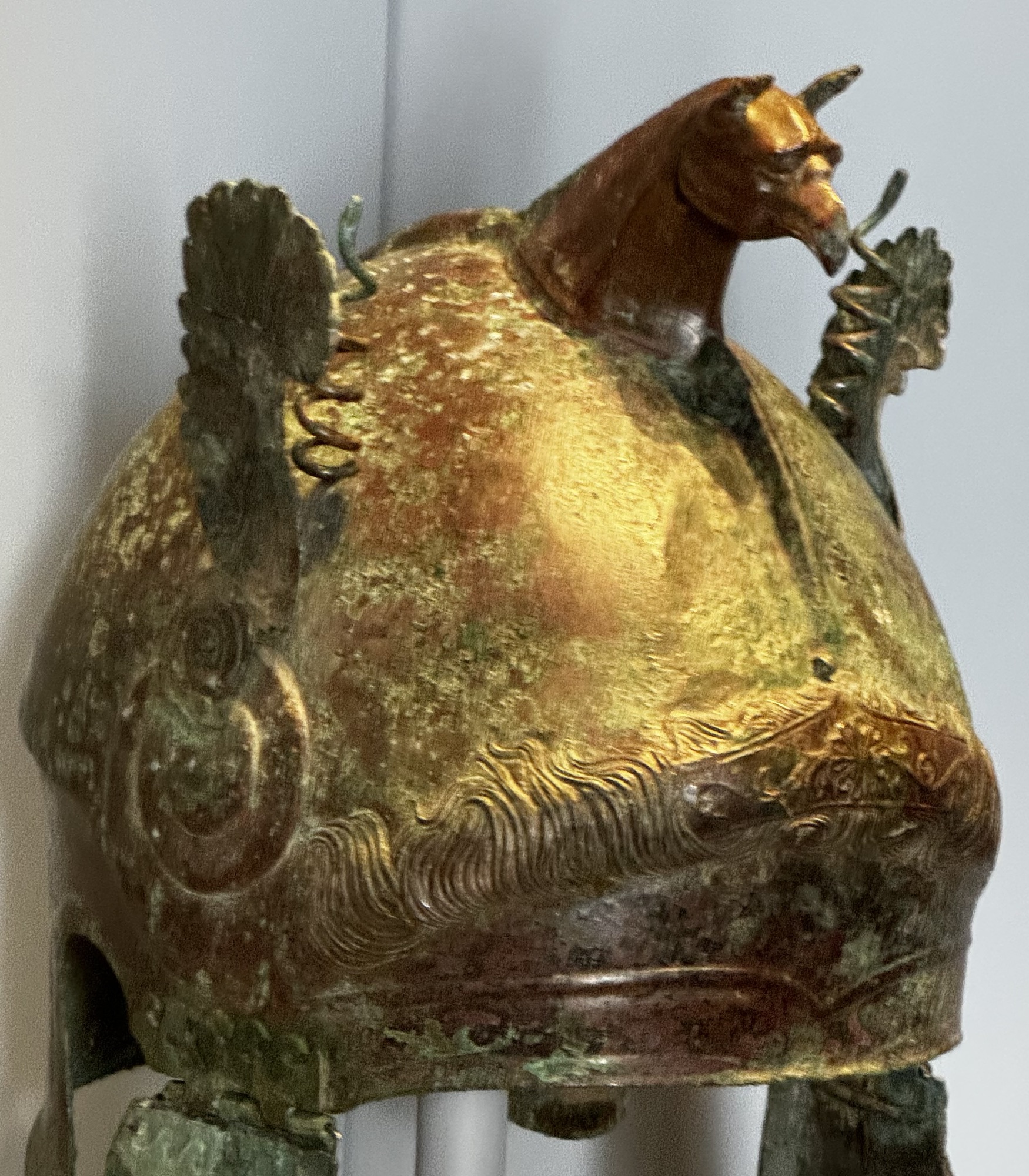
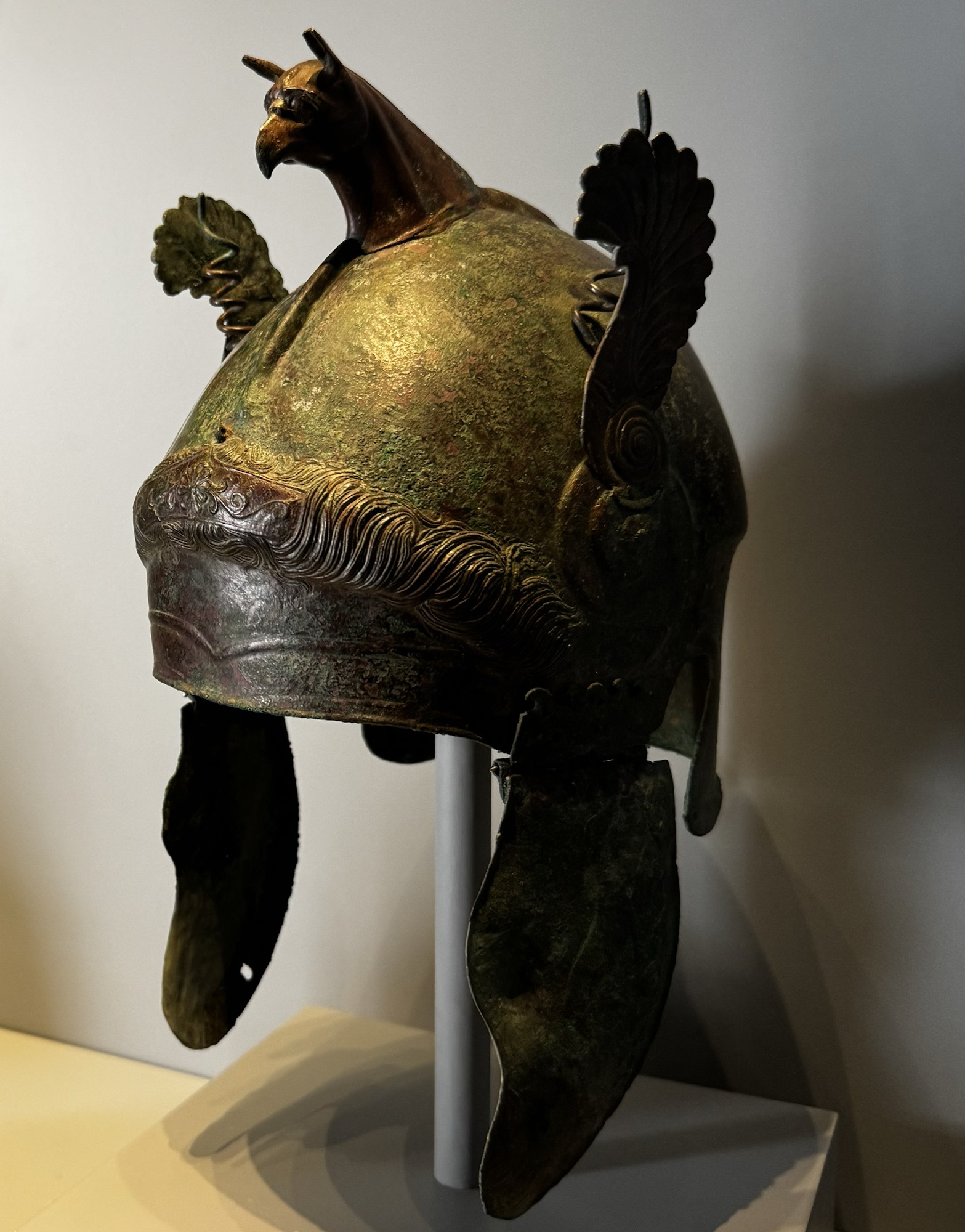
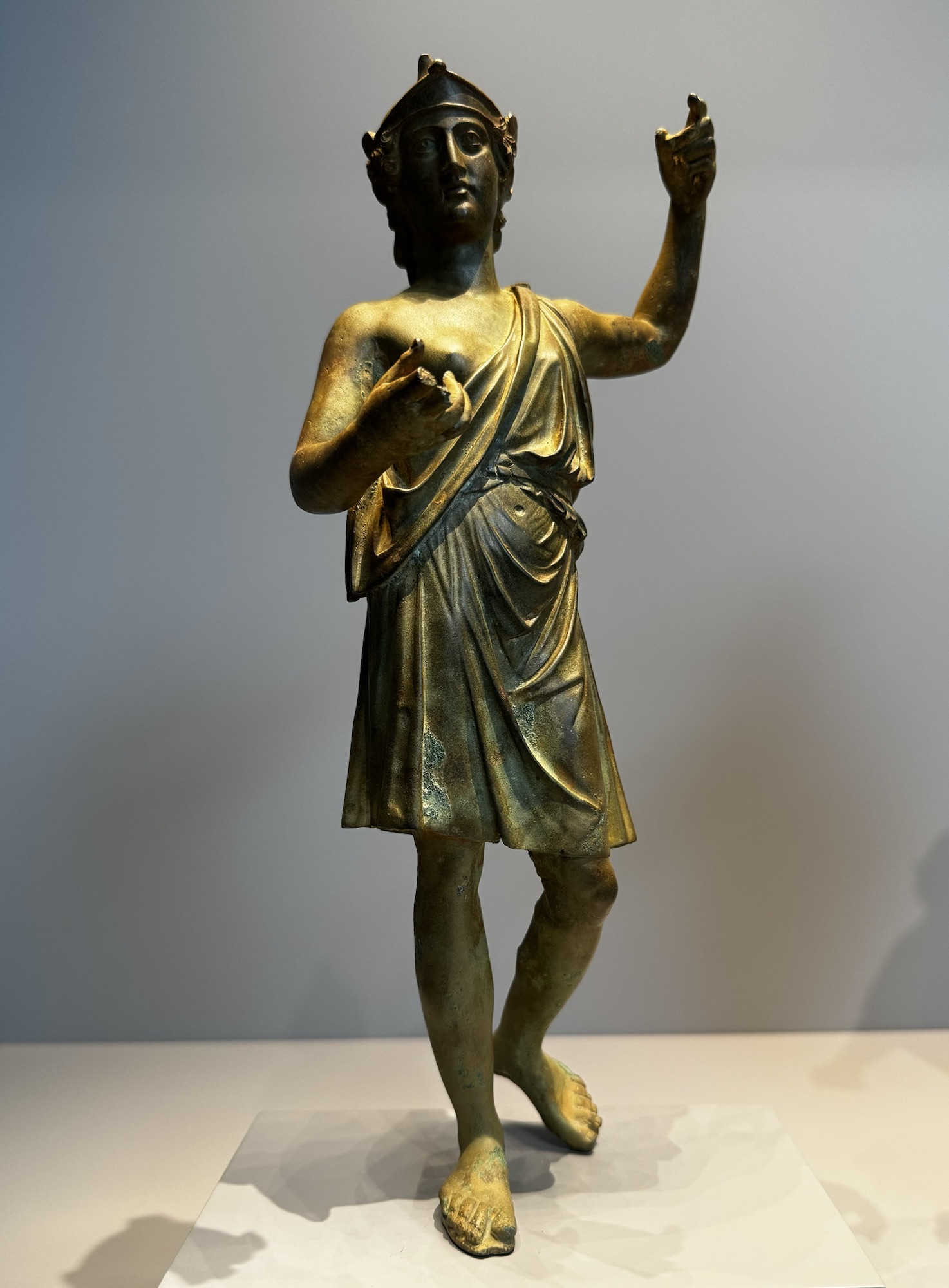
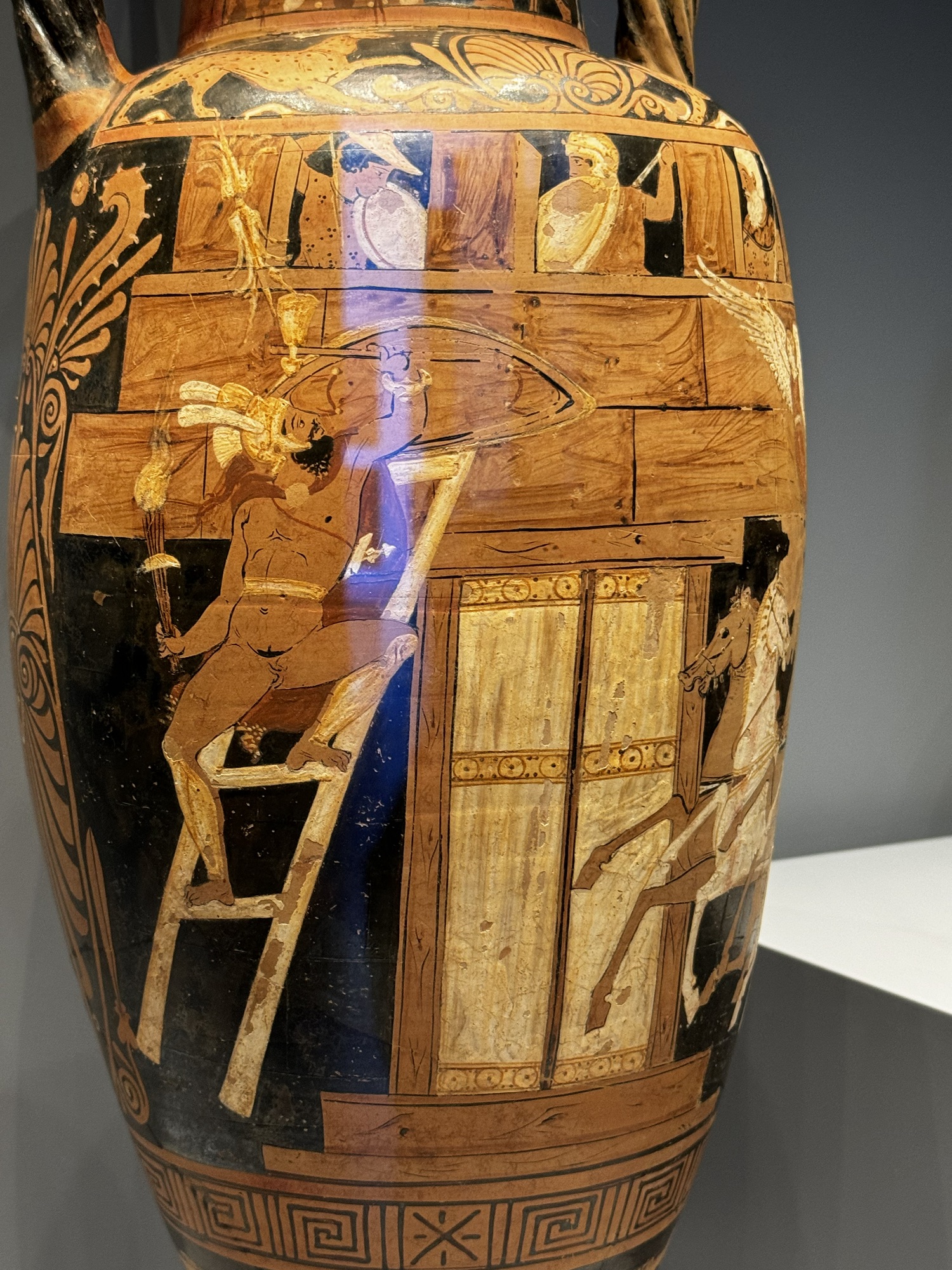
The statue I believe to be Virtus. Of course some would say it is indistinguishable from Roma, but I tend to think that Roman mostly covers her breasts and Virtus personified less so, and yet even this isn’t a tell tale sign (earlier blog post). The griffin helmet is a nice parallel for Roma on coins of the Republican series. The white ground lethykos I liked because of how we see the reverse of the shield and how all the parts attach to say nothing of the strapping on the scabbard of the sword (I’ve worried about straps on this blog before).



Other things that make me think
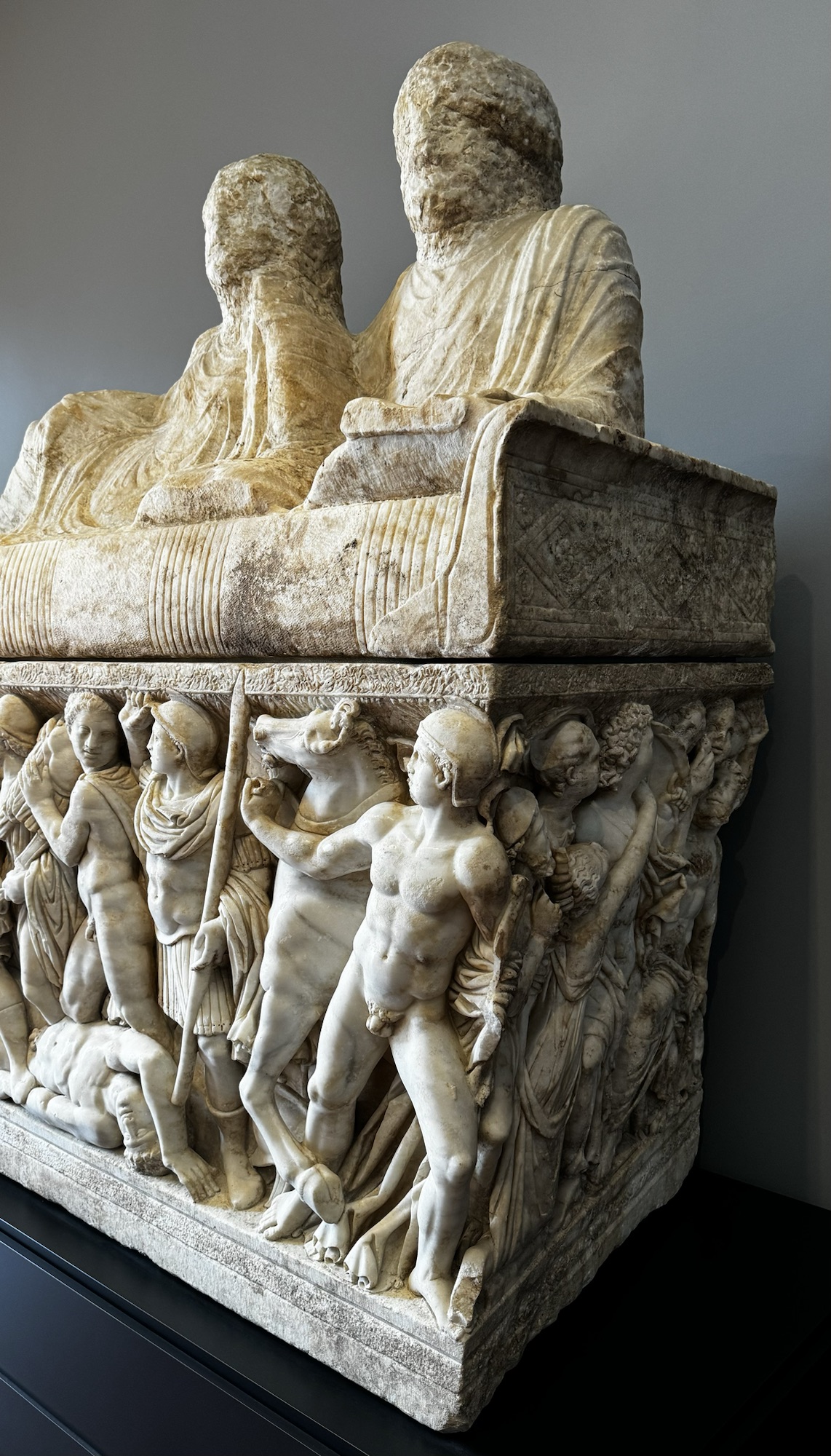
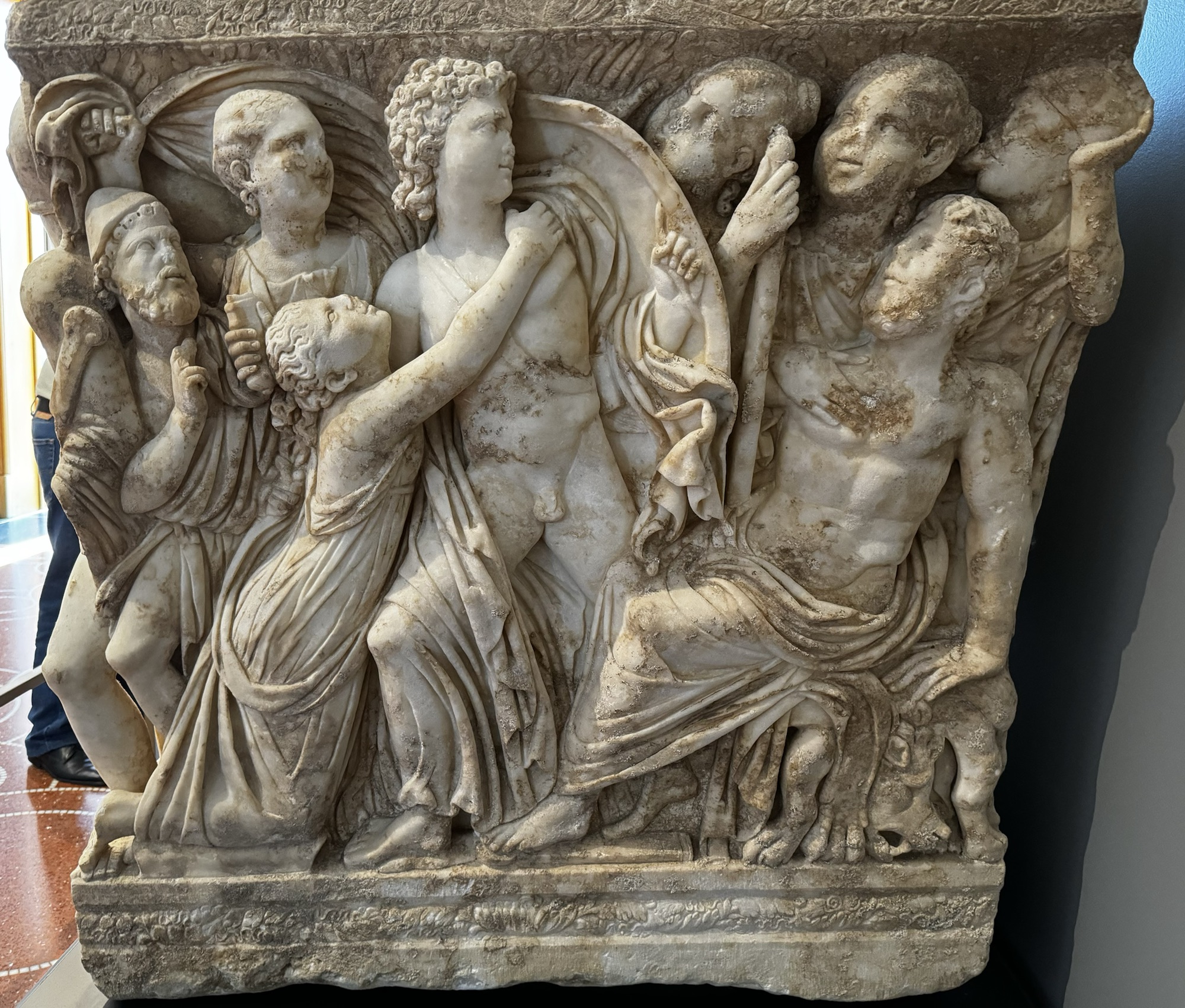
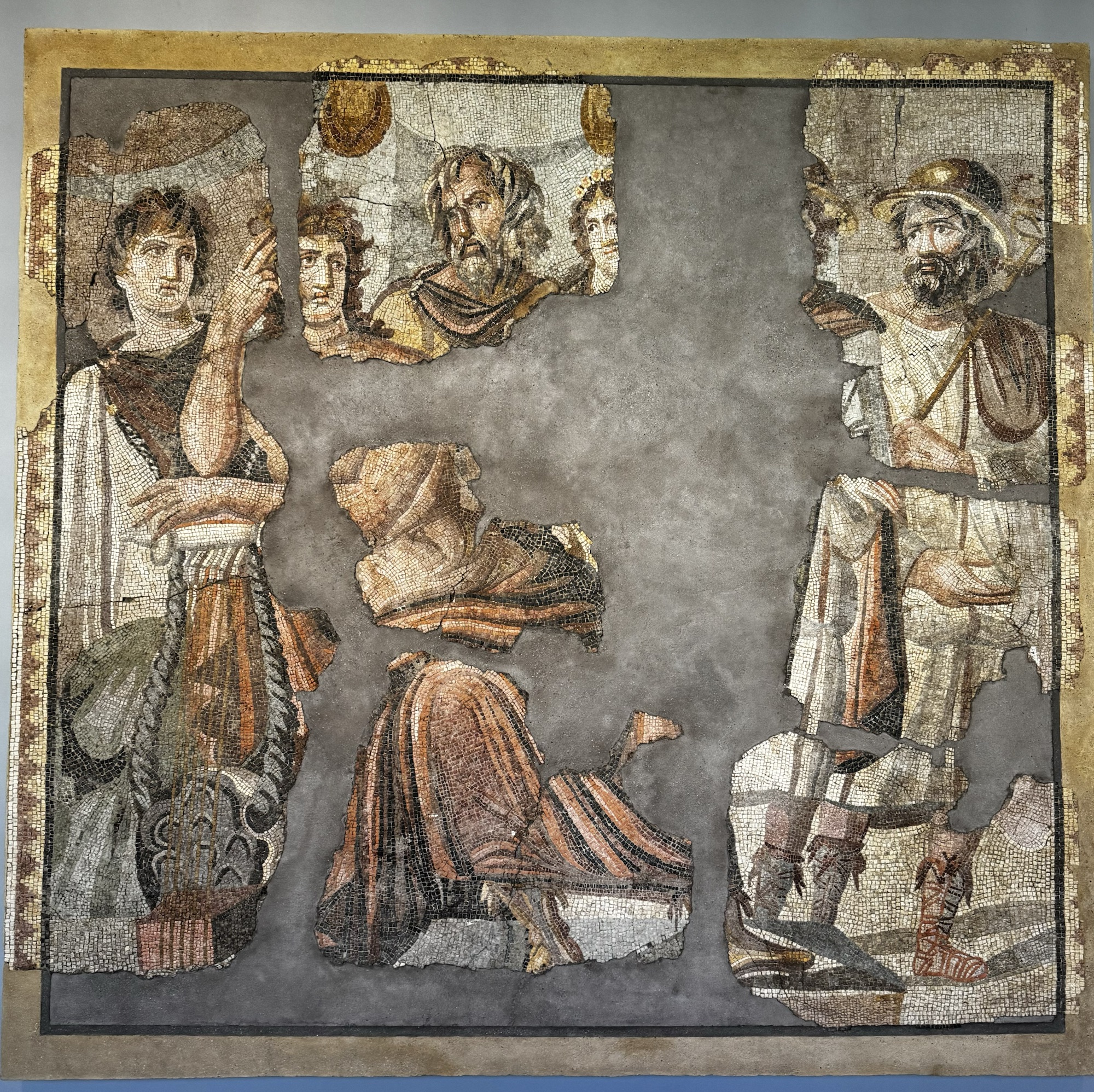
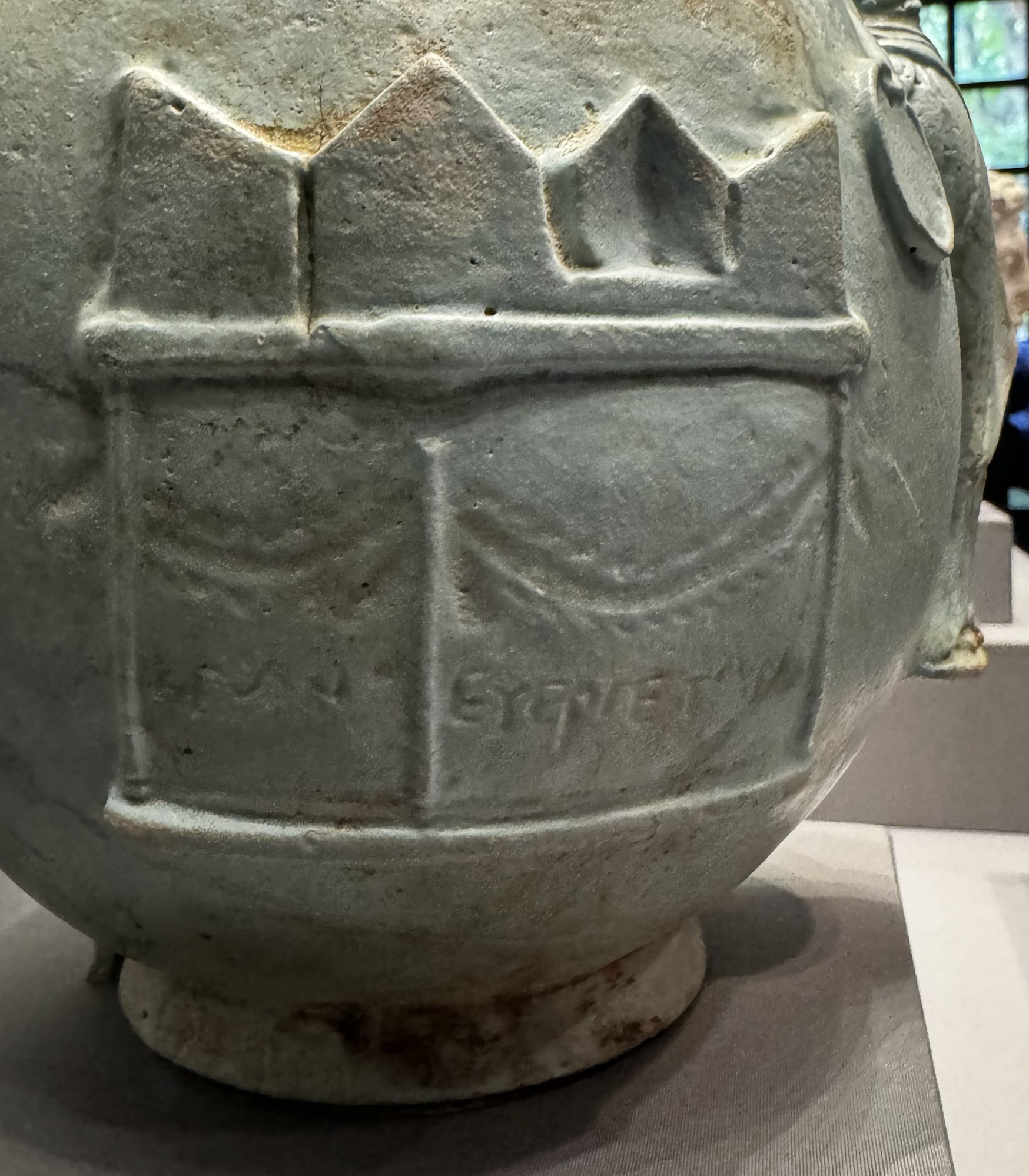
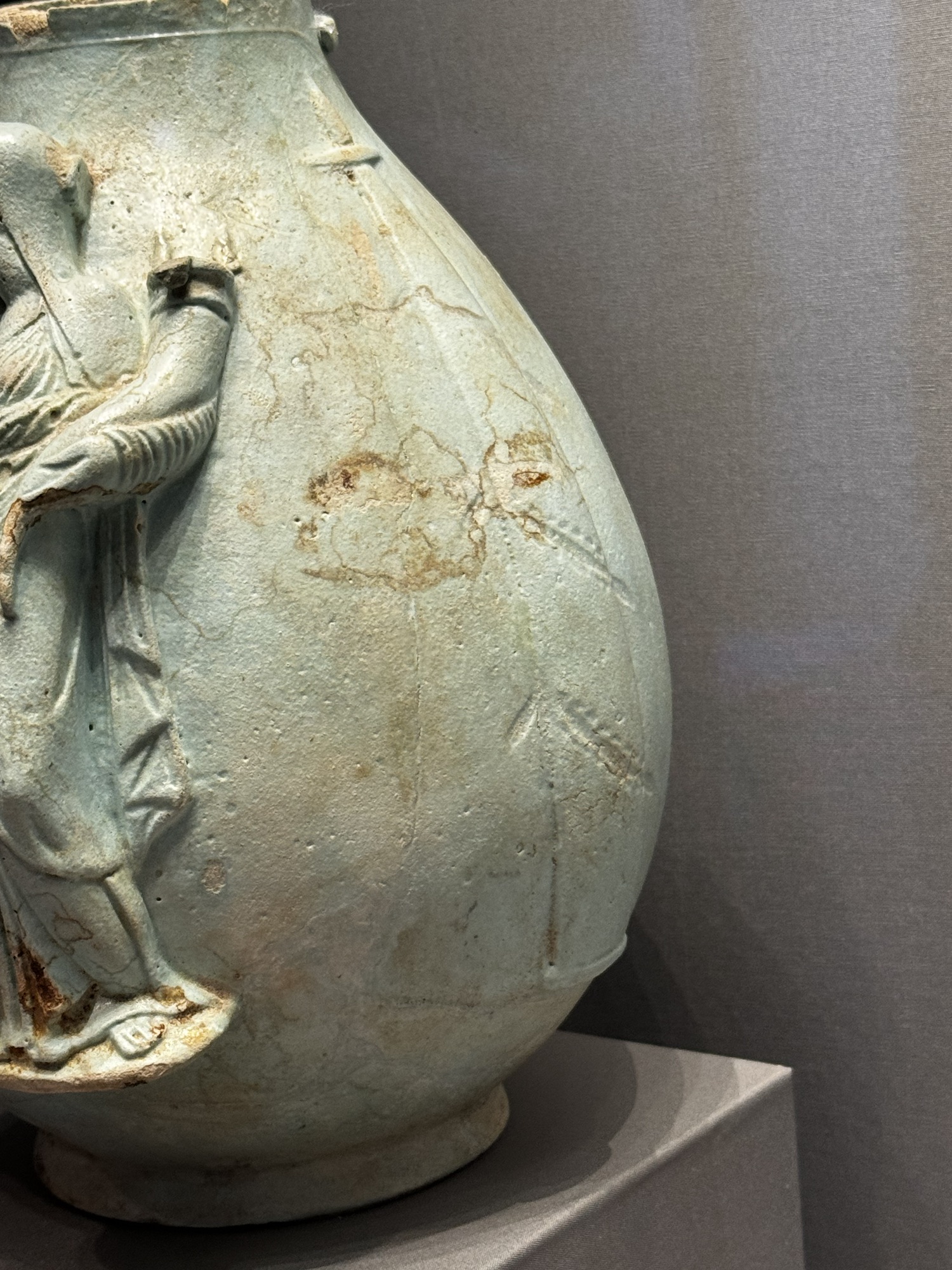
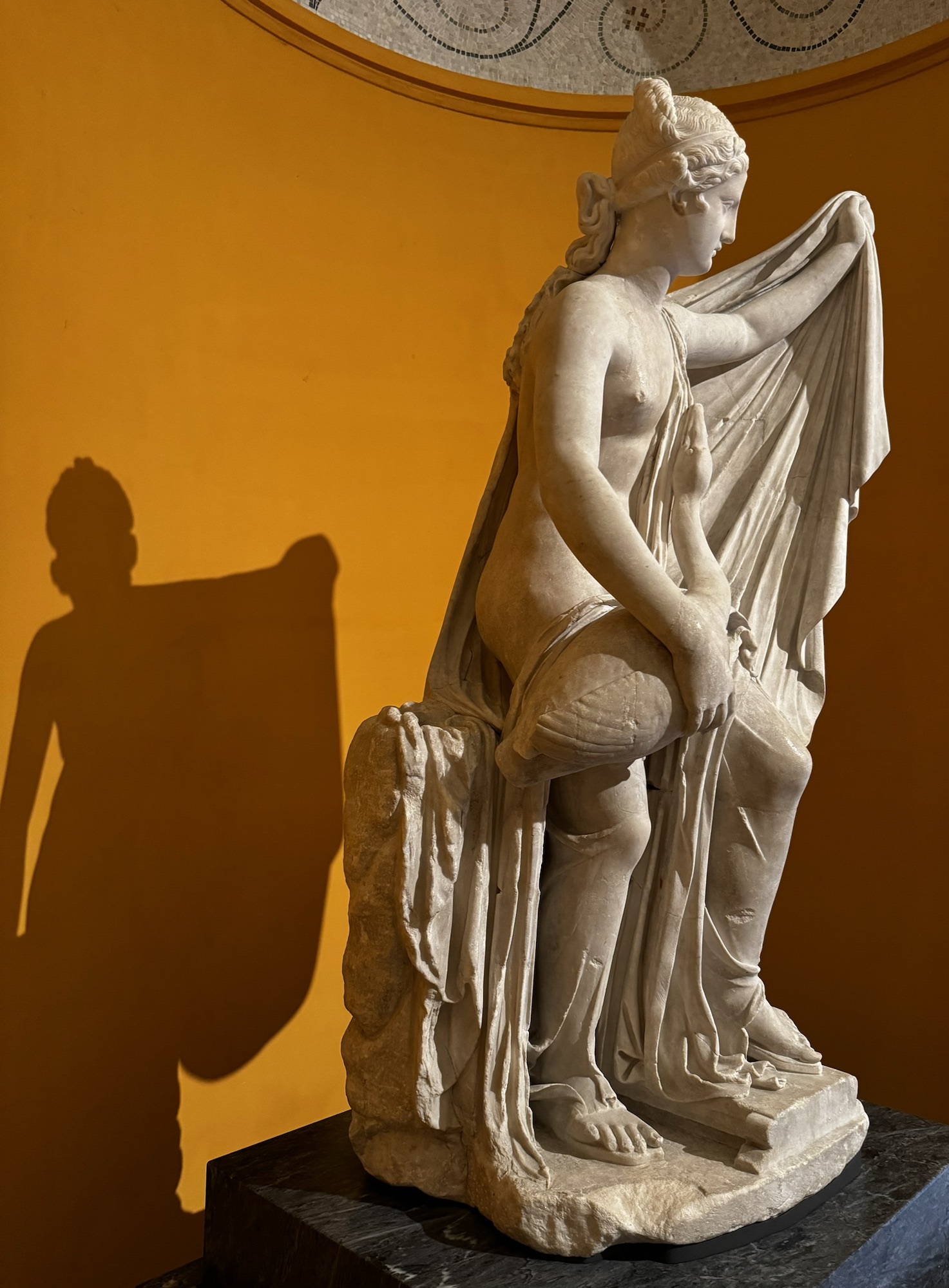
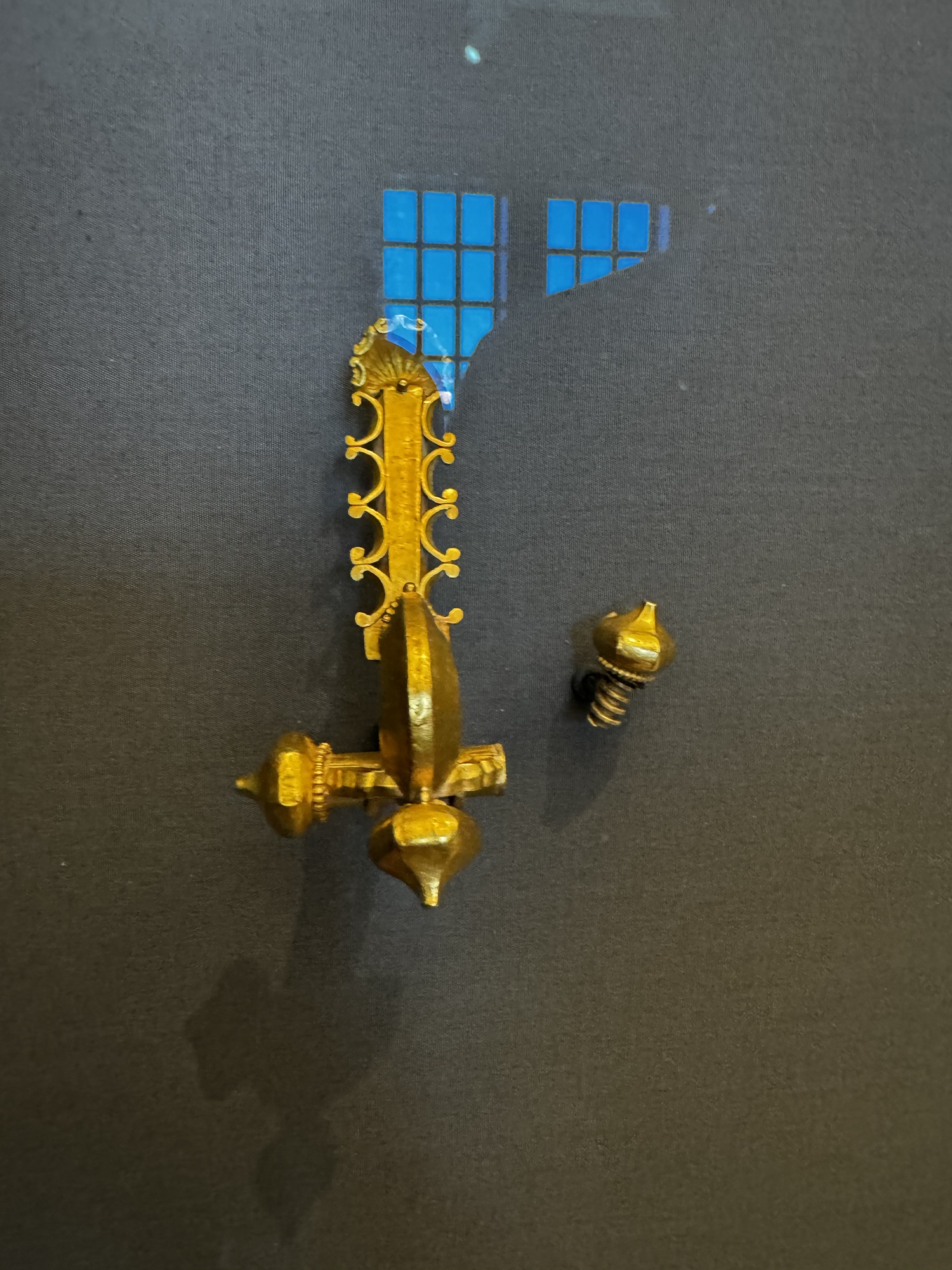
The flight is almost over so I need to bang out the rest of these. The fishnet suit that the muse of tragedy wears is hilarious. Who is she playing? Silenus? The seascape I like because the painter has allowed you to see the arches of the substructure of the pier continue below the waterline. Also I wonder if this counts as a cryptoporticus. Six winged seraphim with faces and little hands make me want to sing a praise song. The sarcophagi are complete but without portraits finished always an interesting topic to discuss with students. I tend to go for practical rather than symbolic reasons for leaving them uncarved but try to keep an open mind. The high relief faience vase is so curious–I see why the curators think it may be a Ptolemaic queen. I cannot make out the word in the legend on the pointy altar before euerget… (in Greek). That pointy altar made me look twice at the pointy one on the glass faux cameo vases with the cupid. The end of larger sarcophagus for a married couple has Achilles at Skyros being discovered in the disguise of a woman by Odysseus. One of my favorite compositions, and one I associate with the mosaics of Zeugma. The Mosaic in this set also evoked memories of the Zeugma museum in Gaziantep: so much was looted from that site and this bears many stylistic similarities. The Etruscan ring with Achilles lying in wait for Troilus reminded me so strongly of the rendering in the Tomb of the Bulls at Tarquinia, but I find myself now thinking I just don’t know the iconography of this scene as well as I should (images for comparison). The warrior on the red figure fragment caught my eye because his helmet has hair. The label said i might be the scalp of Troilus. I can’t confirm this but there is a tradition of him being beheaded and often Achilles grabs his hair (more on the myth). The late Roman gold fibula has a secrets screw compartment, like a poison ring! Other images I just liked or thought might be useful.











 Liv Mariah Yarrow
_courtesy_of_Johannes_Eber.jpg)
_room_q_(Mau_plan)_courtesy_of_Johannes_Eber.jpg)
_courtesy_of_Miriam_Colomer.jpg)