
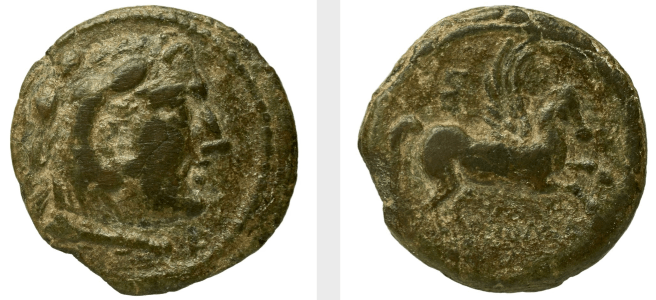
I’m still thinking about Vicarello. I was looking through the lists of struck coins this morning.
This one caught my eye. Obviously from club series, RRC 27/3

But I’d not thought about the struck bronze in this series much. It does have cast bronze in six denominations copying the types of RRC 21 which in turn echo for the triens down types from RRC 14.
Here’s the RRC 27 struck bronze at a glance
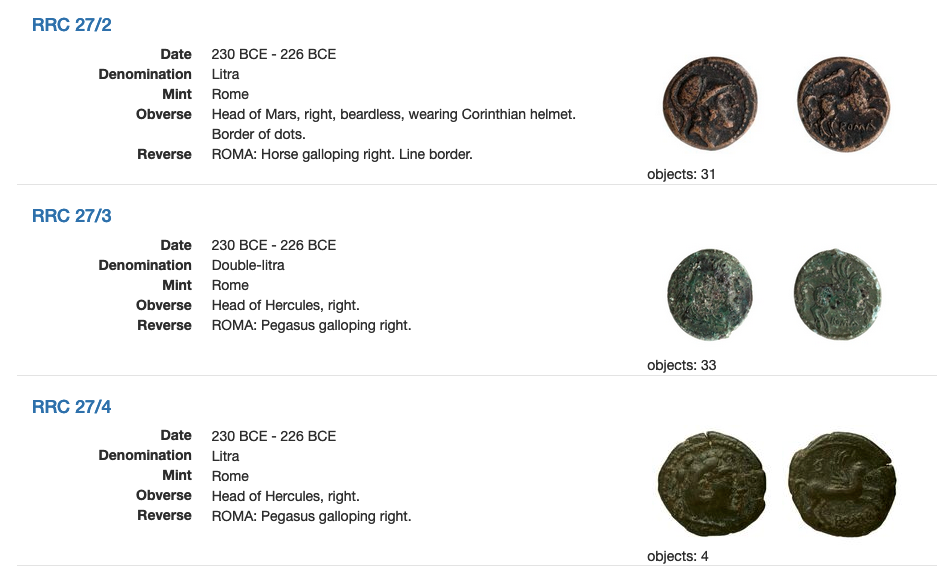
Mars/Horse litra borrows the type of the diadrachm of the same series. There were four in the Vicarello find:

So what’s up with the having two so called “litras” one mars, one hercules in the same series?! I have thoughts, but first let’s look at the ‘double litra’ similar to what was found at Vicarello, of course Berlin has gorgeous specimen.
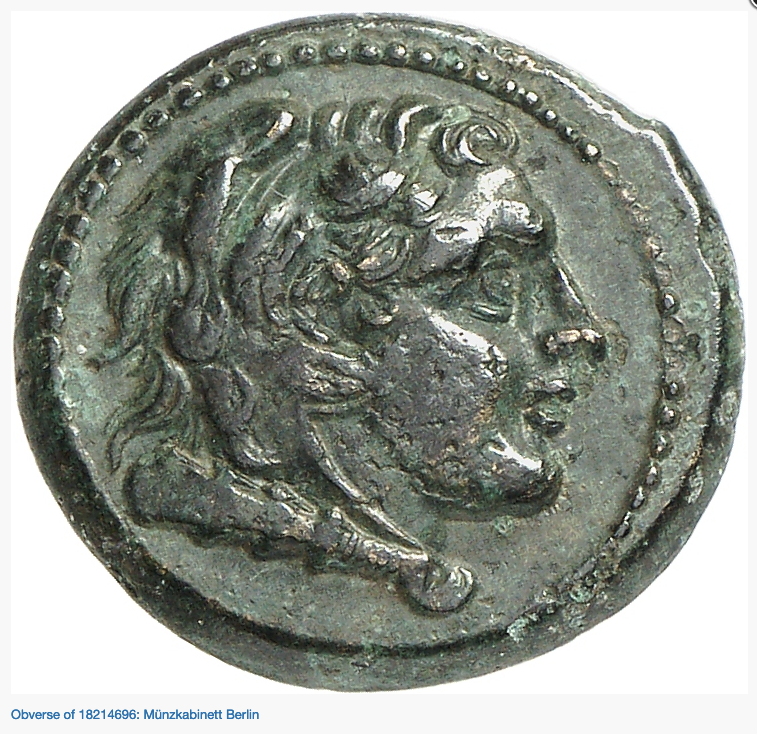
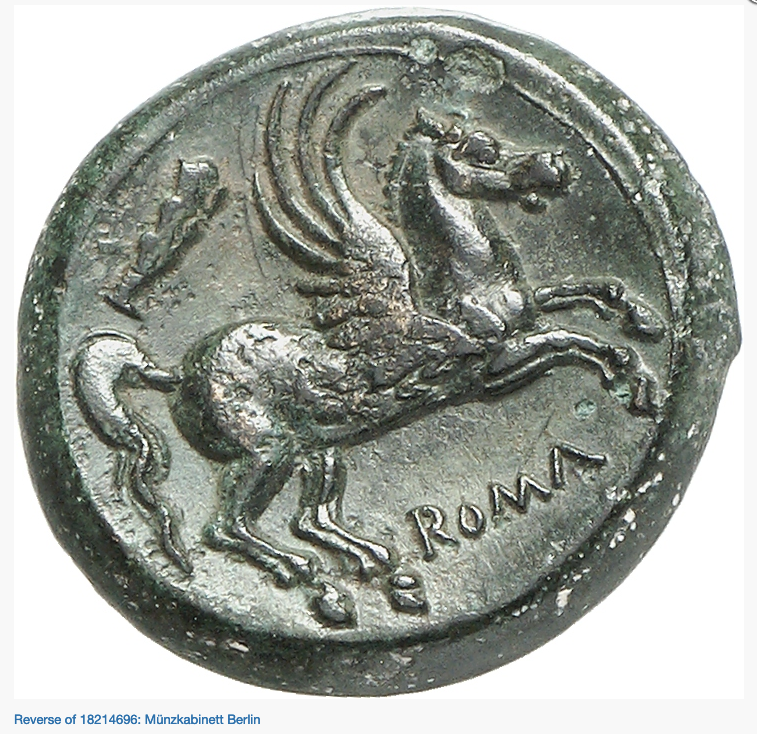
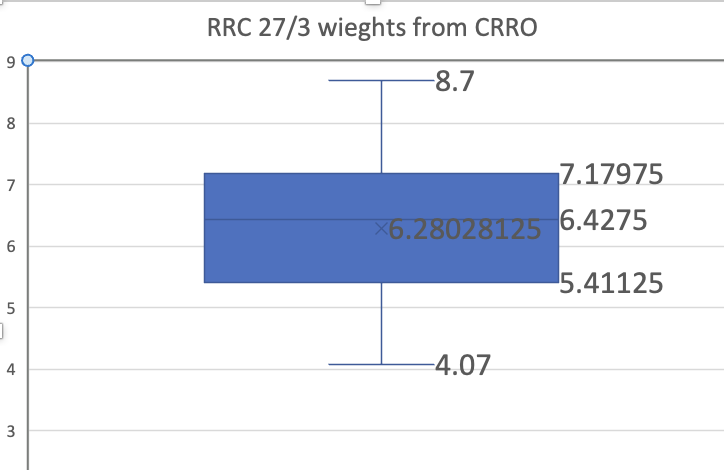
At first glance calling it the double unit of RRC 27/2 and 27/4 seems fine it is about double the weight. But is it really the same denomination a so called ‘double-litra’ as RRC 16/1?
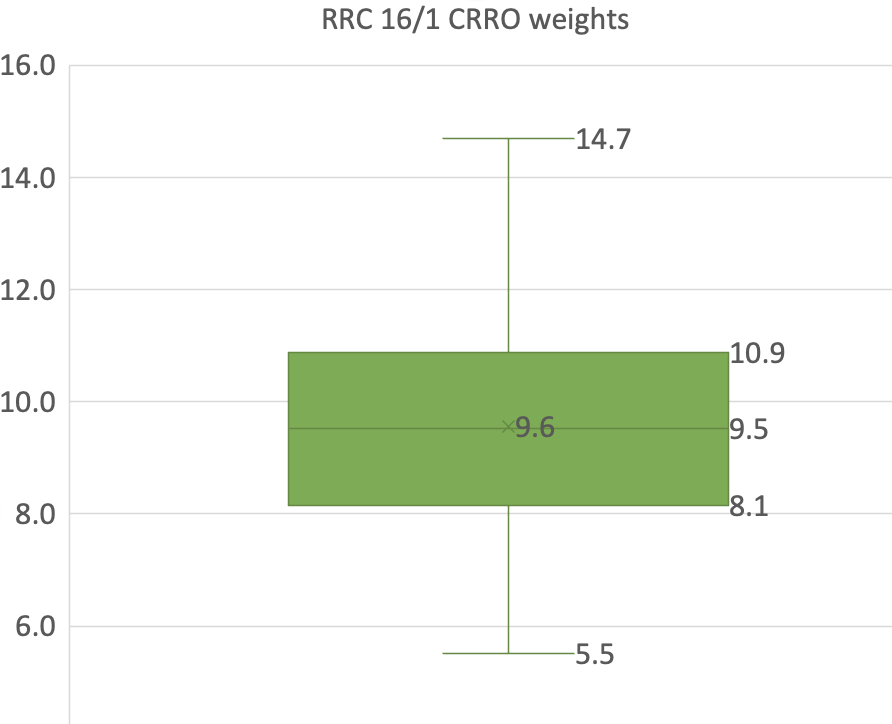
I’m inclined toward no and would at least emphasize that RRC 27/3 is clearly on a different weight standard than RRC 16/1.
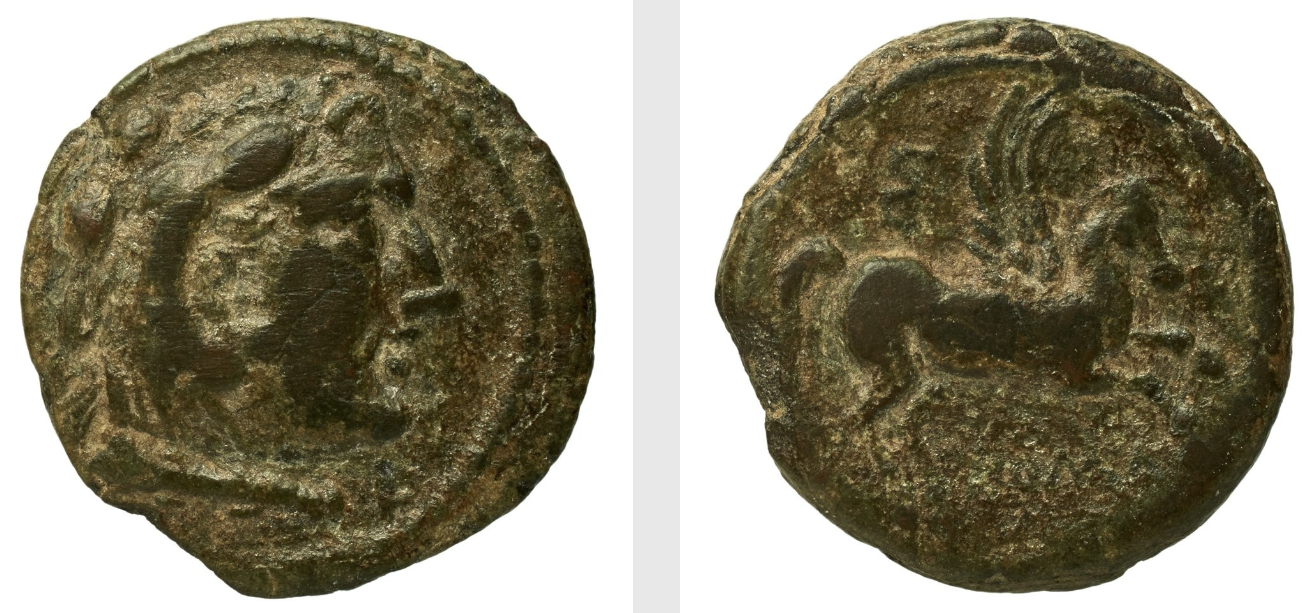
All of this is context to what really fascinates me. Is what Crawford calls a “bow” in his RRC catalogue entry for RRC 27/4. There are only 4 in CRRO, 2 Paris, 1 Berlin, 1 Cambridge (Bahrfeldt new 5 specimens, average weight 3.23g!)
I was skeptical of his saying there was an L before the head of Hercules but zooming in suggests he is indeed correct (as so often).
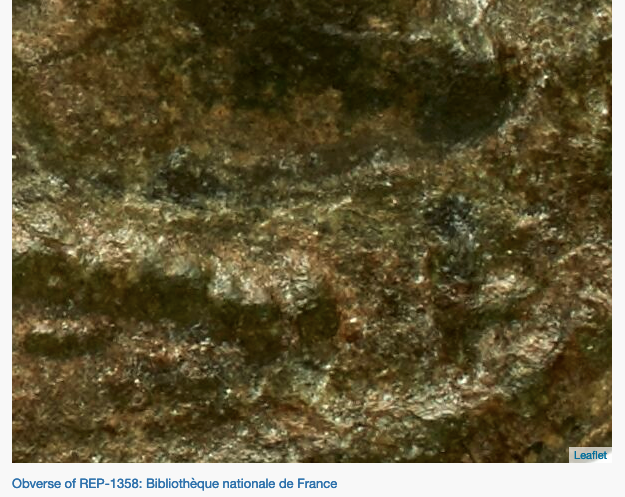
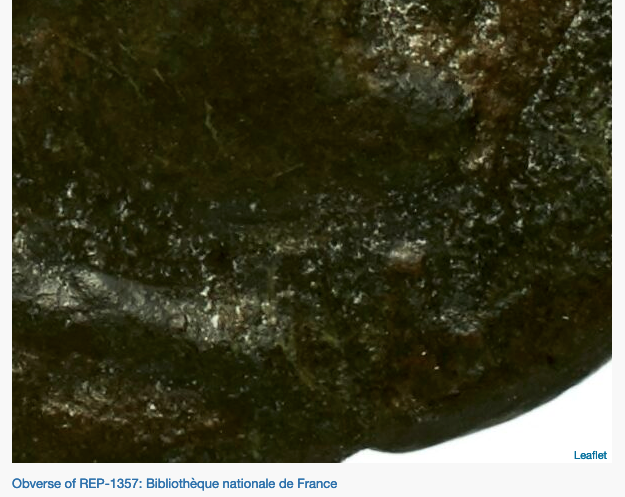
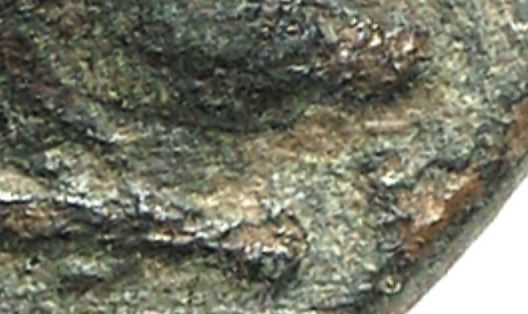
Does the L suggest it was a product of Luceria like other Roman coins with a similar L.
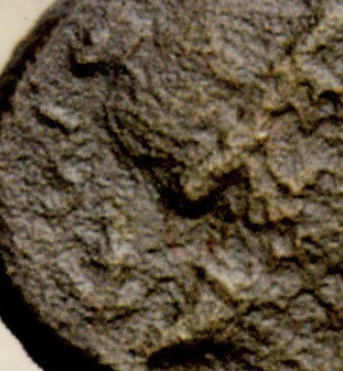
So what about the “bow” on the reverse? Here’s you close ups:
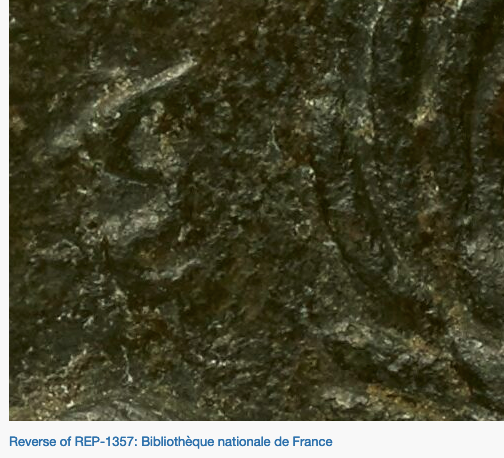
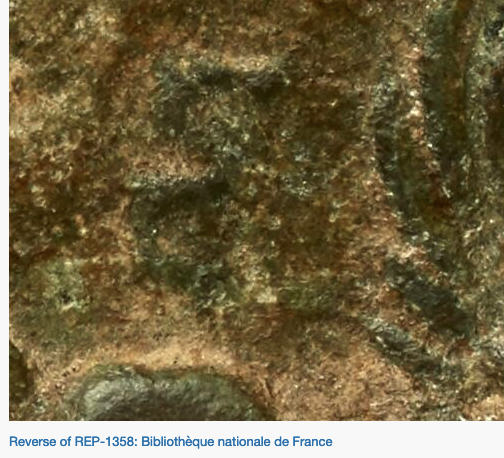
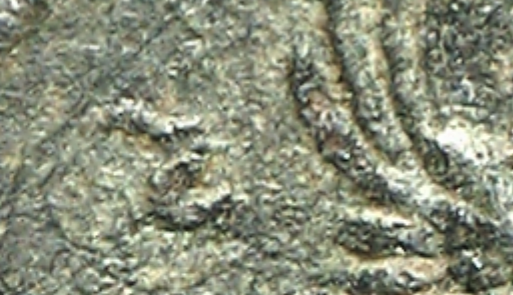
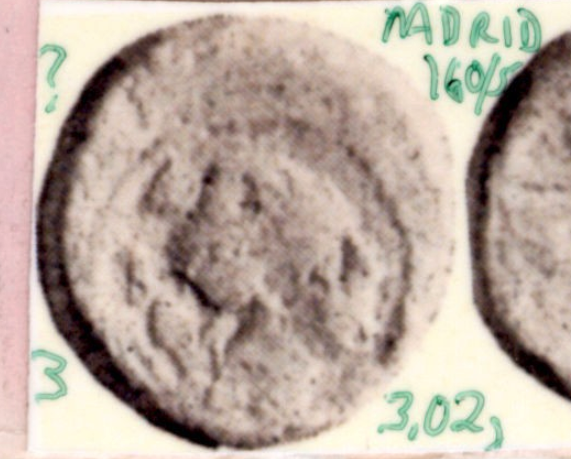
I think this is a denomination mark for a semuncia. Here’s my comparative evidence:
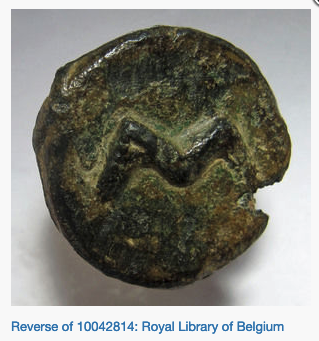
RRC 21/7
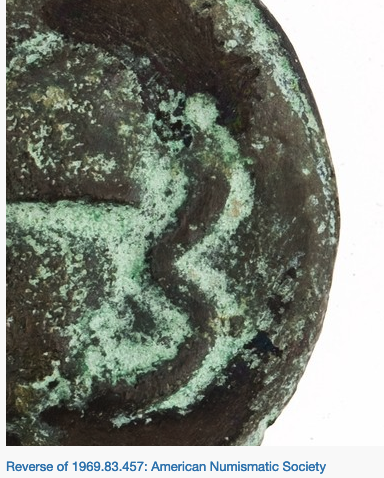
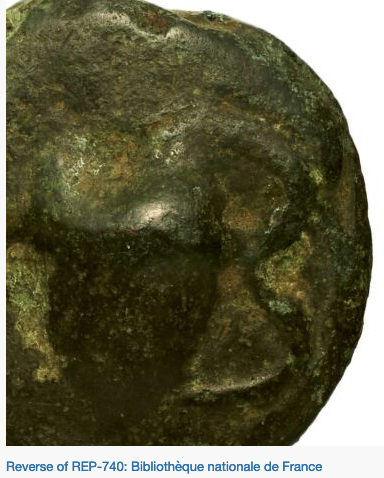
RRC 38/7 has no denomination mark, likewise there is none on RRC 39/5, ditto RRC 41/11, and so on… until!
RRC 160/5 (earlier blog post, 2021 lecture on this topic)
So where does this leave us?
Clearly RRC 27/4 derives its design inspiration from RRC 27/3. Does that mean it was struck at the same time? I don’t know. There is no club visible on it. The series already has a litra and this seems like it might be a semuncia because of the sigma on the reverse.
The average weight of an uncia in the club series (RRC 27/10) is over 22 grams so this cannot be the half unit of that. If RRC 27/4 is a semuncia it would likely correspond to a weight standard where the as was c. 78g. So perhaps it should be situated somewhere near RRC 43 or RRC 98. We know Luceria issued other semuncia and we also know as a mint it was slightly more experimental with its designs on bronze during the Hannibalic war (earlier blog post).
Speaking against such placement is the flatter style of the die engraving at Luceria for the bronzes.
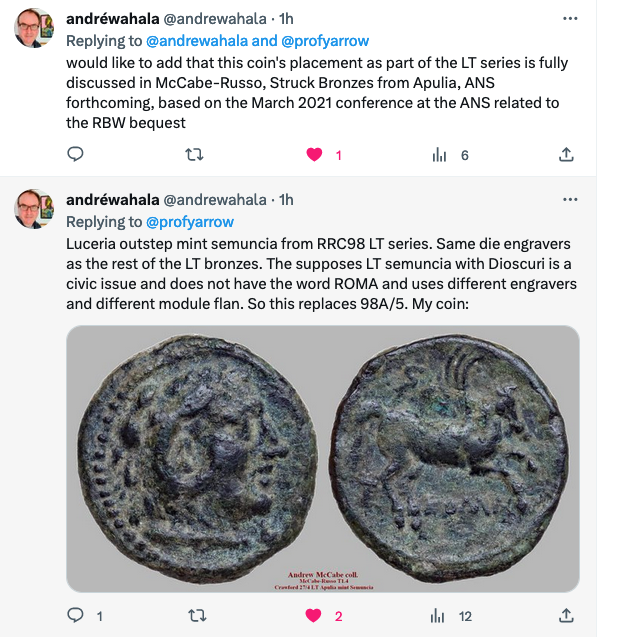
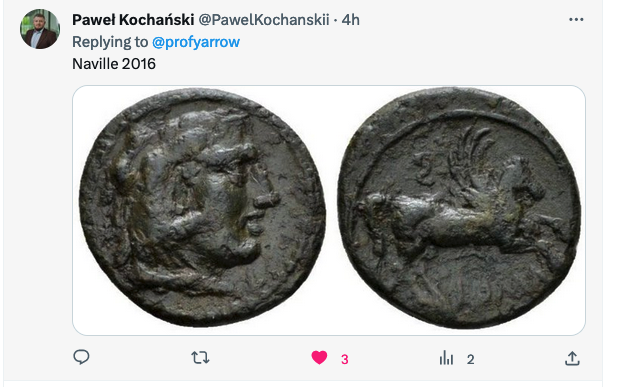
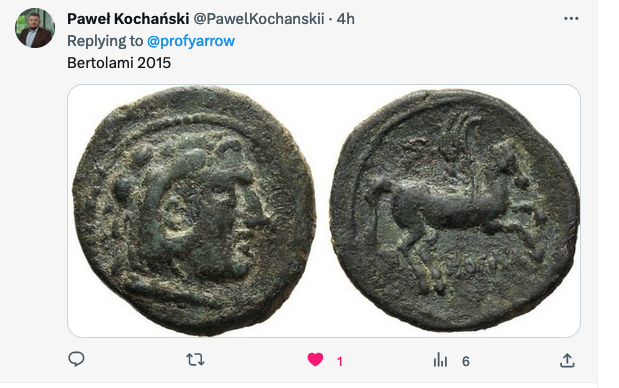
Whenever and wherever RRC 27/4 was made it is a strange and v rare coin. I’d love to see photos of specimens NOT in CRRO if you have any.
Two more specimens from the Schaefer Archives
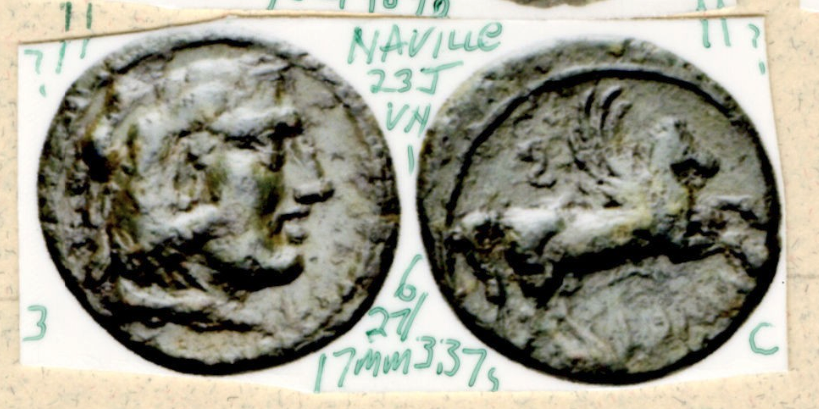
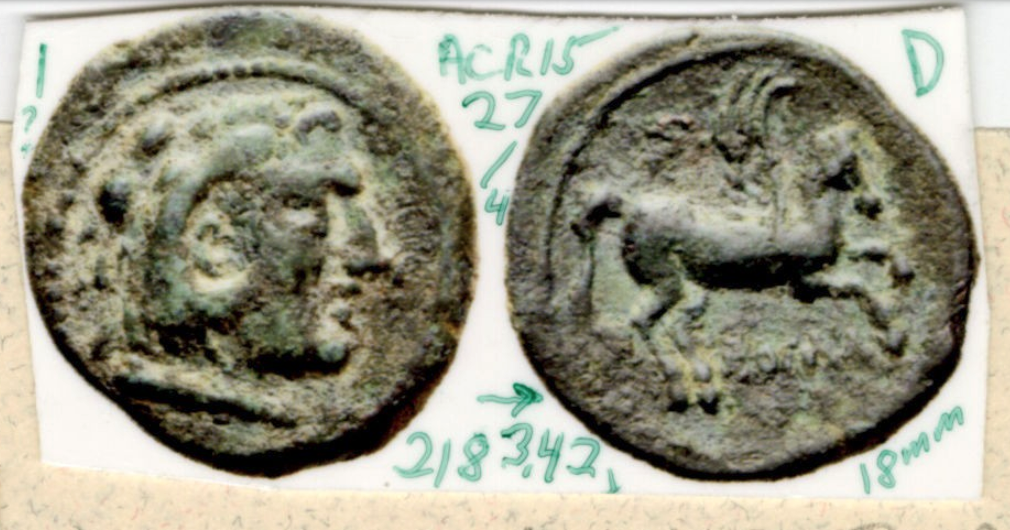
A full publication coming to much the same conclusion separately is forthcoming 2024 from McCabe Russo in a special edition of BSN (edited by Carbone and Yarrow).

 Liv Mariah Yarrow
Dear Prof. Yarrow, I’m posting photos of 27/4 on the twitter 🙂
Thank you!
I agree that the curious sign indicates a semuncia, as first indicated by the Aes Grave you cite. I call it a Sigma, guessing that since S was already used to denote a Semis, the Romans
used the Greek Sigma for the semuncia.
While on this subject, have you seen a remarkable Sigma coin from the Ebay Italia seller Ethierrex? I don’t know how to
attach the image here, so I’ll send you an email.