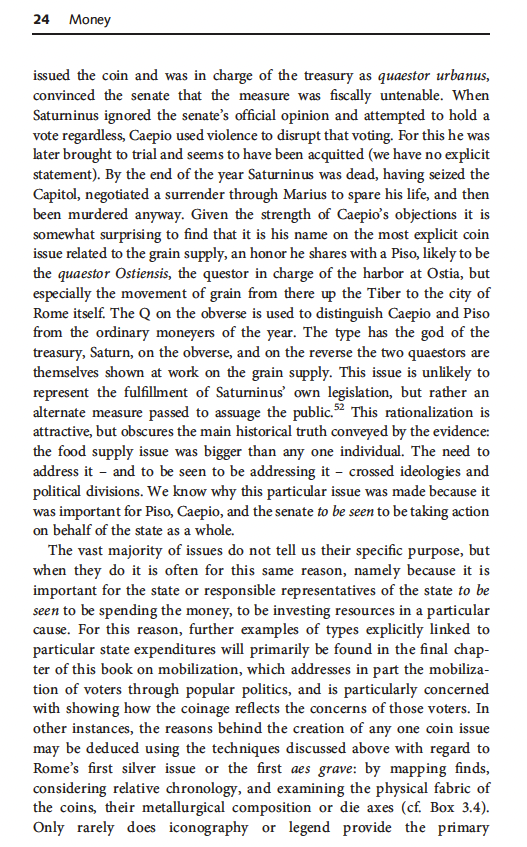
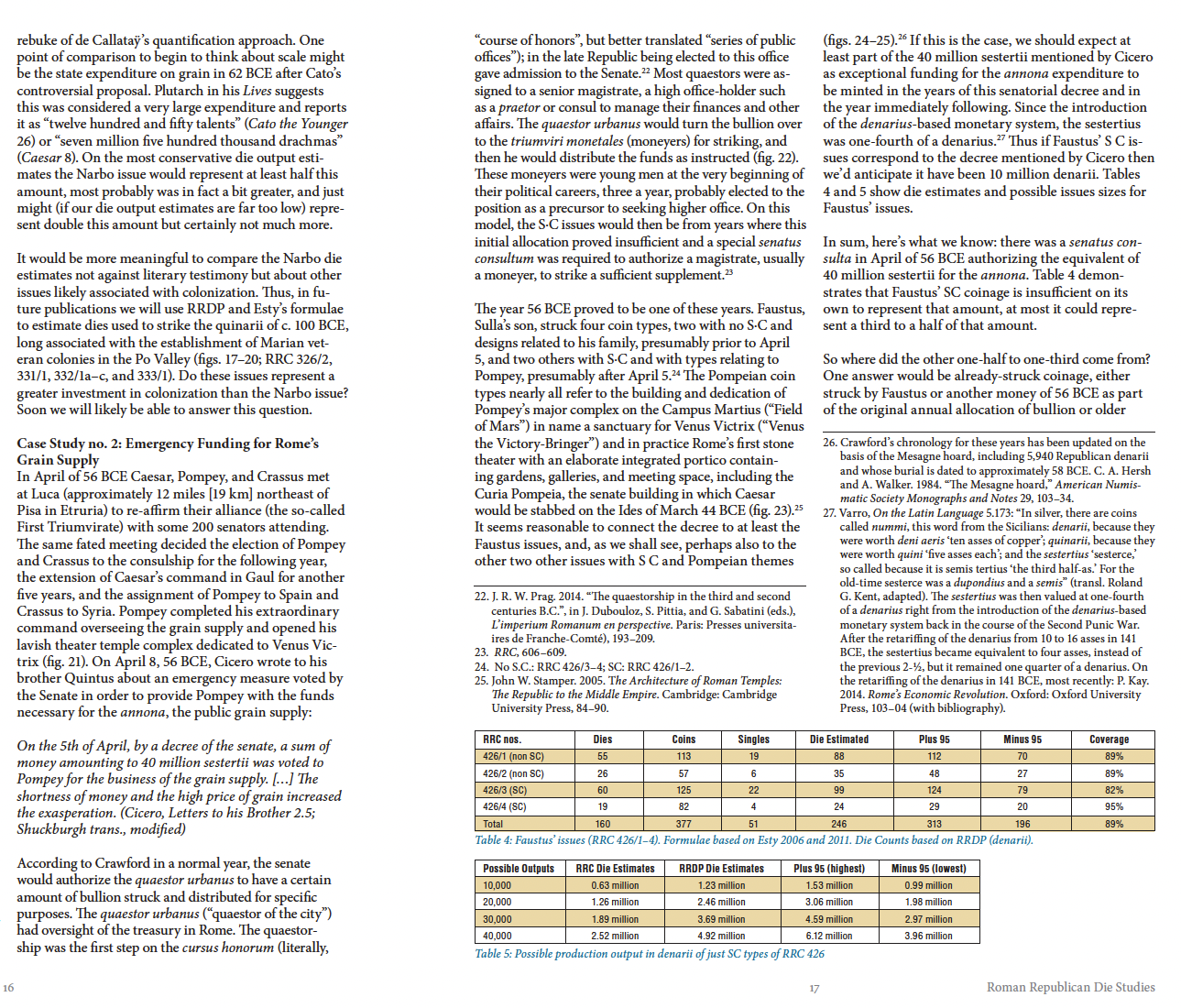
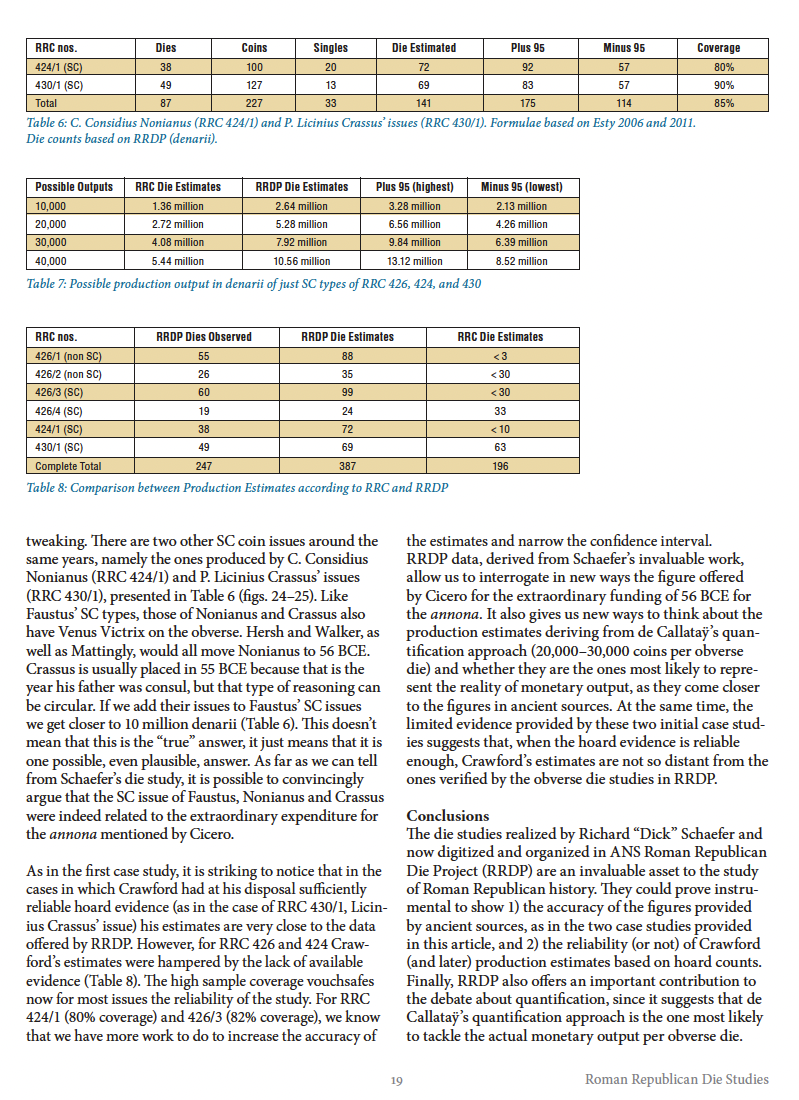
Mars in Asia Minor

The silver coins of Kibyra (or Cibyra) are typically attributed from the establishment of Roman control of Asia Minor, c. mid 160s, to the Sullan exit from the region, c. mid 80s BCE. There is a tetradrachm and a drachm.

I’m pretty far from my expertise here, but a friend asked a question and that got me thinking. A dangerous habit that is. Thinking I mean. Very distracting. It looks like most people still use just SNG or BMC numbers to refer to the various types. I can’t find a complete study of the coinage on ANS donum. Do you know one? I’d love to know of it.

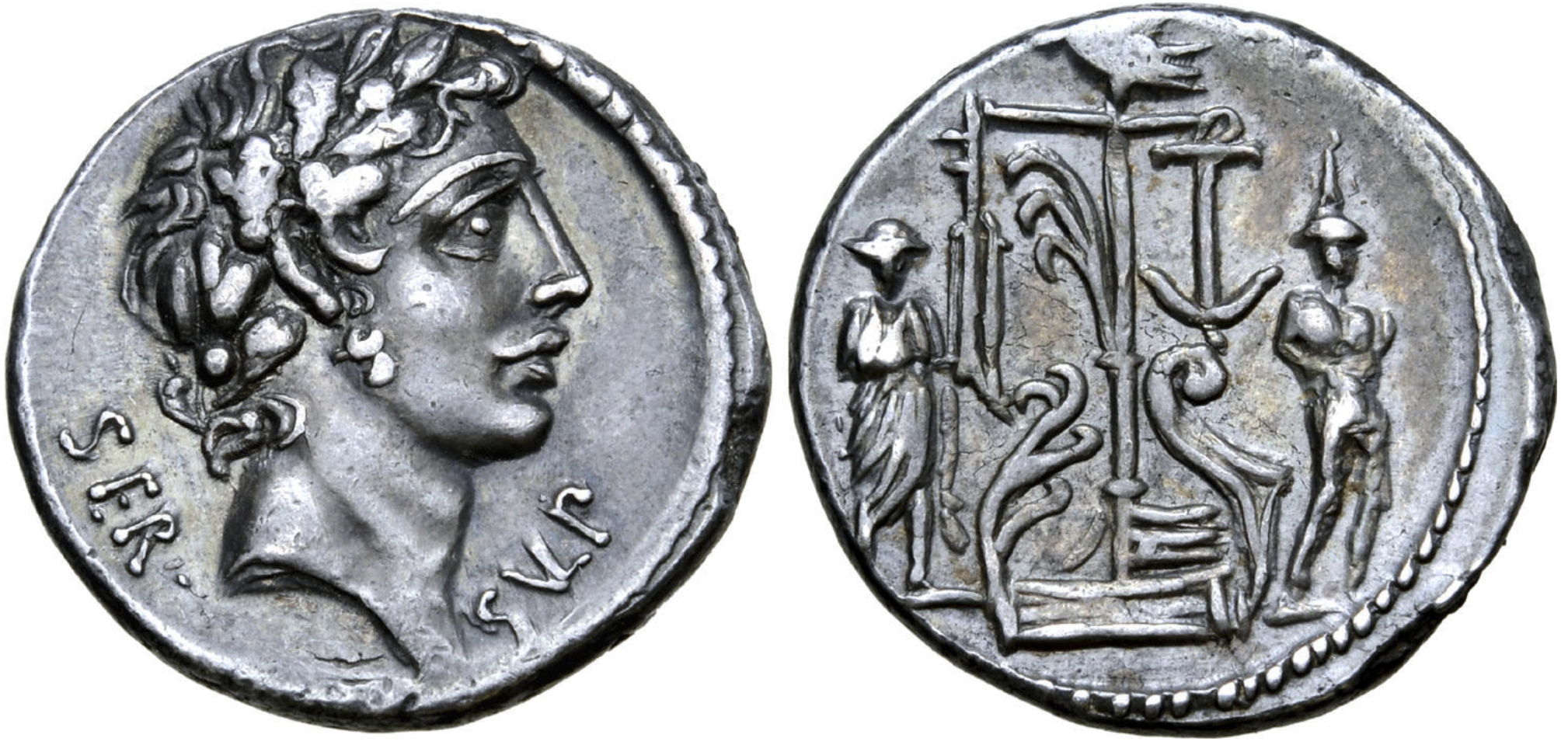
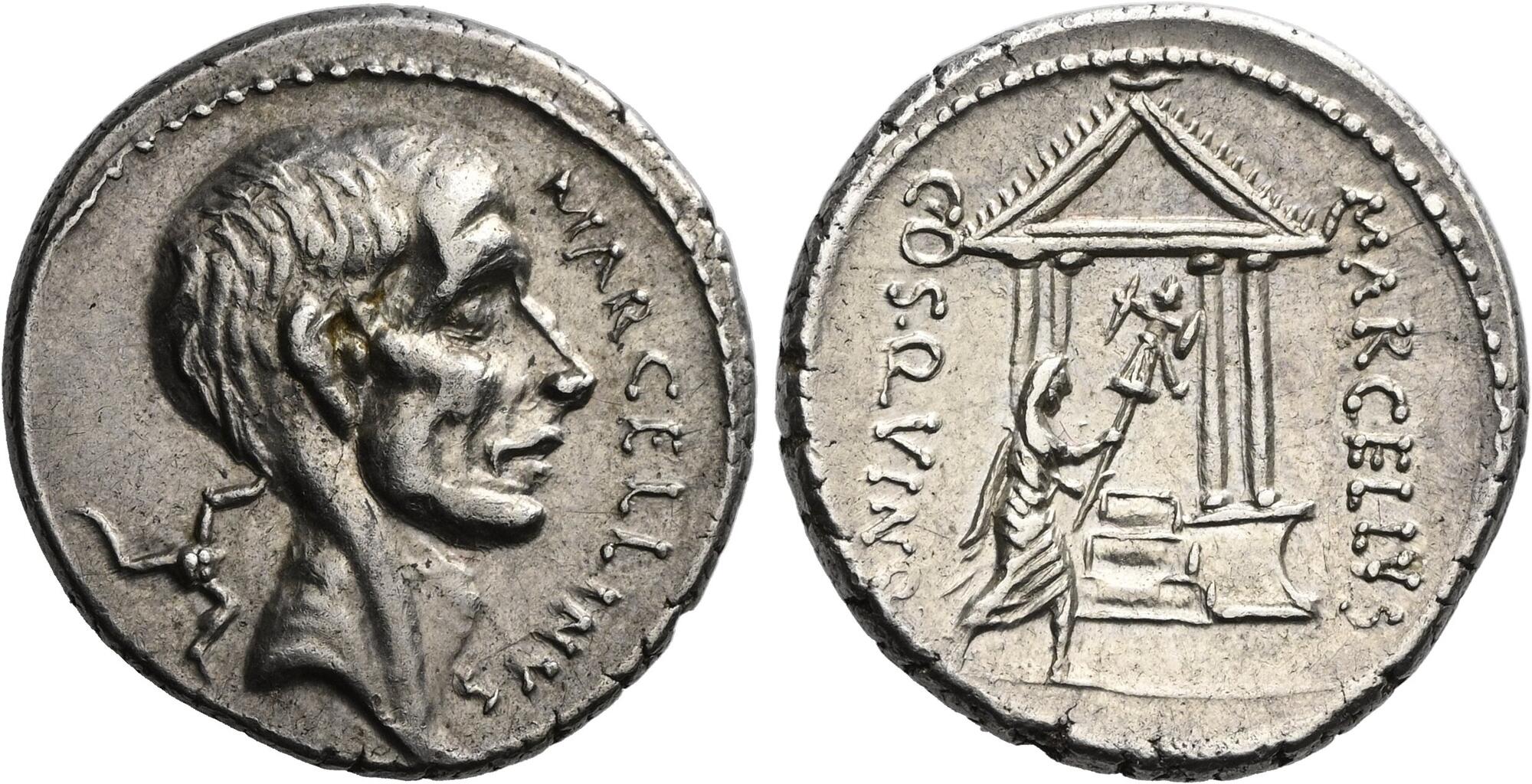
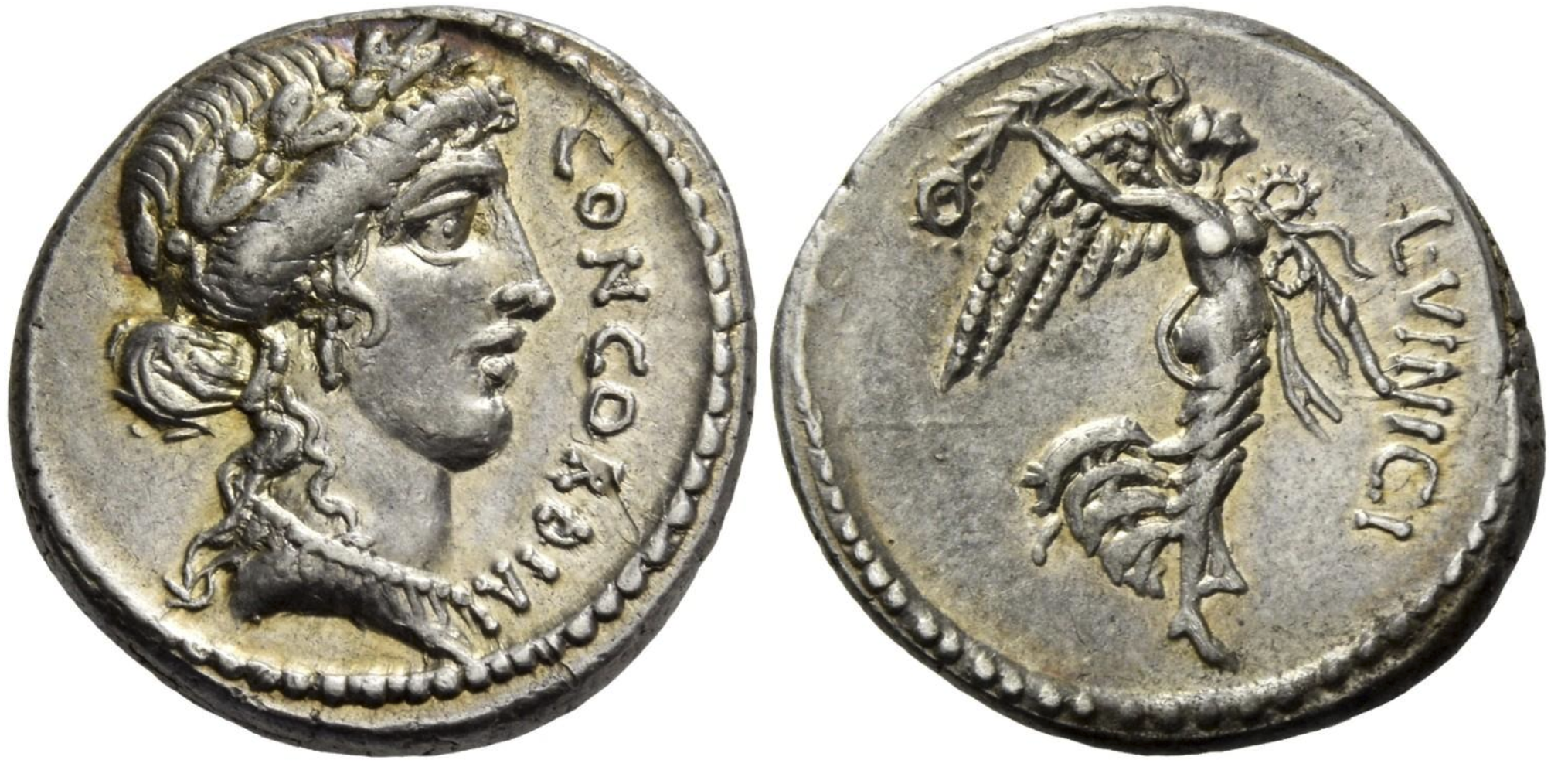
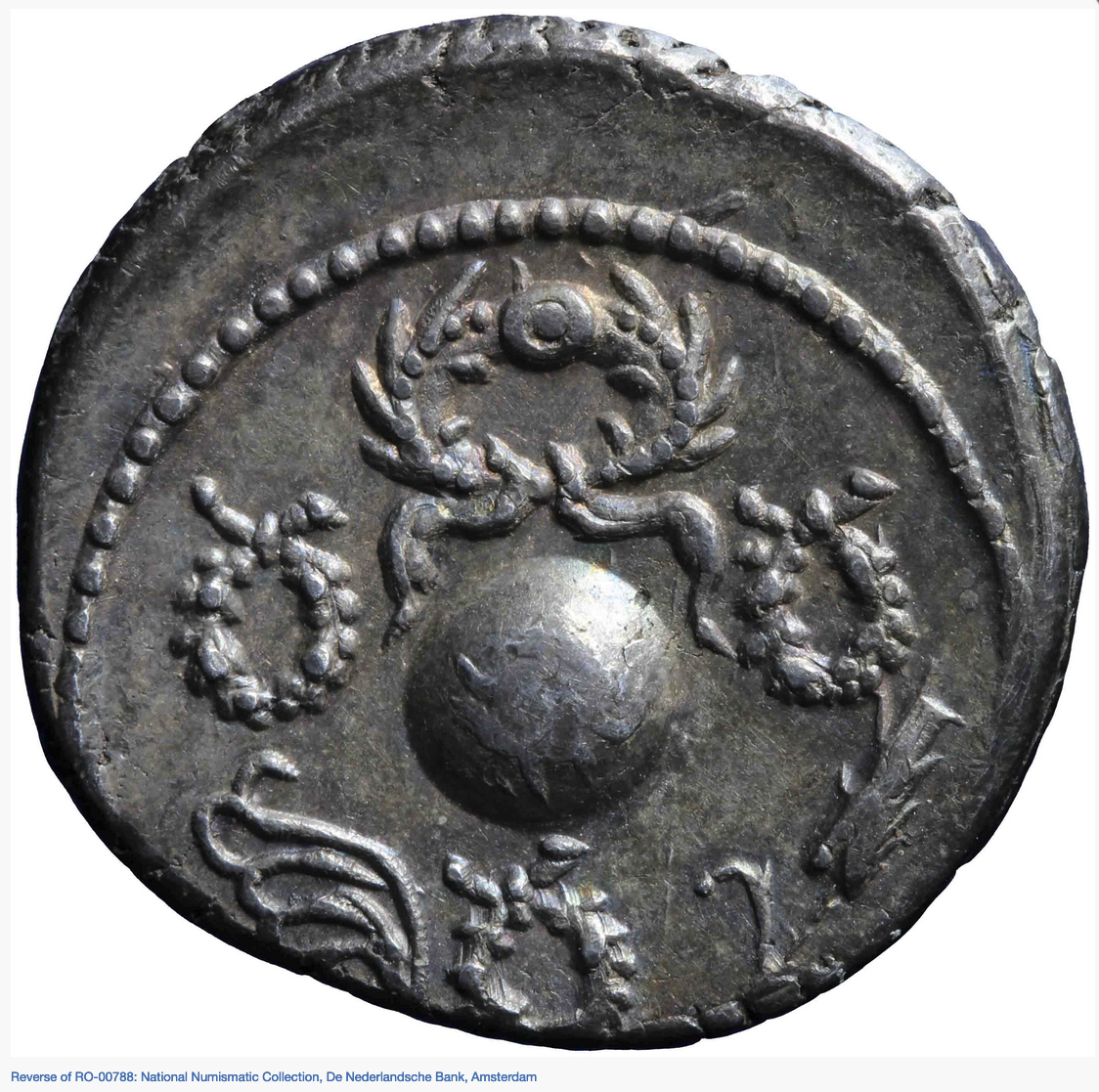
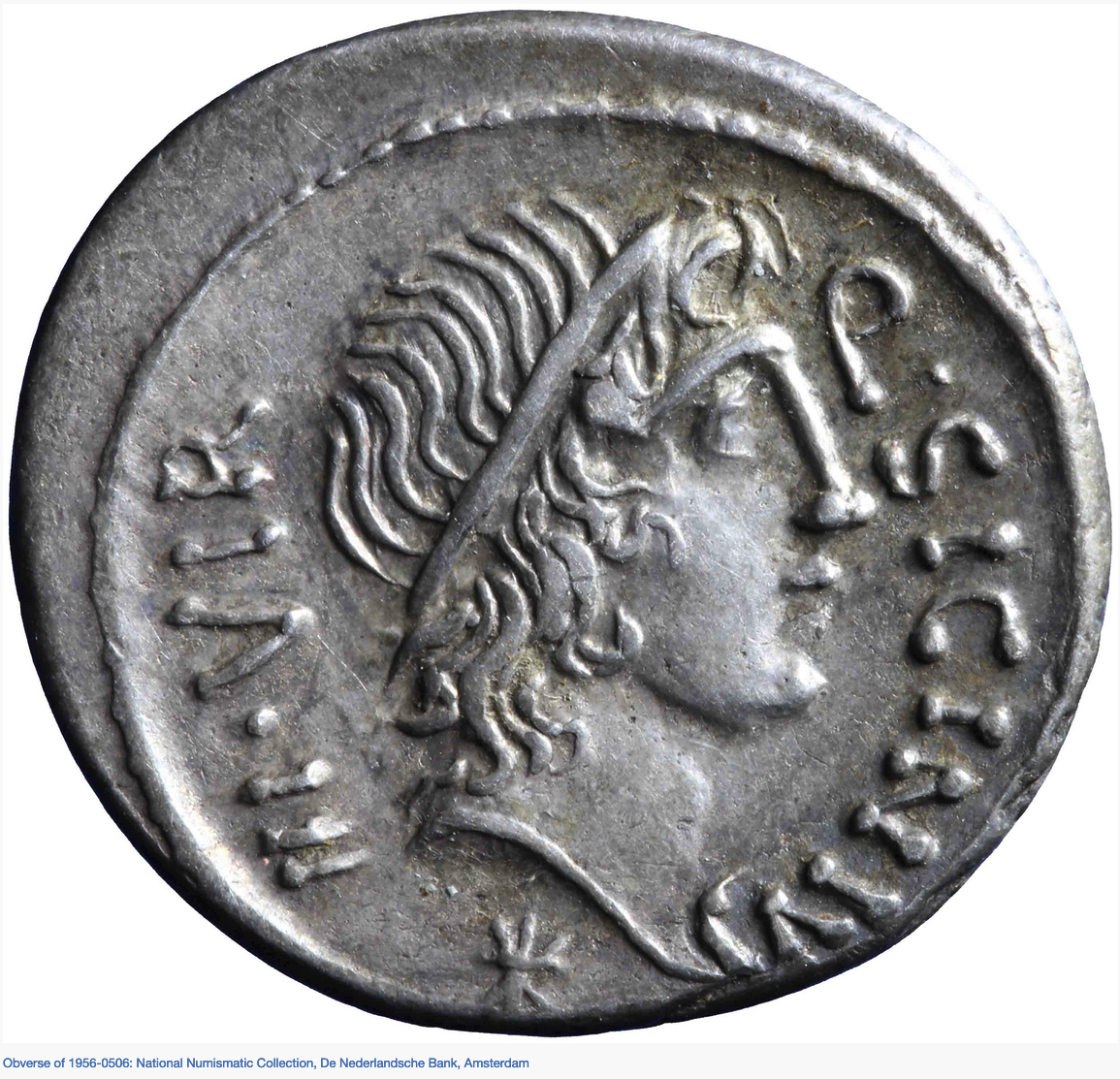
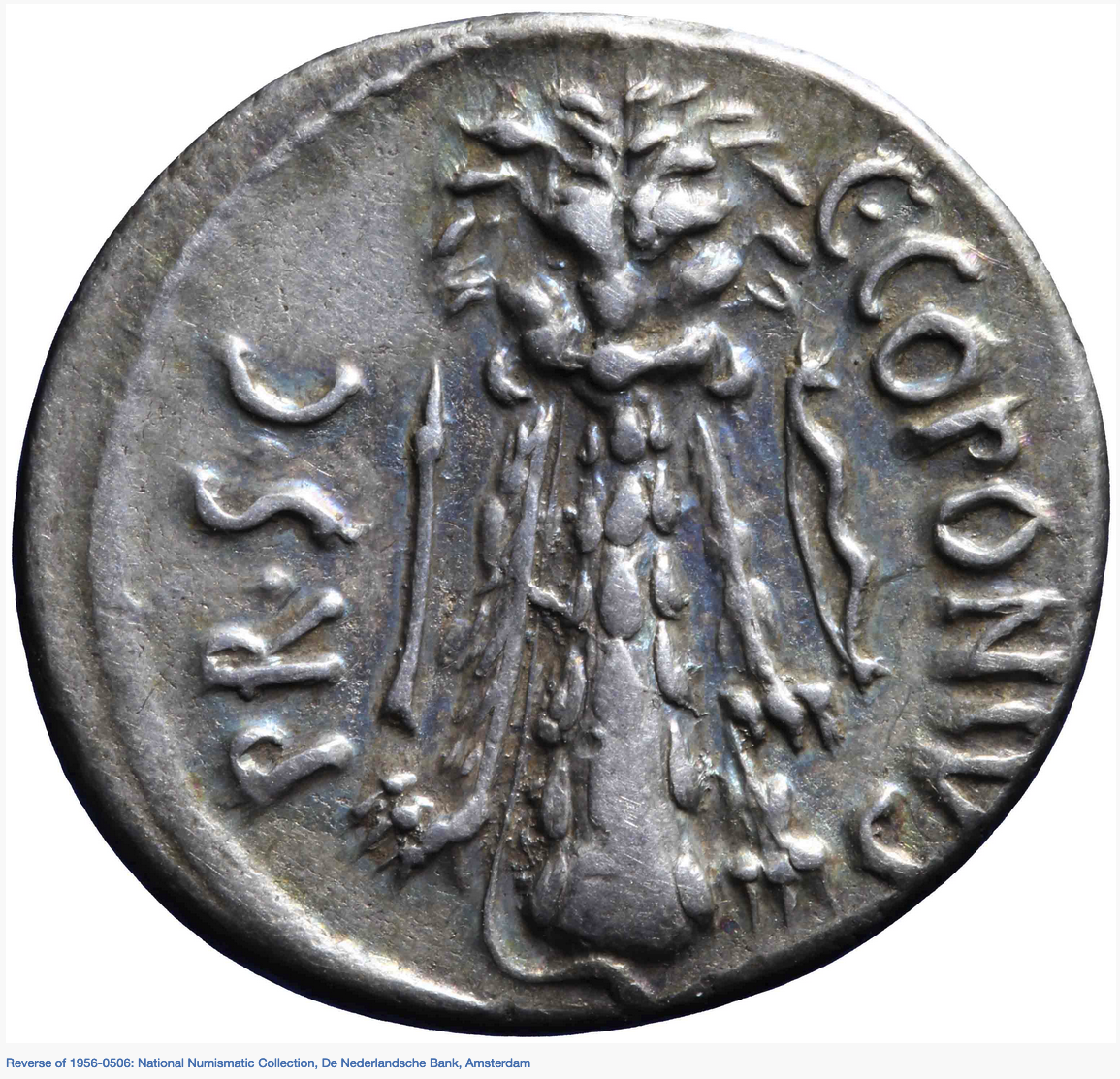
The part that gets me is how much the youthful helmeted male head on the obverse reminds me of youthful (beardless) Mars on the Roman series. This is a topic I love on the blog (RRC 27/1, Berlin Specimen shown here).

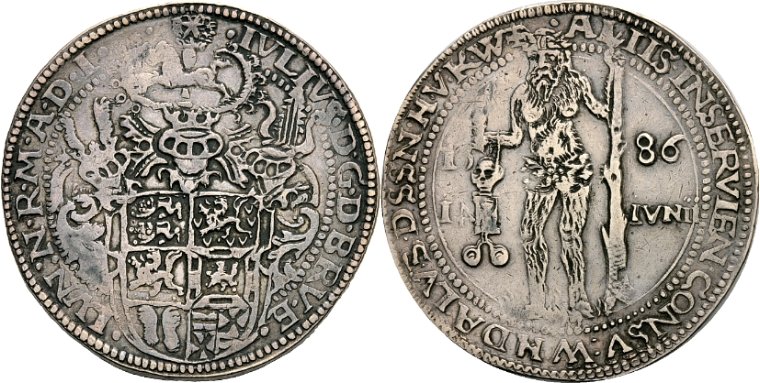
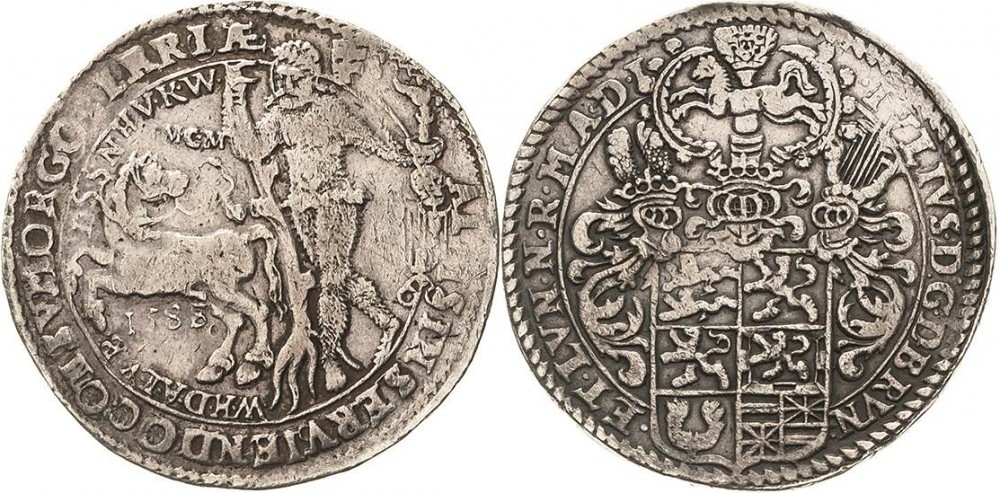
But the other thing is that like so much Hellenistic coinage the Cibyra coinag is signed with a great variety of symbols and monograms. I wasn’t going to blog this coinage until I spotted this monogram. Because Antonius is rendered Antony that was my very first though. Of course, that is not the likely resolution. The N is topped in all likelihood with a Greek “Pi”.

There is supposed to be a Kibyra coin with this monogram in the Ashmolean SNG but it is not on line yet. None of the BM coins are photographed yet. None are listed in IKMK. The ANS has not photographed any of their silver specimens of this mint. Paris has only one specimen:

And yet 22 specimens with this anchor and monogram have appeared on the market starting in October 2022 nearly all (excepting 2) from a single auction house. Images below.

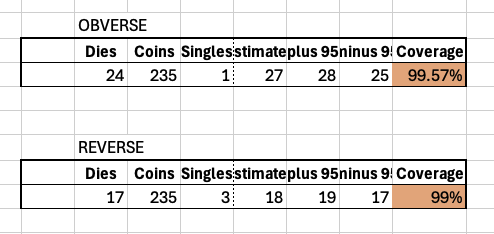
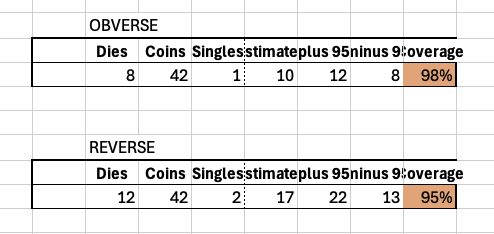
Since 2001, some 172 AR coins of Kibyra have appeared at public auction, yet before 2022, none with this monogram. There is an average of 7 coins per year over the whole time . But if we restrict the average to 2021 and before, the average is only 3 per year.

Just one auction house has sold 72 of these coins, and there sales seem to be driving the market trend.

The anchor/monogram coins are not the only types to proliferate in the recent sales there are also many with IO. However there are also specimens with very clear full names of local individuals:

link to image source

This now dispersed hoard was of immeasurable historic value for reconstructing the history this city, the region, and its relationship with Rome. That possibility is now lost. Ogollis named on the above coin is a name known to have been a father of the Dynast Moagetes. The name appears in a treaty with Rome from 188 and renewed in 174. This hoard intact and with deposition data could have provided us a full chronology of this mint and let us better understand the influence of the Romans and the economic power of this city and its dynasts.

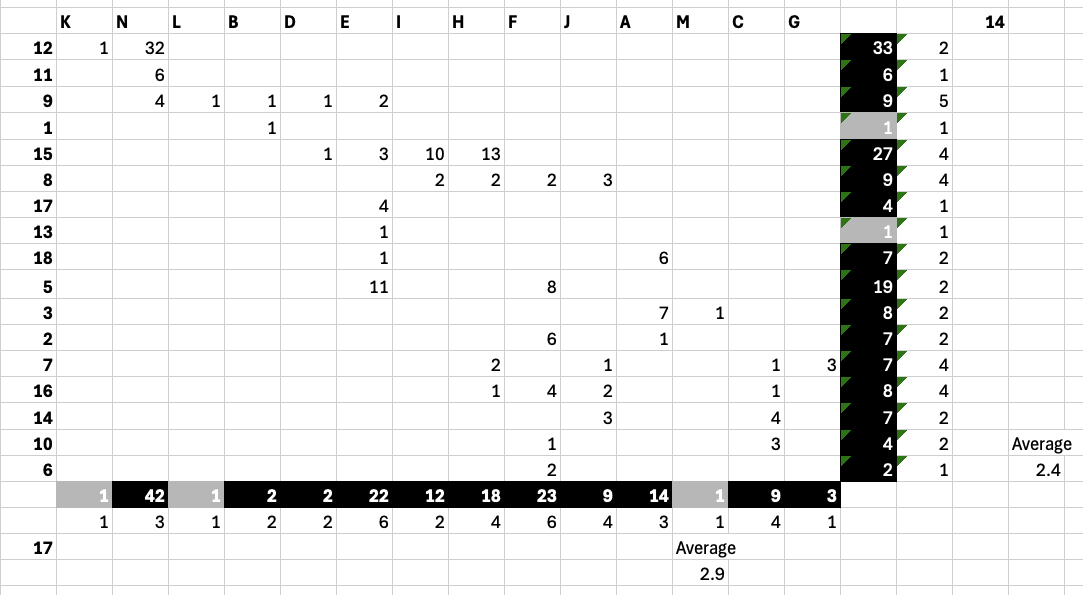
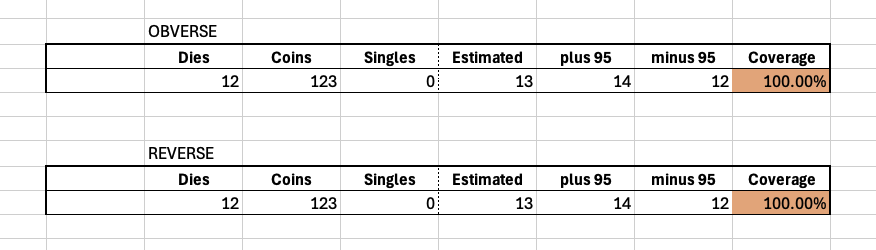
A quick glance over these coins will show you that there are many die links:


Prelude to Empire

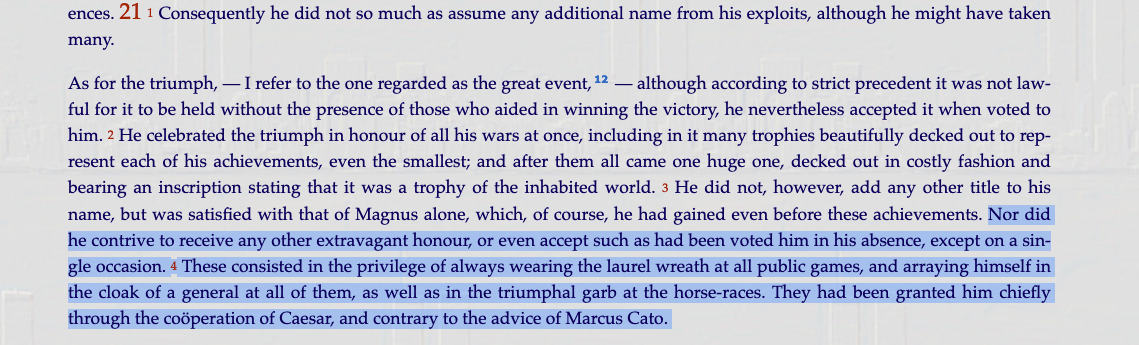
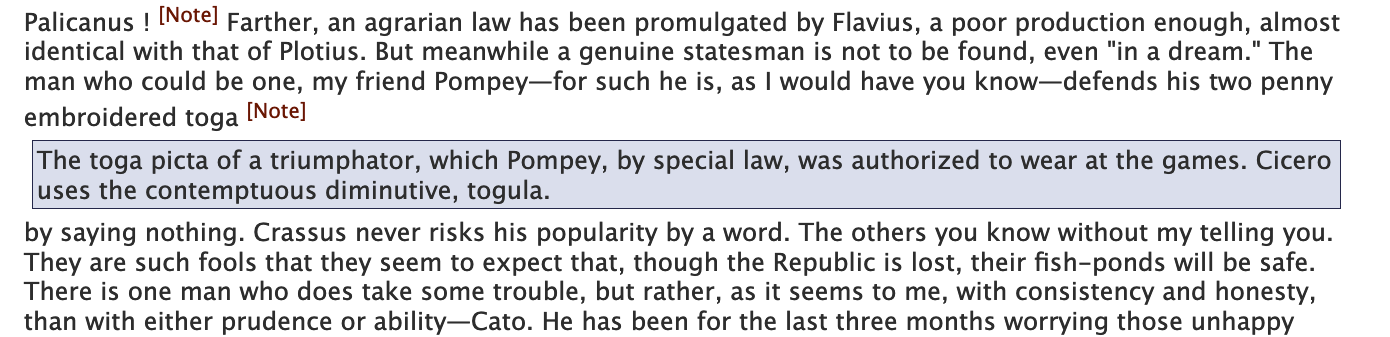
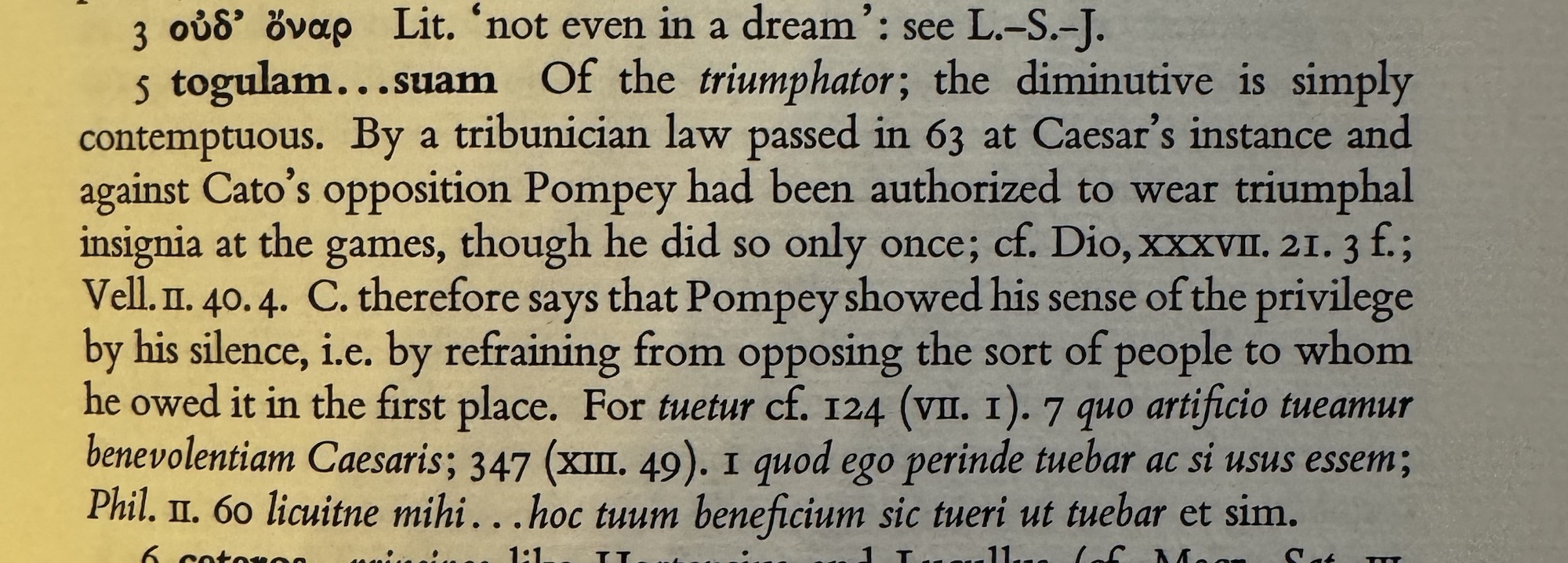
I’ve long thought that Pompey is the true predecessor to Augustus. Caesar’s model got him stabbed. Had Pompey held Rome and pushed Caesar off, the Empire could have started and continued with different dynasty but much the same framework without the horrid triumviral period. Perhaps a fun alt history novel but actually relevant for seeing why the empire ended up running as it did. The seeds were all in existence long before Caesar left Gaul.

Cic. F.3.2, June 50 BCE To Appius

Pompey in the the above passage is already PRINCEPS and Brutus is already FIRST among the IUVENTUTIS. There is almost an identical passage in F.3.10 written to Appius the previous April.

The above passage follows on from one of the best articulations of the problem and political character with all maiestas charges, i.e. the idea that someone can be put on trial for weakening the state for basically any reason. This was the primary charge used to suppress dissent against the imperial house under the Empire.

This post is likely to grow as this idea develops. I’ve been meaning to collect passages of this sort. I also mean to collect references to Sulla in the letters, but that can wait until I’m back on my book 3 project as there is a chapter on Sulla in the works.

The Sibyl’s Hair

Michelangelo didn’t really care about hair. What he wanted to accomplish was good muscles. I only got here because I have a chicken and the egg problem for the obverse identification of RRC 491/2.

Does Crawford think that this is the Sybil because of Michaelango? Not an exact match but clearly some similarities in the wrapping.

The identification is open to interpretation. The Sibyl does not have a fixed clear iconography as far as I can tell. The only image I know of where it is clearly labelled in antiquity is RRC 411/2.

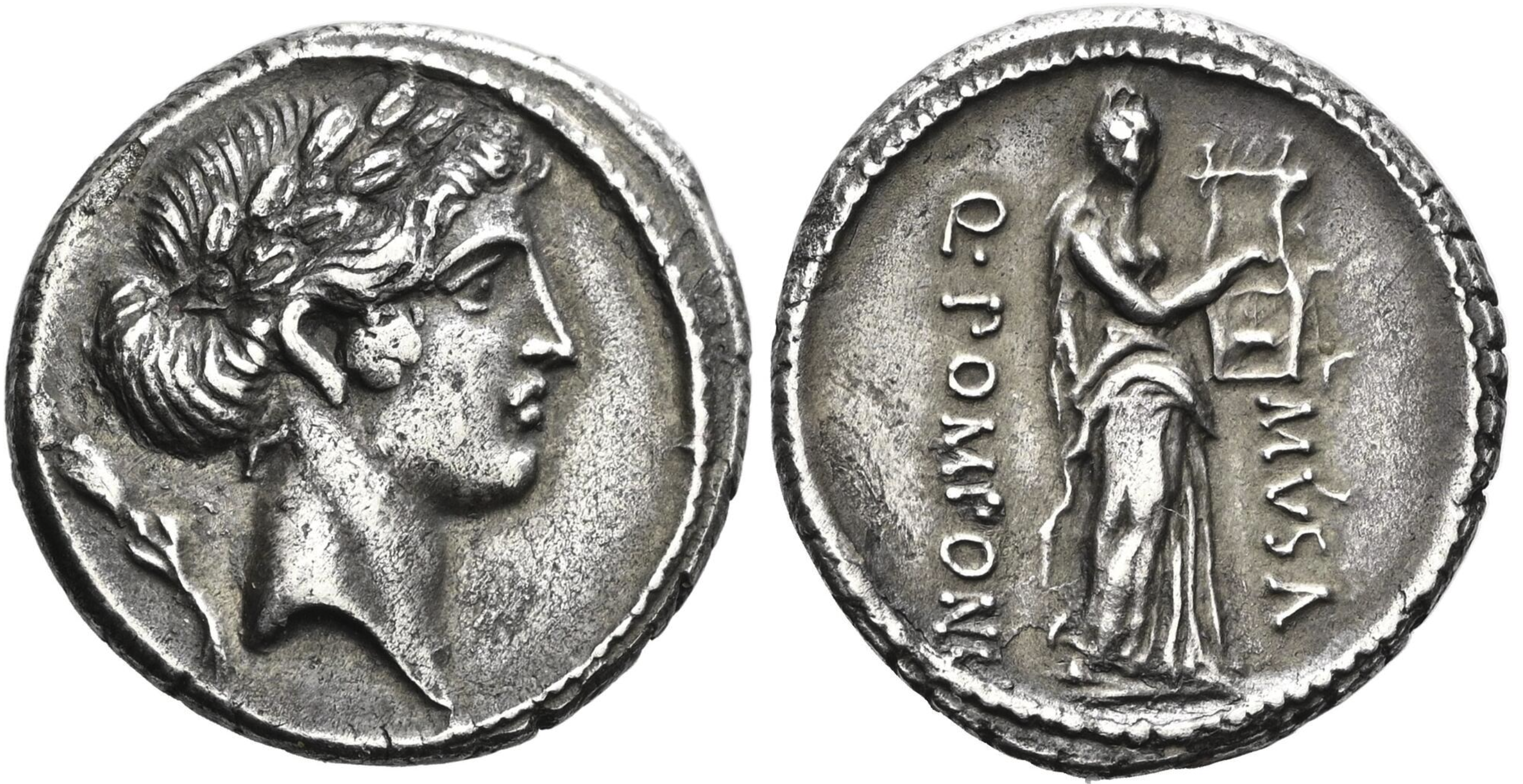
If the engraver hadn’t labelled the head I’d probably have identified it as Apollo. A nice bit of support in its own way for Phil Davis’ ID of the obverse heads on Musa’s coins as Muses with attributes not Apollo and controlmarks (RRC 410). I’ve blogged about this back in 2020 where I was slow to be convinced, but now my mind is very settled. I also found this post with dead links from 2021 on the same topic: a reminder to myself to screenshot everything I want to save.

I see why Crawford made RRC 411 follow RRC 410 in relative chronology. I’d not be surprised it hte obverses of were carved by the same hand. BUT Hollstein and Hersh and Walker would put the Muses in 56 BCE based the Messagne Hoard (Mattingly would move it to 52 BCE); Hollstein would put the Sibyl in 61 and Hersh and Walker in 58 BCE. Clearly more evidence is needed. Perhaps something that could be tested using Lockyear’s CA method of Hoard analysis.

Ok back to the Sibyl on the RR series. RRC 464/1 is dated to 46 BCE and the whole series is seen as celebratory of Caesar’s expected return. The obverse bears some resemblance to the later Norbanus Cestius type above.

Crawford speculates that this particular type might connect to the coinage of Gergis in the Troad and thus perhaps Caesar’ Trojan ancestry. While sphinxes are common on coinage, Crawford is right that it is Gergis that is most consistent at pairing the sphinx with a female head usually interpreted as Herophile the Sibyl. That said almost all Greek sphinxes are male including those of Gergis and the two obverses don’t bear any resemblance. If it is meant to evoke the Troad it does so through imposing Italic imagery.

The many breasted Sphinx is most well known from the cistophoric and gold issues in honor of Augustus made in Asia Minor.

I’m surprised that various literature searches turned up zero connection between sphinxes and sibyls: the obvious connection is that according to Greek legend the sphinx was something of a prophet. And, very contradictory accounts of who Herophile is (of Marpessos: Tib. 2.5.67-68 and Paus. 12; of Eyrthrae: Plut. Mor. 401.14 and Paus 12.;also Paus. 12: of Apollo Smintheus, of Samos, Colophon, Delos and Delphi.). A female sphinx is known on the poorly understood coinage of Vulci.

Berlin

Notice on the Vulci coin how the male head is surround by a squiggly line. Almost as if the head is disembodied and laying on a cloth. I’m reminded intensely of both Caput Oli (on which see my 2018 glasspastes article and this blog post) and how this might be related to the Tarchon and Tages imagery from Etruscan art on which see de Grummond. I must write her about this coin. I really think she showed in a public lecture scenes where the head was in a bag… Perhaps the logic is the same: sources of prophecy.

Here’s Literary testimony on the moneyer’s later career:

Florus 2.33.56.
Appian
Dio 54.5 22, BCE

Ok back to so called Sibyl iconography, next up is Acisculus’ denarius from the next year (RRC 474/3) and if it exists, his sestertius (RRC 474/8).

From Schaefer Archive. I’ve put in an ILL request for Maull, Irmgard: Ein unveröffentlichter Sesterz des Lucius Valerius Acisculus aus dem Jahre 45 v. Chr. [A] ·» 433-6 in BfM Jg.80 (1956) which is Crawford’s citation.

Acisculus’s female head is paired with Apollo (a good start for a Sibyl, but remember so is Europa in this same series!) and has a similar hair style to Carisius’ if not actually identical at least they are both up, textured, and with many ribbons. I’d even go so far as to say they both have ivy flowers over their ears.

That’s it for sibyls but not for women with complicated updos on the RR series whose identity is disputed. RRC 405 series as two maybe 3 or four such obverses.

RRC 405/3
RRC 405/1 – Schaefer archive image
RRC 405/2 – Schaefer archive image
RRC 405/4. – BM coin

I think the solution to the lady with an up do may lie in the similarities between these images. All of 405 is usually taken to relate to the cult of Fortuna at Praeneste which also had divination functions.

How does Michaelangelo fit in? I’m not sure he does but I suspect like everyone else he might have been looking at coins…

Lares as Objects

Arachne Link

There are many images of Lares both 2D and 3D, but very few that show more lifelike interactions with the physical Lares in people’s homes. This is the least photographed side of the Belvedere Altar (now in the Vatican). I like how it shows the statues being encorporated into a religious ritual. I;m also interested how the person presenting the object to the celebrant (paterfamilias?) is female (matrona?).

There are Lares on republican coins but not this domestic varietal, but rather those of the crossroads (RRC 298/1; on which see my 2015 publication on Ulysses Redux).

Scandalous Miniature Portraits

From Lundén, Staffan. (2023). Looting and learning: Teaching about the illicit antiquities trade and professional responsibilities in higher education. International Journal of Cultural Property. 30. 1-22. 10.1017/S0940739123000073. A super interesting open access read. 100% recommend. Conservation and discussion of conservation may obscure 1980s looting of said object and others.

I got to the above miniature looking for what type of object Cicero’s letter might refer:

A.6.1.25, Feb 20, 50 BCE

in his inventae sunt quinque imagunculae matronarum,

Who commissioned these images? Did Vedius to flatter his mistresses/admirers into thinking he couldn’t live on his travels without seeing them? Are we to believe the women commissioned them as lover’s tokens to send with Vedius? Are there other options?

There is no suggestion of medium. Were they panel paintings? Or more durable media? When we think of images fit for travel we think of the little gold glass medallions (which I’m delighted to see also are faked throughout the 19th century). BUT these types of objects really don’t get going until the 3rd century or later CE.

Example from Turin

What is remarkable is that Cicero is confident he knows the identities of all five women and that one is Brutus’ sister (Bruta = stupid) who married the future triumvir (Lepidi = charming).

The assumption must be that the images are life-like enough and/or clearly labelled but the former is what seems to be implied.

But I guess if this was my neighbor I’d recognize her…

Stuttgart, Landesmuseum Württemberg, Antikensammlung 7.2 (formerly 131 / Mp SS 2/8)

Historical Knowledge among the Romans

This is a portion of a chapter I wrote in my edited volume with Chris Smith, published back in 2011 (you can find a full pdf here). It talks about one of my favorite examples of Cicero conducting historical research and the problem of knowing the Roman past for the Romans themselves. This is a topic at the heart of my now stalled third book project. Stalled isn’t the right word. I’m pausing and prioritizing other forms of work…

Anyway. I love this bit of my earlier writing. I think about it a great deal. In 2018 I published another deep dive in to Ciceronian knowledge making as a means to think about fragmentary texts. (Again a pdf is available here; look for Diodoros.)

Today I found a passage I must have read many times before and yet didn’t remember when I was writing either of these two earlier publications. Brains are funny. I remember more now that I can just search my blog for key words.

A.6.1 (20 Feb 50 BCE, Laodicaea)

The six books are his republic. The question is are their two Cn. Flavii or just one and when did he live. Cicero defends his assertation. The passsage is missing from our fragmentary copy of his Republic. Oh to have Cicero’s thoughts on the Calendar.

DPRR

However I care far less about whether there are one or two or when they lived, what I care about is that Cicero and Atticus have a few historical nuggets and beliefs about the past and from that they make sense of the pieces and stitch them together. It is even plausible to Cicero that Africanus would not have thought he was misspeaking in any way.


Later in the same letter Cicero is still thinking about historical knowledge:

Is this truly ignorance or is it inflation of honors like we see on the coins? RRC 415/1 is always my favorite example. Again citing myself (but alas I can’t give you a free pdf of my whole 2021 coin book):

The other part of the passage that is so delicious is how the topography of Rome itself is invoked as evidence for historical arguments.

This final portion of the same letter seems to echo the earlier concerns:

S-B would have us compare Plut. Ant. 60 and Dio Crys. Rhod. Orat. 31.

Cicero the Initiate

Romae intercalatum sit necne, velim ad me scribas certum quo die mysteria futura sint.

A.5.21

This is a late postscript in a letter to Atticus in Epirus from Cicero at Laodicaea on the 13 of February 50 BCE.

Neither Schuckburgh or S-B suggest what the Mysteries could be and presume the answer is unknowable. Of course the Romans had voluntary initiation rituals already at this date associated with any number of gods (Dionysiac, Isis, etc…). But none of this really seems really in keeping with Cicero’s own attitudes which tend to be skeptical leaning into out right condemnation

My first instinct is that what Cicero wants to know is if there is any chance he can attend THE Mysteries, i.e. the most famous and prestigious, Eleusinian Mysteries outside Athens.

Cicero and Atticus were both initiates and fell these were the only type of ‘mysteries’ including nocturnal rites and secrecy that should be permitted.

Loeb link

These Mysteries were held on the 14-23 of the Attic Month of Boedromion. While ostensibly this fell in the season we associate with Sept/Oct, how it lined up the Roman calendar is wholly unclear to me as both Athens and Rome did their own v different intercalations.

I’m guessing Cicero wants to know if he can catch the mysteries on his way back to Rome if he leave Laodicaea on the July 30. Not for his own initiation, but probably to ensure his son and he and Atticus’ nephew were able to initiated. The postscript isn’t about his political commitments but instead falls in the domestic affairs section and part of the goal of his governorship was some experience and acculturation of the boys who were approaching the age of manhood.

Speculation, but I think a better one than those I’ve read.

It is also possible that Cicero was interested in the rites on Samothrace or Lemnos both of which could have been included on his route home, if he had wished:

Loeb Link

Even as Cicero himself sees these as drawing on natural phenomenon:

quibus explicatis ad rationemque revocatis rerum magis natura cognoscitur quam deorum.

Loeb Link

Cicero was aware both of a long tradition of Magistrates stopping at Athens enroute from provinces and that the timing of the mysteries themselves were non negotiables. The above passage was written in 55 BCE. The words are attributed to Licinius Crassus (cos. 95) and is referring to an incident c. 110 BCE.

cf. Kuhn, Annika B.. “Ritual change during the reign of Demetrius Poliorcetes.” In Ritual and communication in the Graeco-Roman world, Edited by Stavrianopoulou, Eftychia. Kernos. Supplément; 16, 265-281. Liège: Centre International d’Étude de la Religion Grecque Antique, 2006. Interprets demands for ritual change as expression of authoritarian power.


MY whole logic seems to fall apart when we get to a letter from just a week later:

end of A.6.1

But everything else about the passage is focused on Athens and specifically Eleusis… What makes the Mysteries Roman? Did they conduct special initiations for Romans? I just don’t know enough… S-B doesn’t indicate any problem with the manuscript and this particular word for all some of the surrounding text is disputed. Could Cicero have asked for the ROMAN date of the Mysteries…?

faciesque me in quem diem Romana incidant mysteria certiorem et quo modo hiemaris.

Look I know changing the Latin to fit one’s wishes is a bad precedent. But if an Romana could be shifted to modify diem all would be fine. If we fast forward to 44 BCE when Cicero really should have taken this vacation he was thinking about to avoid Antony, we see again Cicero asking about the dates of the Mysteries and here no one would assume it meant anything other than those at Eleusis:

And we known that Cicero was aiming to stop in Athens on the way home and to try to see Atticus there:

End of A.6.2. Dated first week of May.
A.6.3. June. Cilicia.

Loeb Link

Boyancé, P.. “Cicéron et Athénes.” Ἐπιστημονικὴ Ἐπετηρὶς τῆς Φιλοσοφικῆς Σχολῆς τοῦ Πανεπιστημίου Ἀθηνῶν XXIV (1973-1974): 156-169.

Politics of Intercalation

This isn’t a new thought, but it is perhaps an under thought, thought. We know the the republican calendar was all kinds of F-ed up. Hence the Julian Calendar, on which see Feeney who gloriously side steps the question:

Suet. Iul. 40

Typically intercalary months were every other year.

Plut. Num. 18
Plut. Caes. 59
Loeb commentary on Antium Calendar

52 had been intercalary, hence the fear that 50 would be too.

Cic. Mil. 5

Cicero doesn’t want an intercalation in 50 because it will extend his time in the province.

A.5.13.
A.5.9
F.7.2

Curio seems to have been upset enough that the Pompeians didn’t put in the intercalary month that he defected to the Caesarians in early 50 BCE.

F.8.6.

So why would someone be for or against such a month?

My hunch is that it is a big financial burden on those who have borrowed money. If you believe tessarae nummularia really are payment verification tags (not everyone does), these suggest the idea:

Rufio / Vevei // sp(ectavit) Kal(endis) Int(ercalaribus) // Cn(aeo) Po(mpeio) M(arco) Li(cinio) II

 TermeDiocleziano-01, p 205 = AE 1992, 00177 (55 BCE)

Theumnest(us) / Bai / sp(ectavit) Id(ibus) Int(ercalaribus) / C(aio) Iulio M(arco) Aem(ilio)

 CIL 01, 02986 (p 961) = ILLRP 01059 (46 BCE)

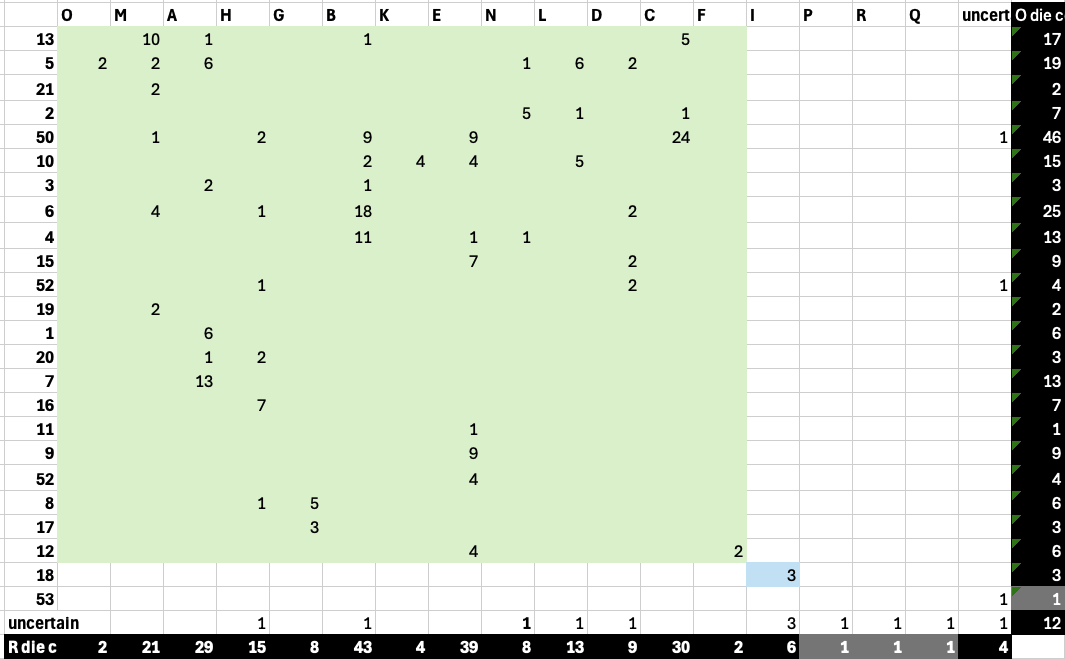
I’ve had a cursory look through the books on the finance/economics/banking on my bookshelves and can find nothing about intercalary payments.

We might also call in as support Plutarch’s testimony to the intercalary month being named ‘payment month’. Some believe that this is supported by an M visible on the following Fasti from Urbs Salvia (CIL 09, 05564 = InscrIt-13-01, 00035 = AE 1926, 00121 = AE 2018, +00835):

BUT there are more inscriptions that just call the month Intercalares from Roman tombus, e.g. CIL 06, 8224, 8225 8259, 8295, and 8368, all c. 2nd half of first century BCE.

Significant testimony on intercalation comes from Macrobius, Saturnalia 1.12.39 following.

Michels 1967: 168 says the following:

Her citation to ulterior motives are:

Cic. Leg. 2.29

Plut. Caes. 59

Suet. Caes. 40

Solinus 1.34-47

Censorinus De Die Natali 20.1-10

Amm. Marc. 26.1.7-14

Mac. Sat. 1.12.38-14.15

She gives full original texts without translation of all in the proceeding pages.


Bennett, Chris. “Evidence for the Regulation of Intercalation under the Lex Acilia.” Zeitschrift Für Papyrologie Und Epigraphik 151 (2005): 167–84. http://www.jstor.org/stable/20191985.

Brind’Amour, Pierre. Le calendrier romain: Recherches chronologiques, Collection d’études anciennes de l’Université d’Ottawa 2. Ottawa, ON: Éditions de l’Université d’Ottawa, 1983.


Anyway. I think the intercalary months likely did have financial ramifications… And I want to think more about this.

More on Moneyers and Consuls

RRC 415/1
RRC 417/1
(source)

We don’t know all the services Paullus offered Cicero but we do know one. He echoed the rhetoric of concordia on his coins to support Cicero’s controversial handling of the Catilinarian conspiracy. I discuss this in chapter 4 of my coin book and I’ve got a chapter in my next book on this topic. CF. earlier blog post.

So why repost. Well, it fits so nicely in this moment of the letters where I’ve been thinking so much about the moneyers and consuls and the relationship. So read this as a footnote to the previous posts.

Marcelli and Marcellini

Why is are Marcellini mentioned here? Here’s S-B:

Crawford thought that the Moneyer of c. 50 BCE (RRC 439/1) was the same as the Quaestor of 48 BCE.

DPRR

None of this explains though why the consul was being congratulated by Cicero on the successes of the Marcellini… The family bond between these men is very distant, but perhaps the young man was using the connection to his advantage nonetheless….

Anyway Cic. F. 15.10 certainly makes me think Crawford was right to assign this coin to this year….