All the following images from the above book are in copyright and only reproduced here for educational purposes and private study.
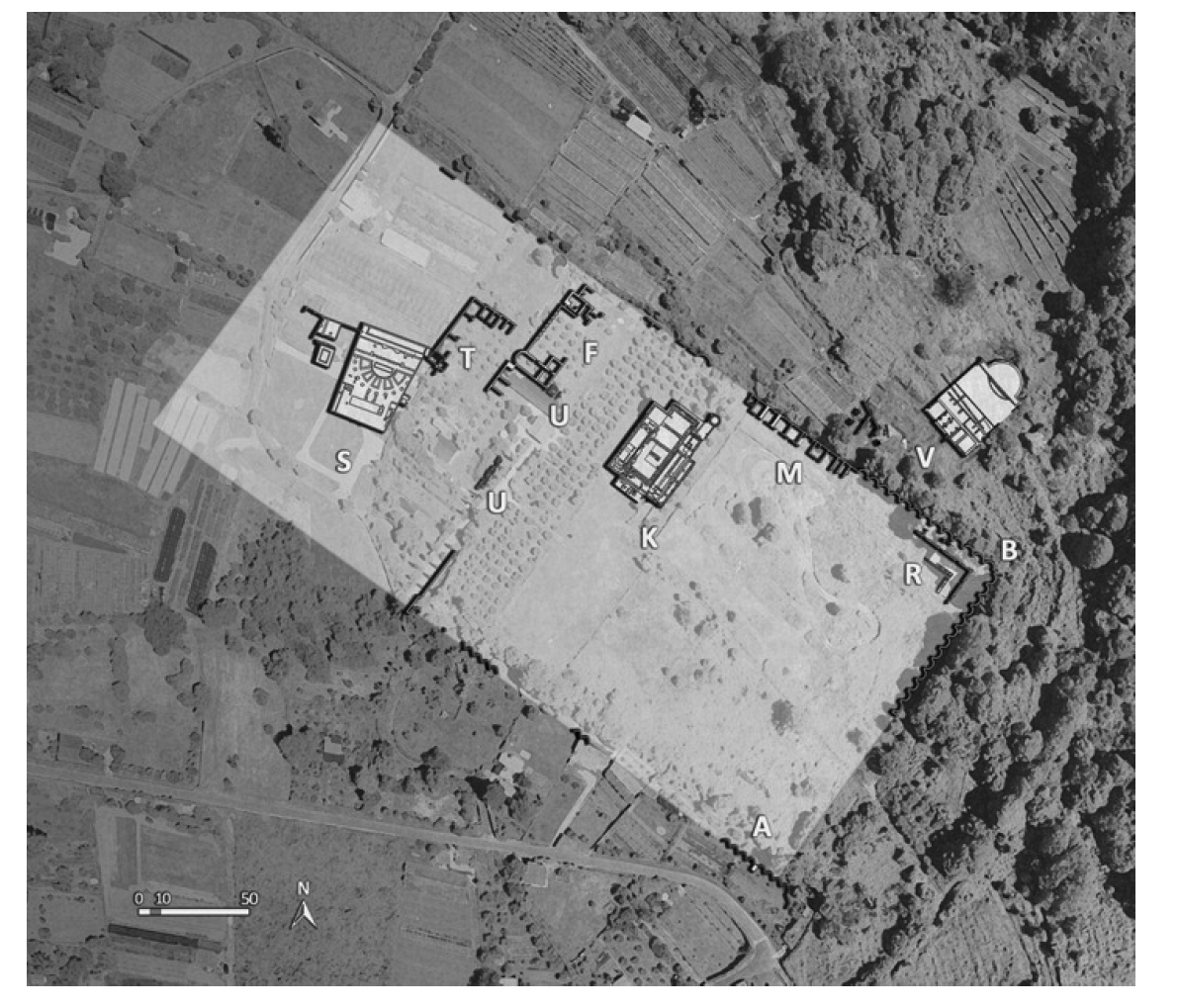
“Excavations and investigations resumed in 2010 in the area immediately in front of the temple (facing the lake) and within the podium have brought to light further votive materials from the Republican and Archaic periods. These items had been left *in situ* during the 19th-century excavations—evidently due to their fragmentary nature—yet they prove diagnostic for understanding the various phases of the building’s history.” p. 31. Last paragraph translated.
There is pre historic remains. I’m skipping this chapter and also the next on the rex nemorensis but may wish to circle back to both later. Also just skimming chapter on construction techniques. Great examples of various phases. Opus reticulatum is a favorite of mine. Also two nicely different Doric orders used for colonnades.
Images from p. 118, close up details follow on p. 119-20.
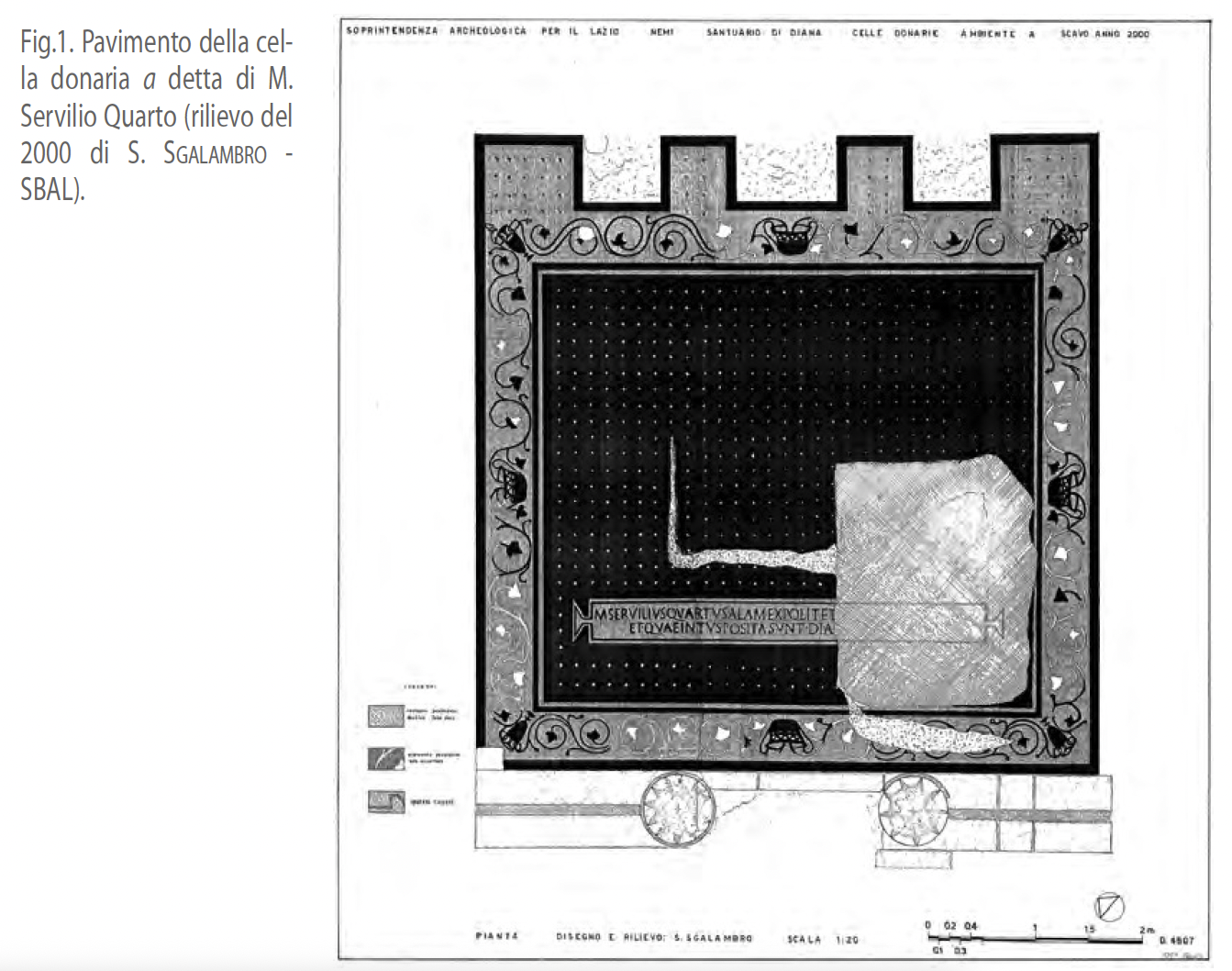
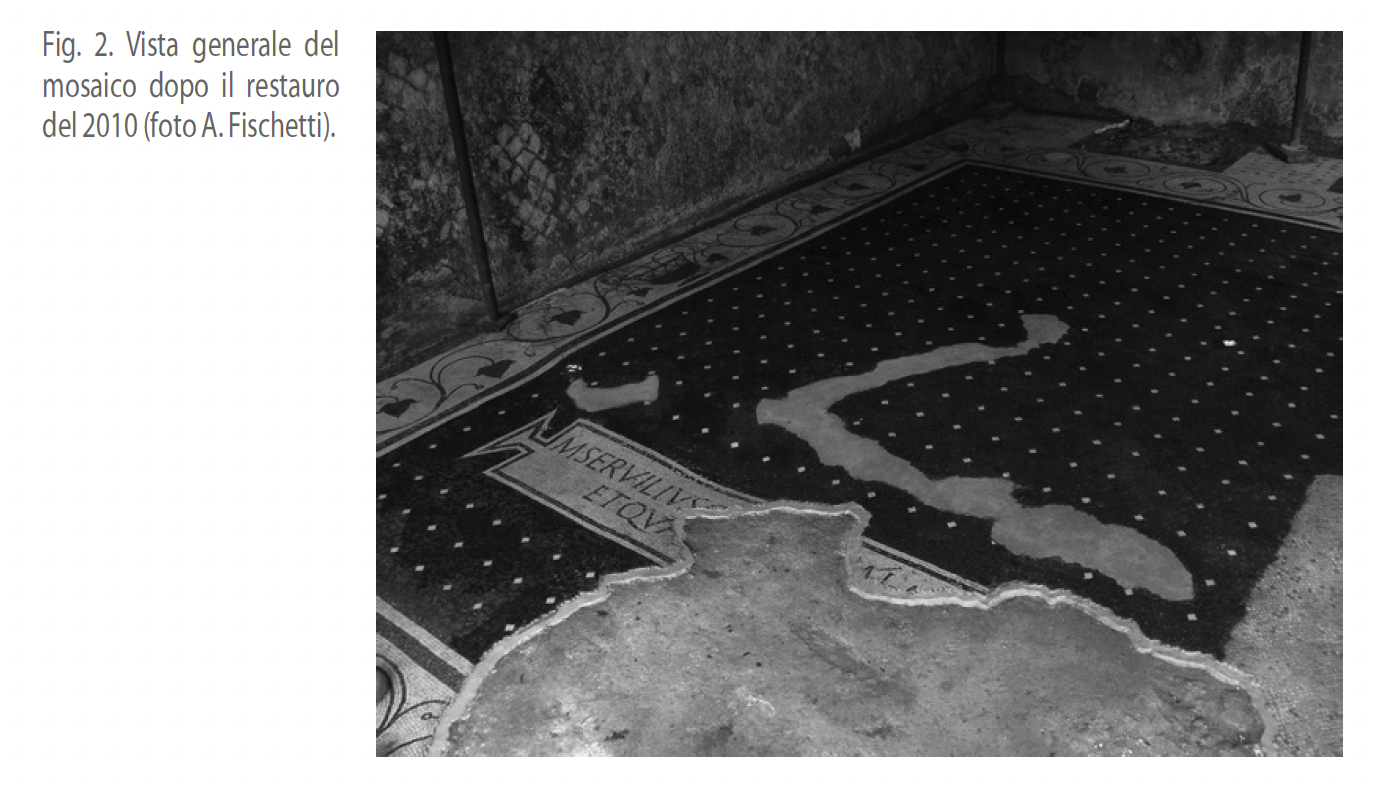
skipping a chapter on mosaic tesserae. The chapter on plaster work is fascinating and makes me so sad so much of the details has been lost. The PDF I’m reading has lots of pictures of colored plaster fragments photographed in B/W. I want to look at the physical book in May at the ICS to see if these are in color there.
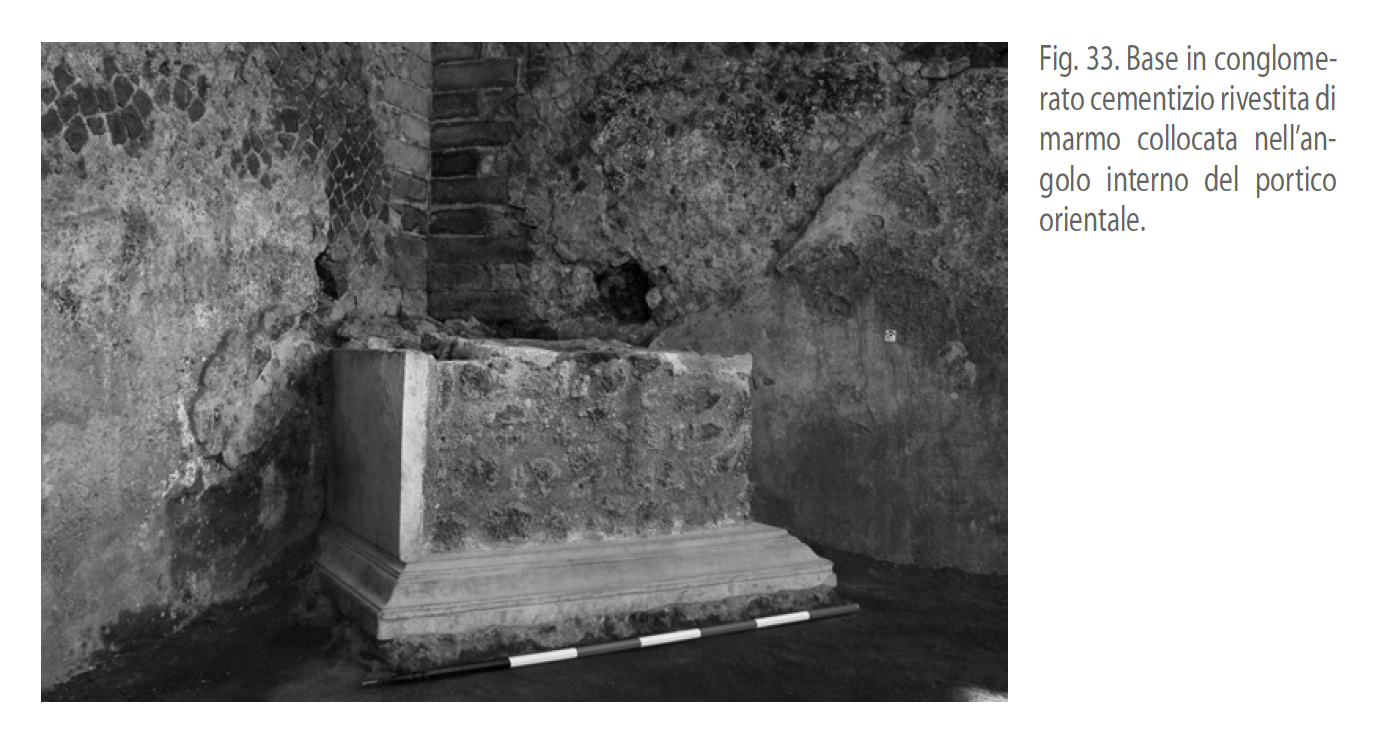
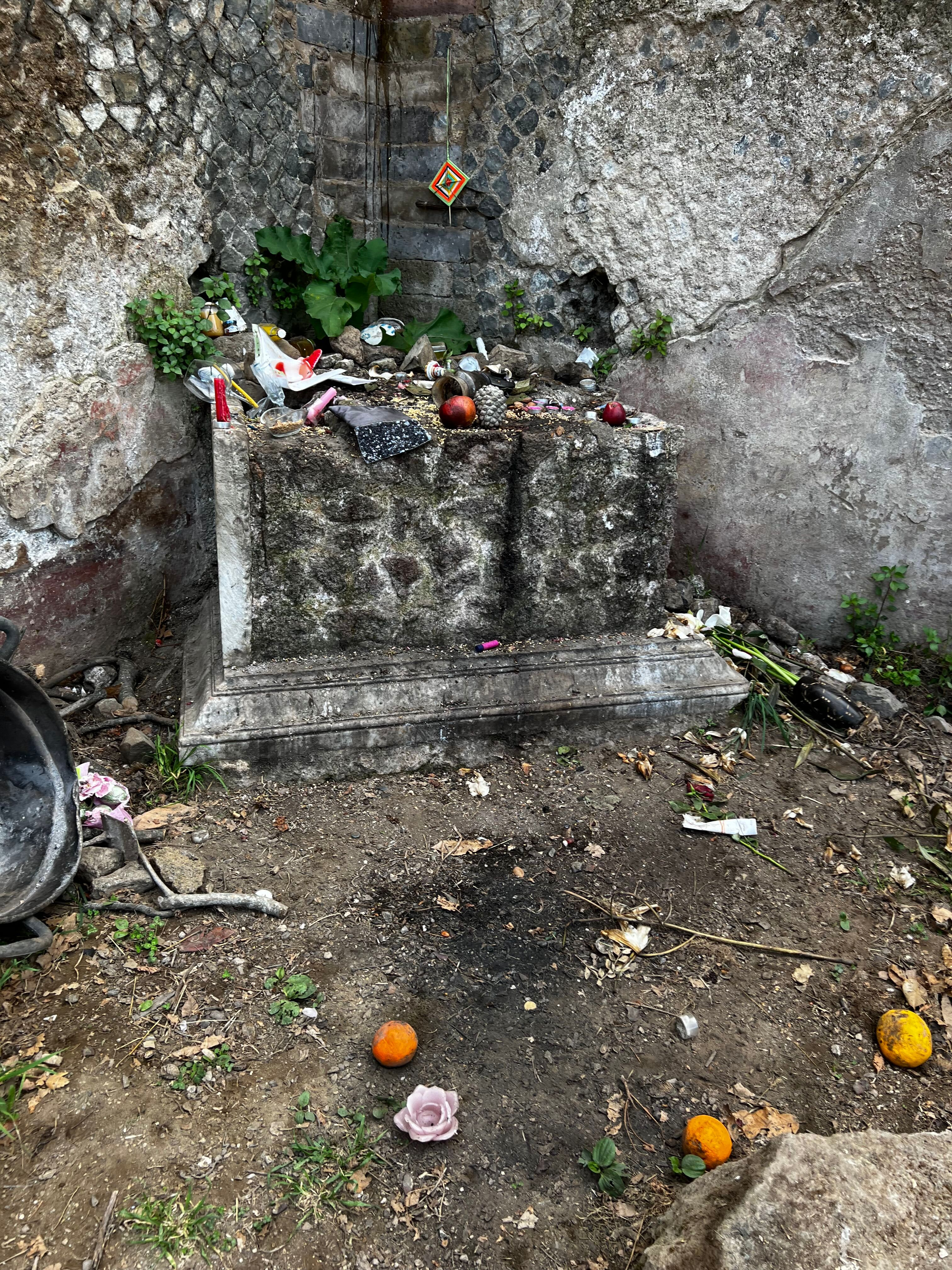
Francesca Diosono-Francesca Romana Plebani’s chapter on LE TERRECOTTE ARCHITETTONICHE E LA COROPLASTICA is definitely meaty and I”m going to slow down here.
Many new elements published here, but not new types. Find spots suggest wider use of certain types across the whole sanctuary not just restricted to certain areas.
“In his contribution—which represents the most recent study on the terracottas of the Nemi sanctuary (alongside Moltesen 2009 regarding the coroplastic material)—Känel reconstructs four distinct decorative phases for the sanctuary’s coroplastic and terracotta artifacts, basing his analysis on stylistic criteria as well as on clay composition and manufacturing techniques: the first is dated to around 300 BC; the second to the mid-2nd century BC; the third to around 100 BC; and the fourth—the final phase—to the early Imperial period. We can now affirm that his chronology aligns perfectly with the findings of recent research—some of which are presented in this very volume—specifically regarding the construction of the Temple of Diana between the late 4th and early 3rd centuries BC. the beginning of the monumentalization of the sanctuary and, perhaps, the second phase of the temple— dating to the mid-2nd century BC. the construction of the extensive system of niche substructures in the eastern sector of the lower terrace and the associated portico, between the late 2nd and early 1st centuries BC; and the Julio-Claudian phase, identified in recent excavations primarily within the area of the nymphaeum The complete absence of terracotta artifacts attributable to the third phase of the Temple of Diana—dated to the middle decades of the 1st century BC—should come as no surprise, given that both the records of 19th-century discoveries and the very recent investigations in the temple area allow for the reconstruction of an architectural decoration for the building composed entirely of gilded bronze.” p. 167-168
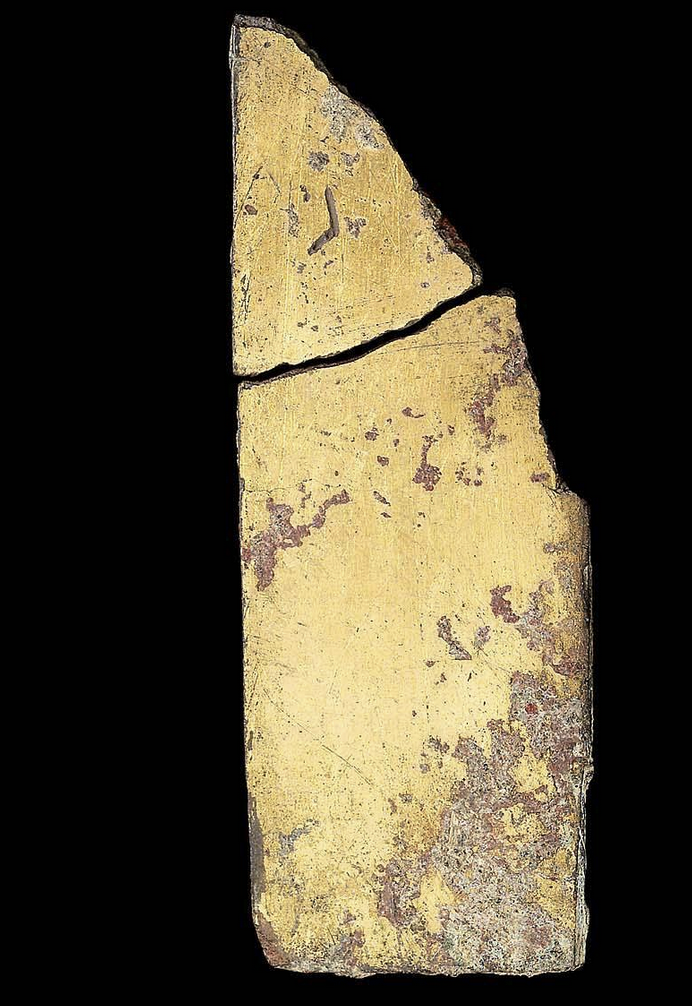
I”m very curious to learn of other gilded pieces that survive with better attribution/chain of custody.
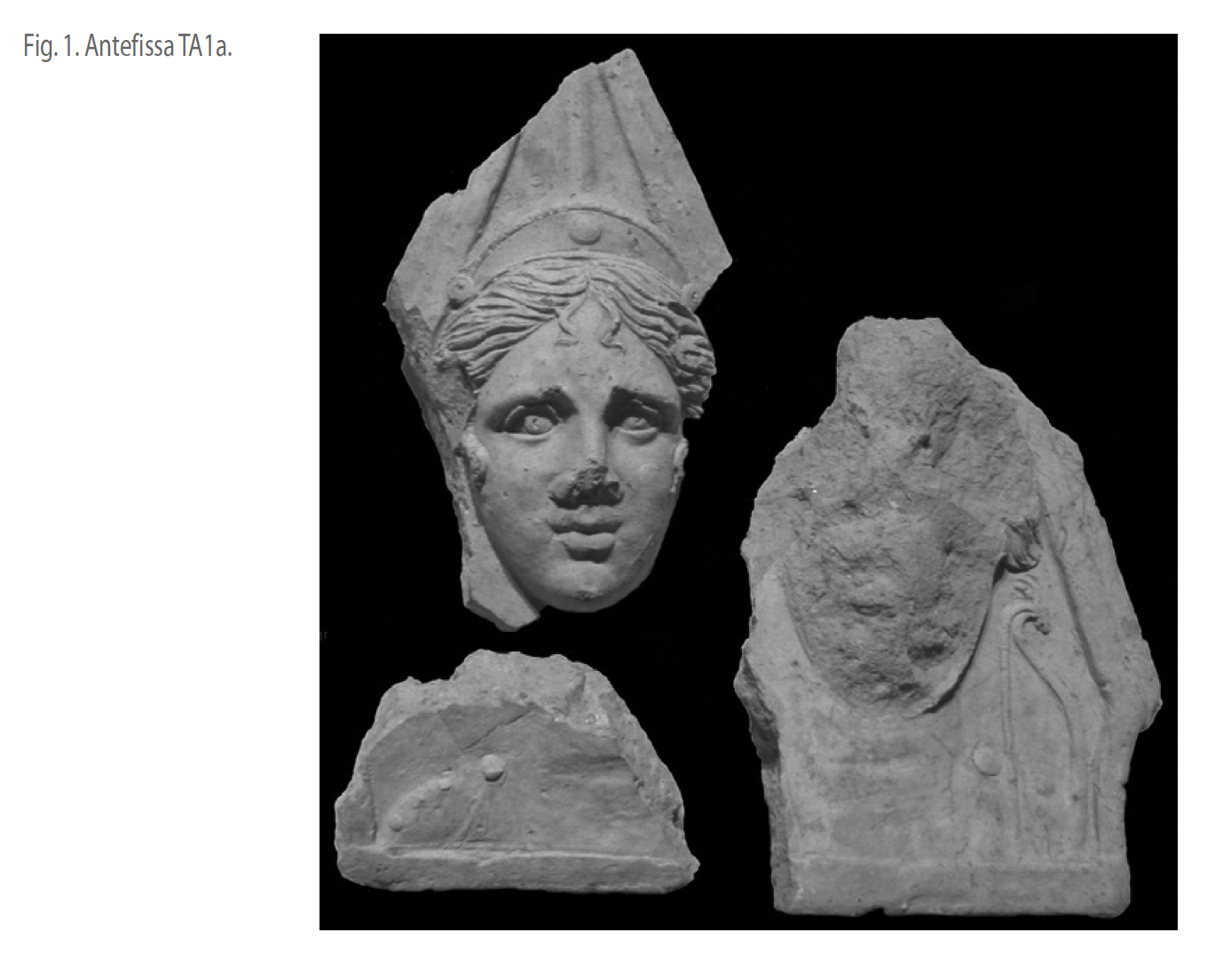
p. 168:
“five distinct types of antefixes from the “cellae” area. Within this context, two main groups can be distinguished based on their formal characteristics: triangular antefixes set on a rectangular base, and palmette-shaped antefixes.”
“Type TA2—an antefix featuring a palmette emerging from a bud flanked by spirals—is datable to the first half of the 1st century BC.”
“While antefixes TA1 and TA2 originate from the north-central sector of the sanctuary’s lower terrace (though it appears highly improbable that they belonged to the Temple of Diana, given that recent investigations surrounding that temple have failed to yield even a single fragment), the fragments attributed to the other types were all discovered within the area of the so-called “votive cells.” These fragments may have formed part of the decorative scheme for those specific rooms, or perhaps for other sacred structures—located on the same terrace or on the middle terrace—that remain as yet undiscovered.”
p. 169:
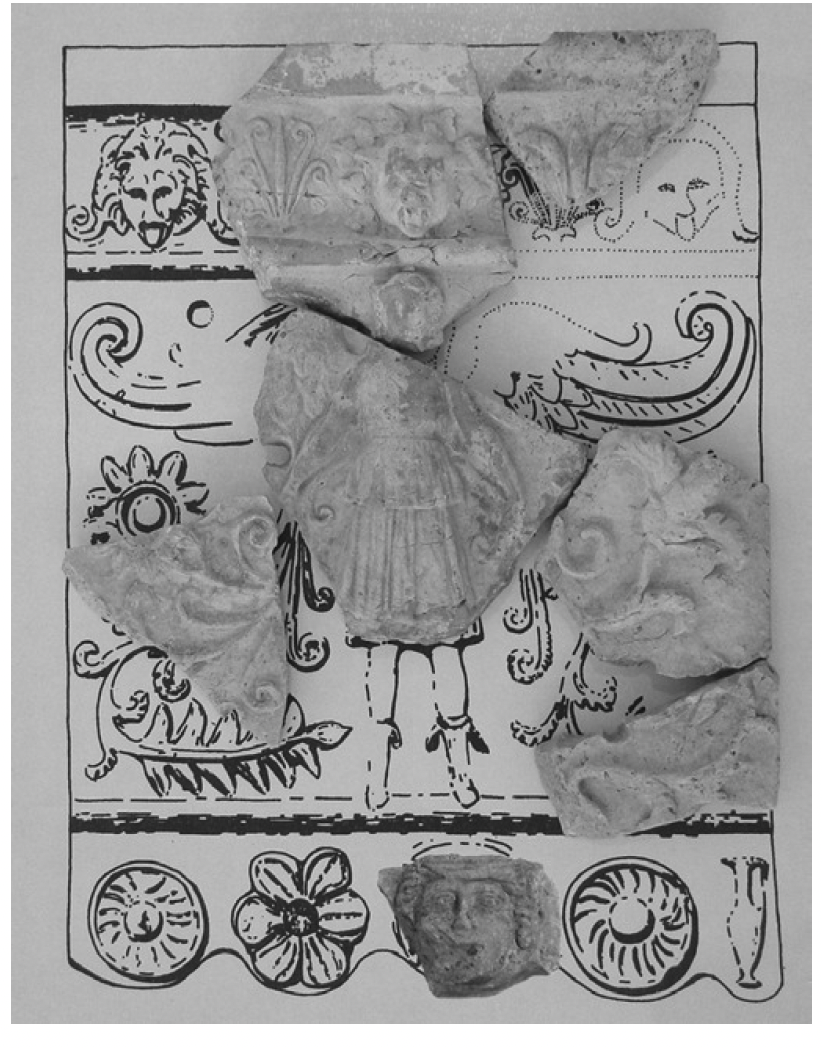
On TA6: “The plaque— characterized by a compositional system that tends to fill the entire decorative field, almost betraying a sort of *horror vacui*—exhibits a close affinity with examples known to date between the second half of the 2nd and the 1st century BC at Luni and at Villalfonsina, in the Frentanian region. In both instances, the general compositional scheme appears to derive from models known in Etruria, Latium, and Campania, dating back as early as the late 4th and 3rd centuries BC.”
The Donna Fiore (Flower Woman) motif is connected to the iconography of Potnia theron (Mistress of the beasts).
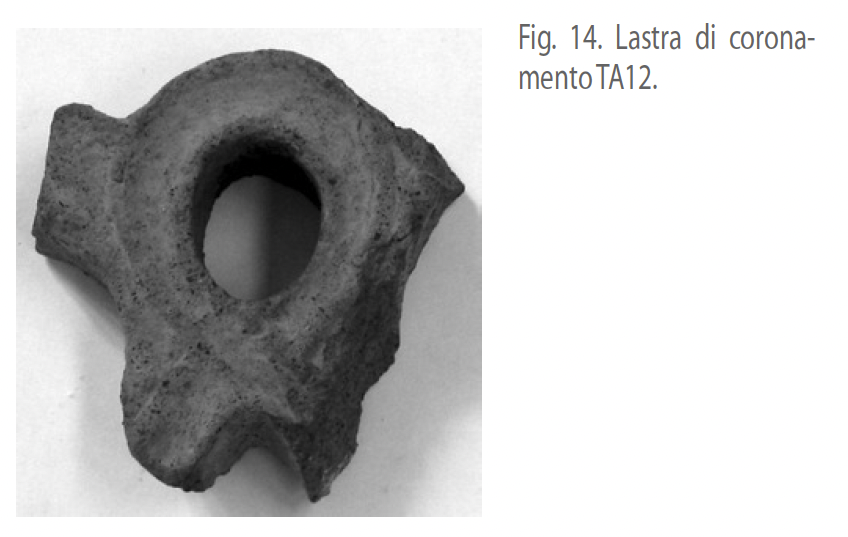
“In general, both the identity of the clays found in specimens traceable to the same models—yet evidently produced using different or worn-out matrices—and the cross-cutting recurrence of the same clay types across various categories of plaques suggest a shared production workshop. This workshop was, in all likelihood, local or regional in nature, responsible for the manufacture of the plaques as well as their replacements, which were required for the maintenance of the various structures’ terracotta decorative schemes within the sanctuary. The sole exception is specimen TA12 which—as previously noted—features a clay composition that, based on the observed characteristics, appears to indicate an earlier chronological date of production compared to the rest of the material.”
p. 175, figure 8 showing TA7a (TA7b, v similar shown next page)
P. 179:
On to the Nymphaeum:
p. 196:
“The few materials dating between the Archaic and Middle Republican periods do not provide specific information on the nature and dynamics of occupation of the area, but they appear very likely connected to the presence of the spring and perhaps already had, at least in part, a cultic function. A few structures in this area can be attributed to the first construction phase, either razed or buried during the construction of the Julio-Claudian nymphaeum. The main one is a circular basin (figs. 2-4), of which only part of the southwestern half has been uncovered.”
p. 197:
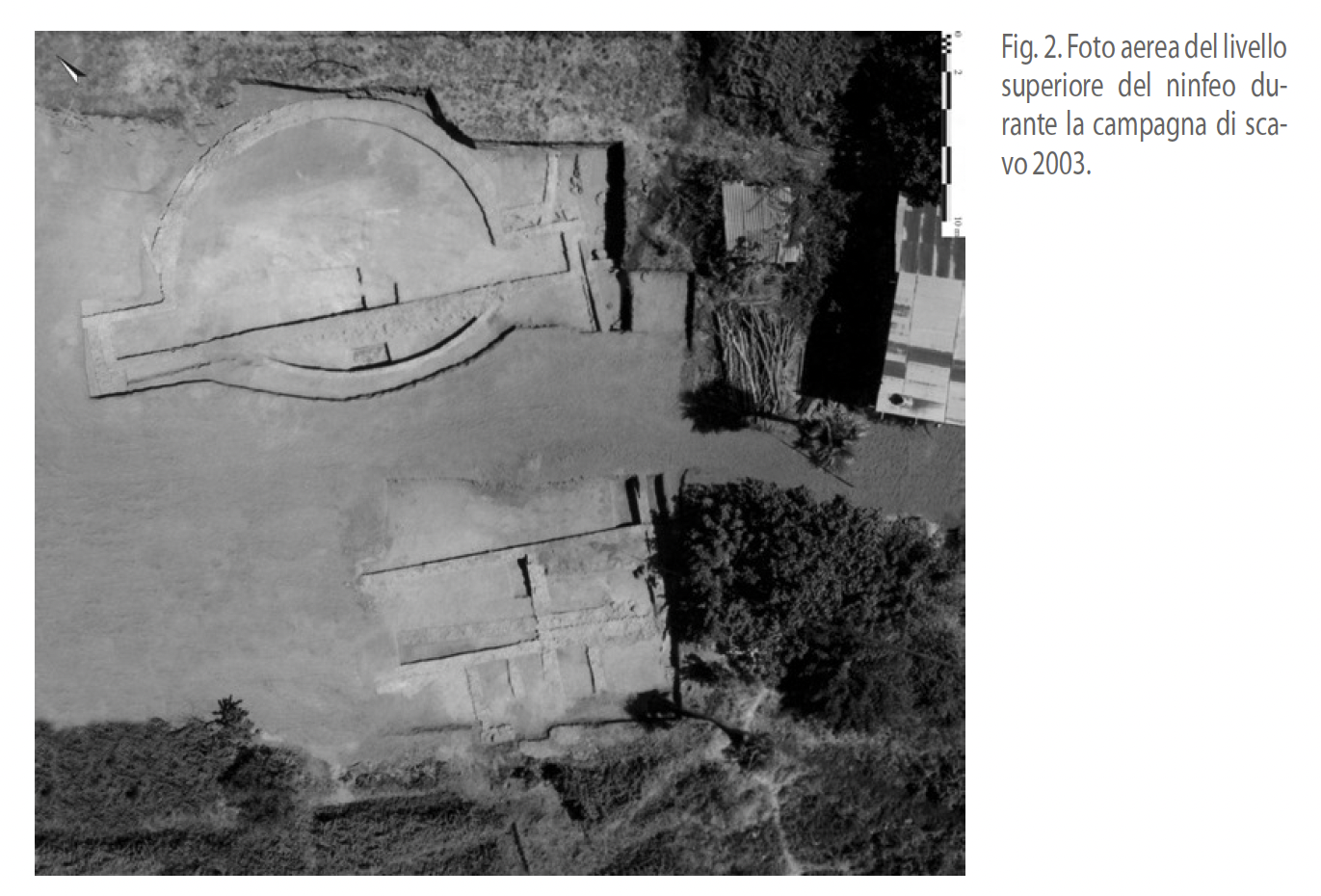
“… the basin was likely open to the sky—as indicated by the presence of hydraulic mortar on the crest of the perimeter wall, in addition to the inner surface of the wall itself. A fillet of *cocciopesto* runs along the entire lower section of the wall where it joins the floor (Fig. 4); in this feature, Paolo Braconi identified one of the prime examples of *opus signinum*—a term which, according to his study on the precise definition of this technique in Vitruvius, should be understood as a hydraulic *cocciopesto* used specifically for waterproofing cisterns. Embedded within this fillet is a lead pipe (*fistula*), designed to drain water from the structure and discharge it downstream. Only the southern sector of the basin could be exposed, as it proved impossible to trace the structures further upstream due to a massive accumulation of fill material and the presence of agricultural terraces situated above.”
Comparison made with cistern on acropolis at Segni
“… suggests that inside the open-air basin there were one or more structures (bases?) surrounded by water, radiated when the exedra was built; this would seem to confirm the not only hydraulic value that this basin must have had within the sanctuary.”
P. 198:
“The sole means of assigning a chronology to the structures of this first building phase is the use of *opus quasi reticulatum* for the retaining wall, datable to around the first half of the 1st century BC—the period marking the beginning of the area’s most intensive occupation, as attested by ceramic finds..”
P. 199:
“The presence of other structures in the area during this phase is suggested by the discovery of a few stamped bricks datable to the second half of the 1st century BC, as well as several fragments of architectural terracottas dating to the late 2nd or early 1st century BC; furthermore, the discovery of “flowerpots” suggests that plants were planted in the area, likely for votive purposes.”
I’m skipping the imperial phases…
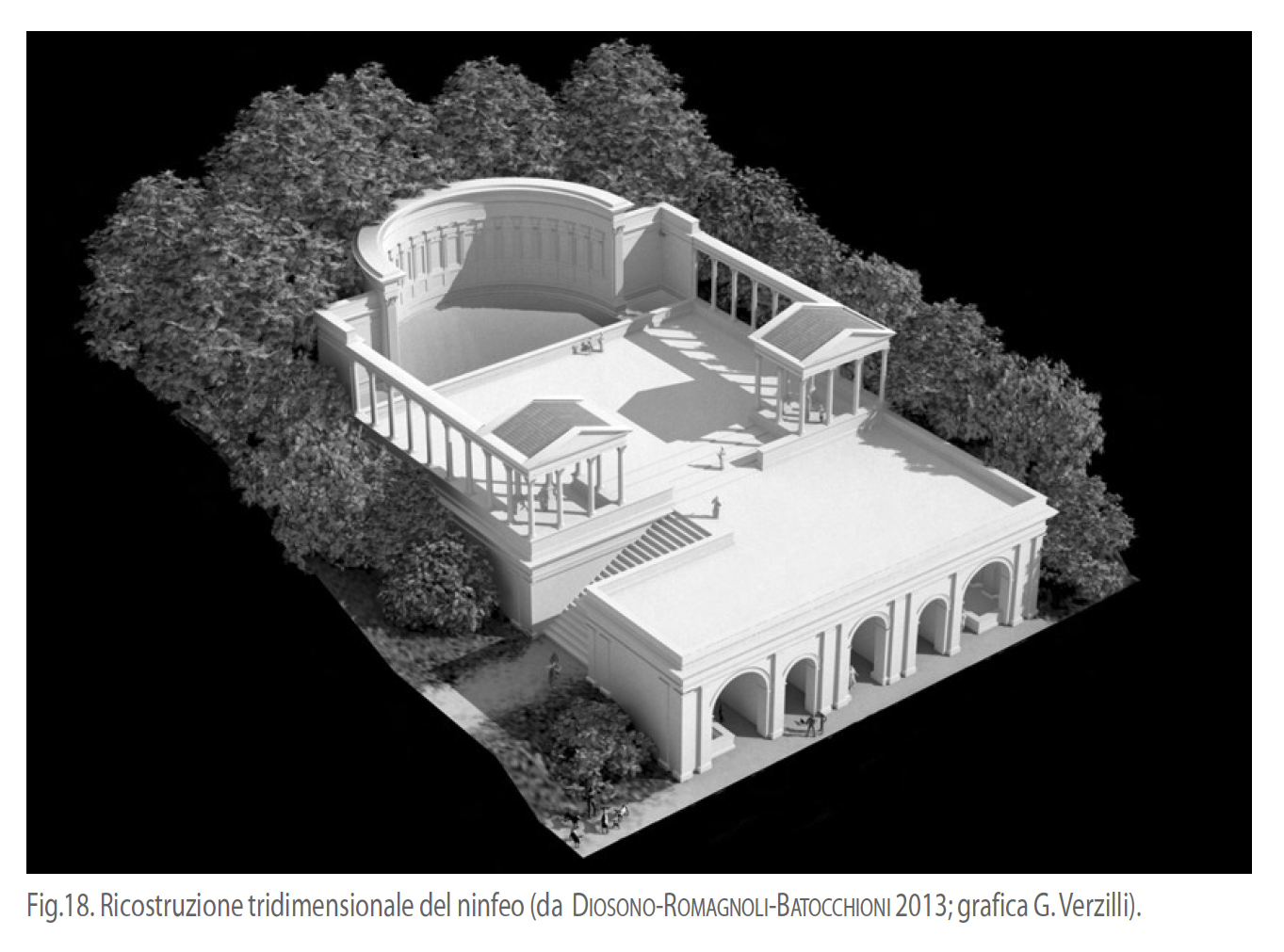
BUT , the reconstruction (p. 208) is v cool:
P. 209:
“Such a layout clearly recalls the Nymphaeum of Pyrene (or Peirene), located in the northeast corner of the Agora at Corinth, specifically in its early Augustan iteration (Figs. 19a–b)”
Author also draws parallels to the late republican nymphaeum on Via Annibaldi in Rome.
There is a whole chapter on the role of the Nymphaeum in cult activities and the figure of Egeria. Speculative but interesting, last paragraph (p. 244):
“The monumental nymphaeum of the Arician sanctuary, therefore—despite occupying a marginal position within the layout of the architectural complex—may in reality have played a central role in the dynamics of the cult of the Nemorean Triad, linking itself to the propitiatory fertility rituals that were so vital in ancient culture. The possibility that this structure served the practice of pre-nuptial or pre-natal ritual bathing connects it to the divine figure of Egeria—a deity traditionally associated with these aspects of women’s lives. This association holds true both during the earliest phases of her cult’s existence—when she was likely regarded as a full-fledged divinity in her own right—and following the influx of Greek culture, when she was assimilated into other pantheons and assumed the status of a nymph, yet nonetheless continued to fulfill the fundamental role of *kourotrophos* alongside Diana—the tutelary goddess of adolescence—and Hecate, the deity linked to the chthonic realm of the underworld.”
Now a chapter on controlling water and Caligula. Skipping forward.
Stanco authors the chapter on numerous black glaze pottery finds which are super important for dating aes grave.
p. 279: “3.1.1 Stipe sag. IV terrazza centrale: Only twelve fragments derive from this context; they are, however, indicative of a certain uniformity, as they consist entirely of pieces attributable to local or regional production—specifically, to the group of small stamped wares. This corresponds to “Fabric 2″ of the black-gloss ceramics from the Villa of Santa Maria at Nemi and closely resembles the PE production from Gabii. Among these is a fragment of an *oinochoe* featuring white overpainted decoration, attributable to the Phantom Group—further evidence that at least some workshops produced both black-gloss ware and overpainted or figured ceramics. Moreover, the assemblage includes forms typical of Etrusco-Latian votive contexts—some clearly miniaturistic in scale—which date chronologically to the period between the late fourth and mid-third centuries BC.”
p. 284: “Between the two periods of most intense activity, the evidence provided by the ceramics attests to an intermediate phase, during which the sanctuary appears to undergo a severe crisis—the causes and nature of which remain to be defined. As a final observation, it is worth noting that, for the phases spanning the 4th and 3rd centuries, procurement was drawn exclusively from local and regional markets; notably, wares produced in Rome are undocumented, and it therefore appears that all recorded fragments can be attributed to workshops active within the Alban Hills area. The situation changes radically during the 2nd century, when imports of Roman manufacture appear, and ceramics begin to flow into the sanctuary— initially wares produced in Arretium, and subsequently—in much larger quantities— those from Cales and Neapolis; this pattern aligns with what is observed in Rome and at other sites dating to the same period.”
I’m experiencing loss of text and posts. In the past WordPress has been great with autosaving my posts as I write and I’ve always been able to recover work when I experience connectivity problems or a program crashes. Not this week. I lost a whole post on Nemi materials in the MFA in Boston and now I’ve lost a great deal of my notes from this book.
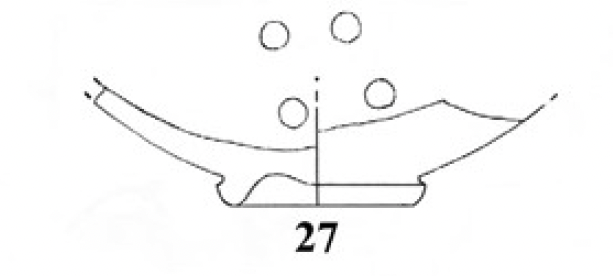
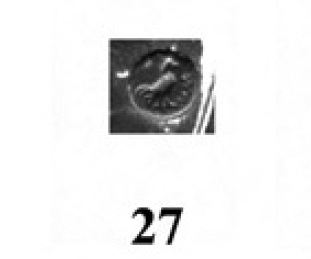
I know I really did write things because wordpress does save my uploaded images. Like this fun stamp with a Rooster that makes me think of the early 1st punic war bronzes from Teanum and Cales and Seussa etc… Cales pottery is also found at this sanctuary.
The coin chapter is a bust. The coins are only listed with no notation of precise find spots. There are no images of coins. BUT from the list these below are of interest. Esp. the RRC 26/5 and the 26/3 showing cast and struck from the same series in roughly the same context.
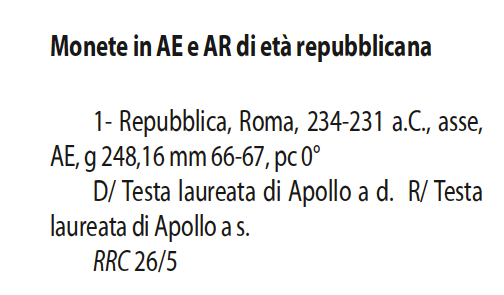
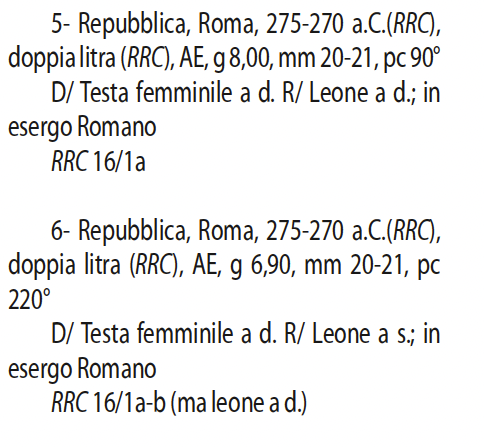
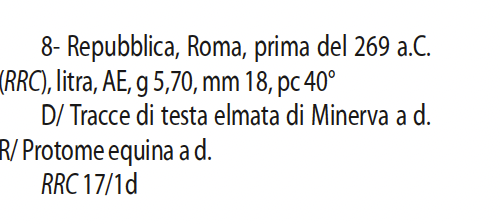
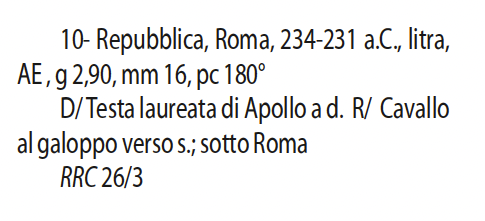
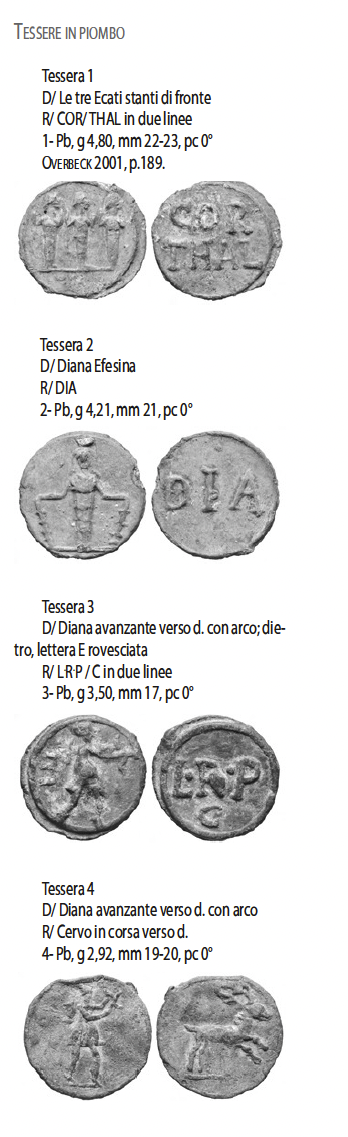
The following images of tokens are given but there is no notation if they were actually found on this site:
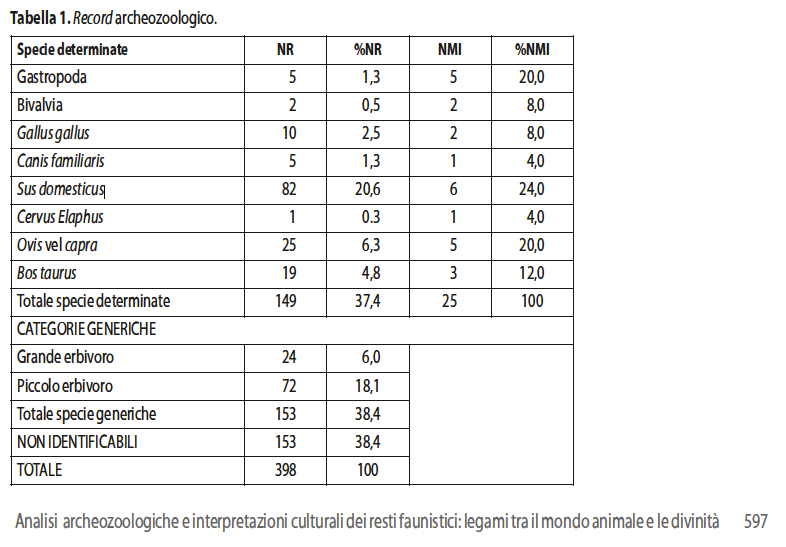
Finally I love the testimony of how common pigs are among zoological finds:
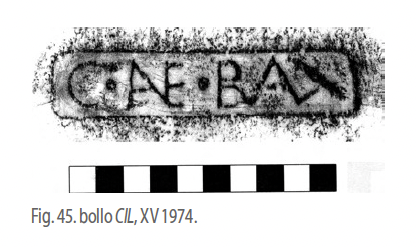
And here is some fun ligature amongst the brick stamps:

 Liv Mariah Yarrow