
This is a pre writing exercise for something I hope will eventually be published. I’ve been spending time with this catalogue and finding it very inspiring indeed.
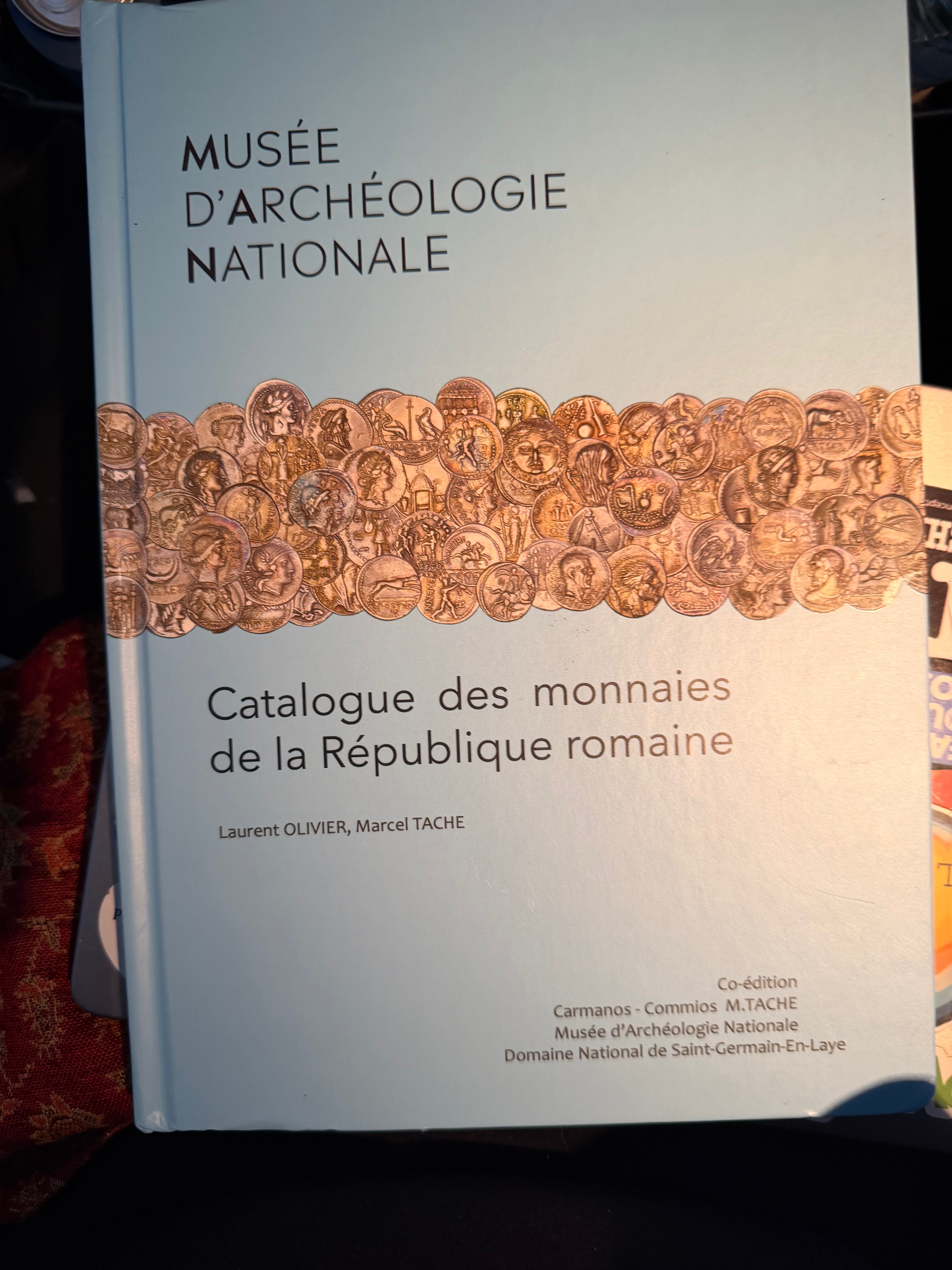
The great thing about this regional museum collection is almost all of it comes with find locations and interesting ones.
Of these one is the 1865 hoard discovered at Beauvoisin that closes about 27 BCE.
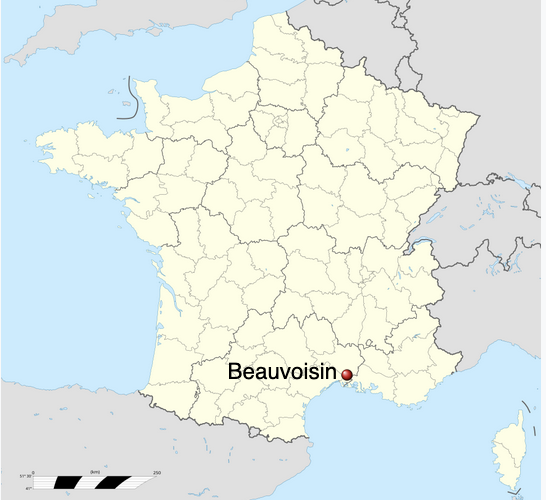
Besides Roman coins it contained 40 gallic coins of which 37 were of the DT 3159/LT 5795 type with a horse rider design associated with the Rhône Valley, as well as decorative hinged objects in bronze (but either tin or silver plated) theorized to be part of belt, 2 glass paste beads, 3 small bronze rings, and 5 of silver.
The other major assemblage are the stray finds from in and around Alise-Sainte- Reine, ancient Alesia which is most famous for the battle of 52 BCE. It is note worthy that the stray finds associated with this area go no later in the republican series than the coins of Pompeius Rufus, c. 54 BCE.
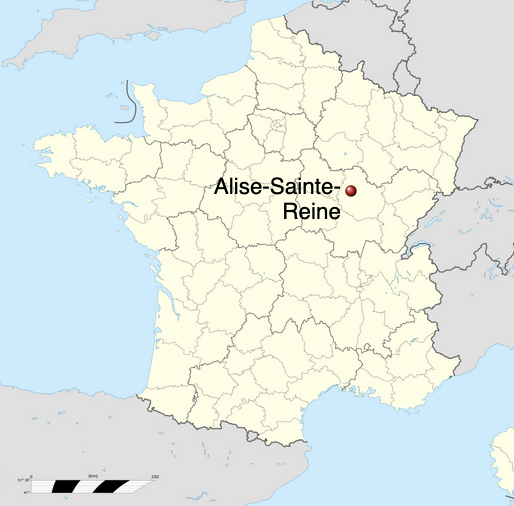
Here’s what I’ve learned. Beauvoisin has 31% of its RR coinage intentionally marked post striking. Of this 31%, 79% of the interventions are with punch-marks of diverse shapes, and only 27% are scratches/graffiti.
By contrast of the Alise finds, only 9% shows evidence of post striking interventions. Of that 9%, 42% involve punch-marks, where as 67% have scratches/ graffiti.
My first thought is to wonder if this is indicative of punch-marks being applied more intensely after 52 BCE? Or if hoards are more likely to have punch-mark because the individual collecting and saving coins may be more inclined to want to validate what they are saving. This latter is plausible but I there is little to no unity in the shape and and style of the punch-marks within the hoard. More later on the shape of punch marks.
I’ve often been inclined to theorize that punch-marks might connect to the legislation introduced by Gratidianus and that this legislation was likely re codified in a Lex Cornelia. I’ve got a piece coming out I hope later this year that discusses this in collaboration with Sharpless and Lockyear so if you’re reading this with the intention of citing my work, drop me an email, rather than citing the blog.
To really investigate when such punch marks were introduced I’d need more fully photographed hoards from the late republic. I bet Charles or Kris could help me brain storm where to find some of these. I am also curious if I might find any in Crawford’s papers in BM (I am sitting down the block from these archival materials!).
Of the 57 specimens from both find areas with punch-marks 53 (93%!) have the mark on the obverse.
Of the 25 specimens with scratched or cut interventions, 84% of those markings appear on the obverse.
Of the 77 specimens marked in either way, 43% of those markings are in the field avoiding the design and in 45% of cases it is situated on the head or neck in such a way as not to obscure the primary design characteristics or harm the facial features, typically on the cheek or neck or ear. This is not random and it is not vandalism intended to deface.
Ok more to say but I htink this captures the basics and I’ve got a brown bag lunch date!

 Liv Mariah Yarrow
One thought on “Banker’s Marks on Coins with Provenance”