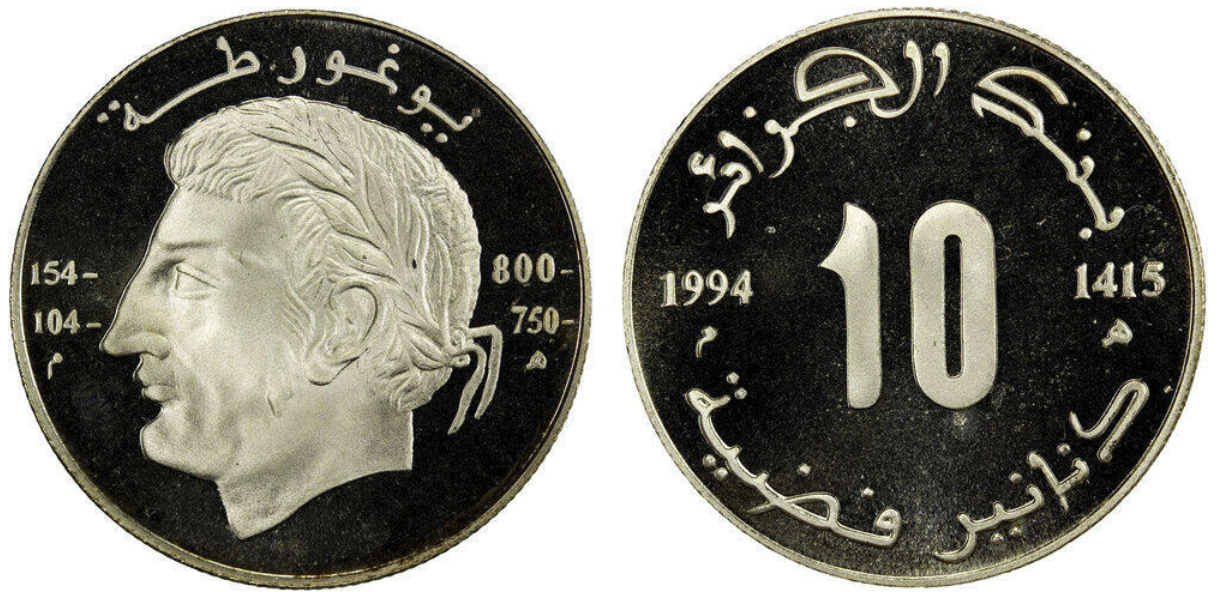
I dropped the above coin images into a draft post as I was writing last week’s Jugurtha post. I thought I’d use this to start my day and if you scroll down I might even actually talk about those coins. Out of the blue I’ve found myself with a day to write. I checked the inbox. I checked the calendar. It’s true. I can be deeply selfish in my work agenda today. I am calm, contented, and feeling positive about many things at least on a personal, if not on any national or global scale. Now to do the thing. I know the task I most want to do–the back half of the introduction to the RRDP volume (earlier pre-writing post). sh!t. I just remembered I have two letters of reference to revise/rewrite. This is ok. I’m allowed to tackle them them tomorrow or this afternoon. I get to be selfish.
Why, the heck, do I keep using this word? How is doing my literal job, one that involves many other researchers and writers in any way selfish? Let’s see if I can re-frame.
I know how I write best. I know that first just getting down a little bit about about my mental state and relationship to the work gets my fingers in the groove. I know that a little free writing about coin images then get my brain focused on the right types of things and over my omphloscopy.
Digression. I have been using and enjoying that pretentious neologism for navel gazing since my grad school days. I have a vivid memory of some don of Brasenose first used it in conversation with me at the foot of the stairs leading to the library in the passage between the old quad and the new ones.. Now I learn the more commonly accepted term is omphaloskepsis. Questioning what we think we know and our very vocabulary is the joy of the academic process. Just last night my seminar group had the most intense discussion of the rise of the term sex-work and a vocabulary consent and the limits and ambiguities of both terms. This is how we learn both individually and together.
Those coins. Let’s get a bit more serious about this warm up.
The last post discussed a single complex design from the mid 20th century. As I looked for an image of that type of course other Jugurtha coins popped up in my searches.
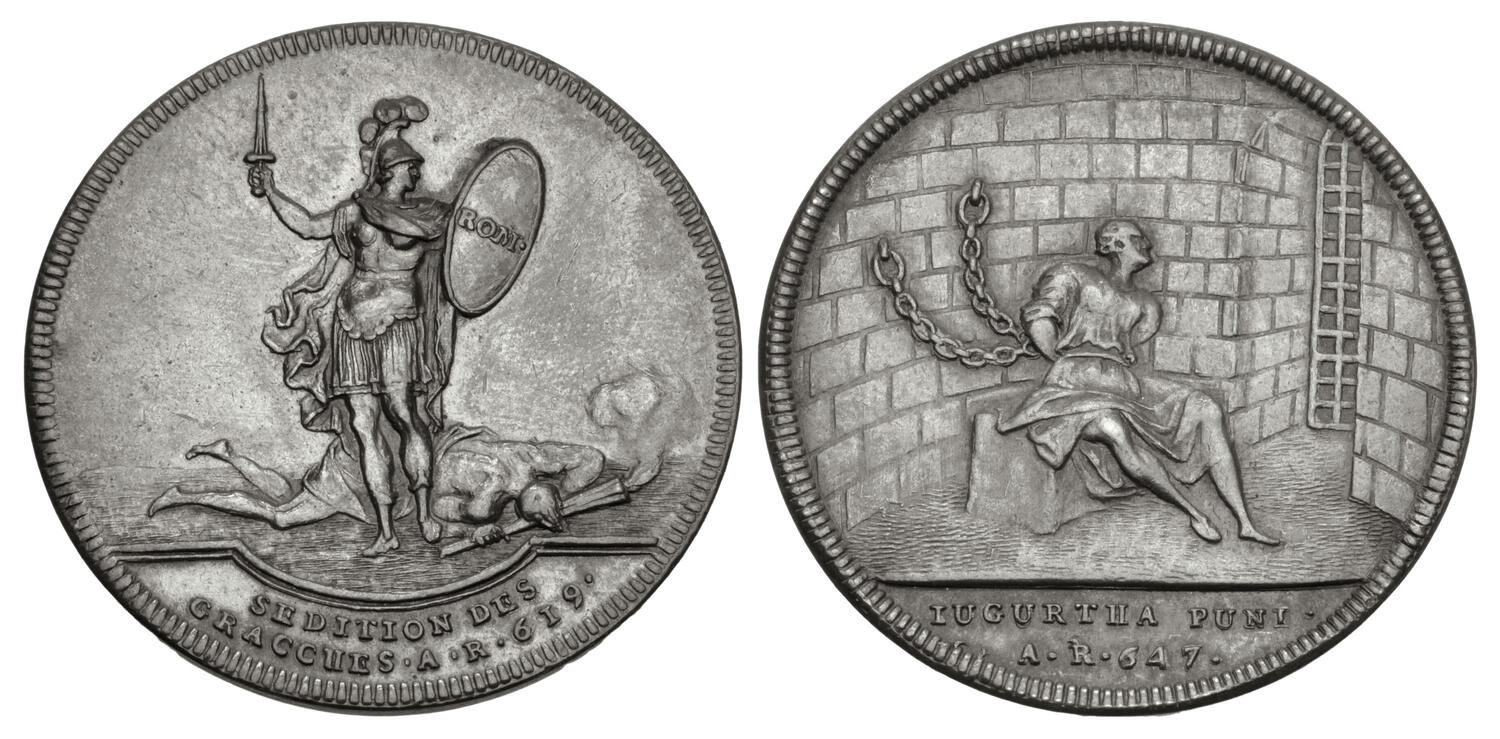
The Dassier medal didn’t surprise me. I’m a fan of their Roman historical medals series and own the catalogue of their medals, if not any of the medals themselves (books and plane tickets are my only true weaknesses). Jugurtha is a clean shaven prisoner chained to the wall of a stone prison with a barred metal door. That it is Jugurtha would be hard to deduce without the legend. If you’d ask me what it might represent without the text and I didn’t know the theme of the series, I’d probably have guessed Saint Paul imprisoned. I wondered if this was because I had some archetypal image in buried in mind from which this might be derived, but a quick google suggests not obviously so. I find something pathetic and sympathetic of the straining towards the door (light?) but am not at all confident the artist intended this. Overall I find the medal pro imperial. The Gracchi are described as seditious and the allegory of Rome is heroic and violent in her victory over them. The attribute of sedition seems to be a torch and the poverty evoked by the dress of the defeated man at Rome’s feet. The torch seems to be the implied threat to the city and its infrastructure through indiscriminate burning. Roma is also, of course, victorious over Jugurtha who is punished for resisting Roman authority over his kingdom. Both sides suggest a ‘resistance is futile’ message regarding the nature of Roman rule.

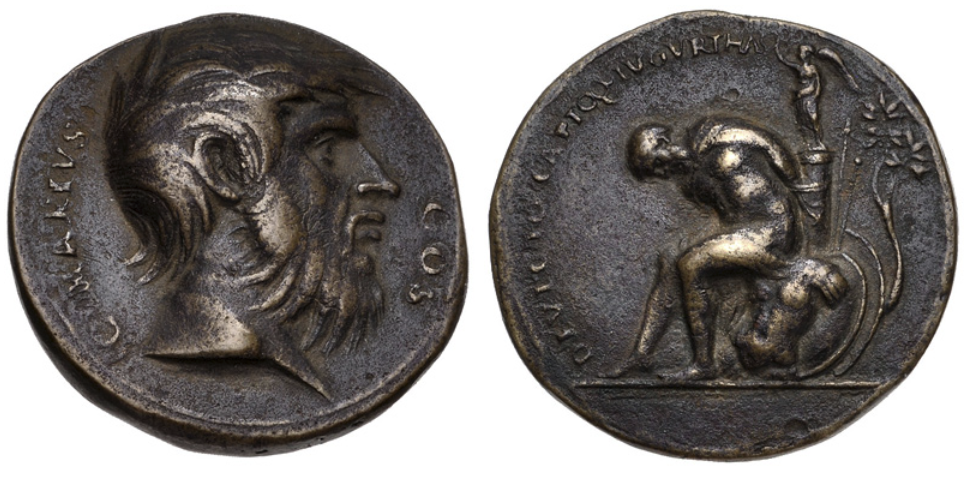
The earlier Belli medal was new to me and had it’s artist not been identified my first thought would have been to associate it with the tradition of Paduan Medals, associated with Giovanni dal Cavino and those working in a similar style. Essentially fantasy pieces of a sort. Marius is the rough and ready soldier and Jugurtha is much like any bound prisoner at the foot of a trophy (cf. Judaea Capta et al.) but the prisoner bound to a column with victory atop is not known on the Roman coin series to the best of my knowledge (I hate arguments from silence).
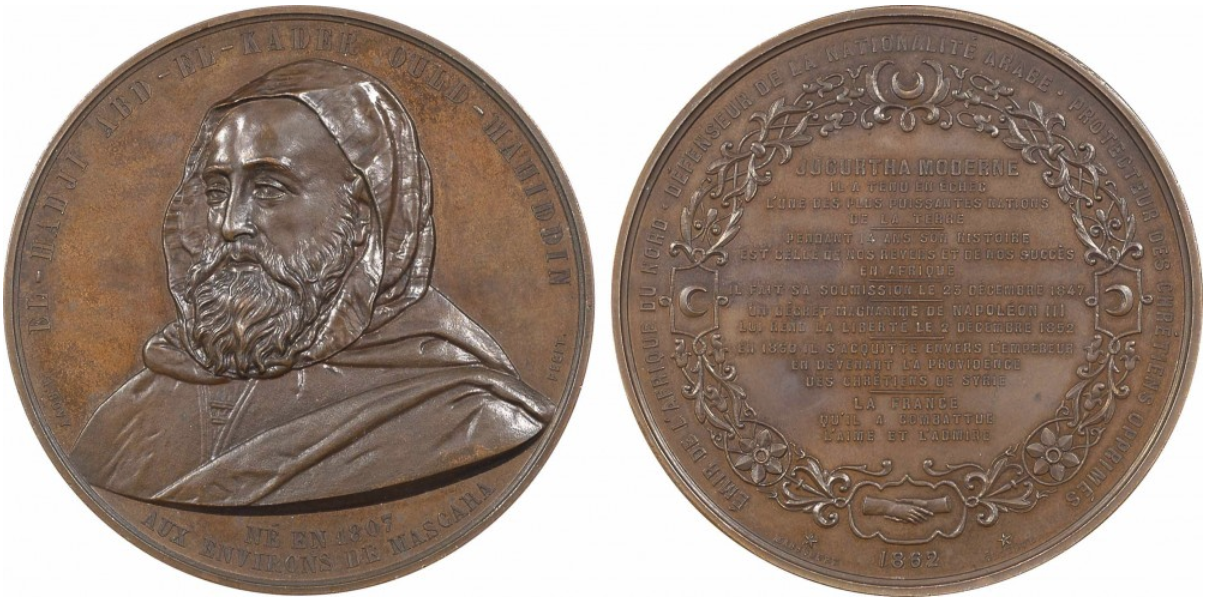
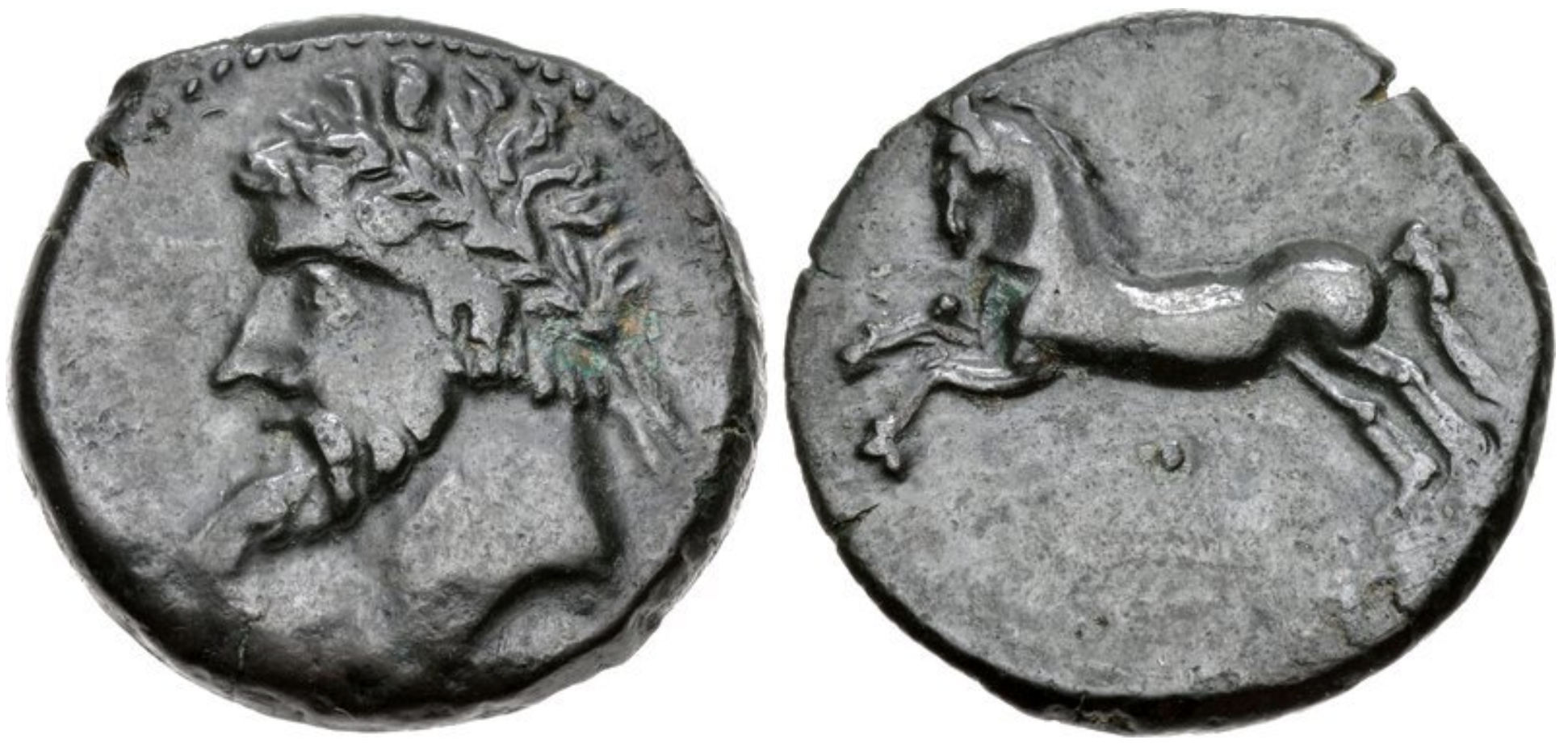
The other two numismatic images are more closely related to the previous post and the heroicization of Jugurtha as a figure of indigenous self rule in the Magreb (N. Africa). I don’t have much to say about them but dropped them in to keep them on file as it were.
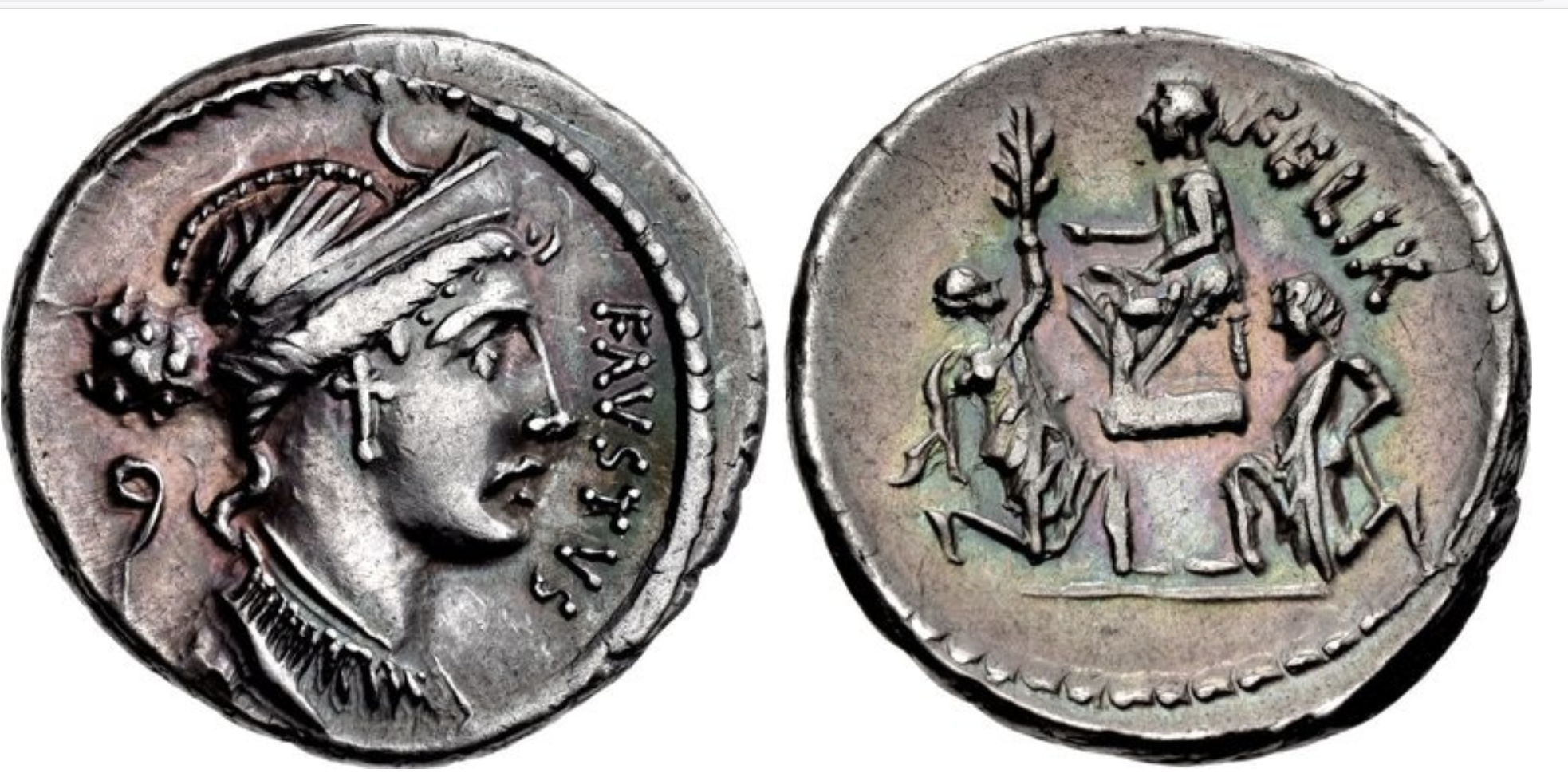
I wanted to talk a bit about Jugurtha on the republican series, RRC 426/1, but I’m itching to get to that chapter and I’ve at least written about it before. Maybe I’ll come back. I also think a little on reception of Numidian coinage could be worthwhile if I want to keep going on this theme.

 Liv Mariah Yarrow