I’ve been using Lockyear’s CHRR to access hoard information, but even he says the online database is not necessarily complete in all areas and he’s collected far more hoards since 2013. The database also excluded lots of the early hoard with Aes Grave as that was not part of his original project. All in all it is a good starting place but more thorough searches are needed. Yes, this is another spin out from my Sertorian mega post of which I ready to be done. I think I have enough material for my conference talk and shape of that talk has come to mind. I want to stay in my lane (RR coinage) rather than sliding into Iberian material and looking the fool. Anyway, I’m almost the bottom of review of past scholarship and this turned up in my l’Annee Philologique search reminding me that CHRR might not be great on Spanish hoards esp. small ones.
- Padilla Arroba, Ángel and Hinojosa Pareja, Antonio Ramón. “Tesorillo de denarios republicanos de Sierra Capitán (Almogía, Málaga).” Florentia Iliberritana 8 (1997): 679-703. [full text available through google scholar]
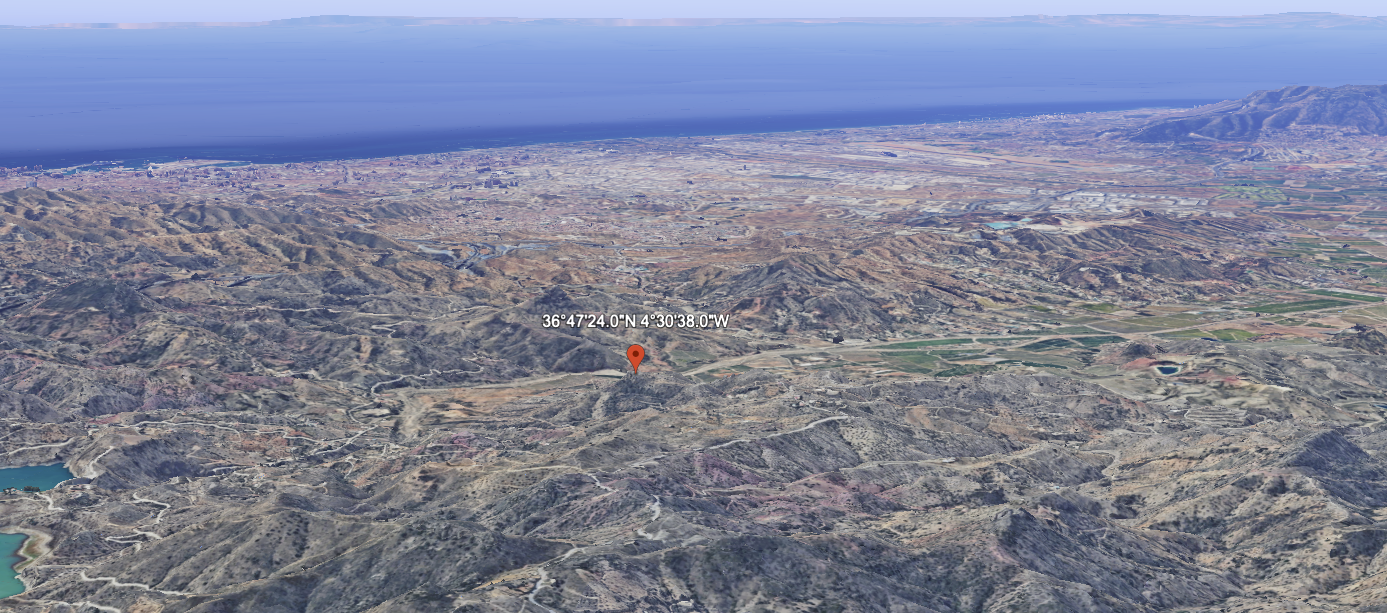
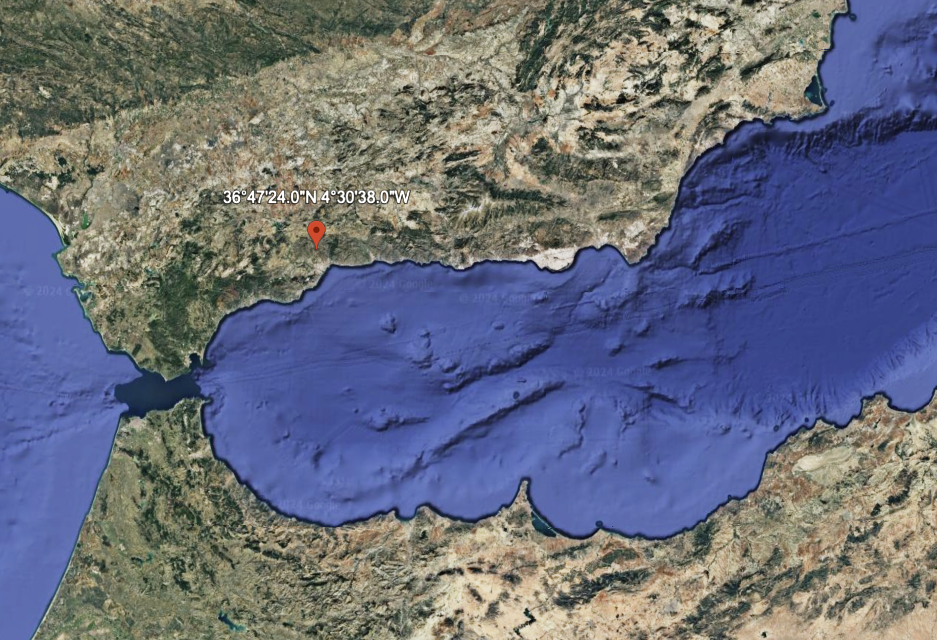
The authors report on group of 24 denarii closing 82 BCE they interpret as a purse hoard lost or rapidly deposited in a organic material container now lost. They comment on the incredible vantage point offered by the findspot. It feels rare to be given this precise of geographic coordinates, but super valuable. The hoard was likely deposited in a crevice where a few coins were found the rest had tumbled down the cliff face and were found amongst the rock rubble caused by erosion.
The coins were recovered by a private individual and are in private hands and we cannot be sure 24 is the true total number. (p.681)
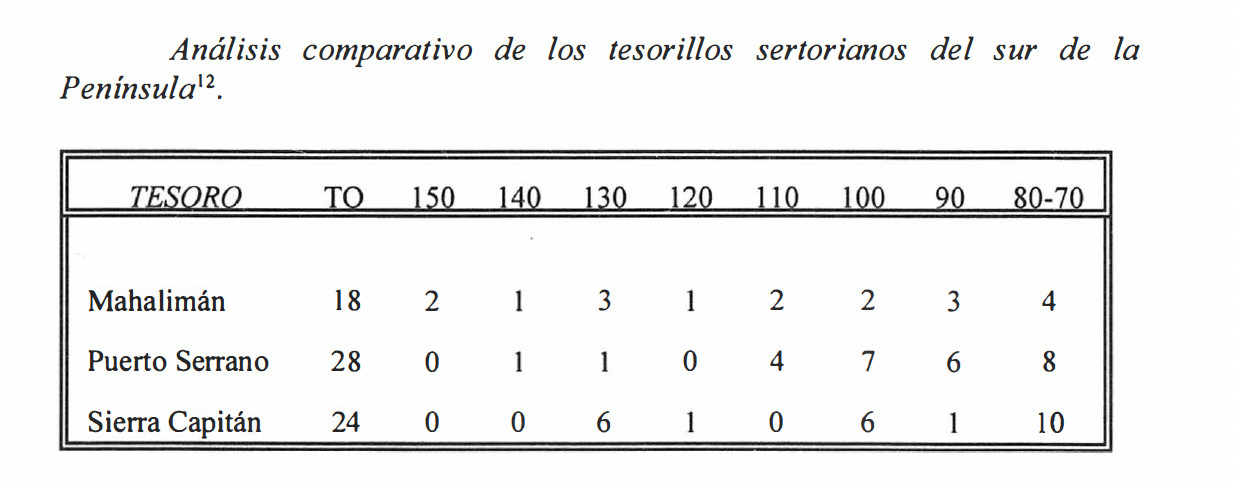
The authors see parallels with the Mahalimán hoard (Constantina, Seville), published by F. Chaves in her monumental work:
- Chaves Tristán, Francisca. 1996. Los Tesoros En El Sur de Hispania : Conjuntos de Denarios Y Objetos de Plata Durante Los Siglos II Y I a.C. [Seville]: Fundación El Monte.
I could probably do with spending some time not just with this book but her whole corpus at the ANS.
The authors were not able to see non-numismatic material that comprised the hoard
“Finally, it should be noted that alongside the coins, some silver fragments were found, in the form of fine sheets in some cases and tubular shapes in others. Although we have not been able to observe them directly, they must resemble those that are commonly found in this type of hoard.” [machine translation]
Finalmente, hay que señalar que junto a las monedas aparecieron algunos fragmentos de plata, en forma de finas láminas unos y de forma tubular otros que, aunque no hemos podido observarlos directamente, deben, aproximarse a los que suelen ser frecuentes en este tipo de depósitos.
The catalogue is complete with notes on contitions of individual specimens, die axis, and control marks (where present).
P. 693-694
In the discussion after the catalogue the authors try to reconcile Villaronga’s emphasis on war as a cause for hoard deposits generally and Chaves view that the Sertorian war did not see any great uptick in hoarding esp. considering the great number recovered from the second century.
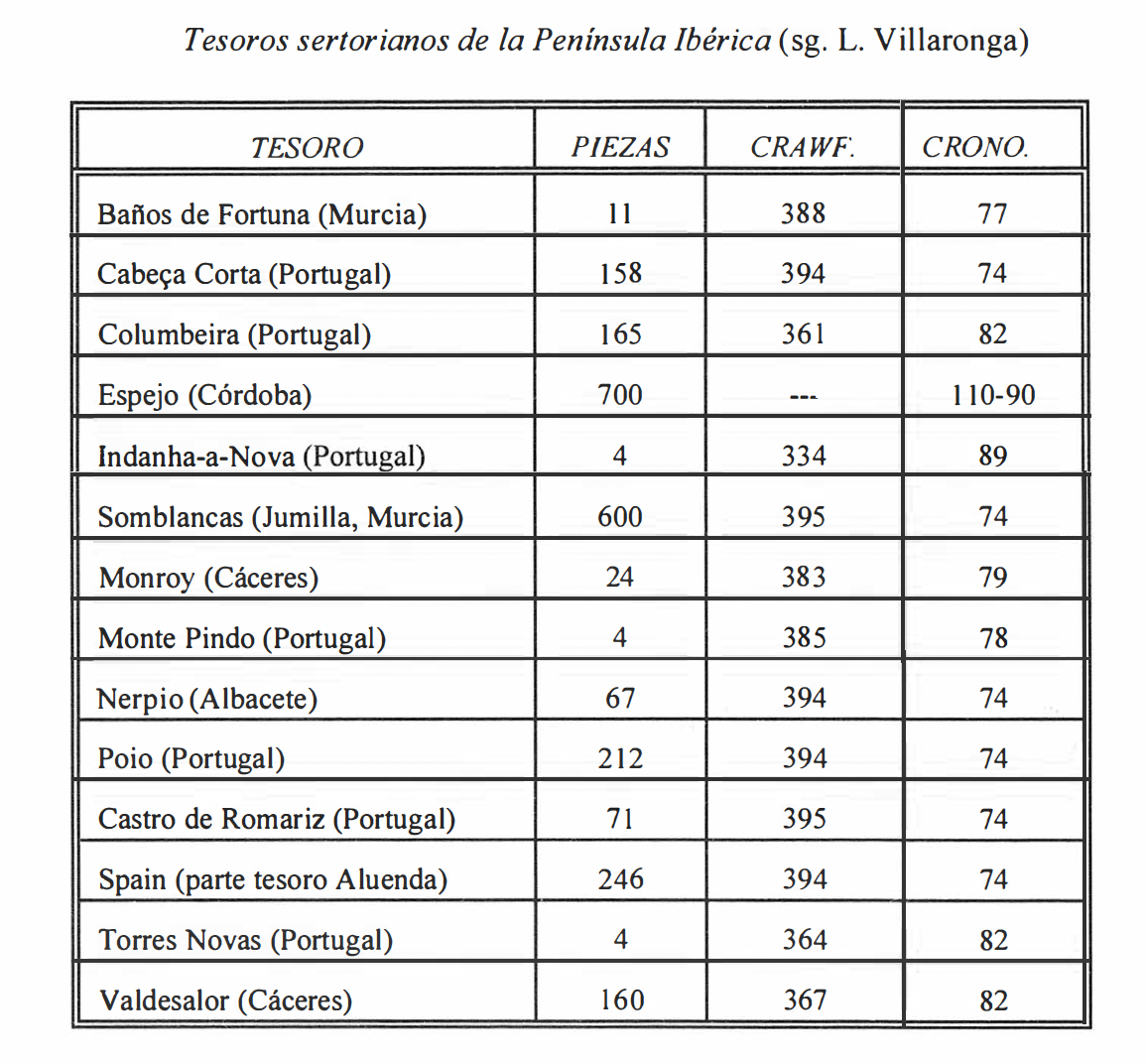
The same year as the above article this survey article was published:
Ruivo, José. “O conflito sertoriano no ocidente hispânico: o testemunho dos tesouros monetários.” Archivo Español de Arqueología 70, no. 175-176 (1997): 91-100. [ full text available through google scholar]
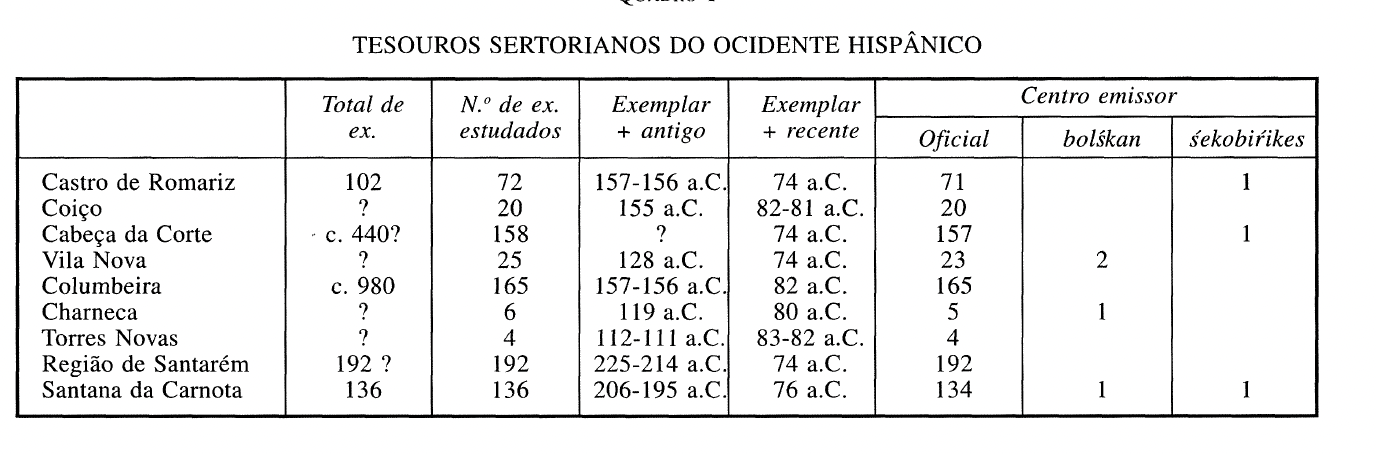
This article is super important because the author takes into consideration the arguments of the Hersh and Walker regarding dating.

The article concludes:
“The relative abundance of Sertorian hoards in this western strip of the Iberian Peninsula seems to show that this region played a quite important role, until recently unsuspected, in the final stage of the civil war between the populares and the aristocrats.” [machine translation]


 Liv Mariah Yarrow
This Masters Thesis on Sertorius has an interesting map in the back: https://d.lib.msu.edu/etd/11776 It shows known gold/silver mines in the Iberian peninsula. It might be interesting to see if there’s any correlation between the location of a coin hoard and the distance to a mine producing the metal for the coins. (I got the link from the comprehensive Wikipedia page on Q. Sertorius.)
Cool! Thanks!
Also, let me mention this book, for anyone looking to understand the various kinds of dating methods that have evolved since Carbon-14 first came out: “Quaternary Dating Methods” by Mike Walker. https://www.amazon.com/gp/product/0470869275 From an archeologist’s perspective, most of these methods are for much further in the past. But as dating grows in importance in archeology, like this article from “Nature” on an effort to collect dating data, https://www.nature.com/articles/s41597-024-04175-2 it’s worth knowing a bit about the technology. For me it’s cool to combine 2 of my interests in retirement, geology and classics, in a single topic 🙂 🙂 Add to this, the massive increase in knowledge on paleoclimatology, and there’s a lot of fascinating cross-overs between earth sciences and archeology. (I’m currently reading Russell Meiggs, “Trees and Timber in the Ancient Mediterranean World”, from the late 70s, and seeing how much new work there is on climate history that would have been relevant to this work. It’s a VERY INTERESTING book, and easy to read (not all professors write this clearly 🙂 )