
This is a follow up to a literary survey done earlier this year also on this blog. Egadi Ram inscriptions are excluding here, but remain our earliest testimony of this language. I’ve excluded inscriptions post 50 BCE.
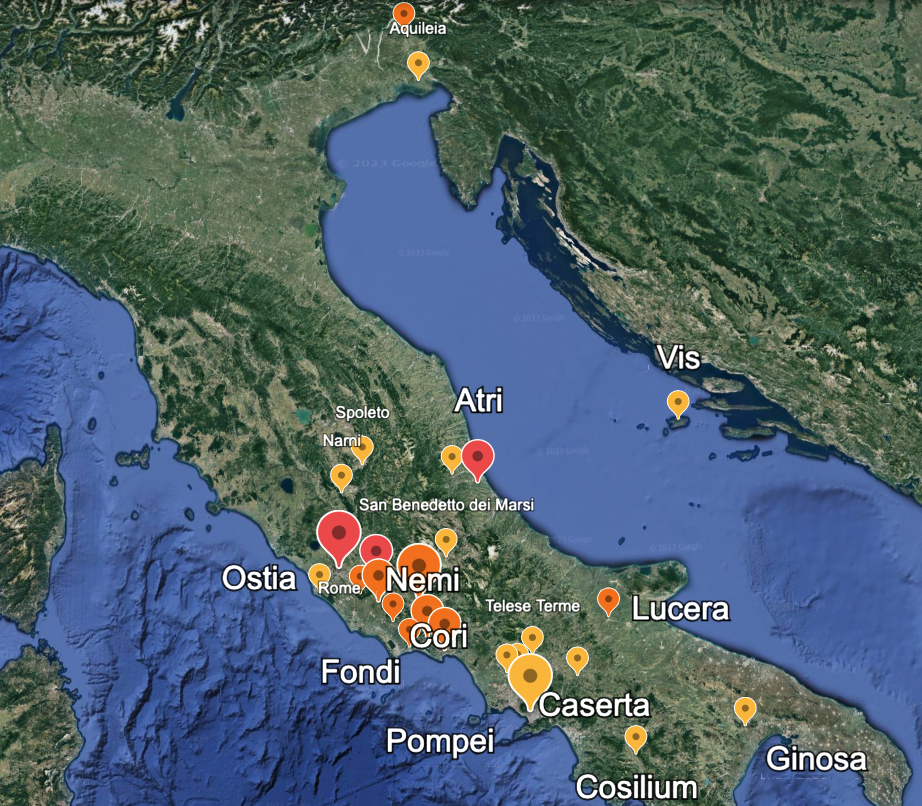
Cf. Bernard 2018: 155-156 on probatio in early Roman state contracts. I’m dying to write up my thoughts on these inscriptions now but for now I’ll leave myself some notes about next steps.
Notice who is initiating action vs. who is completing the action. Most interesting is where it is not isdem or eisdem. What is the official role of the individuals able to take these actions? What class of things must be probare? Walls, temples, pavements, more… The first initiating verb varies, but curare (+gerundive) and locare most common. Locare appears later.
230-210 BCE, ROME (AE 1896, 0038)

230-180 BCE, Praeneste, (CIL 01 (2 ed.), 2439)

230-171 BCE, Hadria (CIL 01 (2 ed.), 3292a)

202 BCE, Nemi (CIL 01 (2 ed.), 0610)
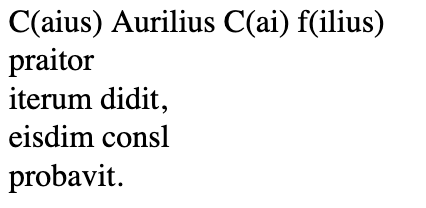
202-80 BCE, Luceria (CIL 01 (2 ed.), 1710)

200-101, Hadria, (CIL 01 (2 ed.), 1896)

200-101, Rome (CIL 01 (2 ed.), 0024)
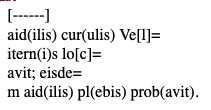
170-131 BCE, Rome
earlier post on mosaic pavement inscription from temple of Apollo
170-131 BCE, Cora (CIL 01 (2 ed.), 1511)

170-131 BCE, Setia, (AE 1997, 0283)

144 OR 108 BCE, Tarracina, (CIL 01 (2 ed.), 0694)


150-101 BCE, Ferentino, (CIL 01 (2 ed.), 1522-1525

150-100 BCE, Rome (CIL 06, 39859)
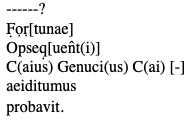
130-101 BCE, Cora (CIL 01 (2 ed.), 1506 and CIL 01 (2 ed.), 1507)


130-71 BCE, Fondi (CIL 01 (2 ed.), 1559)

130-51 BCE, Rome (CIL 01 (2 ed.), 1001)

125/120 BCE, Rome (Tiber Island) (CIL 06, 40896a)
C(aius) Serveili(us) M(arci) f(ilius) pr(aetor) [—?, C(aius), M(arcus), P(ublius)?] Serveilieis C(ai) f(ilii) faciendum coeraverunt eidemque probavẹ[runt].
MOSAIC!
110-91 BCE, Treicesimo (CIL 01, (2 ed.) 2, 2648)
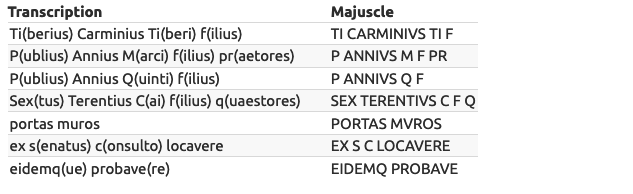
100-80 BCE, Formia (CIL 01 (2 ed.), 1565)
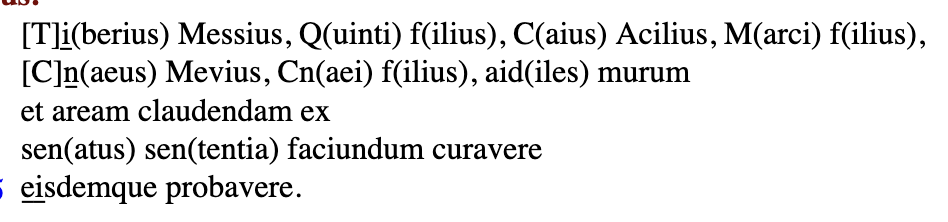
100-71 BCE, Narnia (CIL 01 (2 ed.), 2097)

100-51 BCE, Fondi (CIL 01 (2 ed.), 1560)
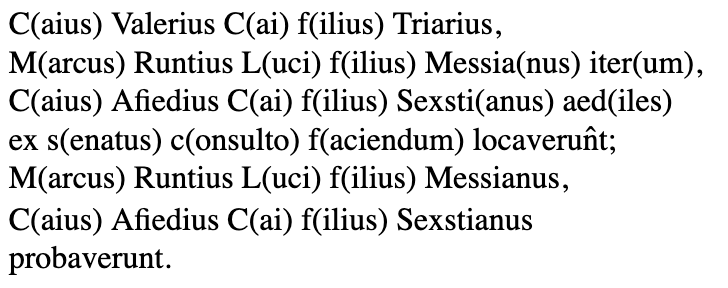
100-51 BCE, Capua (CIL 01 (2 ed.), 2949)

100-51 BCE, Spoletium (CIL 01 (2 ed.), 2107)

100-50 BCE, Formia (CIL 01 (2 ed.), 1564)
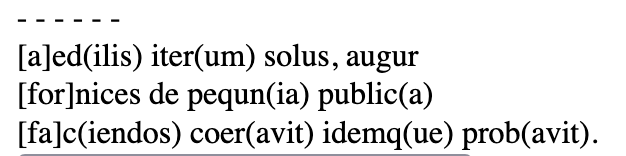
90-75 BCE, Genusia (AE 2017, 0258)

90-71 BCE, Telesia (CIL 09, 02233)
[3] Minuci[us 3] /
Balbus pr(aetores) d[uoviri 3] /
d(e) d(ecurionum) s(ententia) fa[ci]u[nd 3 curaver(unt)] /
{e}idemque [probaverunt]
90-51 BCE, Aquileia (CIL 01 (2 ed.), 2198)

80-61 BCE, Pompeii, (CIL 01 (2 ed.), 1628, CIL 01, 2 ed., 1635, CIL 01 (2 ed.), 1629)


80-51 BCE, Praeneste, (CIL 01 (2 ed.), 1464)
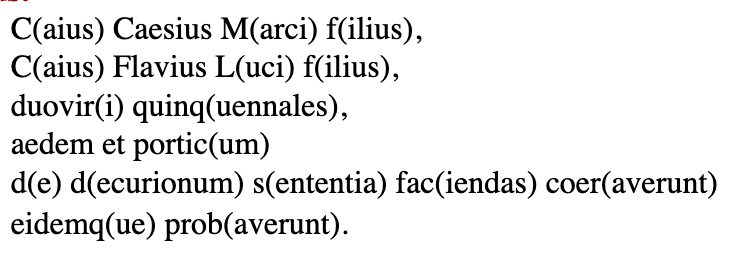
80-50 BCE, Abella, (CIL 01 (2 ed.), 1609)

80-50 BCE, Caiatia (CIL 01 (2 ed.), 1576)

78/65 BCE, Rome (CIL 01 (2 ed.), 0736, CIL 01 (2 ed.), 0737)


78-51 BCE, Aeculanum (CIL 01 (2 ed.), 3191)

70-50 BCE, Cosilium (CIL 01 (2 ed.), 1686)

70-31 BCE, Marsi Marruvium (Cerfennia statio) (CIL 01 (2 ed.), 3210a)

63 BCE, Rome (CIL 01 (2. ed.) 02, 800)

62 BCE, Rome (ponte Fabricio!) (CIL 01 (2 ed.), 0751 a, b, c, e, g, h)

55 BCE, Issa, (CIL 01 (2 ed) 02, 00759)

55 BCE, Interamnia Praetuttiorum, (CIL 01 (2 ed.), 0765)

1st cent BCE? city of Rome, private not public contract (CIL 1(2) 2519)

Inscription dates to 75-100 CE, but records events of 63 and 58 BCE, Ostia, (CIL 14, 04707)
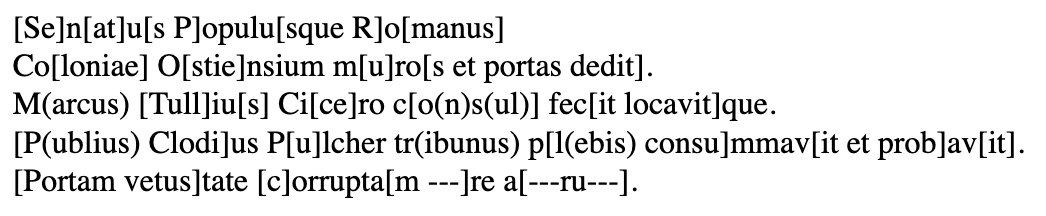
Mommsen and Lintott both restored at line 31 probaverit on the Tabula Bembina (CIL 01 (2 ed.), 0583), but this is no longer favored by most scholars, dated 123/111 BCE. (Screen shot from Roman Statutes on file)

Update 11 March 2026:
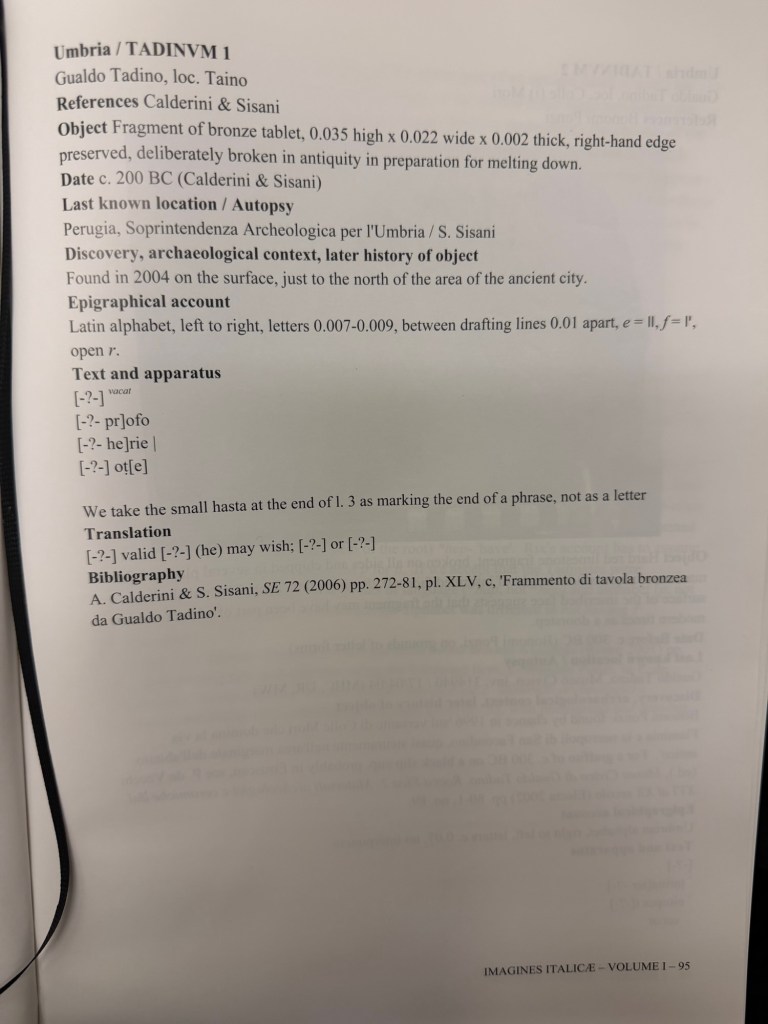

 Liv Mariah Yarrow