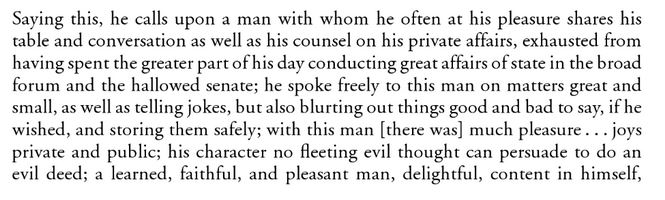
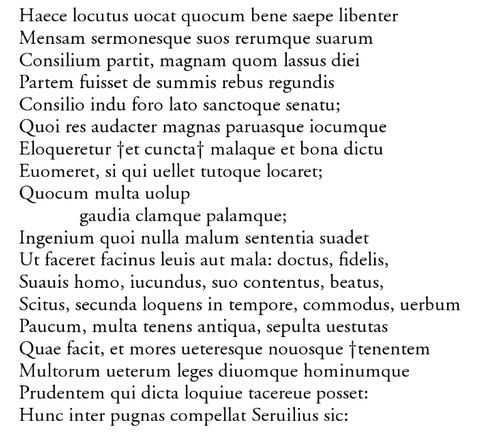
Echoes of Ennius?

I’m playing with the idea that regibus regna reddere might have sounded Ennian to Cicero’s audience or that he might have been inspired for the alliterative turn of phrase from his exposure to Ennius.  Just speculative, but here are some supporting details:

When commenting on Aeneid 3.333 (…regnorum reddita…) Servius is reminded at least by the verb of Ennius:

more veteri pro ‘data’ accipiendum est: ‘re’ ergo abundat. Ennius annalibus “ad illa reddita nuptam”, et alibi “isque dies post aut Marcus quam regna recepit” pro accepit. aut ‘reddita’, quod Heleno debebatur imperium.

Skutsch on his commentary on F.56 of Ennius’ Annales does not believe that there is anything particularly archaic about this use of reddere.

Statius uses the phrase reddere regna to start THREE different lines in his Thebiad (2.541, 7.390, 10.583).  Book 7 in particular is known for having Ennian echoes.

Among the fragments of Ennius we find:

 mortalem summum Fortuna repente

Reddidit †summo regno famul †ut †optimus esset (Ann. 312-313)

parentes vinculis exemisse, patri regnum reddidisse atque ita in (Euhem. 90)

And, of course, alliteration is often associated with Ennius…

 

Mummian Poetry?

The dedicatory inscription of Lucius Mummius from the temple of Hercules Victor. Ca. 144—142 BCE. Inv. No. 1158. CIL I 541 = CIL VI 331 = ILLRP 122 = ILS 20. Rome, Vatican Museums, Pius-Clementine Museum, Apoxyomenos Cabinet, 25—26

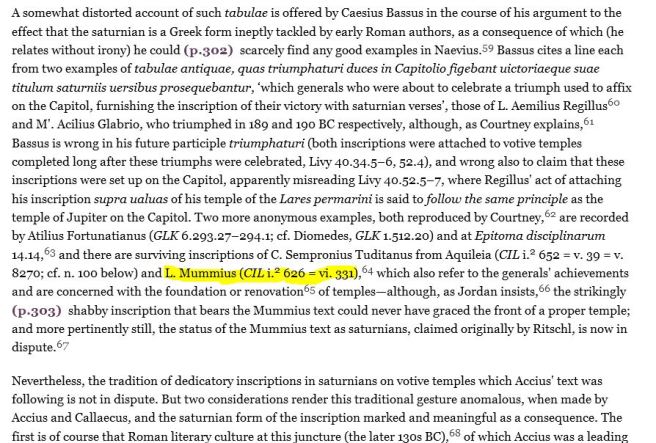
L. Mummius and his inscriptions hold a special place in my heart.  But I must confess (there are a lot of those today it seems!): I’ve never thought about his connection to early Latin poetry before today:

Capture.JPG

This is from Ll. Morgan’s

For Allen’s entry on this and the Reate inscription with English commentary click here.  Besides the snippet above Morgan further discusses the inscription on p. 308-9.

Four Cardinal Virtues, Kingship, and the Clipeus Virtutis

The connection between four cardinal virtues and Hellenistic kingship was a new idea to me.  (I feel a little ashamed to admit this!)

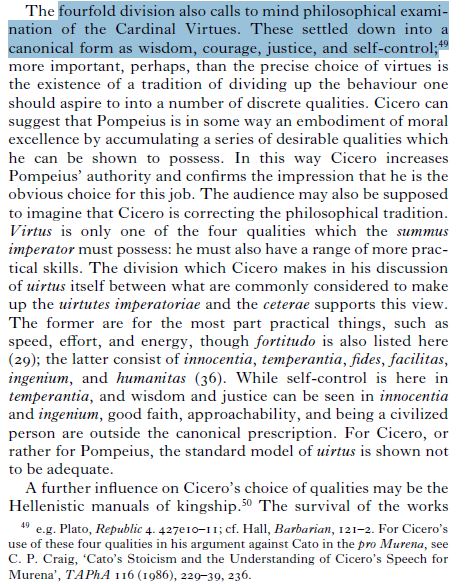
I’ve been re-reading Katherine Steel’s Cicero, Rhetoric and Empire (p. 133) and this passage struck me:

Capture.JPG

How does this connect with the shield of virtues presented to Augustus by the Senate?  Surely someone must have written something on this.  I’m going to resist exploring at this moment and just leave this note for myself that I wish to revisit the topic, at least before the next time I teach the clipeus virtutis!!

ANS specimen

The Reputation of Loebs

Anglophone classicists are sentimental about their red and greens volumes but often in a rather apologetic way.  The quality of the translations especially older volumes has often been judged profoundly mediocre.  The student who relied on a Loeb was judged too lazy to read the original.  Shouldn’t you be reading a critical edition?  An OCT or Teubner or Cambridge orange or green and yellow edition?

However, more and more the Loeb is stepping up its game, issuing new and better editions.  I was delighted a few years back when Shackleton Bailey did Valerius Maximus in two volumes.  Likewise his Loeb of the Ad Familiares. And today I’m once again thrilled to find John Ramsey’s second Sallust volume with the Fragments of the Histories re-edited and re-arranged a true scholarly work!  Budé may always be a more serious series with its commentaries as well as text and translations.  But, I, an anglophone, find myself once again delighted by the Loeb series and its new additions.


Tarquin and the Shame of Hanging

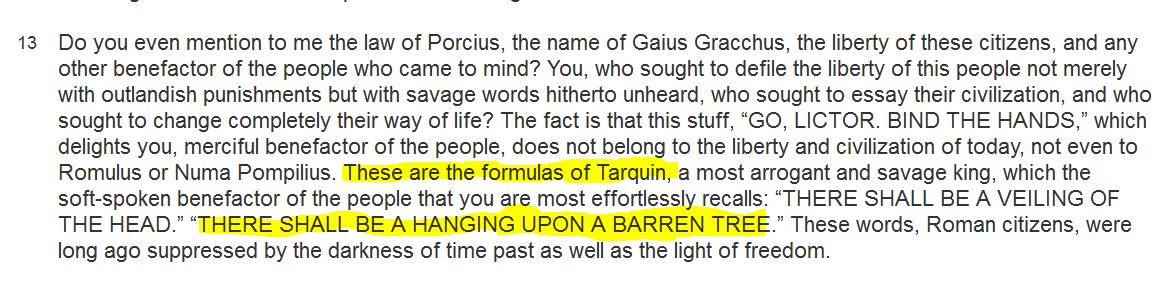
I thinking about Cicero’s choice of words in his consular defense of Rabirius earlier today, especially this portion:

Capture4

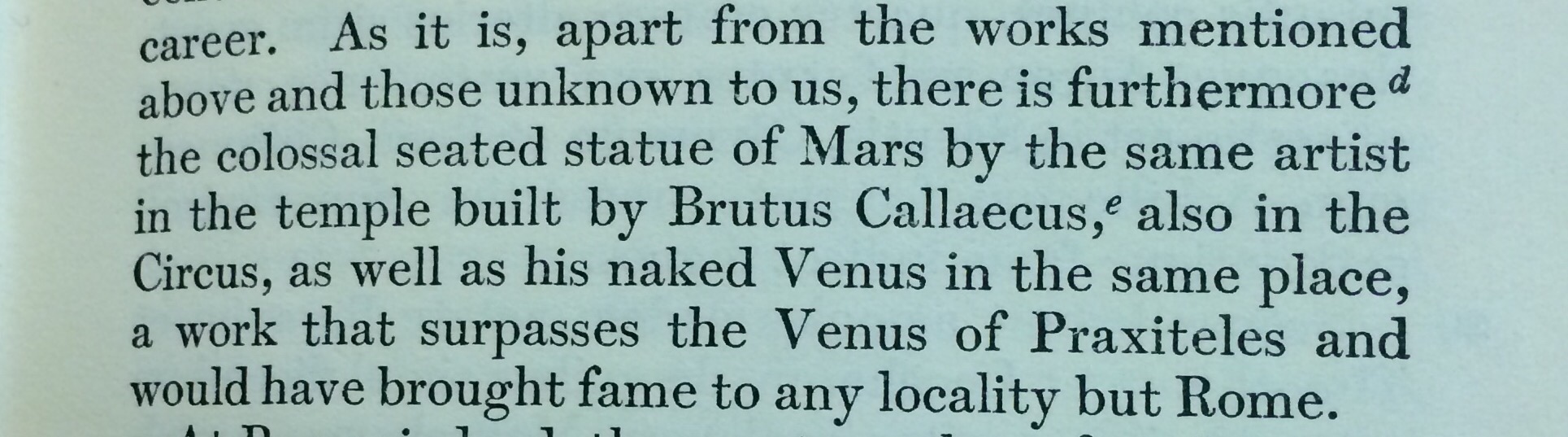
And then just now hanging and the last king of Rome came up again in my reading in a different context…

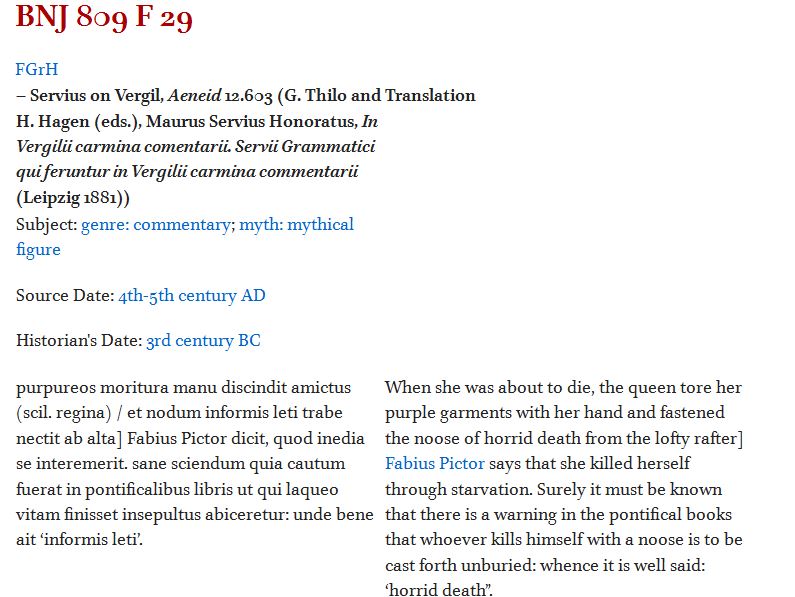
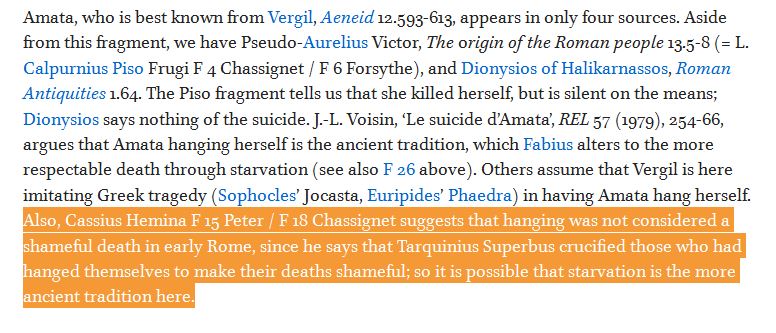
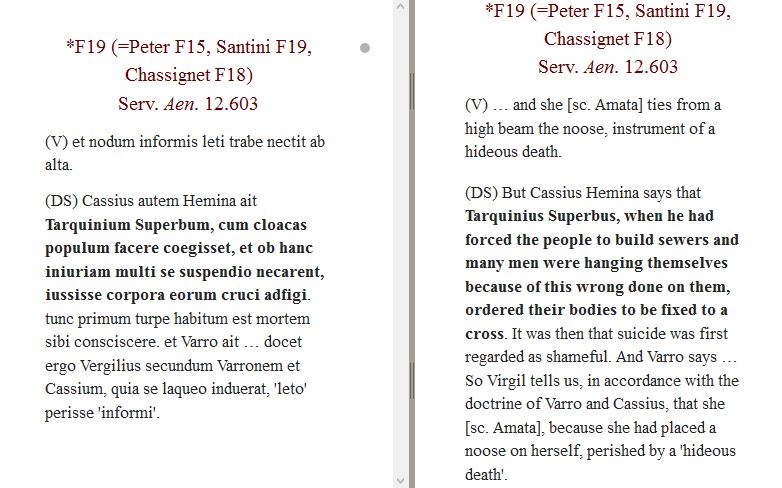
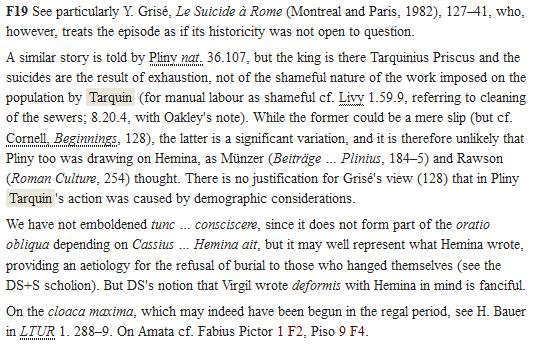
CaptureCapture1Capture2Capture3

Tyrrell’s 1978 commentary on the speech does not make the connection of the handing from a tree and the reference to Tarquin: